
Winter is over, but grey skies and winter coats are still on show — surely we can give SPF a day off? Not so fast. Editor Trudi Brewer asks a dermatologist whether daily sunscreen is really necessary and if it is still one of the smartest moves you can make for your skin.
Image BeautyEQ
The short answer is yes. UV radiation doesn’t take a day off because the sun isn’t shining, and clouds don’t block all of it. UVA rays, in particular, can penetrate cloud cover and windows, reaching the deeper layers of the skin where they contribute to collagen breakdown, pigmentation, and lines and wrinkles.
Then there’s the cumulative effect. It’s not just the day at the beach that counts — it’s the everyday exposure from walking to work, sitting outside for lunch, driving, or simply spending time near a window. Those small doses of UV add up over time. That’s why dermatologist Dr Lisa Connelly of iDerm in New Plymouth, Taranaki, considers broad-spectrum SPF 50+ one of the most effective tools for protecting skin from premature ageing and sun damage.
Think of it less as a summer product and more as the final step in your daily skincare routine. These facts from Dr Connelly may help you rethink why, when it comes to protecting your skin, every day really does count.
With over 20 years of specialist dermatology experience, Dr Lisa Connelly built her clinic on one belief: Great dermatology goes deeper than the surface. Here, she shares her sunscreen rules and her passion for sunscreen accessibility. “I would love to see subsidised access to high-quality sunscreen for all New Zealanders. More access to sunscreen in schools at all levels, not just primary school. The best analogy I can give is that we mandate seatbelt use in cars, and we ensure access by requiring car companies to provide them in every car. We know UV exposure causes skin cancer. We also know our skin cancer rates are the highest in the world. Full stop. But we expect Kiwis to self-fund this form of protection.” Here’s her advice on sunscreen 365 days a year. Read on to learn more.

Dr Lisa Connelly of iDerm in New Plymouth
Q&A
Do we really need to wear SPF 365 days a year in New Zealand?
Yes absolutely. UVA is present year-round and can penetrate clouds and glass. Exposure also increases during spring and early summer, when UV rays are more intense across New Zealand.
What makes New Zealand’s UV exposure different from other parts of the world?
Our distance from larger land masses and relatively clean air protects us from smog and/or pollution, which block UV rays. This means more UV radiation reaches the land. Secondly, the ozone layer helps to block excess UV rays from reaching the Earth’s surface. Ozone layer thinning allows more UV radiation to pass onto New Zealand, with peak intensity occurring during late spring and early summer months, usually December.
Is the UV Index a better guide to whether we need sunscreen than the temperature or how sunny it feels?
The UV index is the best guide for deciding how much protection you need on any given day. Metservice offers free access to daily UV index guides.
How much sunscreen should we actually apply to the face, neck and ears to get the protection stated on the bottle?
The Finger Rule: Squeeze a generous, thick line of sunscreen along your index and middle fingers (the two-finger rule) for the face and neck or three fingers for the face, neck, and ears. Alternatively, apply 1/4 teaspoon to the face, 1/4 teaspoon to the neck, 1/4 to 1/2 to the ears/lateral neck, and 1/4 to1/2 to the hands.
What are people getting wrong about applying SPF?
The biggest mistake is thinking you don't need to apply sunscreen on cloudy and rainy days. New Zealand proudly boasts cities that experience four seasons in a single day. I have certainly experienced this living in Taranaki. It can be blowing a gale in the morning, then clear completely by midday. If you skip sunscreen on those rainy mornings, you are completely unprotected once the weather changes abruptly. Another mistake is not reapplying your sunscreen. We’ve been testing different sunscreens in our office to see how well they hold up to daily life (with the usual clinic and office activity), and we're amazed at how much wears off by midday.
Does SPF in makeup count as part of your daily sun protection, or should we still apply a dedicated sunscreen underneath?
No. For best protection, apply a broad-spectrum SPF 50 sunscreen first, then apply moisturiser and makeup over top. If these later products contain sunscreen, consider them the icing on the cake.
So if your foundation contains SPF 30 and your sunscreen is SPF 50, are you “doubling up” on protection?
It does not work that way. The product applied over a creamy sunscreen may not fully absorb. I like to layer broad-spectrum sunscreen filters with a tinted zinc- and titanium-based sunscreen. You can easily substitute this with a tinted BB cream. This tip is especially good for anyone suffering from melasma ( a common skin condition that causes dark, blotchy, brown patches on sun-exposed areas of the face).
If you could change one thing about the way New Zealanders use sunscreen, what would it be?
From a public health perspective, I would love to see subsidised access to high-quality sunscreen for all New Zealanders. More access to sunscreen in schools at all levels, not just primary school. The best analogy I can give is that we mandate seatbelt use in cars, and we ensure access by requiring car companies to provide them in every car. We know UV exposure causes skin cancer. We also know our skin cancer rates are the highest in the world. Full stop. But we expect Kiwis to self-fund this form of protection.
Would you consider sunscreen the single most effective anti-ageing product you can invest in? Why or why not?
Absolutely, hands down! Just remember the power of also using sunglasses, wide-brimmed hats and clothing for broader protection.
How do you know if you're buying a good sunscreen?
All sunscreens sold in the New Zealand market should meet their SPF claims as labelled on their packaging, under our regulations and guidelines. For added reassurance, people can check the Consumer NZ database, which is free to access, to see which sunscreens have been tested at reputable laboratories and meet thier claims. If the sunscreen you’re looking for isn't on the list, I would email the manufacturer directly to ask why it isn't listed on their website.
Understanding your Sunscreen
Organic (chemical) vs Mineral Sunscreen: What’s the Difference?
Not all SPF is created equal, and it can be surprisingly confusing. Chemical, mineral, organic, inorganic — what does it all mean? And, more importantly, does one work better than the other? The short answer: both organic and mineral filters can provide excellent broad-spectrum UV protection. The difference comes down to the type of UV filters they use and how those filters interact with UV radiation.
Organic sunscreen
Often referred to as chemical sunscreen, organic sunscreen uses UV filters such as avobenzone, bemotrizinol, octocrylene and octisalate. These filters primarily absorb UV radiation, converting it into a small amount of heat that the skin then releases. The beauty of organic filters? They can be formulated into lightweight, fluid textures that disappear beautifully into the skin — making them particularly popular for facial SPF and for wearing under makeup.
Mineral sunscreen
Mineral, or inorganic, sunscreens use zinc oxide and/or titanium dioxide as their UV filters. Rather than simply sitting on the surface and acting like a physical shield — an oversimplification we often hear — these mineral filters absorb and scatter UV radiation. People with sensitive or reactive skin often favour these filters because zinc oxide and titanium dioxide are generally well tolerated. Modern mineral formulas can also be surprisingly lightweight and sheer, particularly when they’re finely milled or in a tinted formula.
So, which should you choose?
There isn't a universal winner. The best sunscreen is one that offers adequate broad-spectrum protection and that you’ll apply generously and consistently. If you love an invisible, lightweight finish, you may prefer an organic-filter formula. If you have sensitive skin or prefer mineral filters, zinc oxide and titanium dioxide are excellent options. Don't get too caught up in the terminology: Chemical doesn't mean harsh, and mineral doesn't automatically mean better.
We like sunscreen that has the added benefits of skincare ingredients. Think of this as protection plus prevention and skincare in one step. After all, UV exposure is a major driver of premature skin ageing. Ingredients such as glycerin, hyaluronic acid and sodium hyaluronate help attract and hold moisture, making SPF feel more like a moisturiser. Antioxidants. Ingredients such as vitamin E, vitamin C, and green tea can help neutralise free radicals generated by UVA skin damage, bolstering your protection without replacing SPF. Niacinamide, or vitamin B3, is a brilliant SPF companion; it supports the skin barrier and can improve the appearance of uneven tone. Then there are soothing ingredients like panthenol, aloe vera and centella asiatica, or Cica; they can help soothe and calm irritation, which is especially appealing in formulas designed for sensitive or dehydrated complexions. Finally, skin barrier-supporting ingredients
like ceramides, fatty acids, and other skin-identical lipids that also help support the skin barrier—and a healthy skin barrier helps skin remain resilient.
The BEautyEQ Takehome
The new SPF philosophy? Protect first, treat second — and make both part of the same morning ritual. The most important message:
Find a sunscreen you love wearing — and make it a daily habit.
The Beautyeq-rated SPF’s THAT FEEL MORE LIKE SKINCARE THAN SUNSCREEN
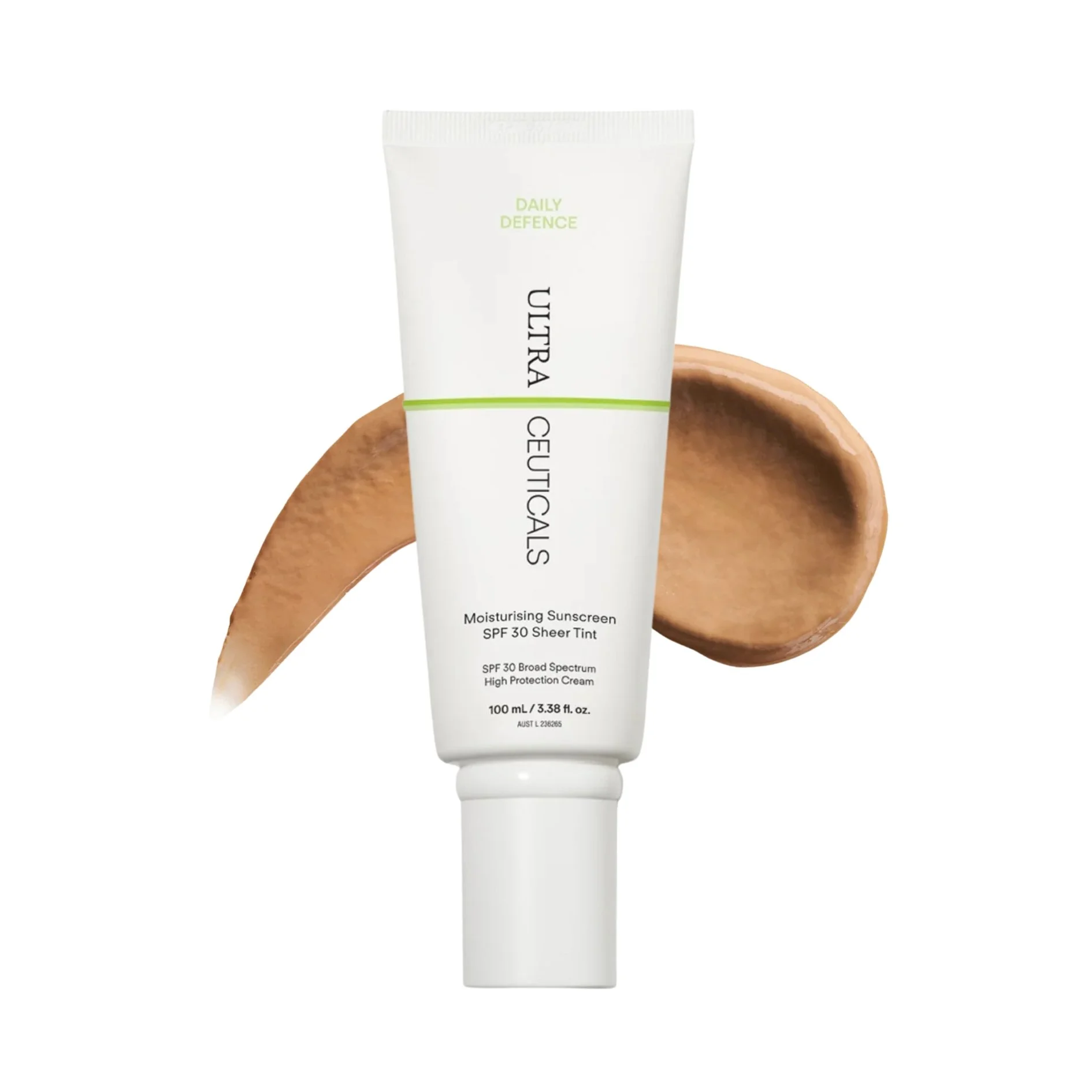
Ultraceuticals Daily Defence Moisturising Sunscreen SPF 30 Sheer Tint, $109
This SPF has been part of my morning skincare routine for years, as a clever morning multitasker. Its sheer, light-diffusing tint subtly softens the look of uneven tone, but behind the glow is a skincare-meets-sun-protection formula that features some epic ingredients. It includes organic screens for broad-spectrum UVA and UVB protection, and the skincare credentials are equally compelling. Niacinamide, hyaluronic acid and glycerin deliver hydration, while panthenol, vitamin E and shea butter add comfort. Think of it as the one-and-done shortcut in your morning routine.
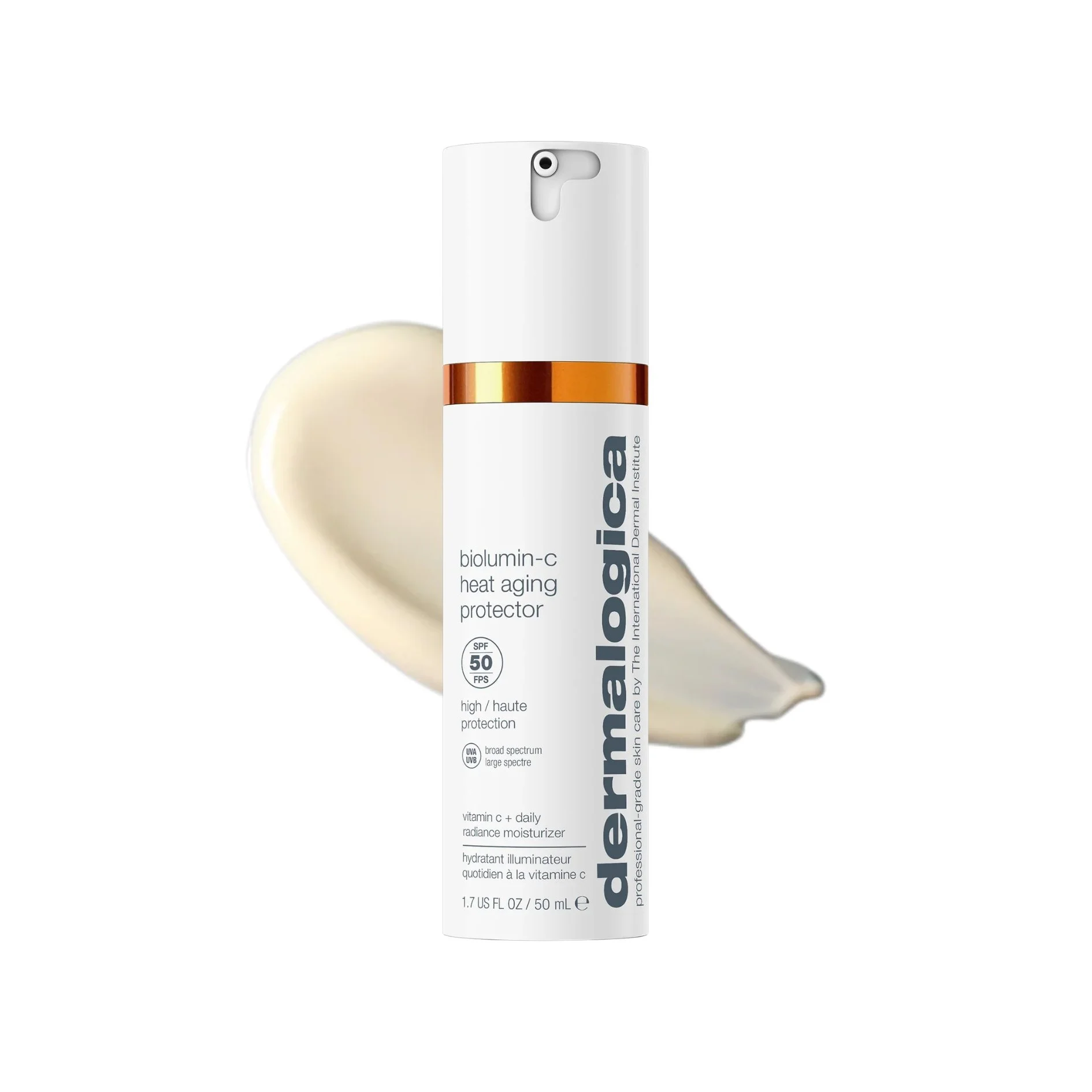
Elevate your morning ritual with a hydrating moisturiser that pairs high-performance skincare with a blend of organic screens at SPF 50. At its heart is an ultra-stable vitamin C complex that illuminates dull skin and improves the appearance of uneven tone and texture. In contrast, a ThermaRadiance complex, with soothing physalis and antioxidant vitamin E, helps defend against free radicals and the visible effects of heat exposure. The finishing touches: bisabolol, allantoin and safflower oleosomes help calm, replenish and comfort dehydrated skin.
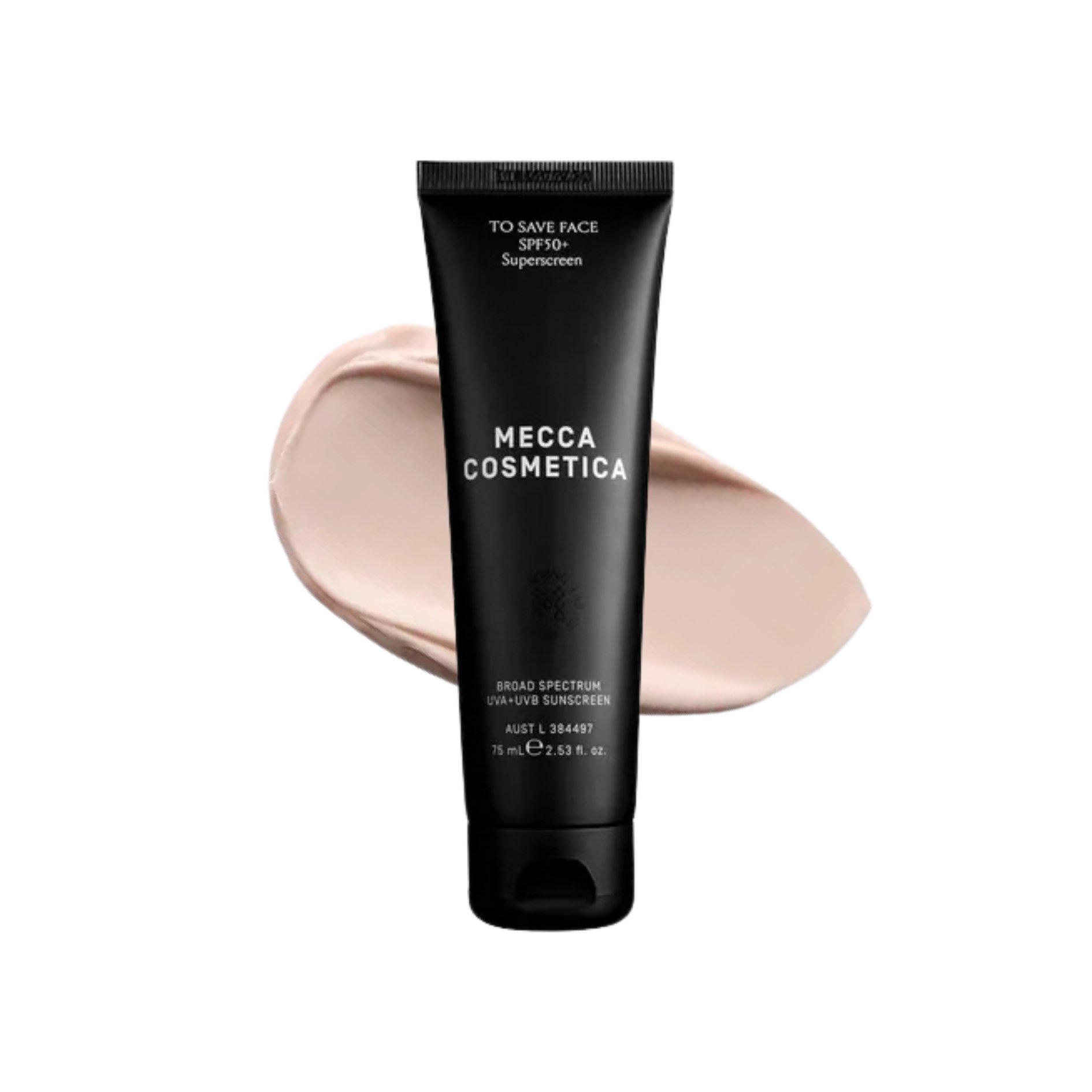
A luxe, hydrating facial sunscreen that has earned cult status for good reason. It delivers broad-spectrum protection with organic screens in a featherlight cream that feels more like a tinted moisturiser than sunscreen. Enriched with vitamin E, it helps hydrate and smooth while leaving a natural satin finish—with no greasy residue and no visible white cast. This SPF is made to layer under makeup, so there’s no excuse to skip SPF.
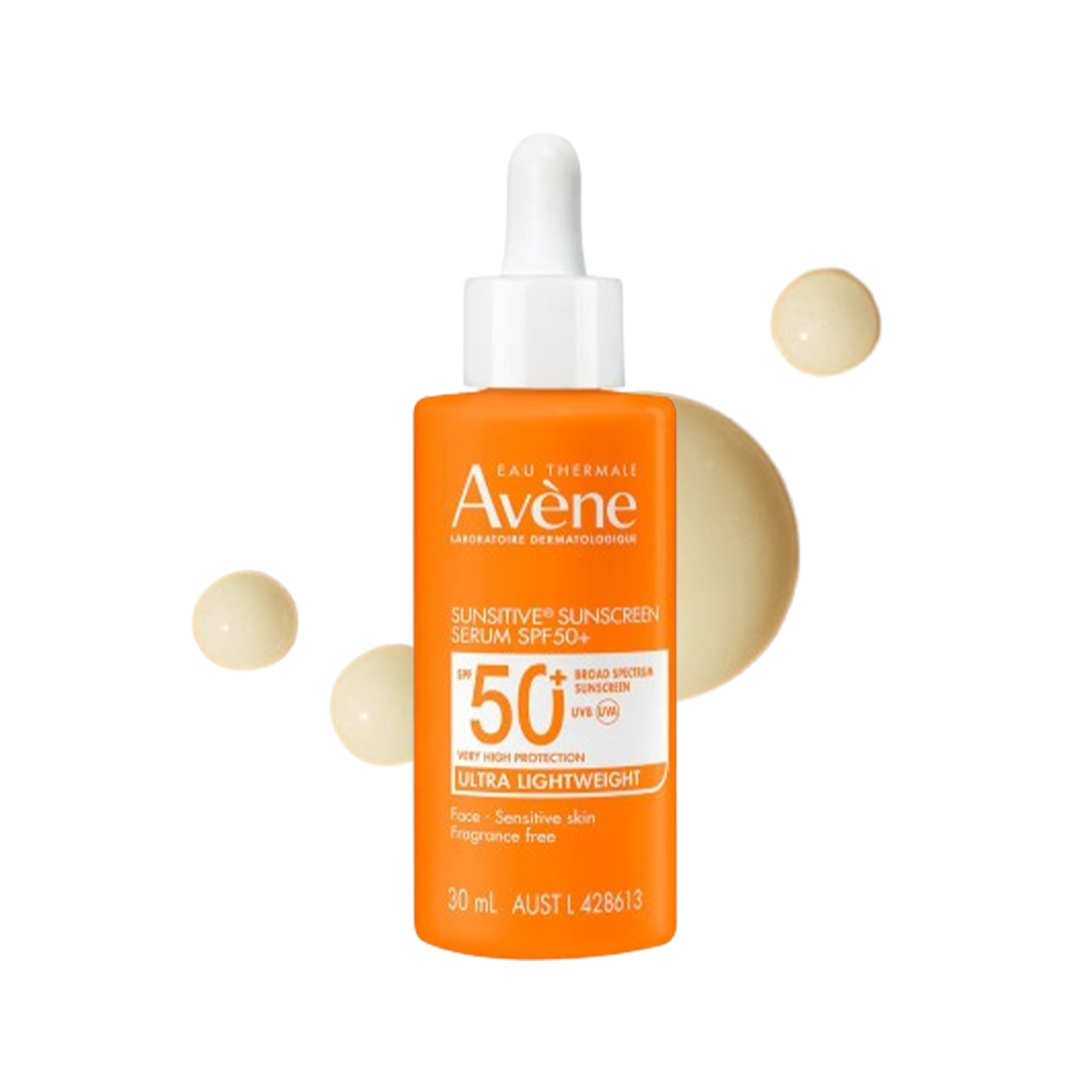
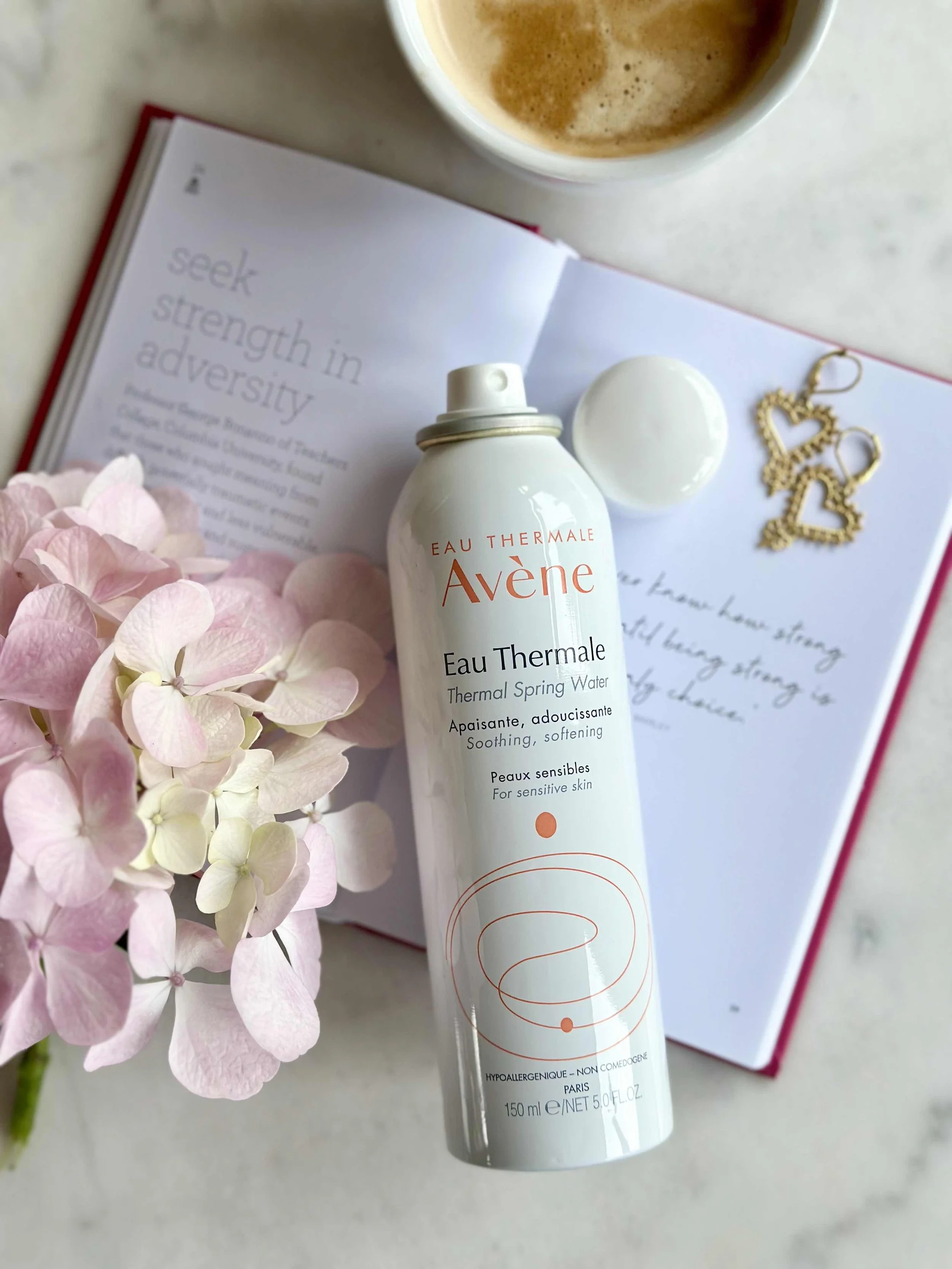
If you want an SPF that feels more like skincare, then this meets that brief. Avène has been soothing and correcting skin for decades, and this formula feels more like a hydrating serum than traditional sunscreen. With hyaluronic acid, vitamin E, and aloe vera, it leaves skin soft, comfortable, and hydrated. At the same time, the fast-absorbing texture disappears into the skin without a sticky, greasy finish. Then there’s the protection: a 100 per cent organic formula that leaves an invisible finish with no white cast—making it the perfect final step before makeup.
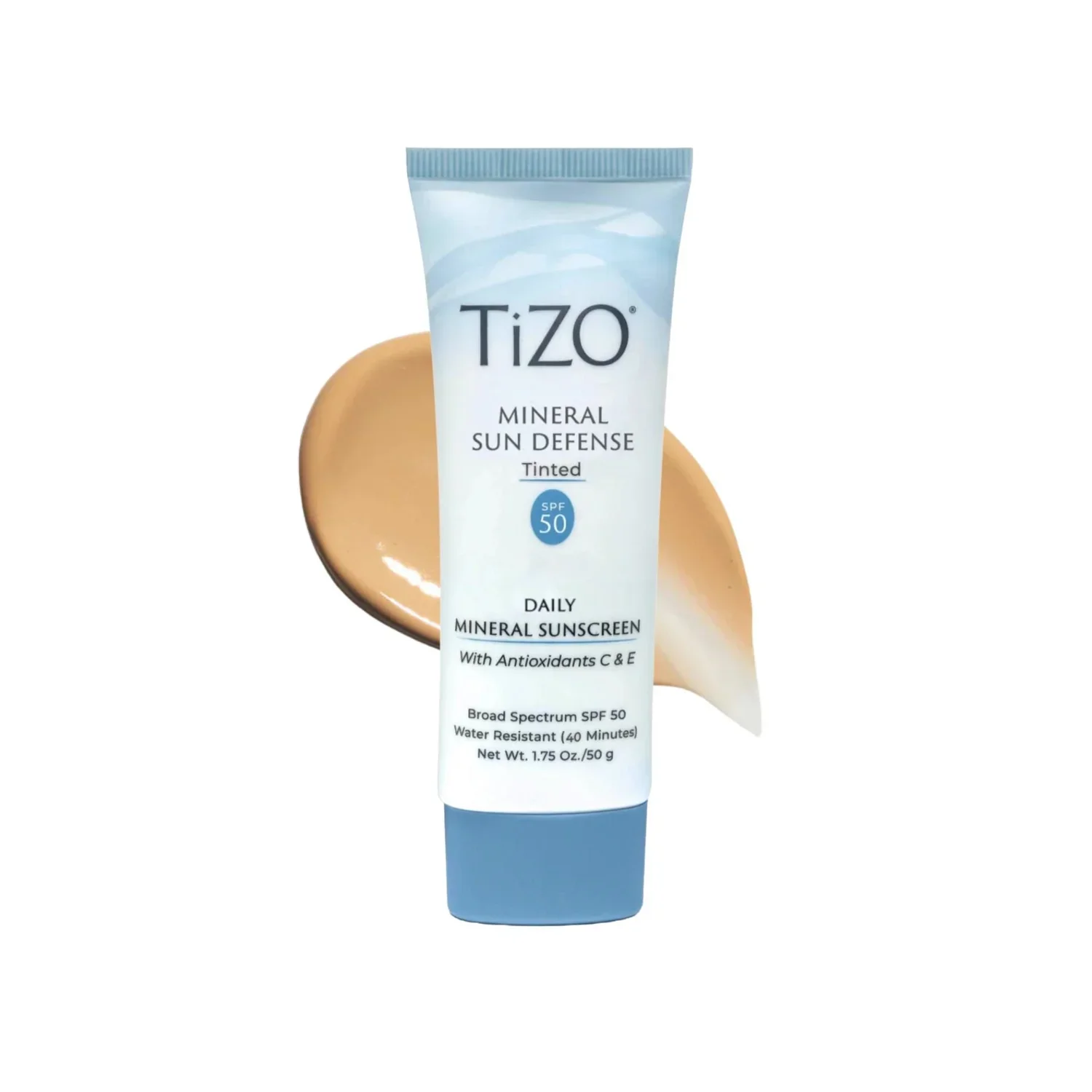
This SPF combines the formula of a tinted moisturiser with enough coverage to skip makeup. First, it’s creamy yet lightweight, hydrating and protecting the skin. It’s a pure blend of mineral titanium and zinc oxides, with antioxidants like balm mint, stable, oil-soluble vitamin C, and vitamin E that offer skincare benefits and help reverse free-radical damage. In contrast, natural mica and iron oxides deliver a tint. Most importantly, it glides on with fingers or a foundation brush and stays put for hours.
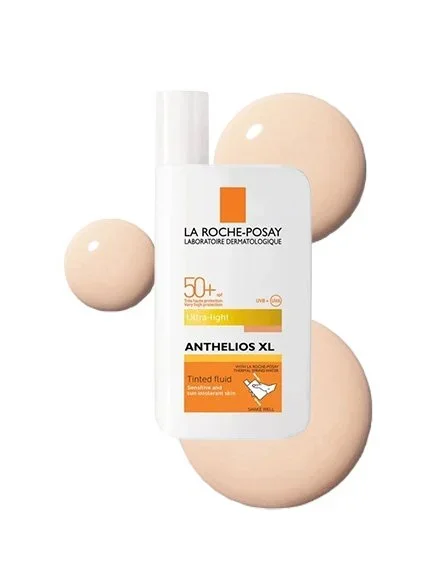
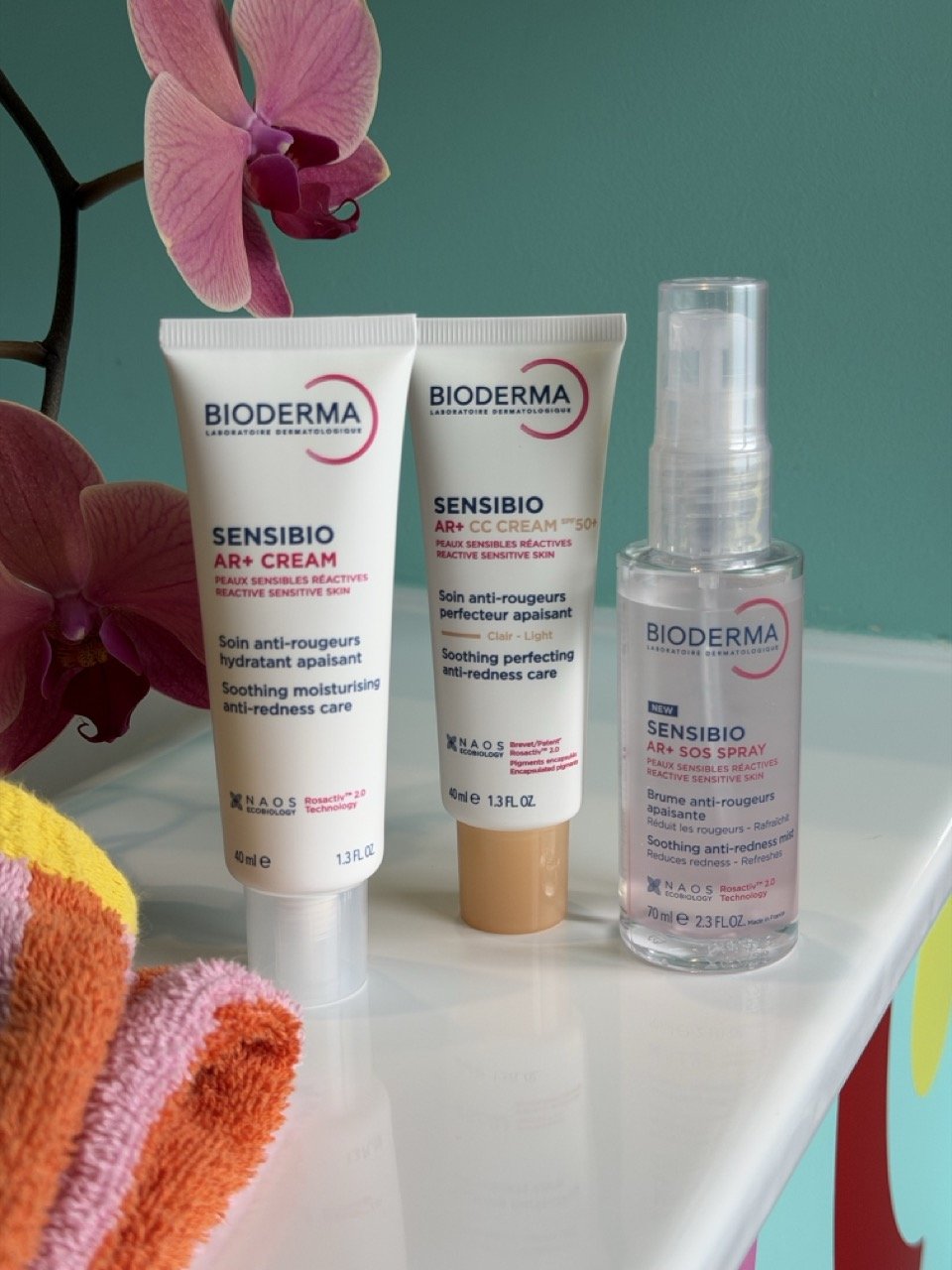
Another French pharmacy brand is popular for those who want a tinted sunscreen ideal for sensitive skin. It’s reassuring to know that in the 2025 Consumer New Zealand sunscreen testing programme, this mineral titanium dioxide-based sunscreen promised SPF 50+ and delivered SPF 72. It’s a lightweight formula that leaves a dewy glow and features a cocktail of organic screens, vitamin E, and a base of thermal spring water (containing selenium and minerals) to hydrate the skin at the same time.





A dermatologist weighs in. And we share the best sunscreen.