
Peptides have evolved from a beauty buzzword into a key skincare ingredient, and rightly so. These potent molecules are pivotal in formulas specifically designed to enhance the appearance of firmness, smoothness, and resilience. They are undeniably a key player in the conversation around skin longevity. Editor Trudi Brewer gets expert advice on these game-changing ingredients.
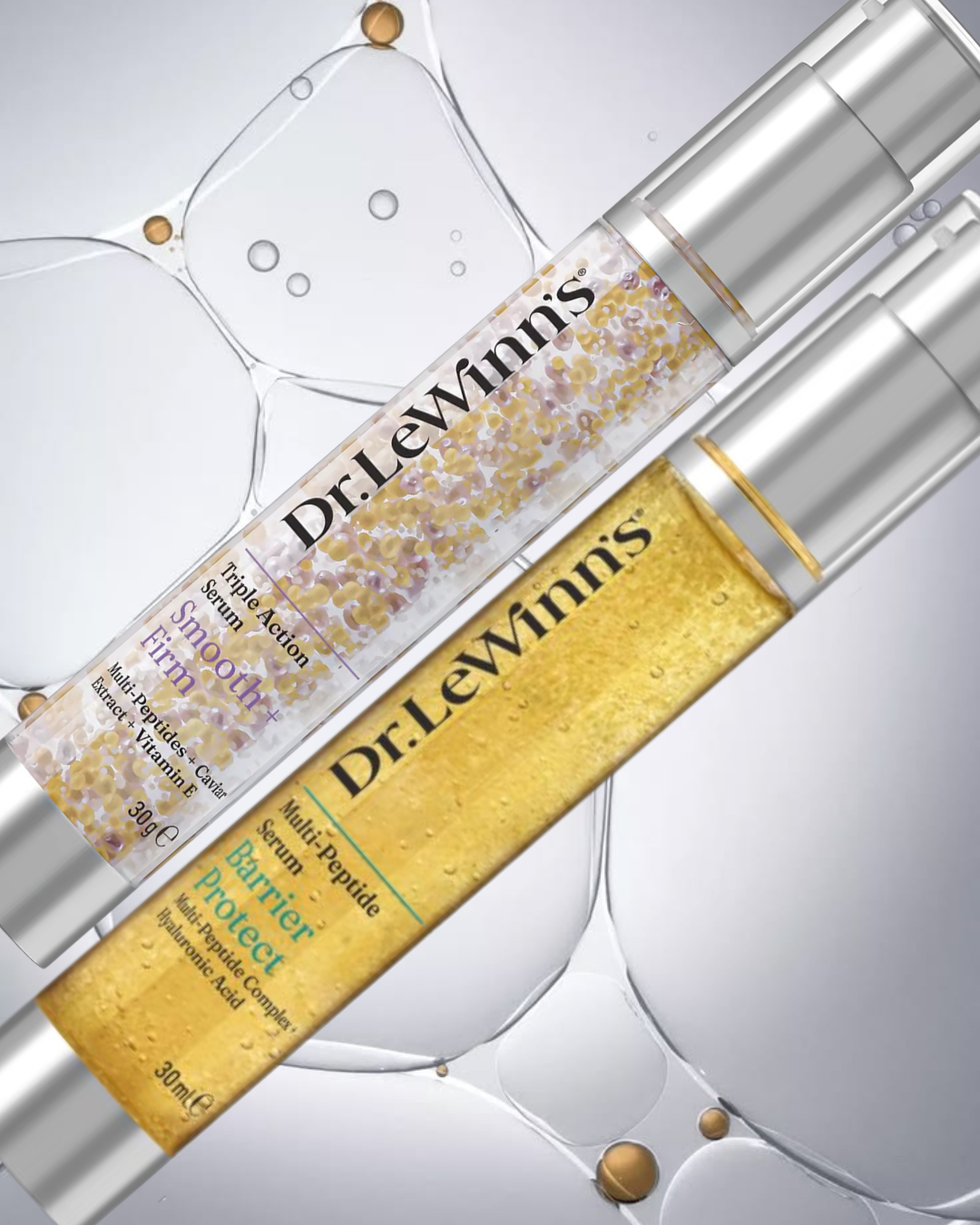
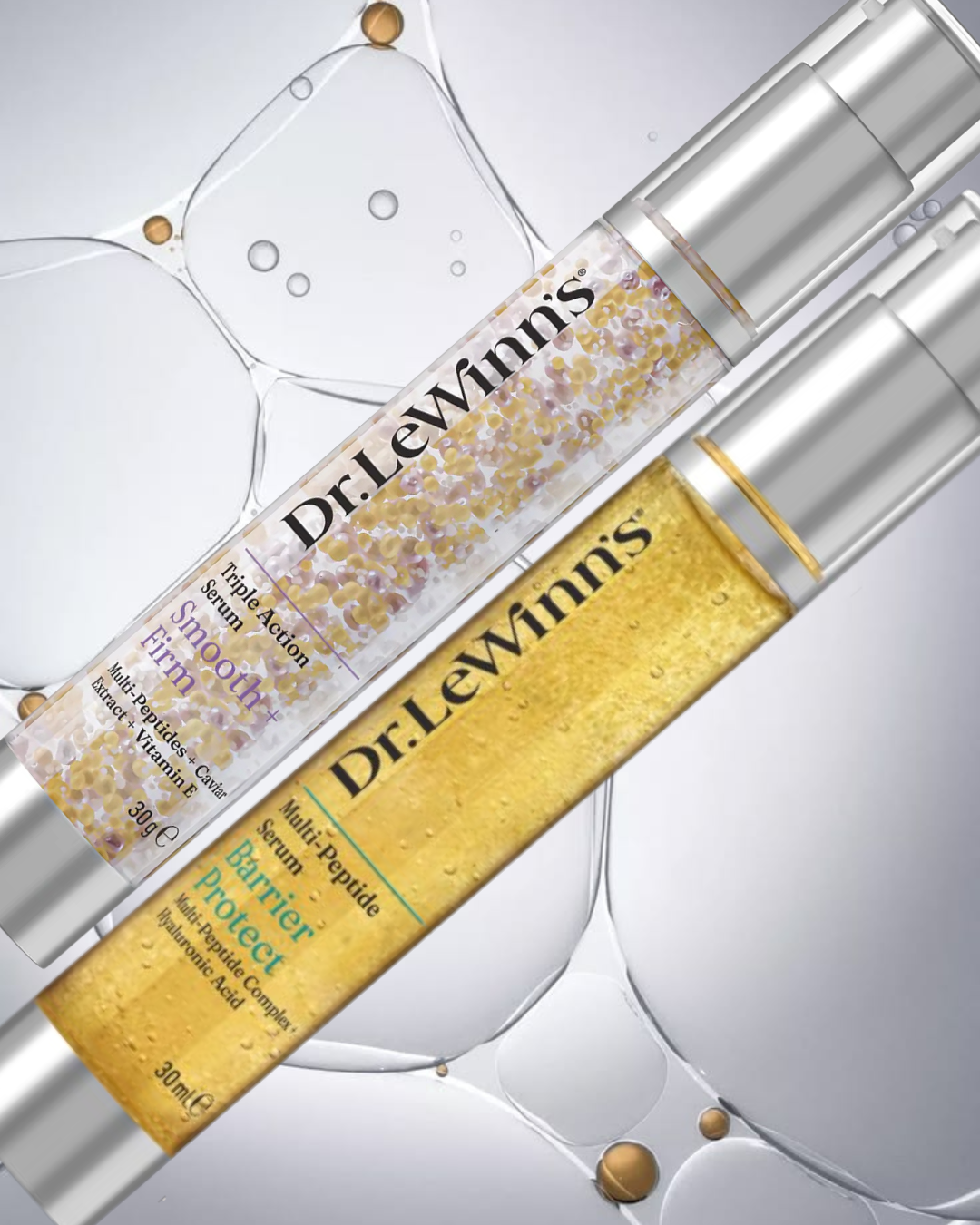
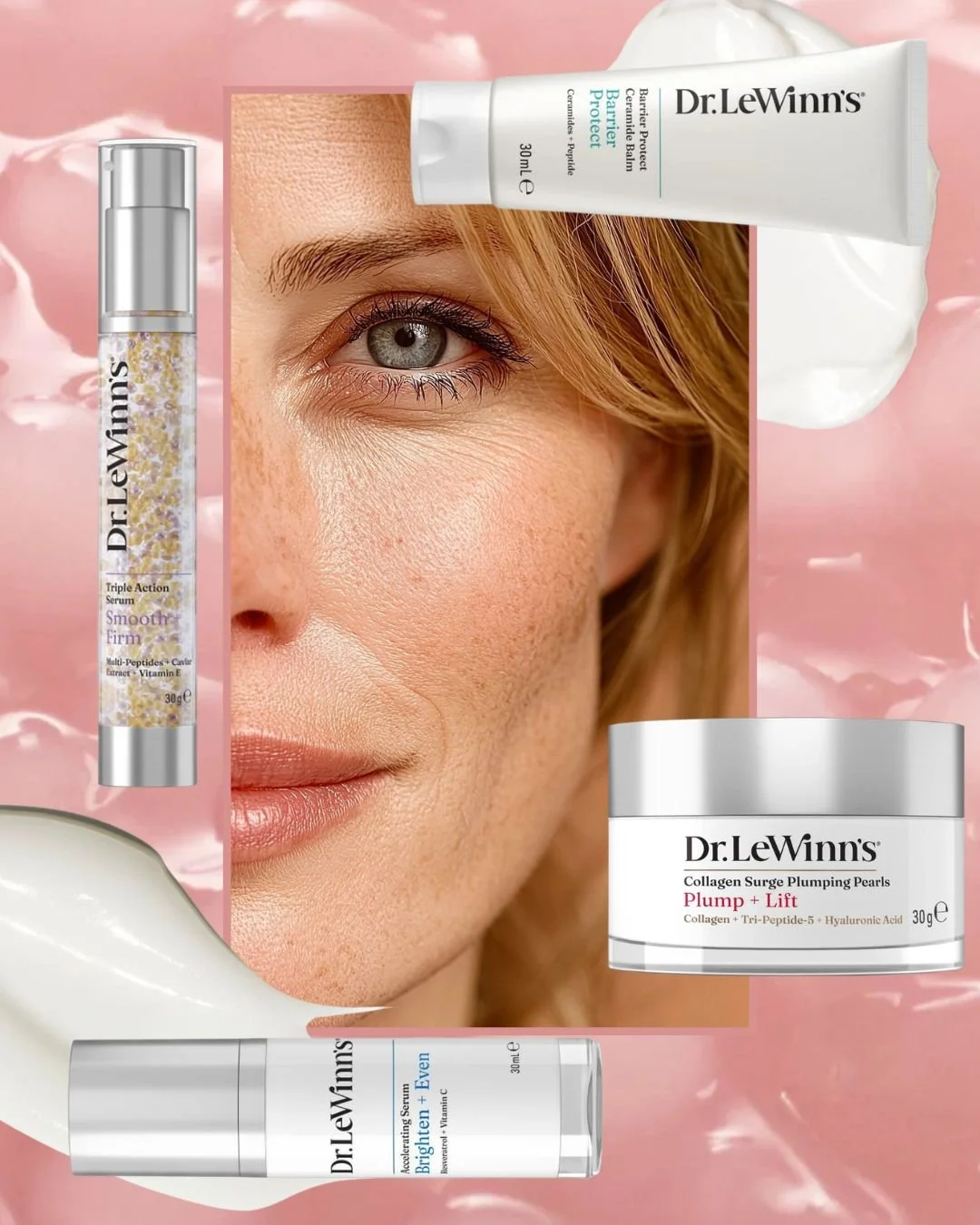
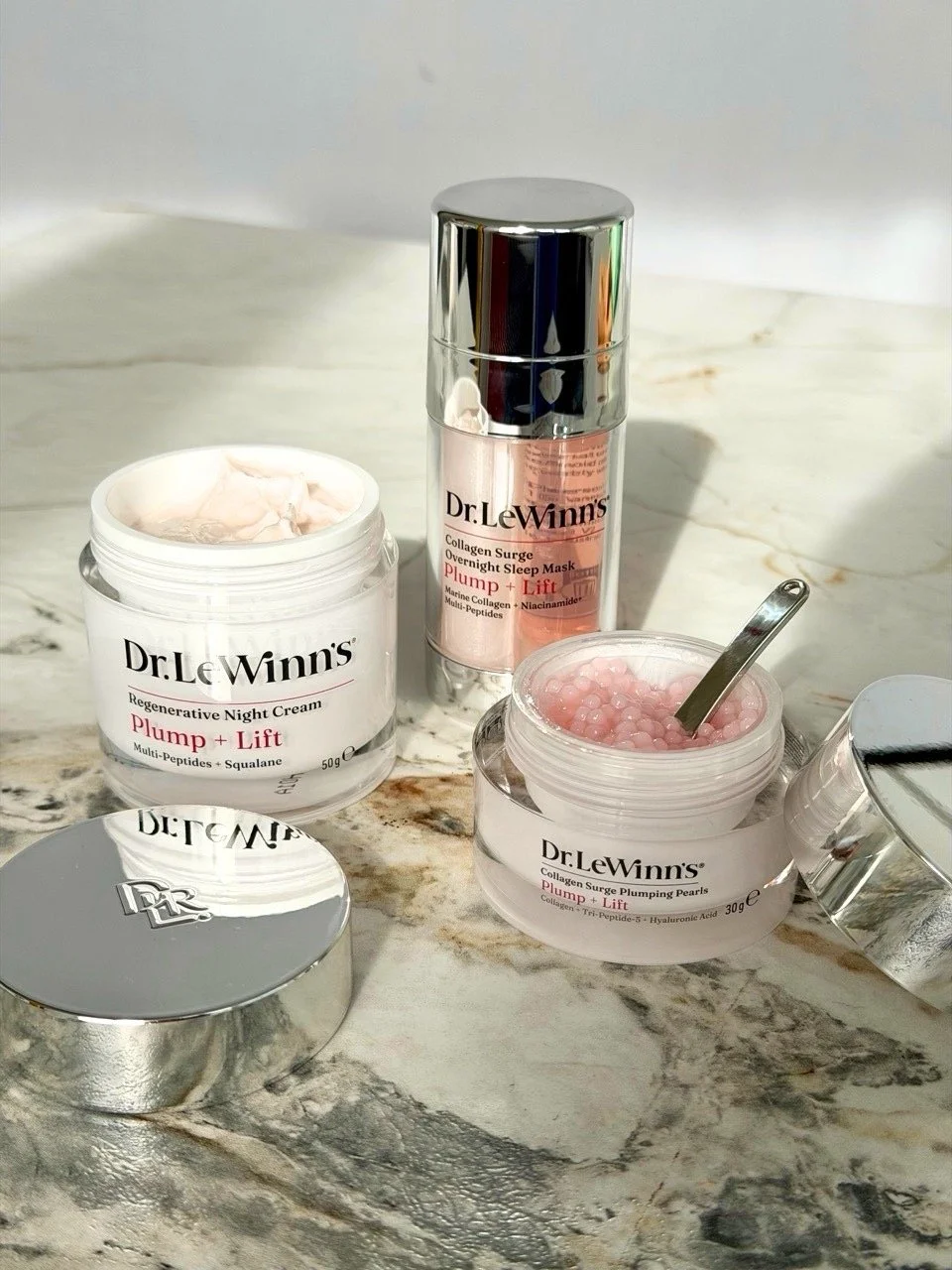
Two of the multi-peptide serums from the Dr. LeWinn’s skincare collection. Image BeautyEQ
Peptides might be tiny, but their role in the future of skincare is anything but small. We asked Anna Morrison, head of product development at Dr. LeWinn’s, to break down the science behind these hero ingredients.

Anna Morrison head of product development at Dr. LeWinn’s
Here’s everything you need to know about peptides
What are peptides, and why are they so popular?
Peptides are short chains of amino acids that exert multiple functions. Signal peptides act as signalling messengers within the skin. Many types of peptides support natural processes linked to collagen, elastin, and skin repair, making them popular as an anti-ageing ingredient.¹˒² At Dr. LeWinn’s, we use peptide complexes in products to target visible signs of ageing while supporting skin resilience.
Why are peptides considered ‘cell-communicating’ ingredients?
Many peptides work by sending signals to skin cells, encouraging them to perform functions associated with younger, healthier-looking skin. Rather than replacing collagen directly, they help support the skin’s natural renewal and repair processes.¹˒²
What’s the difference between peptides, proteins and collagen?
Think of peptides, proteins and collagen as being part of the same family. Peptides are short chains of amino acids, while proteins are much larger chains of amino acids. Collagen is one of the most important proteins in the skin, helping keep it firm, strong and resilient. Peptides don’t become collagen themselves, but certain peptides can help support the skin’s natural processes associated with maintaining collagen and a firm, smooth appearance, which is why they’re such a valuable ingredient in skincare that promotes healthy ageing.⁶
What are the biggest misconceptions about peptides?
One misconception is that all peptides do the same thing. Different peptides offer different benefits, from supporting collagen-rich, firmer-looking skin to softening the appearance of expression lines. One myth is that they’re a substitute for cosmetic injectable treatments. Peptides can visibly improve the appearance of skin over time, but through completely different mechanisms.
What peptides have the strongest clinical evidence for mature skin?
Some of the most studied peptides for mature skin include Argireline® (AcetylHexapeptide-8), Matrixyl® peptides ⁴, and Copper Tripeptide-1 (GHK-Cu) ⁵, all of which have been investigated for their ability to improve the appearance of wrinkles, firmness, and skin elasticity ³,⁴,⁵. At Dr. LeWinn’s, our Barrier Protect Multi-Peptide Serum utilises Acetyl Hexapeptide-8 (Argireline®) alongside Acetyl Octapeptide-3 (SNAP-8®) and Hexapeptide-11, a combination selected to help soften the appearance of expression lines for a revitalised complexion.¹˒³
How do peptides support firmer skin?
Peptides help support the skin’s structural proteins, including collagen and elastin, which naturally decline with age. Certain peptides act as signalling messengers that can help support collagen synthesis and extracellular matrix maintenance, contributing to firmer, smoother, and more resilient-looking skin.¹˒²
What type of peptides are in Dr LeWinn’s skincare?
At Dr LeWinn’s, we don’t believe any single “hero” peptide does everything. Instead, we select peptide technologies based on the evidence behind them and the specific benefit we want a product to deliver. For example, our range features neuropeptides such as Argireline® (Acetyl Hexapeptide-8) and SNAP-8® (Acetyl Octapeptide-3), which help soften the appearance of expression lines and wrinkles.³ In our Barrier Protect Multi-Peptide Serum, we use Hexapeptide-11 alongside other peptides to protect the skin's barrier and nourish the skin for a revitalised complexion.¹ Ultimately, our approach is to combine complementary peptide technologies that are backed by science and tailored to the specific skin concern we are targeting.
Are peptides compatible with other ingredients like vitamin C or retinoids?
In most modern formulations, peptides work very well alongside vitamin C and retinoids. These ingredients complement each other by targeting different aspects of skin ageing, from collagen support and antioxidant protection to skin revitalisation.¹
Are the peptides delivered using specialised technology?
In our Barrier Protect Multi-Peptide Serum, advanced microsphere technology suspends nourishing botanical oils alongside our peptide complex. As the serum is applied, the microspheres gently burst, helping to deeply nourish the skin while supporting hydration, barrier health and overall skin resilience.
What ingredients work well with peptides?
Peptides pair particularly well with hyaluronic acid, niacinamide, ceramides and antioxidants. In Dr. LeWinn's formulations, we often combine peptides with hyaluronic acid, squalane (lightweight, moisturising oil that mimics your body's natural skin oils) and barrier-supporting ingredients to maximise hydration, comfort and visible anti-ageing benefits.
At what age should you include peptides in your skincare routine?
There is no right or wrong age, but many people begin using peptide skincare in their late 20s or early 30s as part of a preventative skincare routine. Peptides are generally well tolerated and can be incorporated whenever someone is looking to support skin health and resilience.
How long does it take to see results?
You can often notice hydration benefits quickly, while visible improvements in firmness and fine lines typically require consistent use over several weeks, depending on the peptide being used. As with any skincare ingredient, results depend on the formula, skin condition and frequency of use.
What excites you most about the future of peptides?
Peptides are one of the most exciting areas of innovation in beauty right now. We’re seeing incredible advances across topical skincare and ingestible beauty, from neuropeptides and copper peptides to biomimetic peptides inspired by the body’s natural repair processes. At Dr. LeWinn’s, we’re particularly excited by the potential of peptide science to support healthy ageing, skin longevity and resilience, especially when combined with advanced delivery technologies that help maximise performance both inside and out.
Dr. LeWinn’s peptide-infused Serums
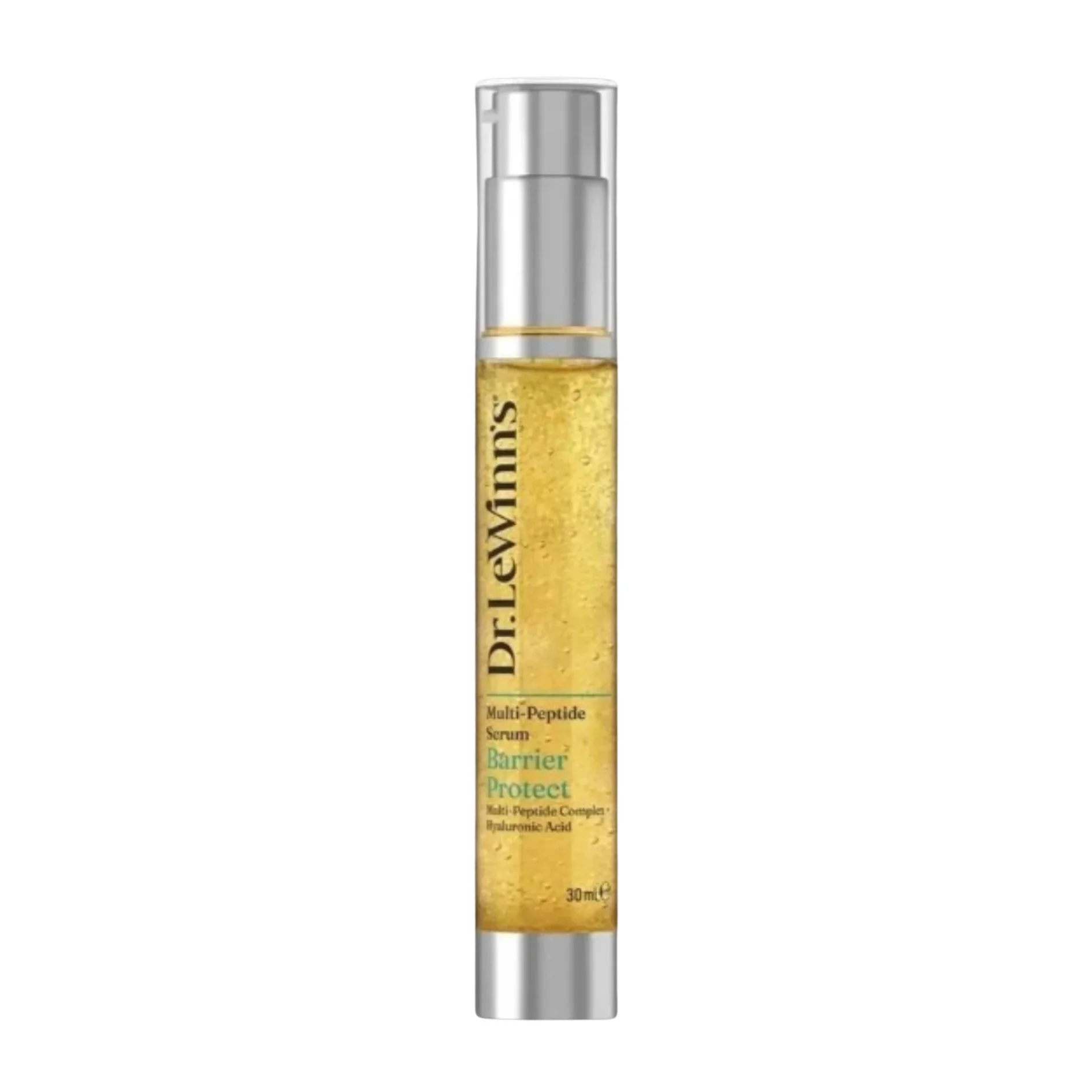
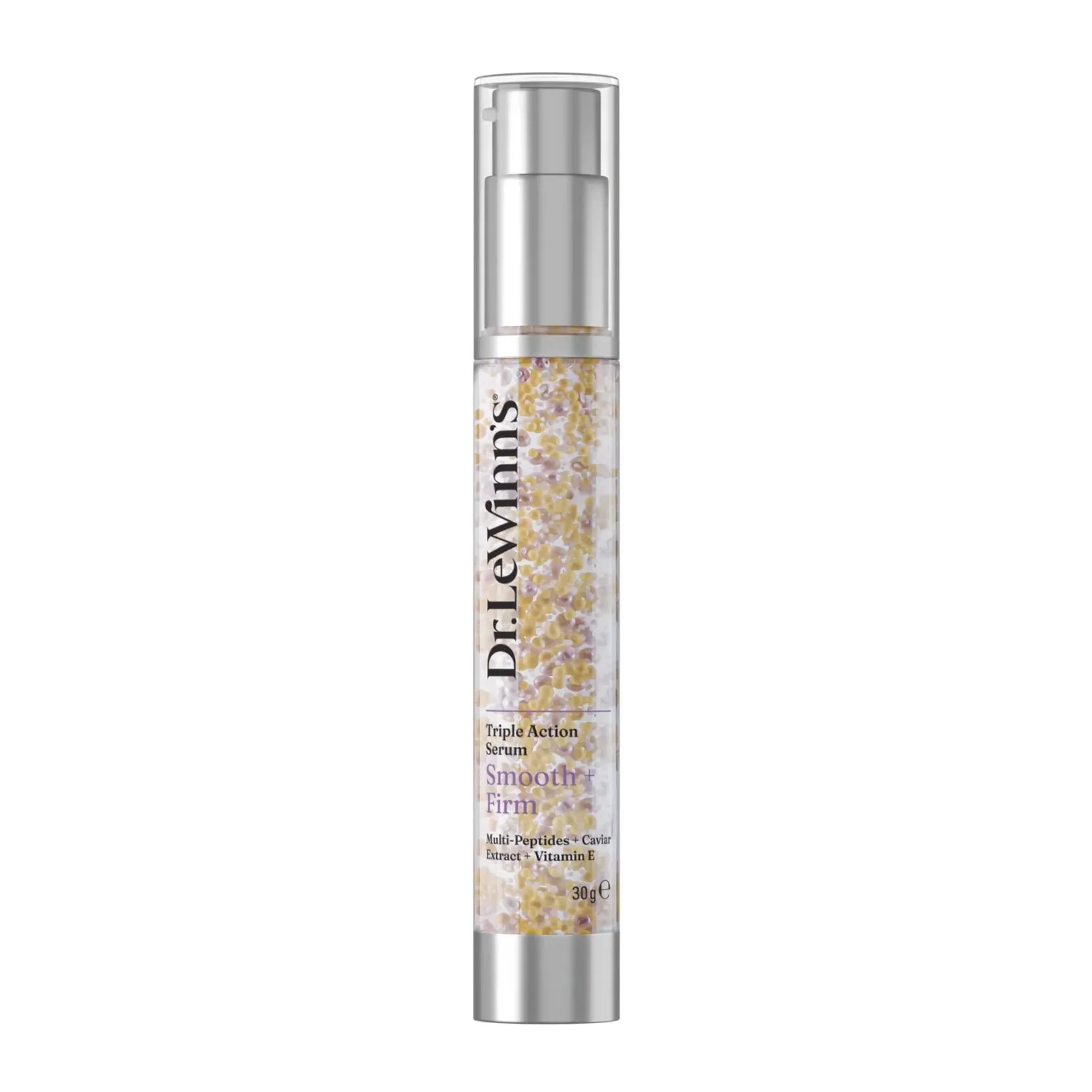
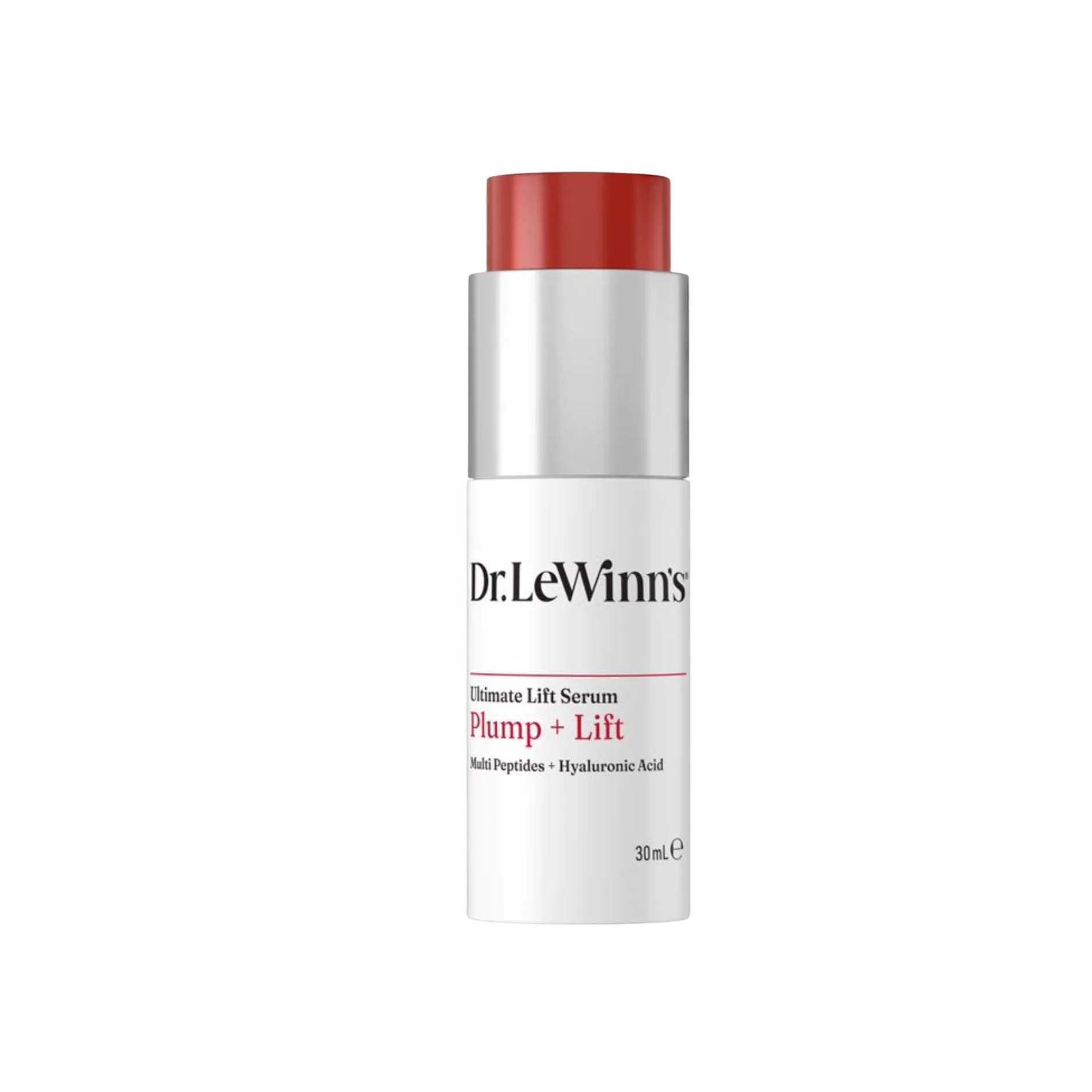
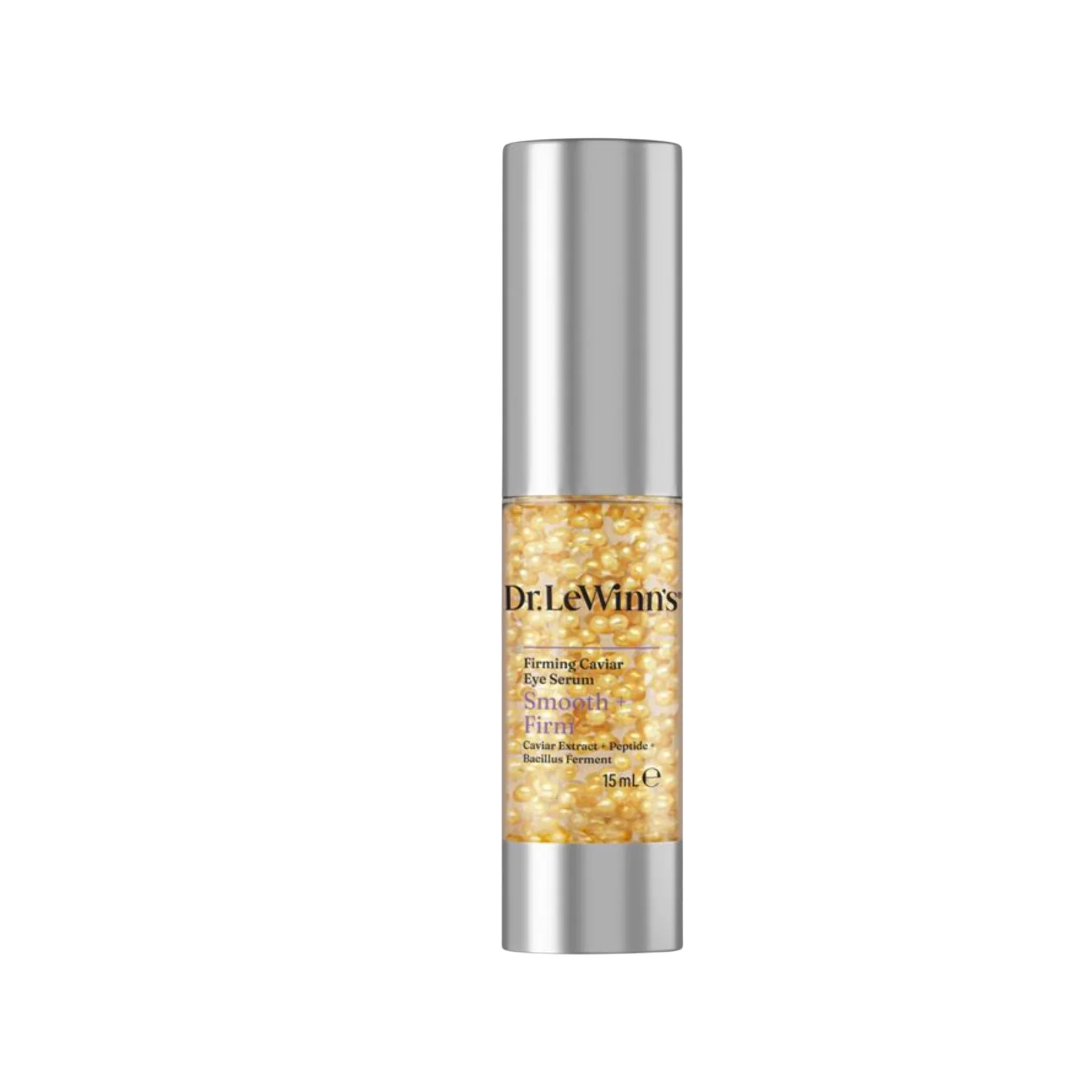
Dr. LeWinn’s Barrier Protect Multi-Peptide Serum, $75. Packed with a multi-peptide complex, hyaluronic acid, squalane, and botanical oils, this serum helps retain moisture and protects the skin barrier. Dr. LeWinn's Smooth + Firm Triple Action Serum, $89. With multi-peptides, caviar extract, vitamin E, and blackcurrant seed oil, this gel-like serum helps visibly reduce the appearance of lines and wrinkles. Dr. LeWinn's Plump + Lift Ultimate Lift Serum, $84. Another fast-absorbing serum that hydrates and plumps skin with multi-peptides and hyaluronic acid. Dr. LeWinns Smooth + Firm Firming Caviar Eye Serum, $89. This serum targets dark circles, puffiness, and fine lines around the eye area and is packed with caviar extract, peptides, and niacinamide.
Peptide research references here:1. Schagen SK. Topical Peptide Treatments with Effective Anti-Aging Results. Cosmetics. 2017;4(2):16. Published 22 May 2017, doi:10.3390/cosmetics4020016. 2. Lupo MP, Cole AL. Cosmeceutical peptides. Dermatologic Therapy. 2007;20(5):343-349. DOI: 10.1111/j.1529-8019.2007.00148.x. 3. Blanes-Mira C et al. A synthetic hexapeptide (Argireline) with antiwrinkle activity. International Journal of Cosmetic Science (2002) 24(5):303-310. doi: 10.1046/j.1467-2494.2002.00153.x. 4. Robinson LR et al. Topical palmitoyl pentapeptide provides improvement in photoaged human facial skin. International Journal of Cosmetic Science (2005) 27(3):155-160. doi: 10.1111/j.1467-2494.2005.00261.x. 5. Pickart L, Margolina A. Regenerative and Protective Actions of the GHK-Cu Peptide in the Light of the New Gene Data. International Journal of Molecular Sciences.2018;19(7):1987. 6. Gorouhi F & Maibach HI. Role of topical peptides in preventing or treating aged skin. International Journal of Cosmetic Science (2009) 31(5):327-345. doi: 10.1111/j.1468-2494.2009.00490.x.




Discover why Environ’s Hydrating Oil Capsules are on rotation in our routines.