
For years, skincare was all about doing more: more acids, more retinol, more exfoliation, more actives. Now, beauty’s attention has shifted to something far less glamorous but arguably more important — the skin barrier. Editor Trudi Brewer shares what you need to know about your body's most underrated defence system.
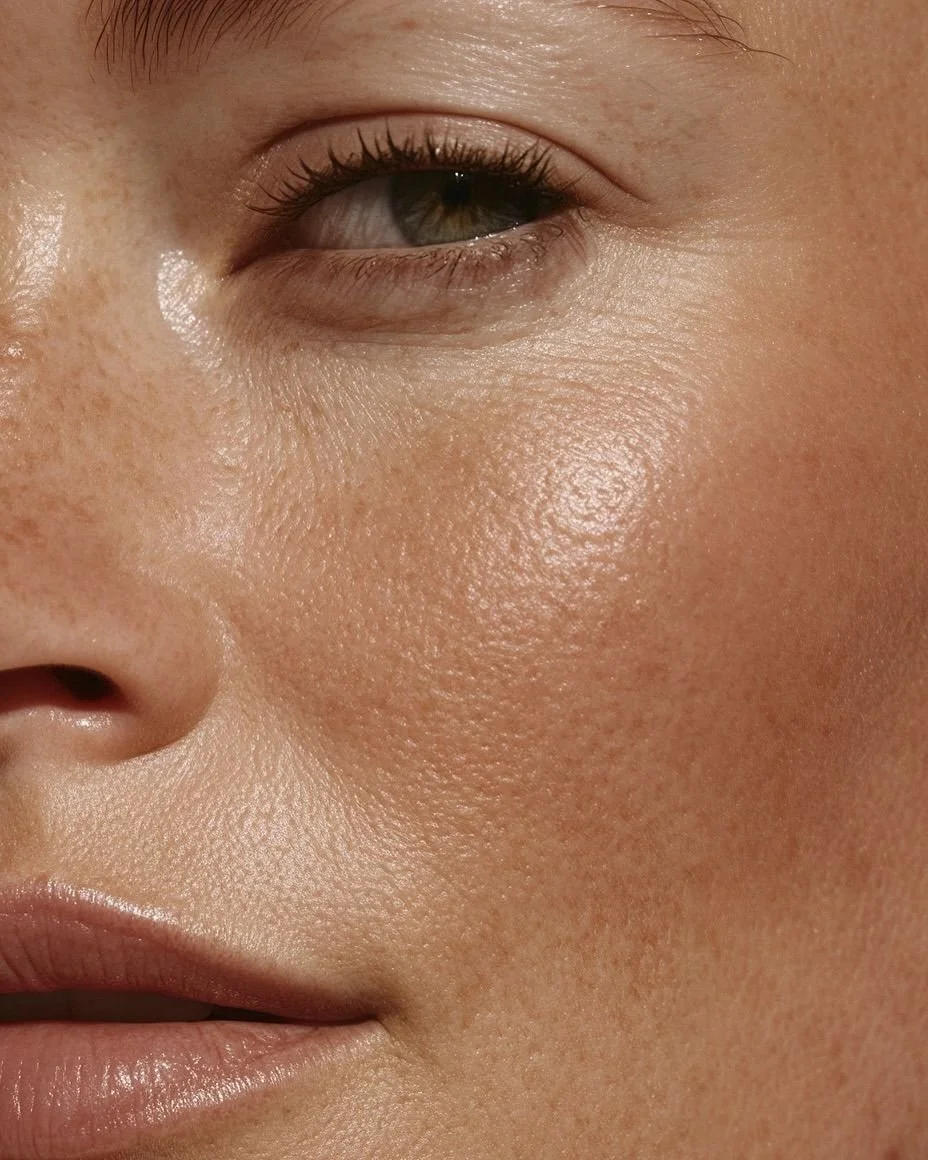
Image Instagram
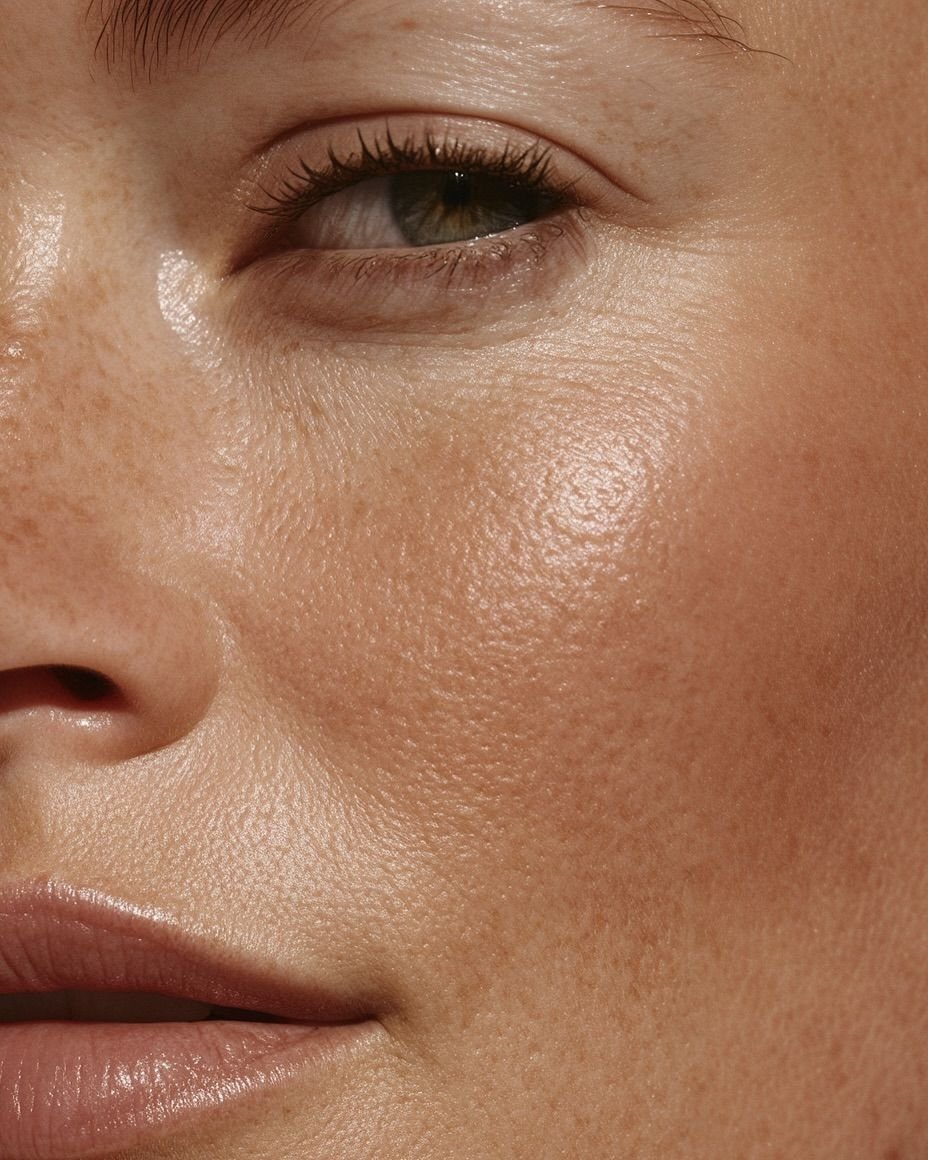
The skin barrier is your complexion’s first line of defence, helping to keep moisture and environmental irritants out. When it’s compromised, skin can become dry, tight, flaky, red or unusually sensitive — and suddenly, even products you’ve used for years can start to sting.
From barrier-supporting ceramides and fatty acids to the growing appetite for gentler routines, all in the name of skin barrier repair, which has become one of beauty’s biggest talking points.
Here’s what a damaged barrier may actually look like, what causes it, and how you can restore it without making things worse.
What is the skin’s barrier?
Think of the skin barrier as your complexion’s protective outer layer — a frontline defence between your skin and the outside world. Scientifically known as the stratum corneum, it sits at the surface of the epidermis and helps prevent water loss while keeping potential irritants, pollutants, and other environmental stressors out. Its structure is often compared to a brick wall: skin cells act as the “bricks”, while lipids such as ceramides, cholesterol, and fatty acids form the “mortar” that holds everything together.
When this structure is healthy and intact, skin is better able to retain moisture and protect itself. When the barrier becomes compromised, moisture can escape easily, and then skin may become dry, tight, flaky, red or unusually sensitive. The skincare you once found comfortable can suddenly sting, and even a simple routine can become irritating. This is why, in an era of increasingly active skincare, barrier health has become beauty’s new obsession — and sometimes, the best thing you can do for your skin is give it less to deal with.
How to repair your skin barrier
When your skin barrier is compromised, the instinct can be to reach for another mask or treatment. But barrier recovery is often less about adding and more about taking away. The first step is to strip your routine back to the essentials and give your skin time to settle.
Gentle cleansing
This is where to start. Choose a mild, fragrance-free cleanser and avoid scrubbing, exfoliating brushes and very hot water. If your skin is particularly dry or sensitive, you do not need to cleanse aggressively in the morning; switch to a refreshing micellar water and nourishing skin softener.
Moisturise generously
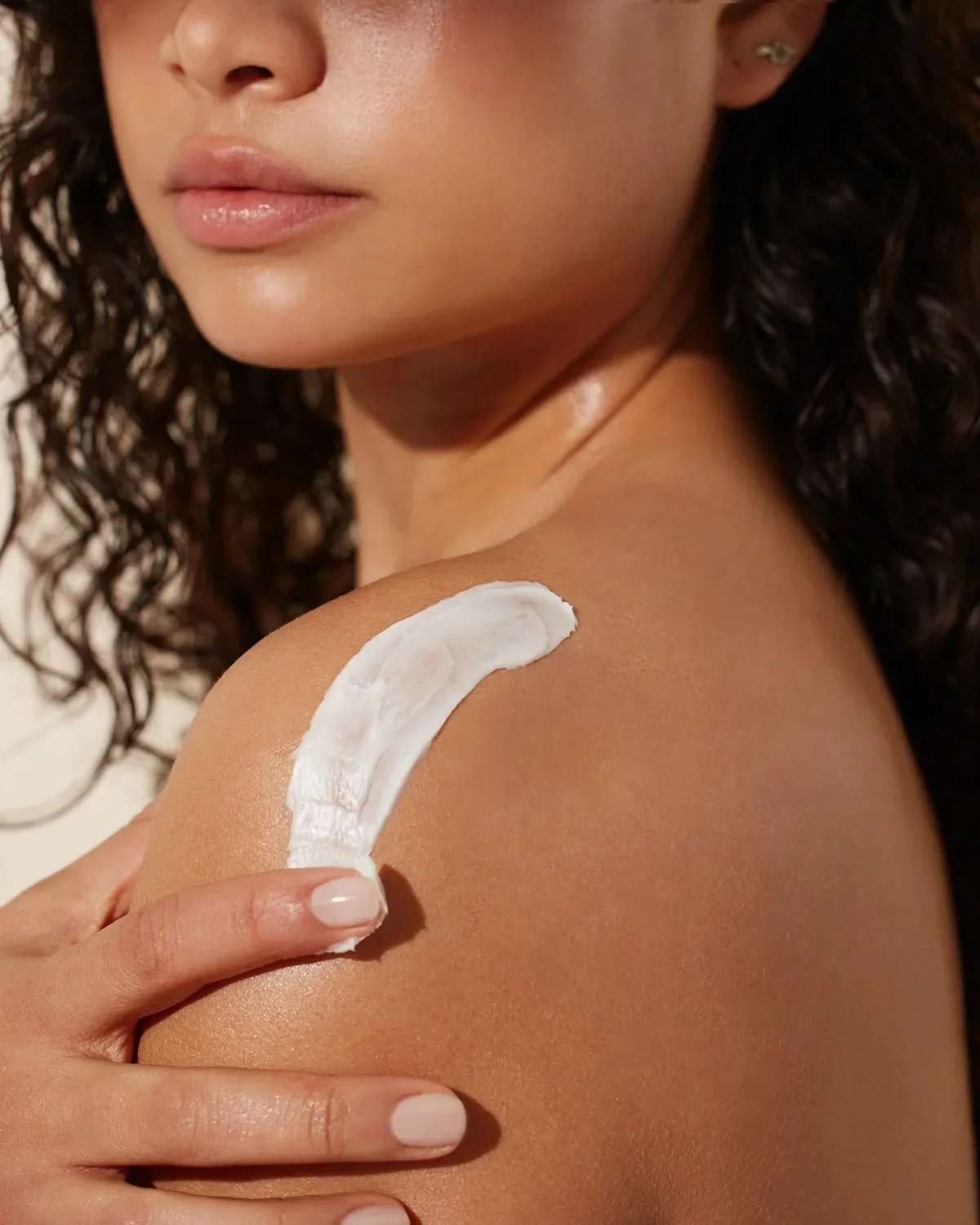
A good moisturiser helps reduce moisture loss while supporting the skin's natural barrier. Look for formulas containing barrier-supporting ingredients such as ceramides, cholesterol, fatty acids, glycerin, squalane and panthenol.
Pause the potent actives
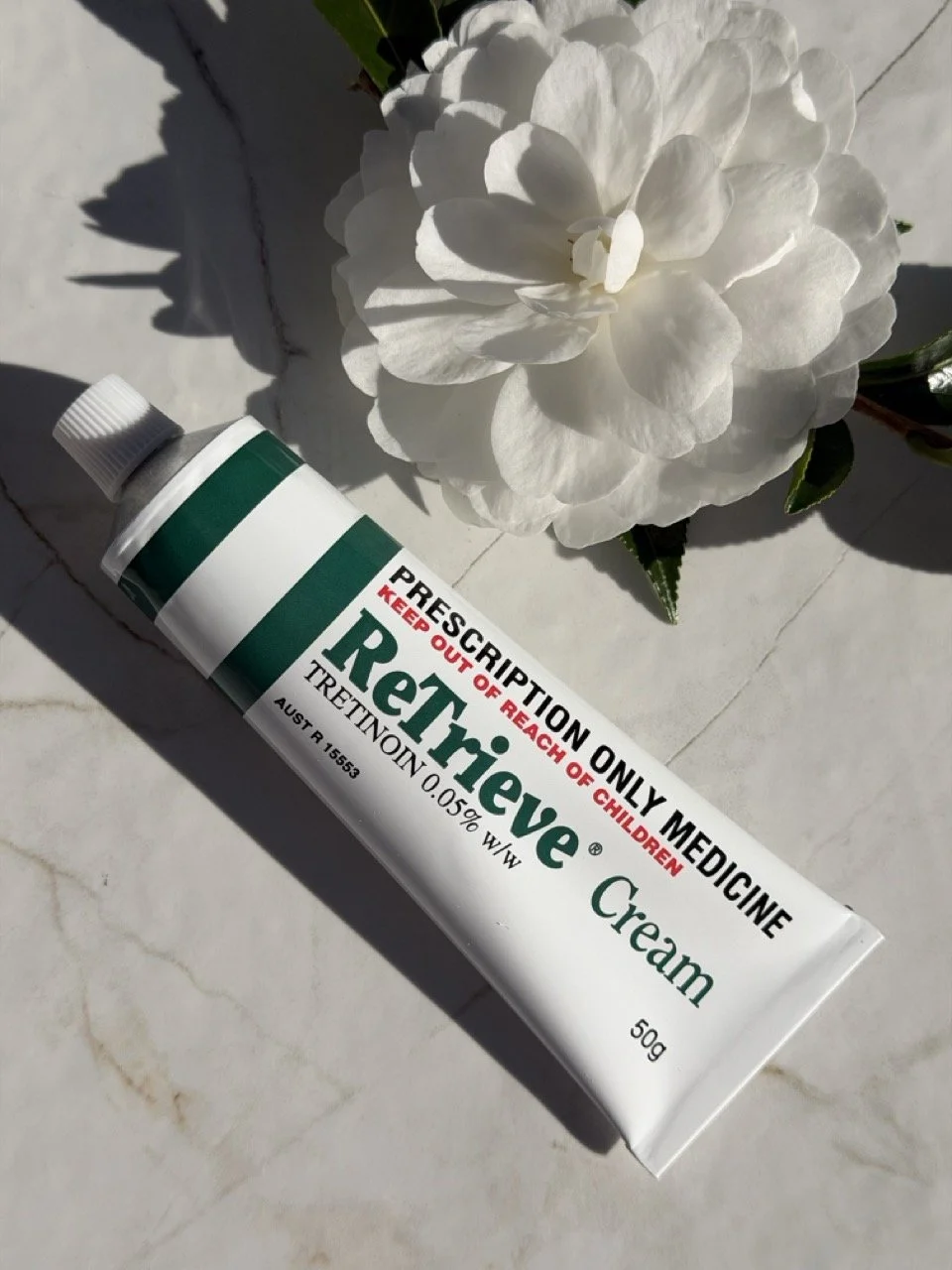
If your skin is stinging, peeling or unusually sensitive, temporarily step back from products that may cause further irritation — including strong exfoliating acids, scrubs and potentially retinoids. Once your skin has settled, you can gradually reintroduce these rather than returning to your full routine at once.
Always use SPF - every day
Daily broad-spectrum sunscreen is essential. UV exposure can contribute to skin damage and inflammation, so protecting the skin while it recovers is just as important as what you apply at night to nourish it.
Time is a healer
There is no overnight quick fix for a compromised barrier. Consistency matters more than constantly changing products. If your skin remains persistently inflamed, painful, cracked or unusually reactive, it's worth seeking advice from a dermatologist. Ultimately, repairing a stressed skin barrier isn't about finding a miracle product. It's about reducing irritation, restoring hydration, and providing the skin with the conditions it needs to reset and recover.
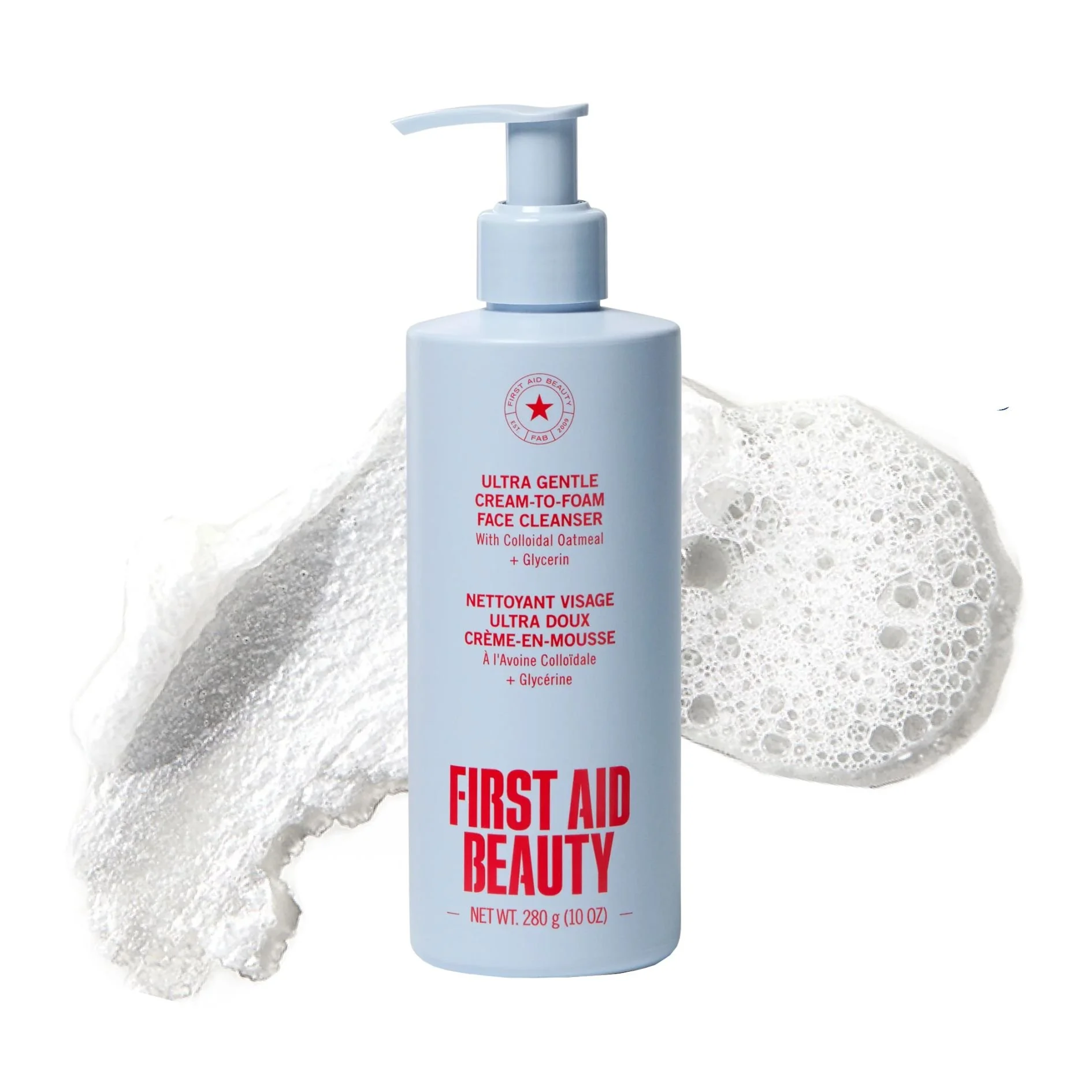
cleanser
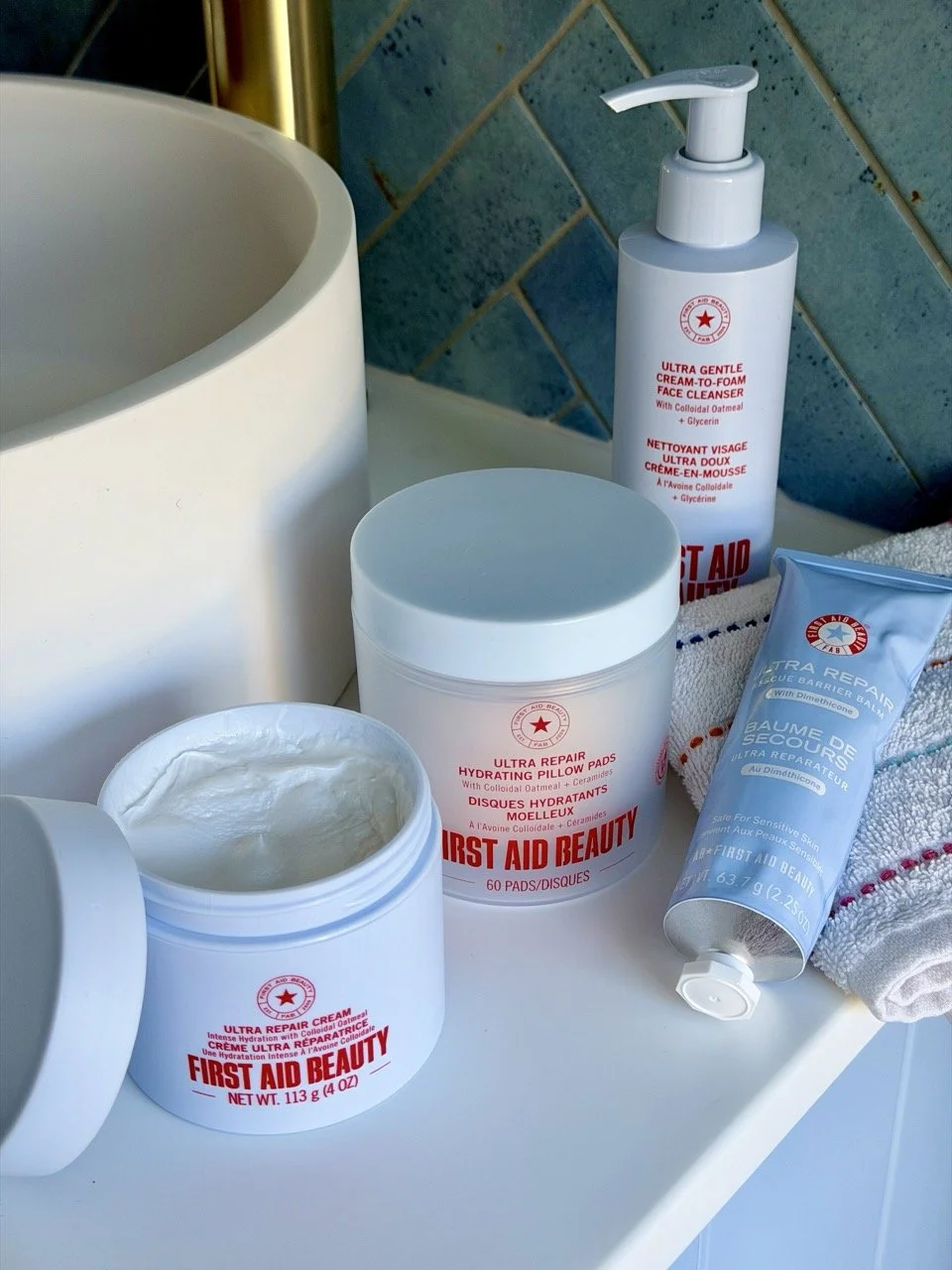
First Aid Beauty Cream-To-Foam Face Cleanser, from $30
Foam without the fallout. This cream-to-foam cleanser starts rich and creamy, then transforms into a soft lather that cleanses without leaving skin feeling stripped or tight. The formula is pH-balanced and designed to support the skin barrier, with colloidal oatmeal, glycerin, allantoin and aloe among its standout ingredients. Colloidal oatmeal is particularly beneficial for sensitive skin, while glycerin helps attract moisture and allantoin is known for its soothing properties. In other words: a cleanser that does its job without picking a fight with your skin barrier.
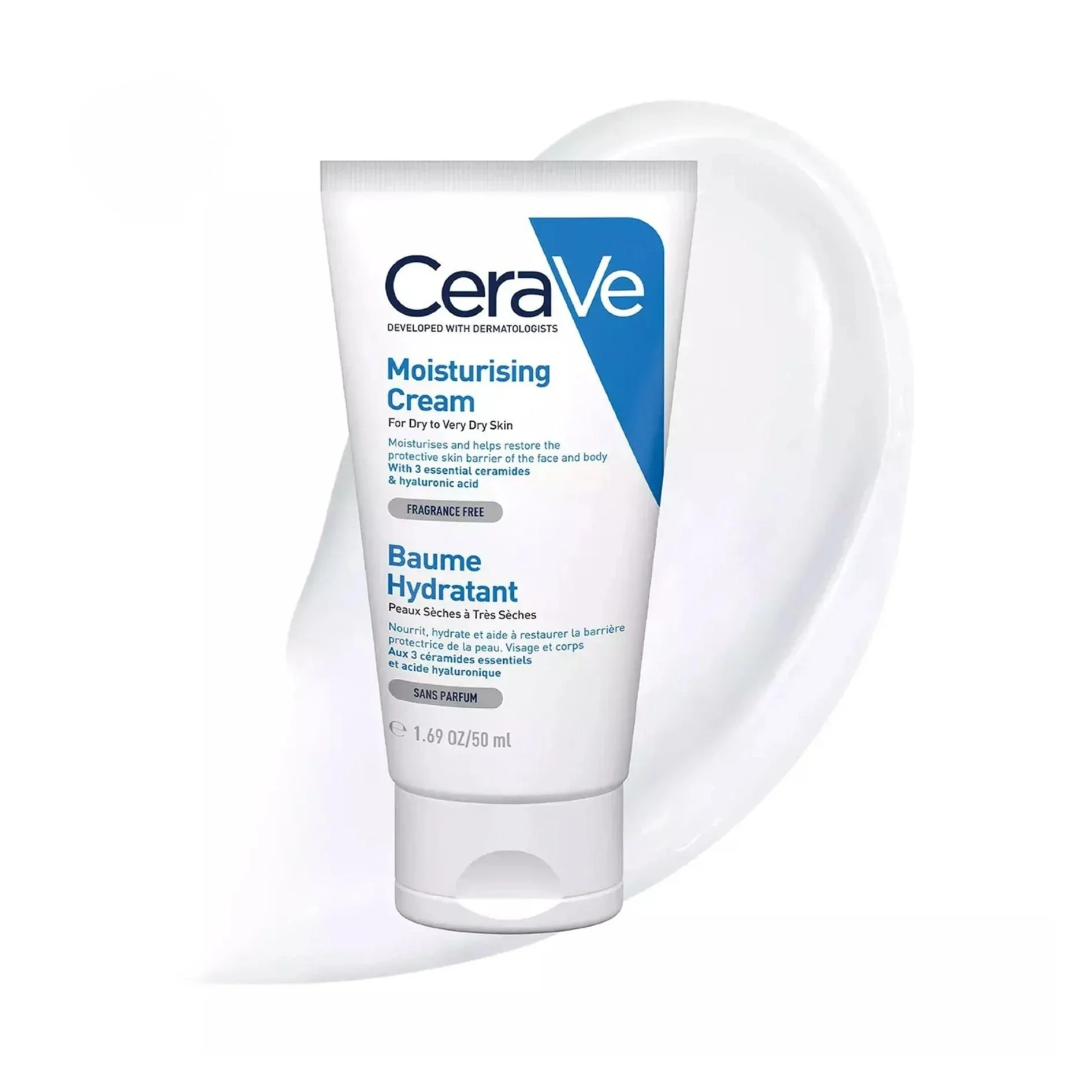
Moisturiser
CeraVe Moisturising Cream, $19
Dubbed the skincare workhorse, this lightweight cream is dependable and affordable when your skin feels tight, dry, or decidedly out of sorts. Its barrier-focused formula combines three essential ceramides, including NP, which helps strengthen the barrier and reduce moisture loss. Ceramide AP supports the lipids in the barrier and improves its ability to retain moisture. Ceramide EOP supports the resilience of the skin barrier. Those ceramides, along with cholesterol and hyaluronic acid, further replenish hydration levels and reinforce the skin’s natural defences to help you feel and look good again. It’s no-frills, just seriously good barrier skin repair.
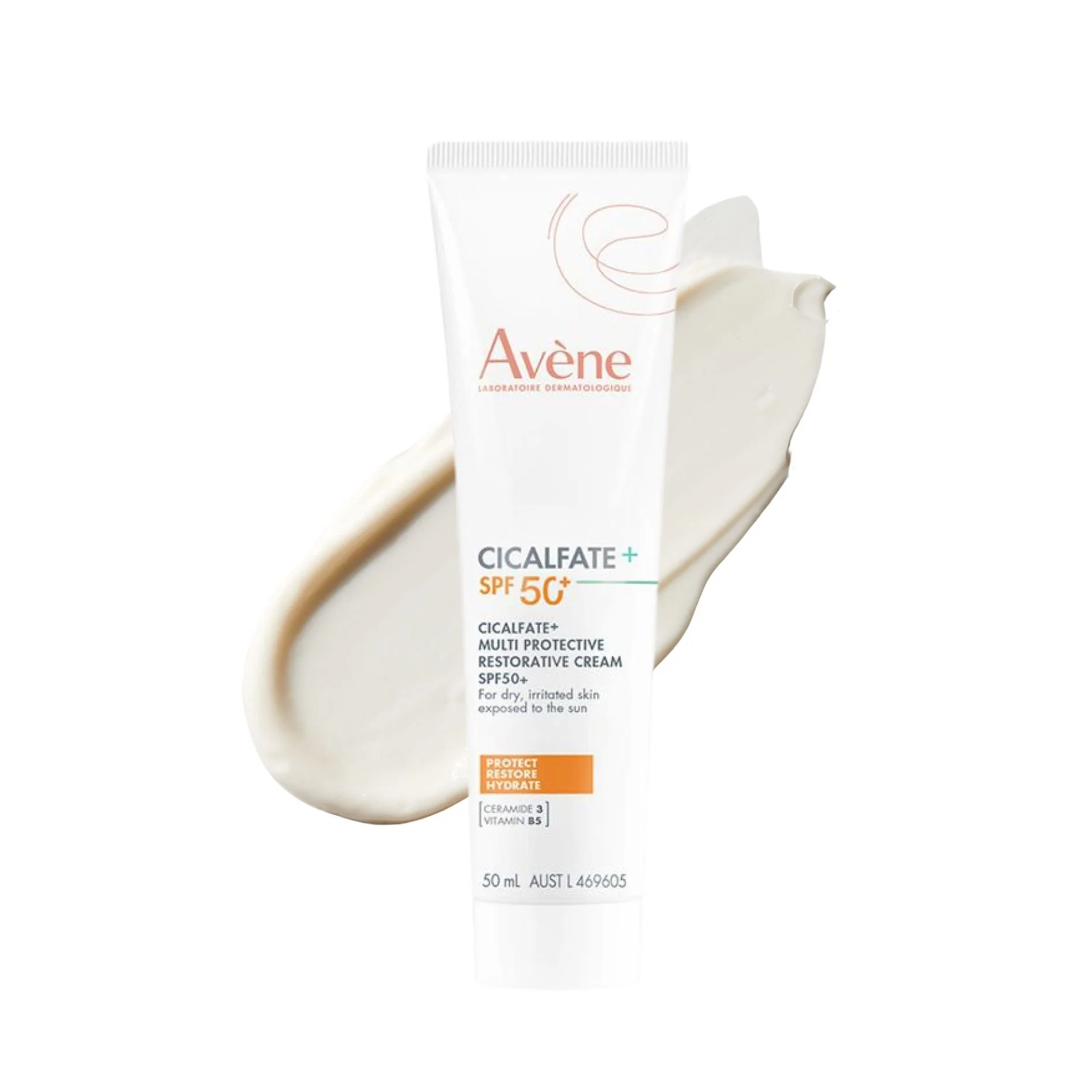
SPF
Avène Cicalfate+ SPF 50+, $45
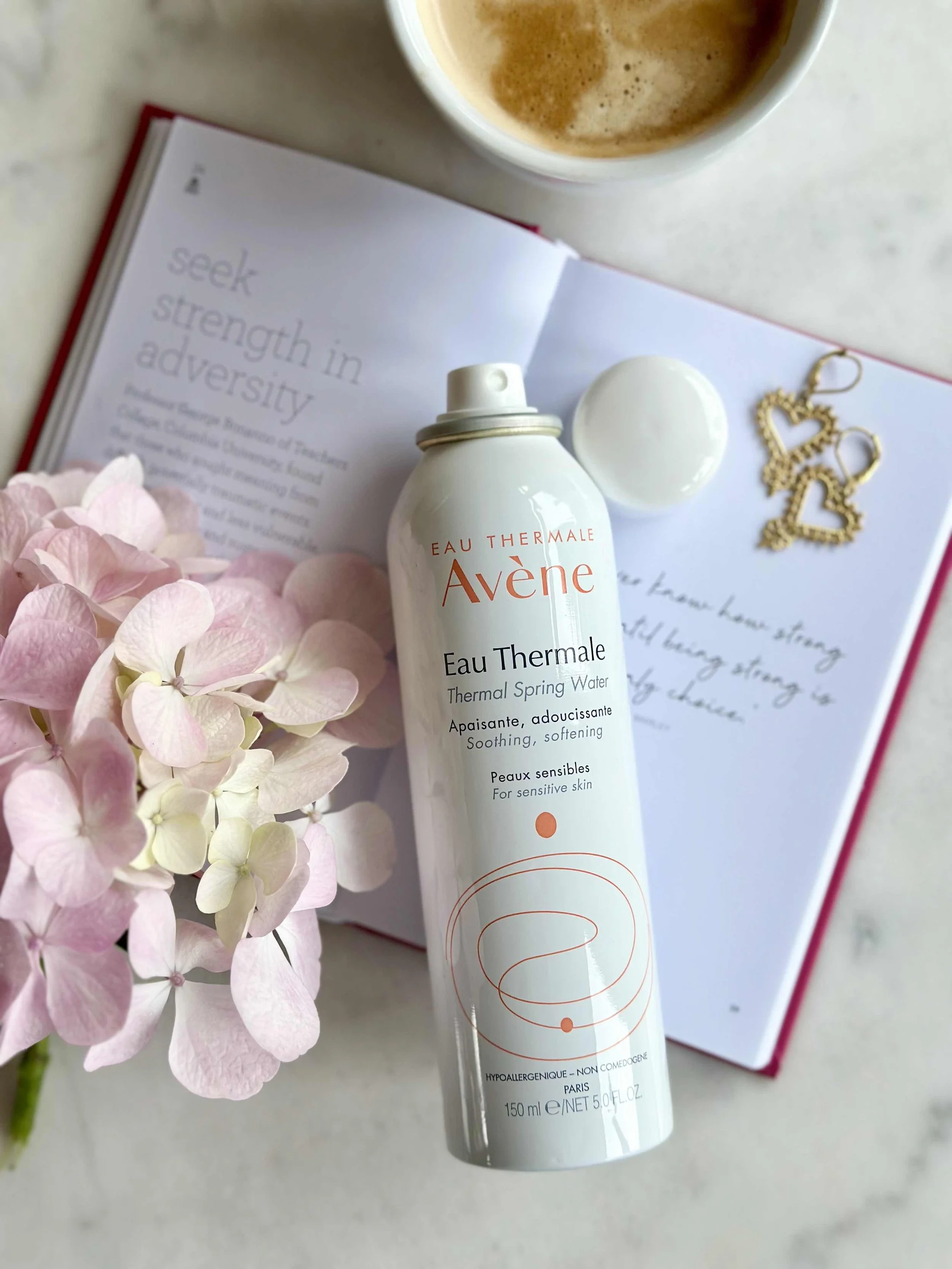
This is the best example where barrier repair meets SPF. A multitasker for skin that’s feeling a little fragile, this rich cream offers a soothing, barrier-supporting formula with C+Restore, Avène’s postbiotic ingredient, copper sulfate and zinc sulfate, designed to support skin recovery, as well as thier famous thermal spring water that soothes sensitive skin. It also offers high SPF protection with a blend of mineral and organic UV filters. Think of this cream as a protective layer of armour for your skin barrier — with SPF 50+ built in.








And how can I fix it?