
Hypochlorous acid has become one of the most talked-about skincare ingredients in recent years—and for good reason. Known for its antimicrobial and anti-inflammatory properties, hypochlorous acid can help support healthy skin, reduce acne-causing bacteria, and calm irritation. To better understand the hype, we get expert advice, says Editor Trudi Brewer.
Image BeautyEQ
Once recognised as a disinfectant during the COVID-19 pandemic, hypochlorous acid is now among the most-searched skincare ingredients and has earned its place in many skincare regimes. Also known as HOCl, chlorine hydroxide, hydrogen hypochlorite, and chloramine, discover how this clever ingredient could slip into your daily routine and benefit your complexion. New York-based Dr Hailey Brickman explains how.

Dr Hailey Brickman
What is Hypochlorous Acid?
Hypochlorous acid is an antimicrobial acid made of hydrogen, oxygen, and chlorine found naturally in the human body. The production of hypochlorous acid in the body is stimulated by the white blood cells to fight off bacteria and infection in the skin. In the last few years, this notorious acid made its way to the headlines as a lethal cleaning agent in fighting off the COVID-19 virus. With its anti-inflammatory properties, it’s no wonder that this ingredient has recently found its way into the conversation of acne-prone and other forms of skin care.
What are the Benefits of Hypochlorous Acid?
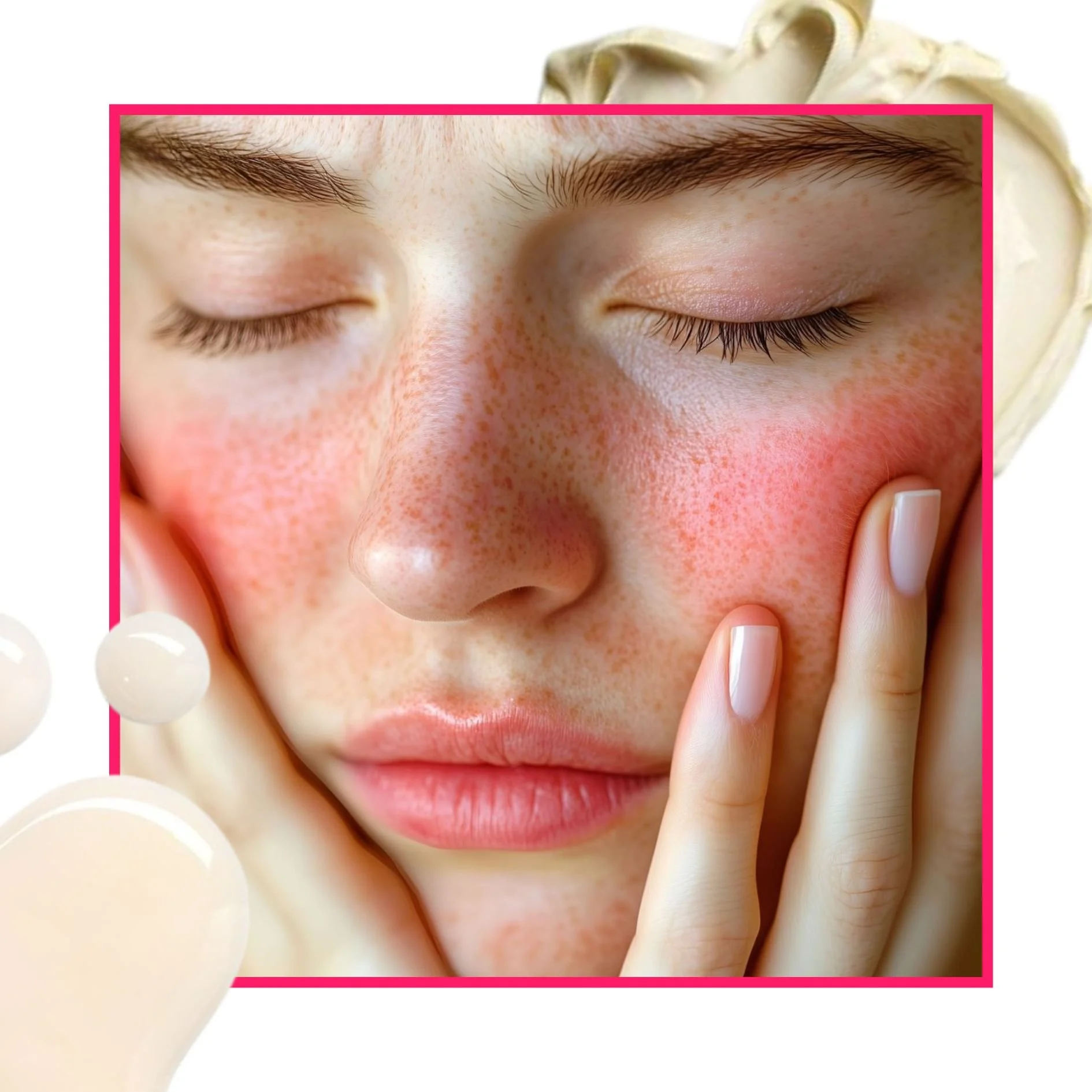
When it comes to treating acne, one key mechanism is fighting off bacteria on the skin that can clog pores and cause acne flares. As an antimicrobial, hypochlorous acid effectively kills bacteria, accelerates wound healing, and repairs skin damage. However, the benefits of hypochlorous acid extend beyond acne treatment. Its ability to combat inflammation on the skin also makes it a valuable ingredient in the treatment of other dermatological conditions, such as eczema, psoriasis, rosacea, and other dermatoses. Additionally, hypochlorous acid can help reduce itching and treat skin flaking and redness.
Where Does Hypochlorous Acid Fit Into a Skincare Routine?
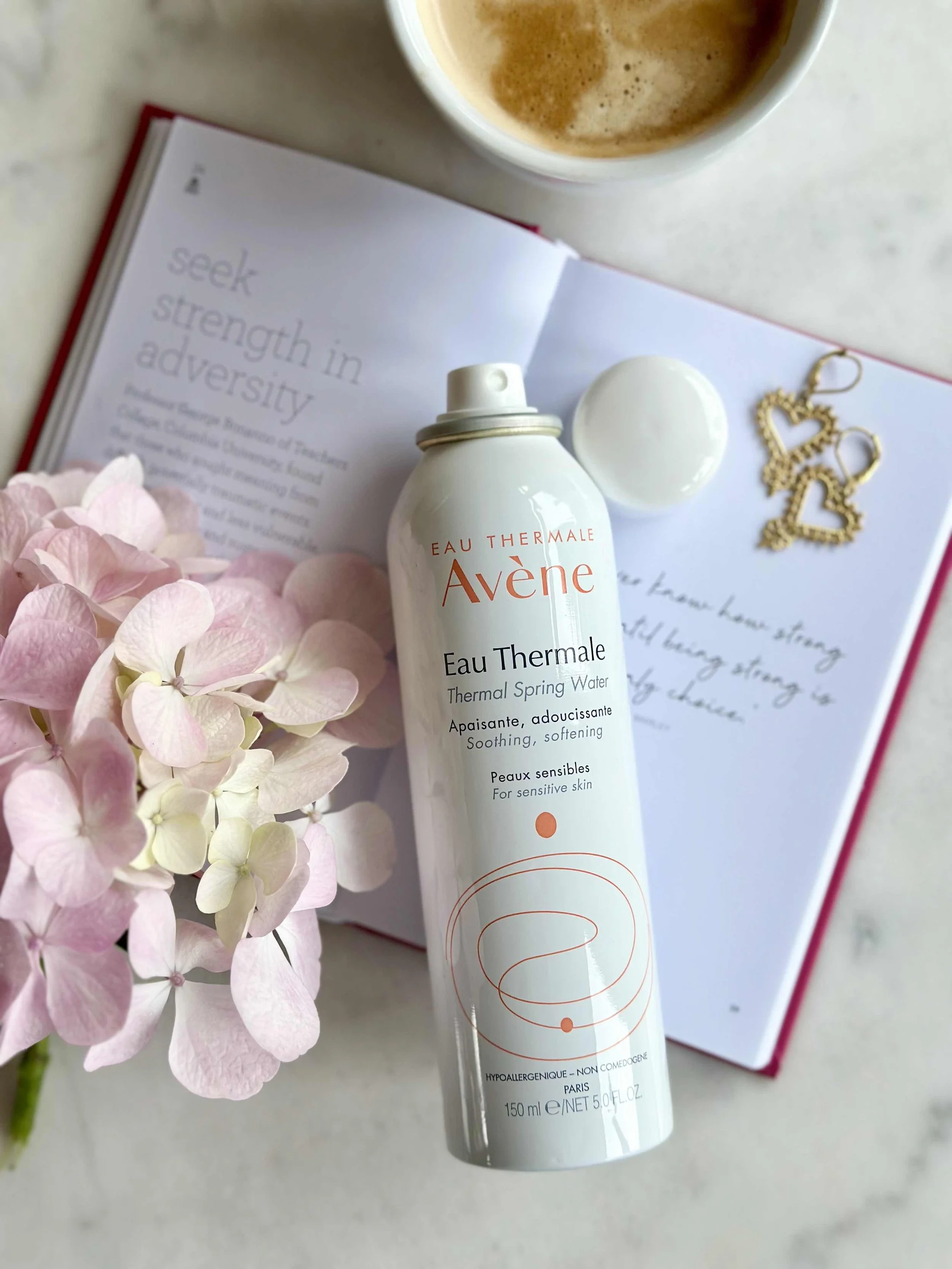
Typically formulated as a spray, the best part about these is their ability to absorb quickly into the skin and their convenience for on-the-go use. One of my favourite ways to incorporate hypochlorous acid into a skin care routine is as a facial mist right after a workout. What better way to kill off any potential bacteria on the skin after sweating your face off at a hot yoga session? Its lightweight formula also works well as a facial spray directly after washing your face, before applying other topical serums or creams.
Any Downsides to Hypochlorous Acid?
As with any product, even ones intended for sensitive skin types, hypochlorous acid may cause irritation, redness, itching, or dryness when applied to the skin. I always advocate for cautious use when incorporating new products into a routine, to start low and slow. Typically, I recommend starting a new product once or twice a week and gradually increasing its use as tolerated.
Final Take-home
Hypochlorous acid appears to be a valuable ingredient in the treatment and prevention of various dermatological conditions, such as acne and certain inflammatory disorders. I wouldn’t be surprised if it became more integral in how we, as providers, address these types of conditions. However, with hypochlorous acid, formulation is key. I always advise patients to pay attention to ingredients in their products, such as alcohol or other skin irritants. Typically, hypochlorous acid is formulated with only water and sodium chloride. As with most approaches, sometimes simpler is better.
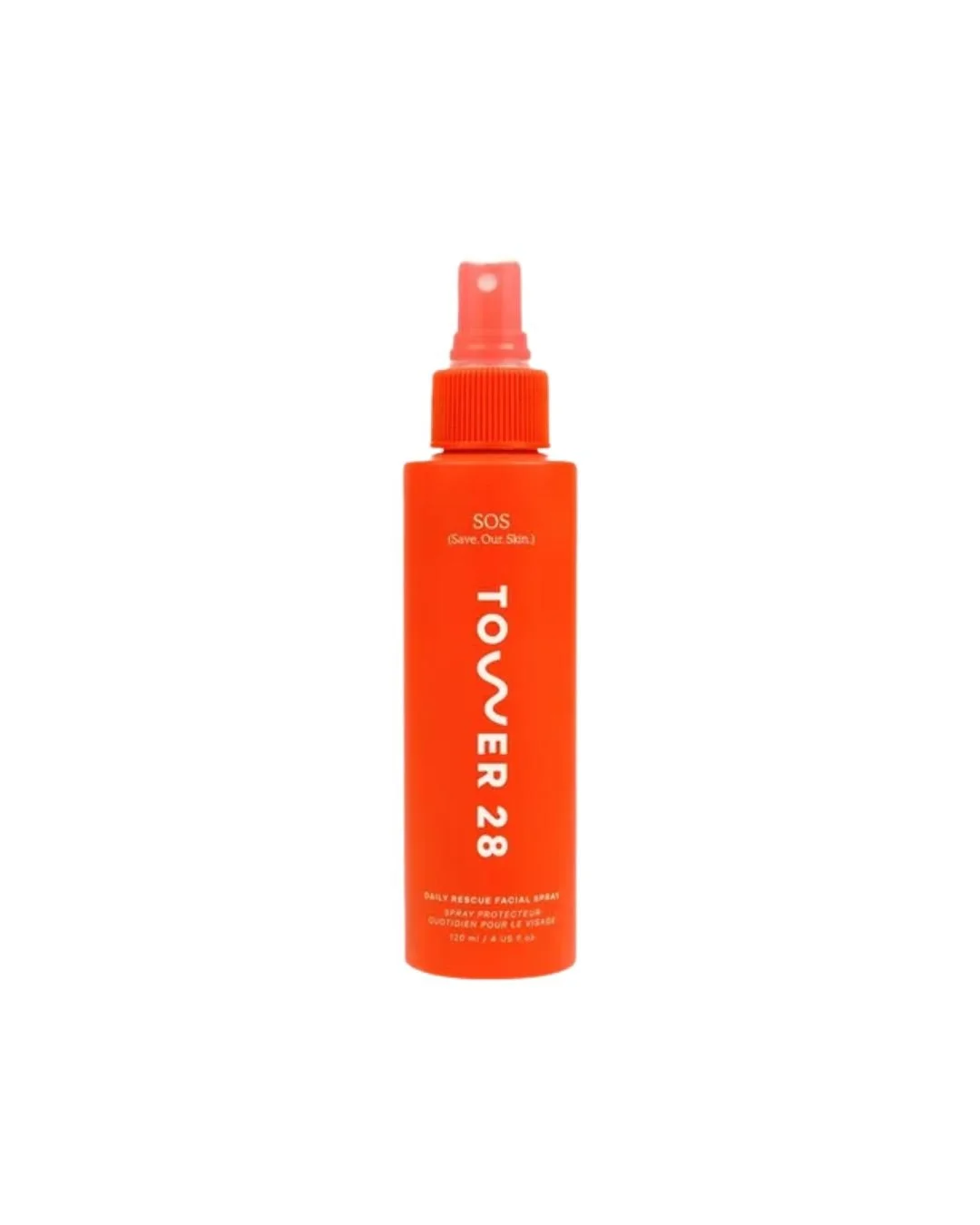
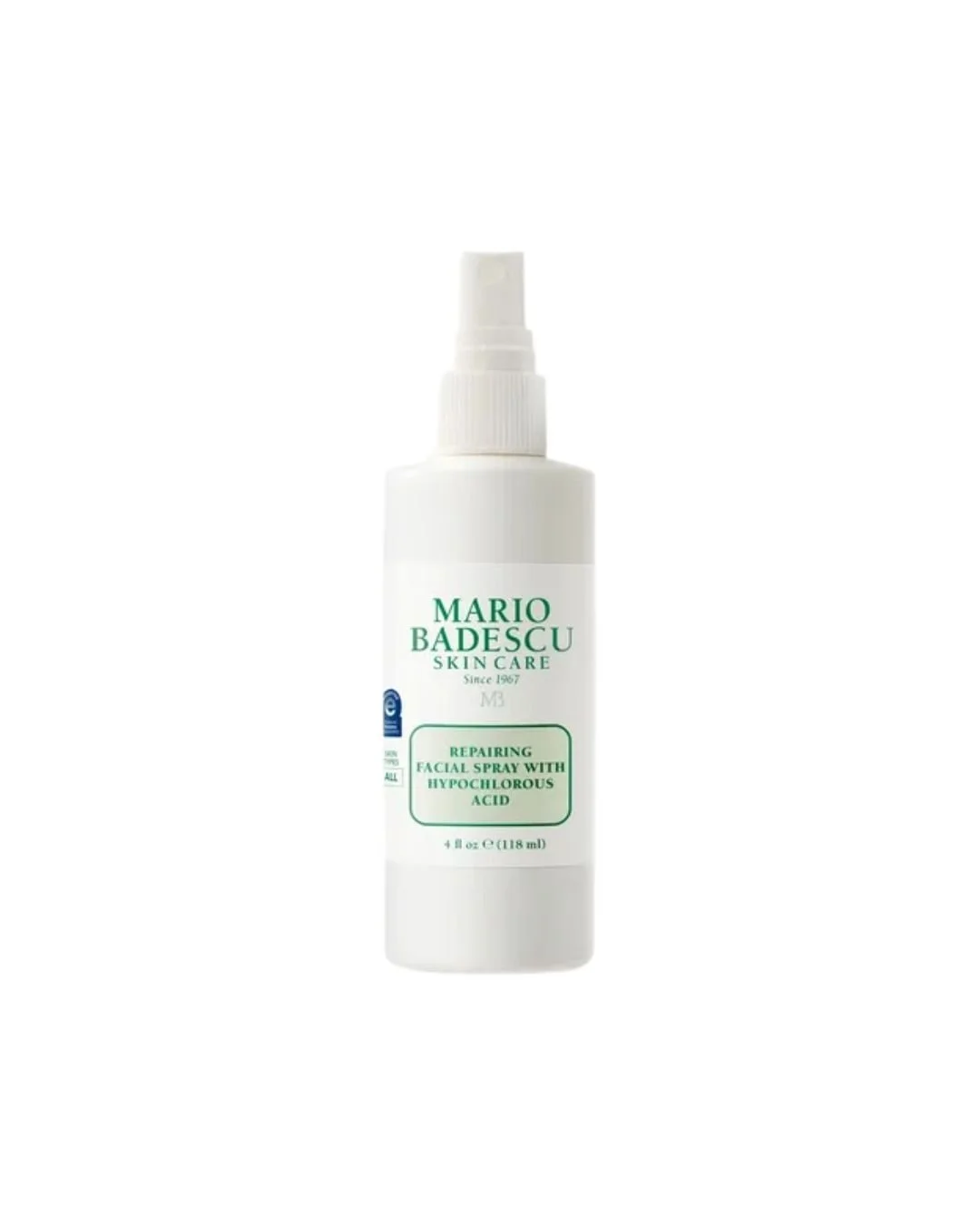
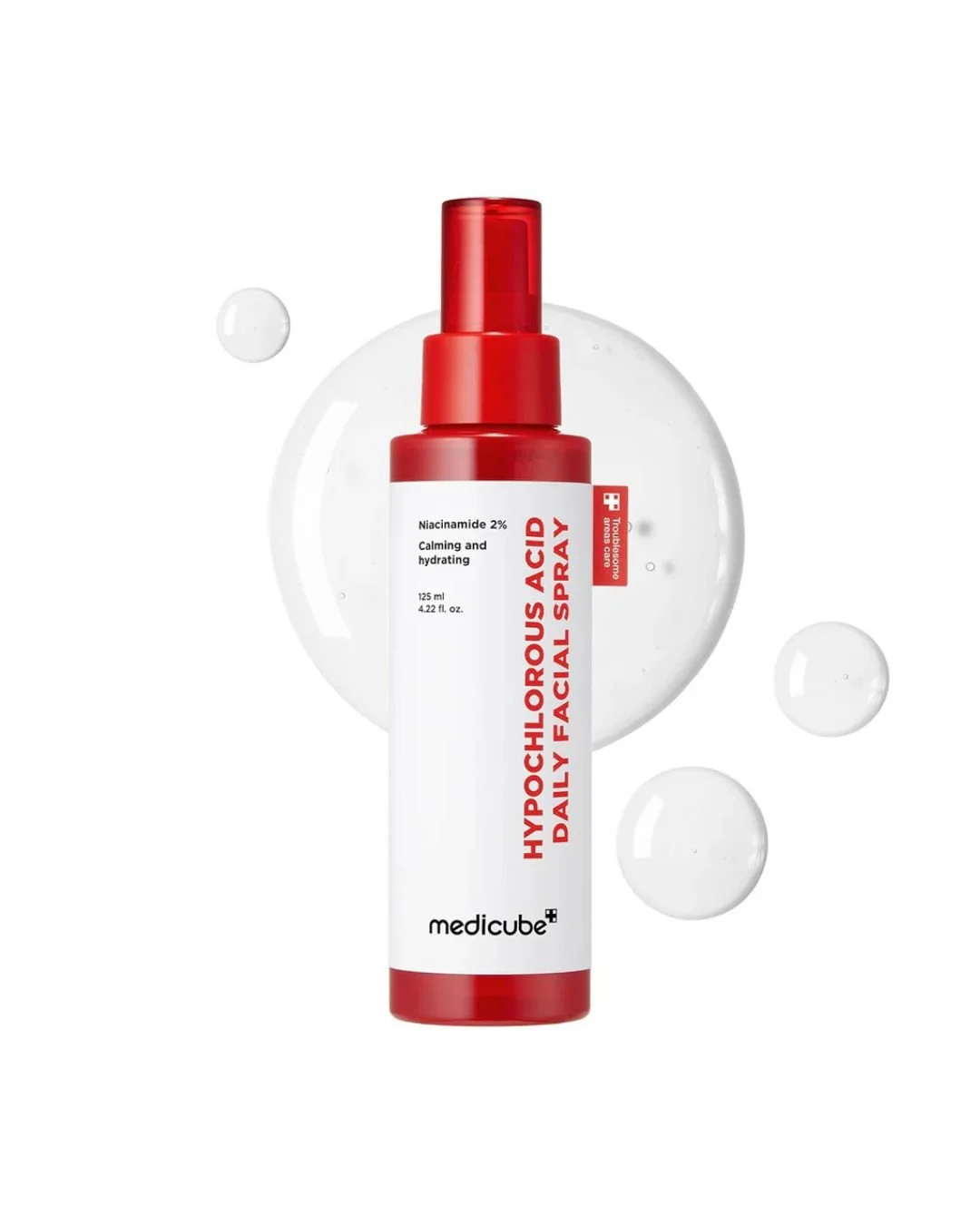
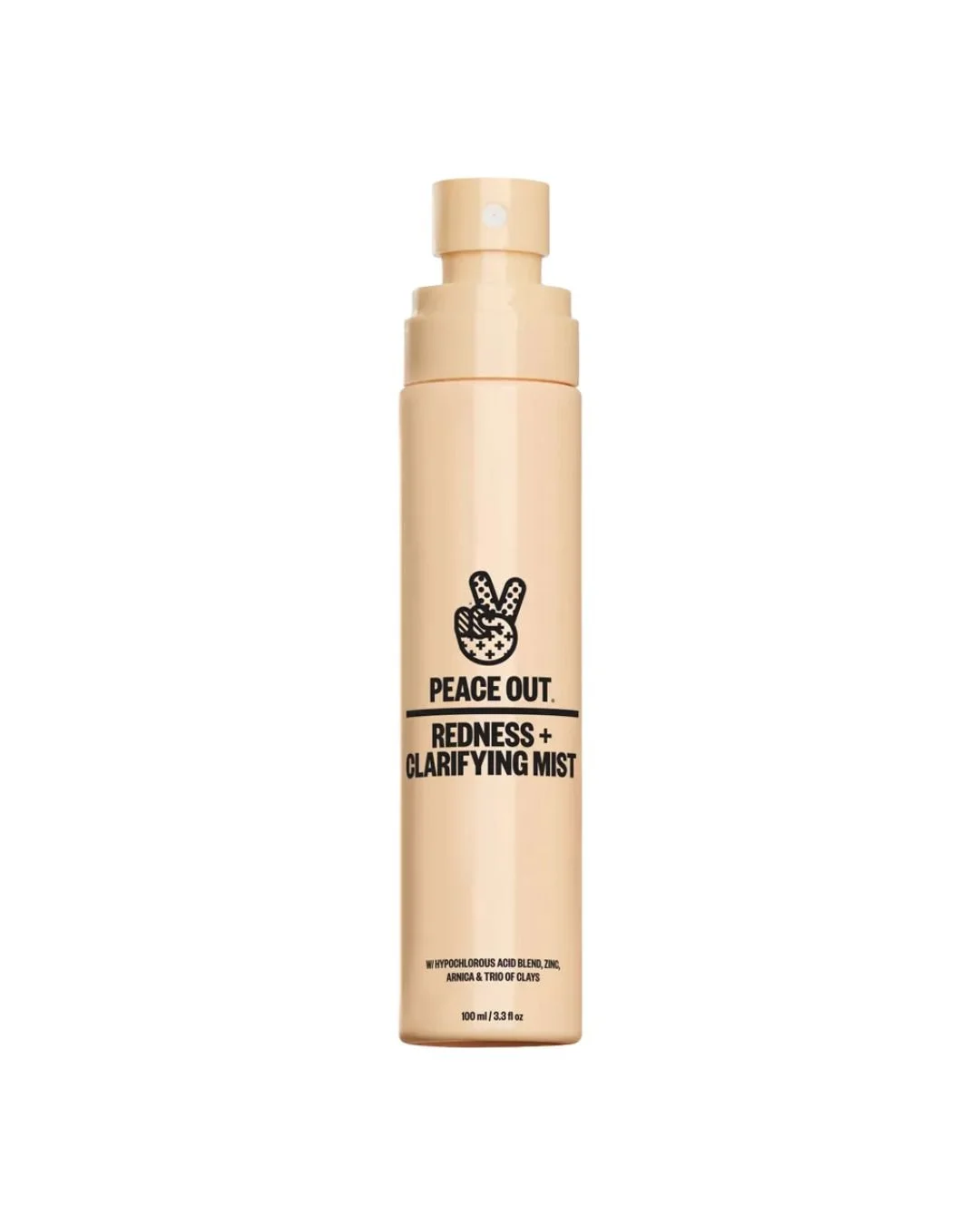
Skin mists containing hypochlorous acid
Tower 28 SOS Daily Rescue Facial Spray, $55. Mario Badescu Repairing Facial Spray With Hypochlorous, $36. Medicube Hypochlorous Acid Daily Facial Spray, $43. Peace Out Skincare Redness + Clarifying Mist, $57.


And how can I fix it?