
If you’ve heard about the so-called salmon sperm facial, you’re not alone. Although it may seem shocking and even unappealing (much like a snail mucus facial), skincare professionals are taking this celebrity-favoured treatment seriously. Media commentator and dermatologist Elaine Kung from Future Bright Dermatology explains what this trending ingredient is, how it works, and whether it lives up to the hype. Spoiler alert: There is genuine science behind it. By editor Trudi Brewer.
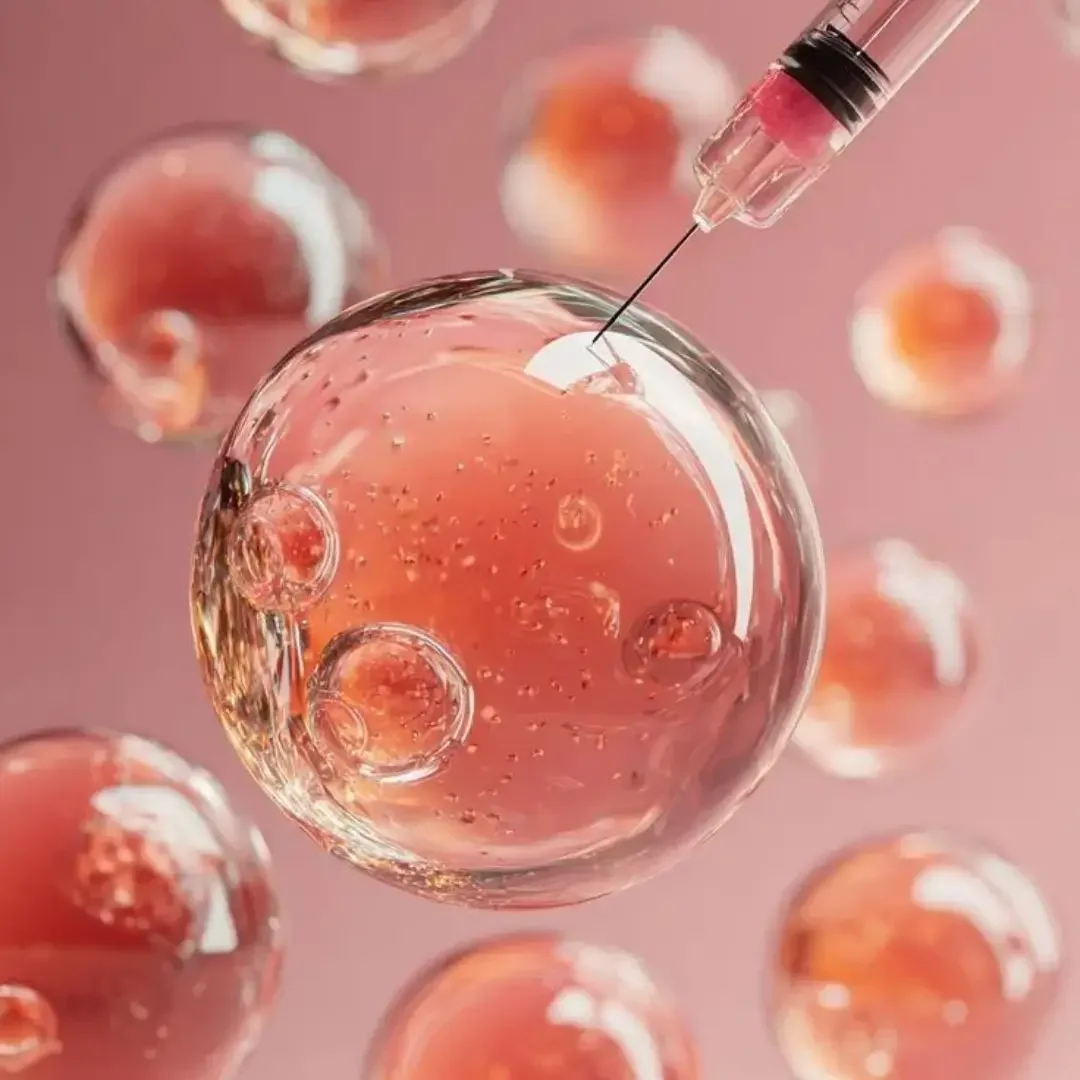
Image Instagram
Move over, hyaluronic acid. There’s a new skincare buzzword making its way from aesthetic clinics into beauty cabinets everywhere — PDRN. Short for polydeoxyribonucleotide, PDRN has quickly become one of the most talked-about ingredients in the world of skin rejuvenation, thanks to its reputation for supporting the skin’s natural repair processes and helping create a smoother, healthier-looking complexion. But what exactly is PDRN, and is the hype real? Or has it become such a beauty-industry obsession that it's really the next big thing in skin care?
From in-clinic treatments to increasingly sophisticated at-home formulas, PDRN is appearing everywhere — promising to help skin look more hydrated, resilient and refreshed. And while the science behind it is far more interesting than the latest beauty trend alone, its rise signals a bigger shift in skincare: less about simply covering imperfections, and more about supporting the skin itself.
Below, dermatologist Elaine Kung explains PDRN — what it is, how it works, and whether this much-hyped ingredient deserves a place in your beauty routine.
It’s not what it sounds like
“We’re not talking about going out to the fish market, buying salmon sperm and smearing it all over your face,” says Dr Kung. “That is not what the rage is.” So what is it then? “Salmon sperm DNA fragments are actually short-chain DNA fragments called polydeoxyribonucleotide or PDRN for short. They are actually extracted from salmon seminal fluid and highly purified to make into cosmetic skin care,” she explains.
The science behind it
Polydeoxyribonucleotide (PDRN) consists of DNA fragments with molecular weights primarily extracted from the sperm cells of salmon or trout. Many preclinical and clinical studies have shown that PDRN exhibits diverse properties. These include anti-inflammatory, anti-apoptotic, anti-osteoporotic, anti-melanogenic, anti-allodynic, anti-osteonecrotic, bone-regenerative, tissue-damage-preventive, anti-ulcerative, and wound-healing properties. Moreover, PDRN promotes cellular activity, collagen synthesis, soft-tissue regeneration, and skin priming and revitalisation, and can be used to treat hyperpigmentation. As an anti-ageing agent for the skin, it shows remarkable promise.
The benefits go beyond g.low
Whether it’s used at home or in a dermatologist’s office, PDRN offers a range of skin benefits. “So when we think about treatments either in the topical form, like a daily skin care item, or as an adjunct to another procedure like microneedling or laser procedures, we’re thinking of benefits on a more superficial level,” explains Dr Kung. “So it would be better skin texture and also like a glow from the procedure; there’s a nice brightening effect.” It can also help with common skin concerns, says Dr Kung. “It works well for dryness, dehydration, sensitive skin, rosacea, some dullness, and an uneven skin tone. And because PDRN is highly purified, it’s not irritating.”
It works even better with collagen-boosting treatments
Because our skin is designed to keep things out, applying PDRN on its own doesn’t go very deep. “These serums work best when combined with treatments like microneedling or laser,” explains Dr Kung. “That temporarily opens the barrier so the ingredient can penetrate where it needs to.”
Injectable versions exist
In Korea, PDRN is widely used in injectable form, and Rejuran is the most recognised brand. It’s one of several salmon DNA–based injectables on the market, but it’s gained popularity for its safety record and visible results. In the injectable format, it delivers short-chain DNA fragments from salmon sperm directly into the dermis (the deep layer of the skin), where fibroblasts produce collagen and elastin (key to how skin feels and looks); it stimulates cellular repair.
It’s sustainable
Despite the name, this is a highly purified ingredient that is safe for most skin types. “Salmon sperm is a byproduct of the fishing industry,” explains Dr Kung. “Instead of being discarded, it’s upcycled and processed in labs where the DNA is extracted and cleaned to remove anything that could irritate.” She adds that PDRN works well alongside other ingredients, such as vitamin C or retinoids, and can be layered without issues.
It is also in skincare
From serums to moisturisers, more brands are formulating with salmon-derived DNA to support skin repair, hydration and that coveted glass-skin glow. Dr Kung has personally tested dozens of these products and brought some of her favourites back from Korea. “I really do think that because PDRN is highly purified, it’s not irritating,” she says. “If you find a brand that puts it in its moisturiser, it really does help give you a nice radiant glow like the glass skin that people talk about.” It also layers seamlessly with other active ingredients. “It works well with everything else that we might be doing for maintenance. It works well with Botox, dermal fillers, lasers,” she adds. “If you actually get a product that has PDRN in the moisturiser, it will play very well with our other favourite ingredients, like a vitamin C serum or a retinoid. They do not counteract each other.”
There is no doubt that K-Beauty brands recognise the benefits of PDRN for the skin. And right now, they offer some of the best PDRN-infused skincare. Here are some of the affordable brands we rate.
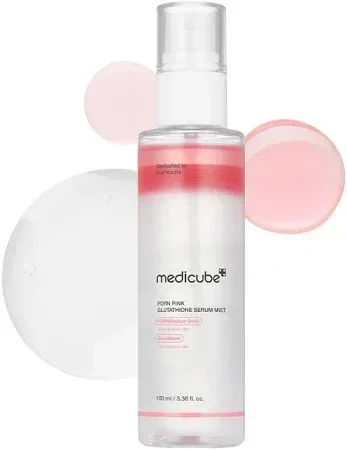
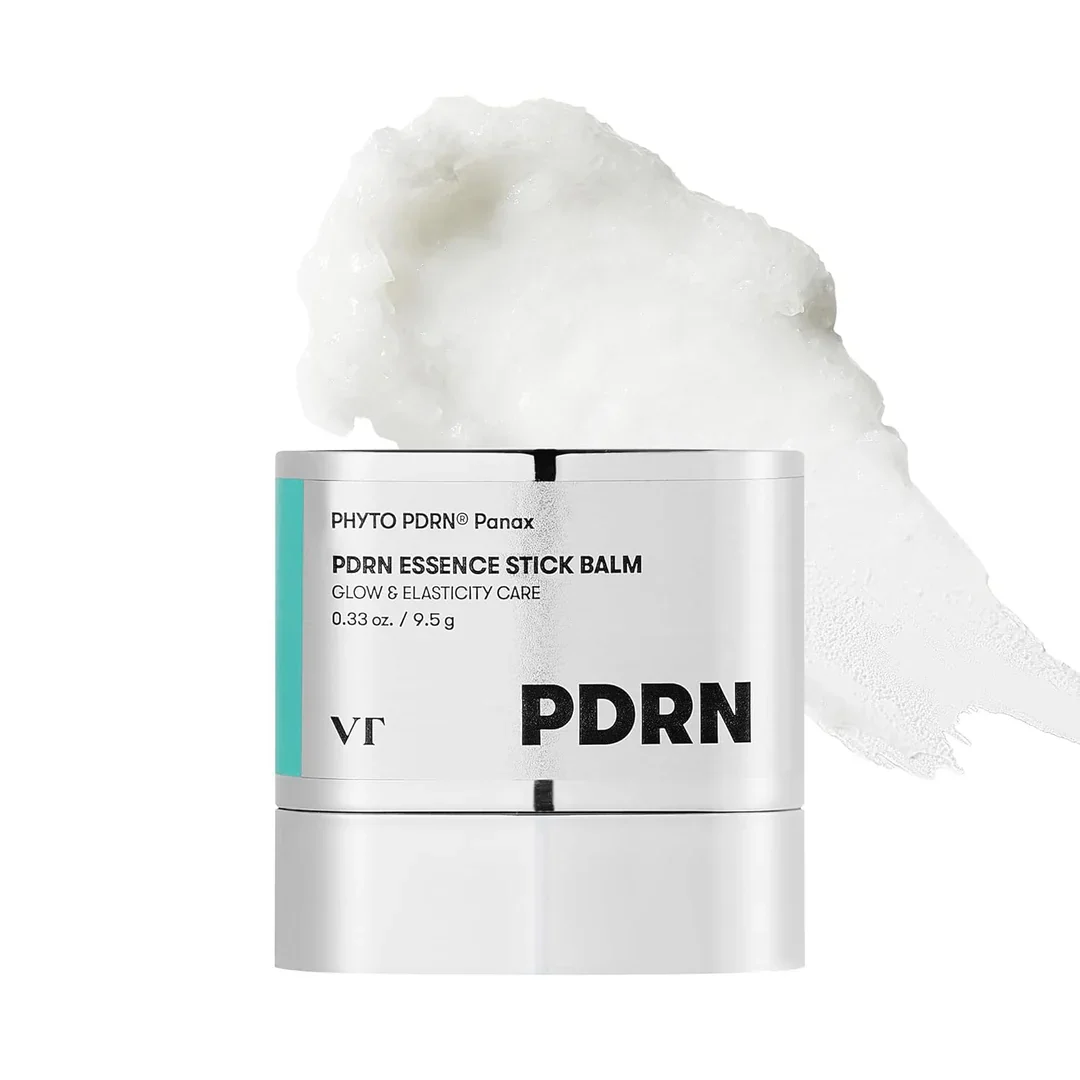
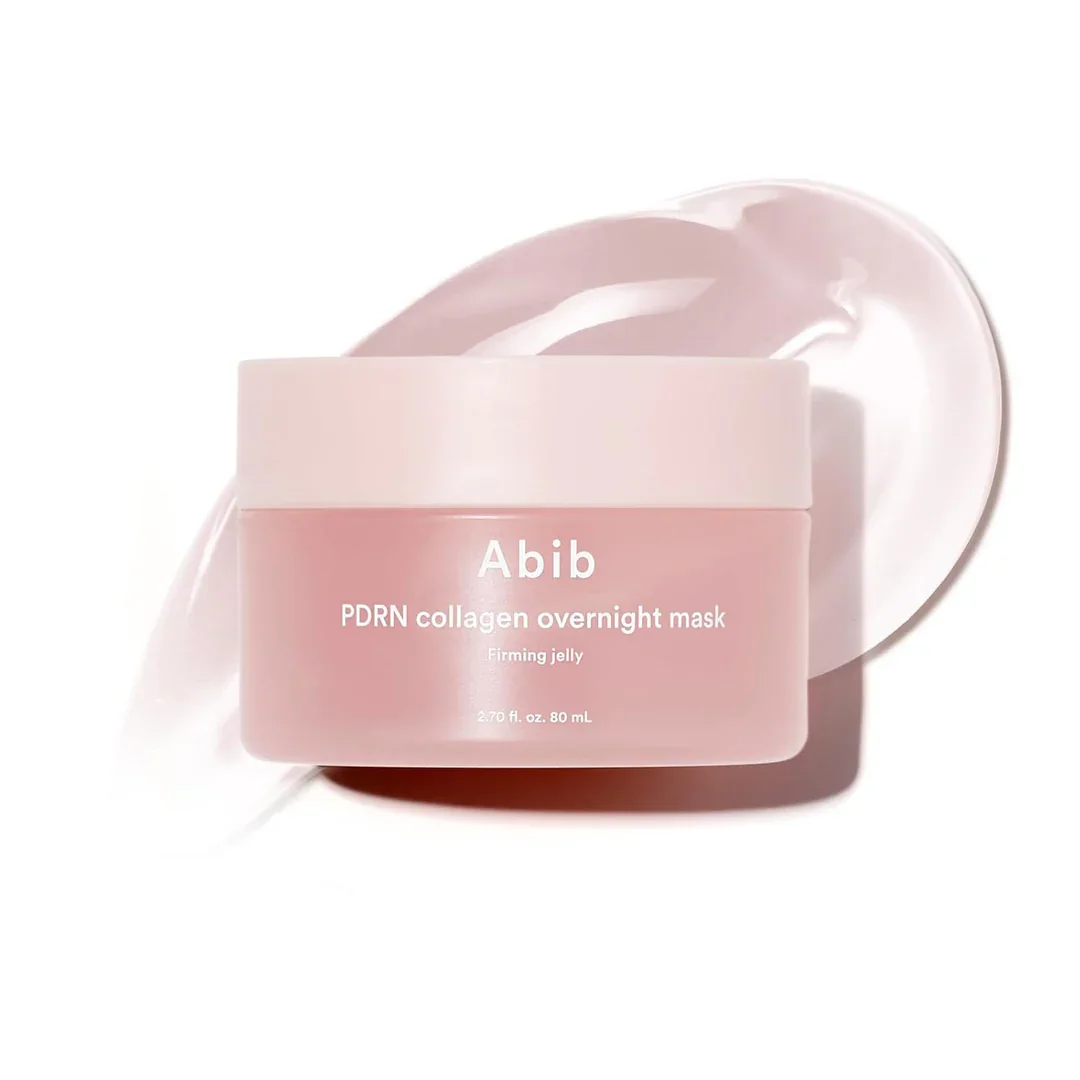
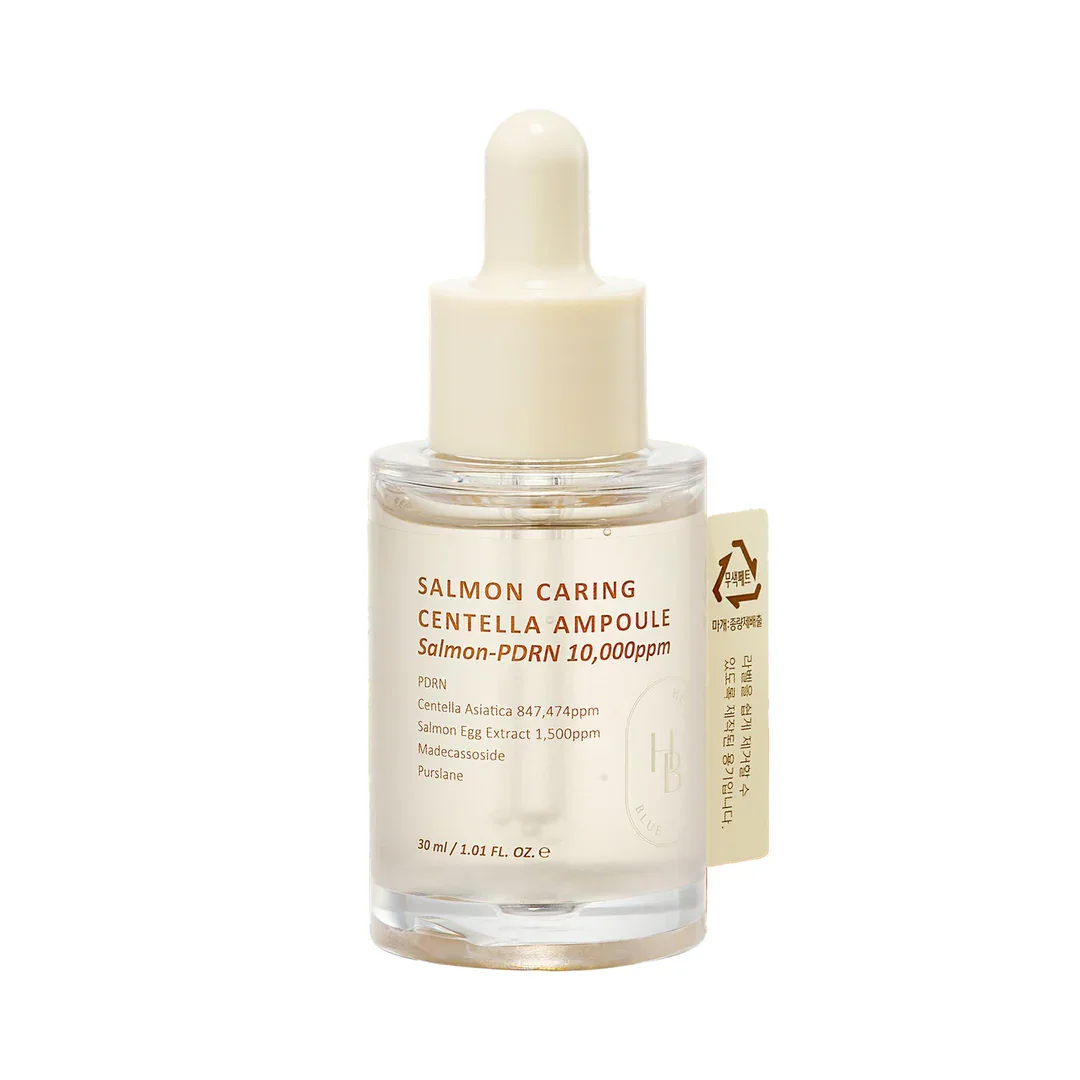
Medicube PDRN Pink Glutathione Serum Mist, $54. VT Cosmetics PDRN Essence Stick Balm, $53. Abib PDRN Collagen Overnight Mask Firming Jelly, $38. Heveblue Salmon Caring Centella Ampoule, $54.
And how can I fix it?