
Puffy eyes are one of those beauty concerns caused by a surprisingly long list of things — from lack of sleep and fluid retention to ageing, genetics, and lifestyle. And because the cause matters, so does the solution. We asked a dermatologist to break down what’s really behind under-eye puffiness, why it happens and, most importantly, what you can actually do about it. By editor Trudi Brewer.
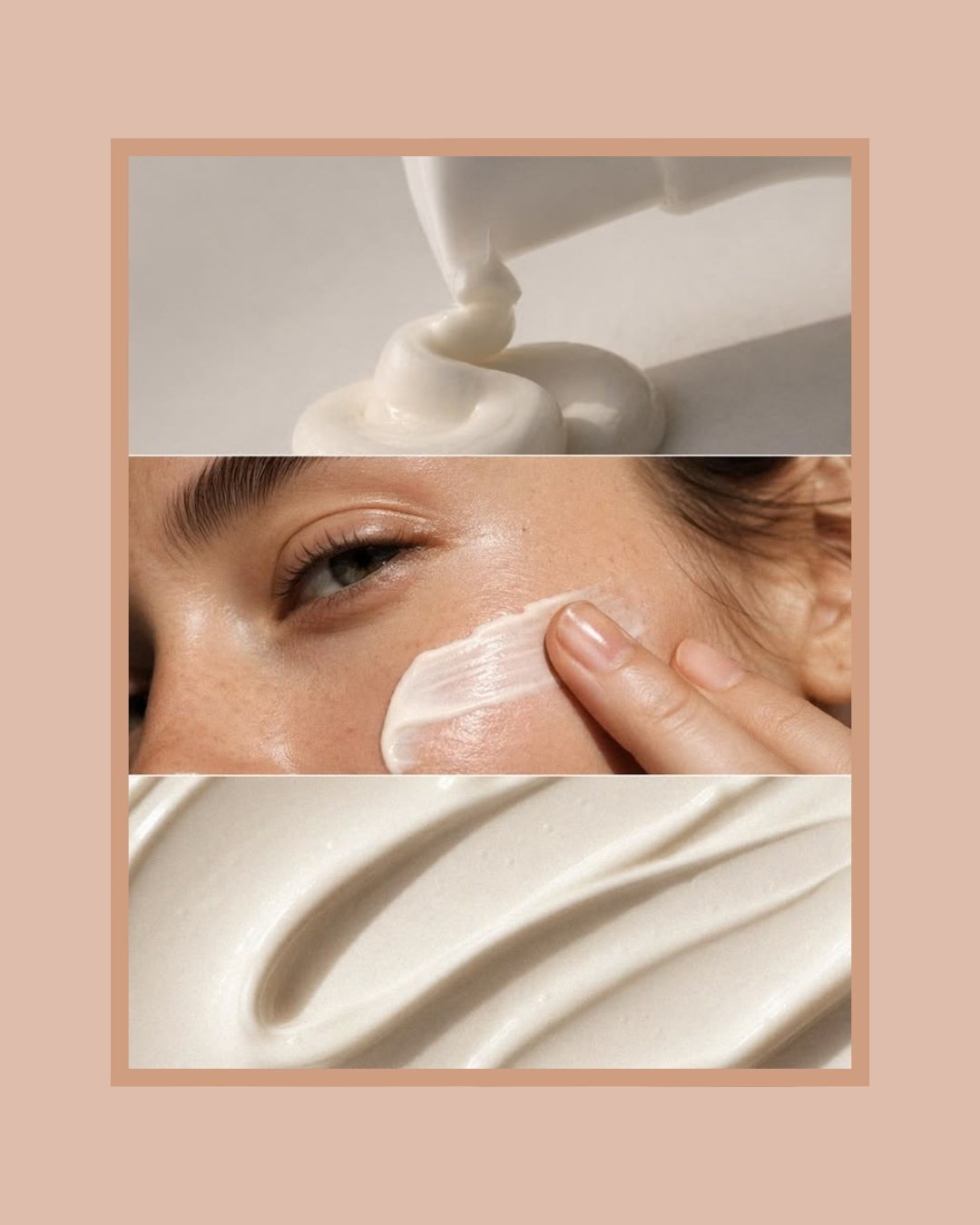
Image BeautyEQ
In theory, eating well, drinking water, and getting eight to nine hours of sleep should lead to smooth, bright under-eye areas, but morning under-eye puffiness does what it wants, right? "Eye changes might be inevitable, but that doesn't mean we can't do anything about them. We asked dermatologist Corey L. Hartman, founder of Skin Wellness Dermatology, to break down the causes of puffy eyes—and the best treatments. "The eyes are areas of highly specialised skin that are vulnerable to several different systems and susceptible to various changes that affect their appearance," says Hartman. He says genetics, fluid retention, allergies, sun exposure, lack of sleep, and diet can affect your upper and lower eyelids.
Use Cold Spoons
One of our favourite puffy-eye hacks uses a tool you already have in your kitchen: spoons. Leave two clean teaspoons in your freezer, and on puffy mornings, press them against your eyes for a few minutes. "This can be done with a spoon kept in the freezer (wet it before applying it to each under-eye area for a few minutes) and will help constrict the vessels and reduce inflammation in the area," advises Hartman.
Eye Gels With Caffeine
While we couldn't do without our morning latte, caffeine and vitamin C have become star players in skincare products too. "Eye gels with active ingredients like caffeine, liquorice, vitamin C and other antioxidants are helpful," says Hartman. "Especially if they are cooled before application." Try chilling your favourite caffeine-infused under-eye gels overnight, then apply them in the morning while you enjoy your coffee.
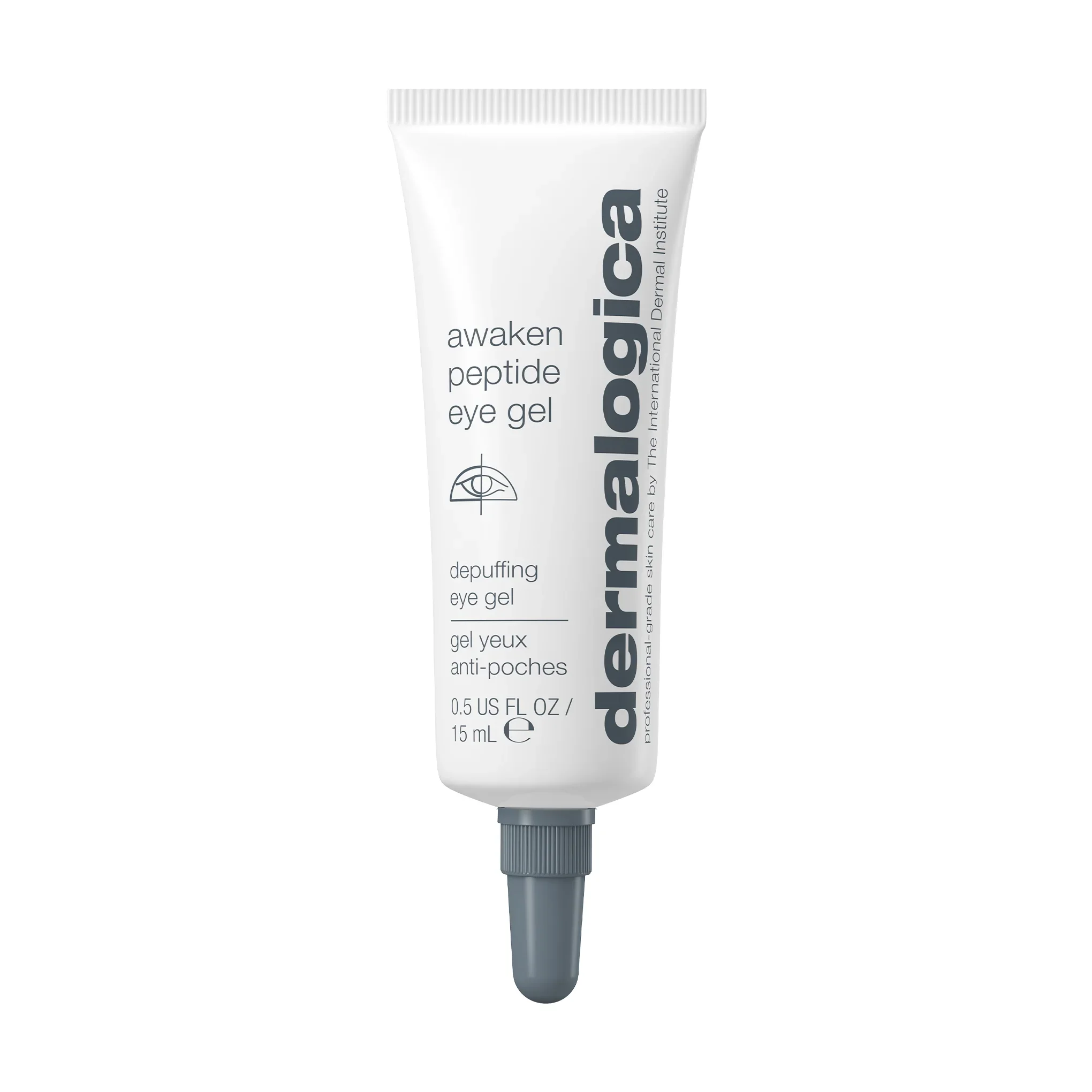
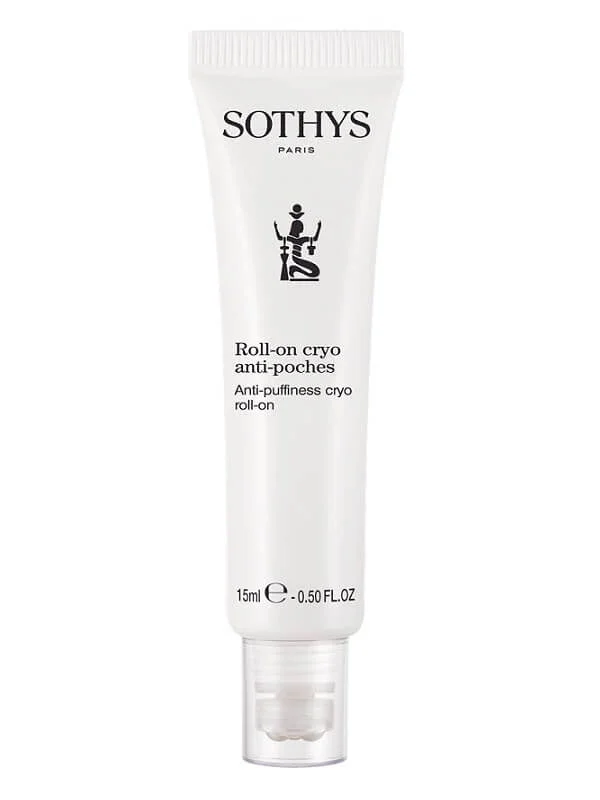
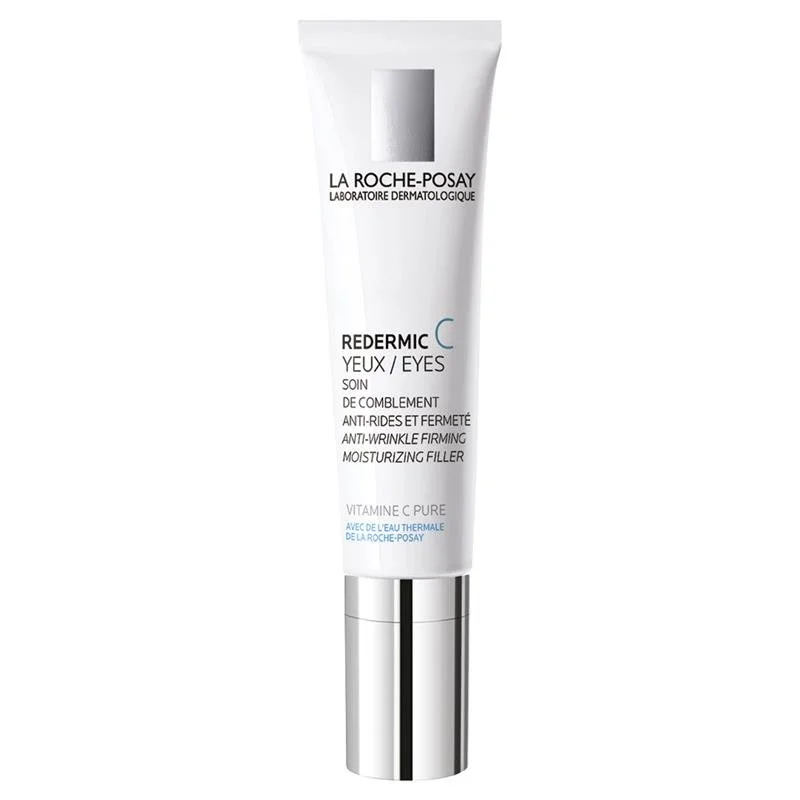
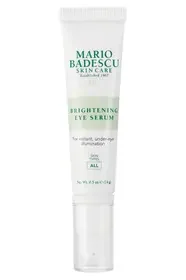
Dermalogica Awaken Peptide Depuffing Eye Gel, $123. It also contains caffeine and an active blend of peptides and soothing rosemary leaf extract that helps reduce the appearance of puffiness and fine lines. Sotheys Roll-on Cryo, $117. This clever roll-on uses a cooling metal-ball tip and combines caffeine with marine actives to soothe, de-puff, and brighten in one refreshing roll. La Roche-Posay Redermic C Eye Cream, $56. Think of it as an affordable brightening boost for tired eyes: potent vitamin C and hyaluronic acid help smooth and revive, while shea butter and meadowfoam seed oil leave the delicate eye area nourished and supple. Mario Badescu Brightening Eye Serum, $48. A lightweight formula combines caffeine, niacinamide, squalane, and hyaluronic acid to hydrate, smooth, and help reduce the appearance of puffiness and dark circles. Centella asiatica and arnica extracts help soothe the delicate eye area. Finally, light-reflecting mica and titanium dioxide create an instant brightening effect. Think well-rested eyes, even when your sleep says otherwise.
Stay Hydrated
Staying hydrated is crucial for overall health, but it can also help keep puffiness at bay. "When you are dehydrated, your body tries to hold on to all the fluid it can, which could contribute to under-eye puffiness," Hartman explains. Studies have found that the ideal water intake is between nine and twelve cups a day.
Use Rollers—Gently
The under-eye area is one part of the body where our natural drainage system (lymphatic system) for excess fluid isn't the best, with some areas worse than others. There are different ways to accomplish [drainage], including ice rollers (dual action by helping to massage and directly cool the area), jade rollers, etc. However, Hartman does warn that "frequently rubbing the skin in this area can result in discolouration and a wrinkled appearance." Hartman explains: "Eye rollers are a way to provide a gentle massage to the area and are quite effective if used regularly. Just don't apply too much pressure, or it can trigger more inflammation."
Try the Double Tap Massage Technique
Did you know that the way you apply eye moisturiser affects the state of your under-eye area? Rubbing cream or moisturiser on your eyes can make them puff up. Instead, lightly tap the area around your eyes and massage the pressure points to encourage lymphatic drainage. Hartman notes: “A simple, gentle tapping motion with your ring finger can go a long way toward draining the lymph buildup that causes puffiness.”
Address those Allergies
While we welcome spring—with its blooming flowers and windy weather—we could do without the allergies that come with it. “If you have seasonal or other allergies, it is very common to have extra puffiness under your eyes," says Hartman. His recommendation: "If you notice a seasonal change in your eyes, try an over-the-counter antihistamine daily during the time of year when your allergies are heightened."
Get More Sleep...
Hartman advises getting eight to 10 hours of sleep per night to help control puffiness. But the reality is that is not always going to happen. So Hartman recommends keeping your head elevated overnight. "An often overlooked fix to de-puff the eye area that can yield amazing results is to simply sleep in a more elevated position." He adds: Try adding an extra pillow to help elevate your head and allow the fluid to drain more easily at night."
Consider an In-Office Treatment
If at-home options aren't working, consider a professional treatment. The ideal treatment may vary based on your individual concern, but in general, Hartman says the best treatment for under-eye puffiness is typically radiofrequency microneedling. "Radiofrequency microneedling devices like Lutronic Genius insert tiny needles (after the application of a potent numbing cream) that heat the dermal tissue, reduce fat and oedema, and tighten the skin to provide a firm, smooth surface."