
Think sunscreen is just for summer? Think again. When it comes to premature ageing, UV exposure is one of your skin's biggest enemies – and it doesn't take a sunny day to do the damage.
Editor Trudi Brewer shares the facts and why sunscreen should be your number one beauty buy.
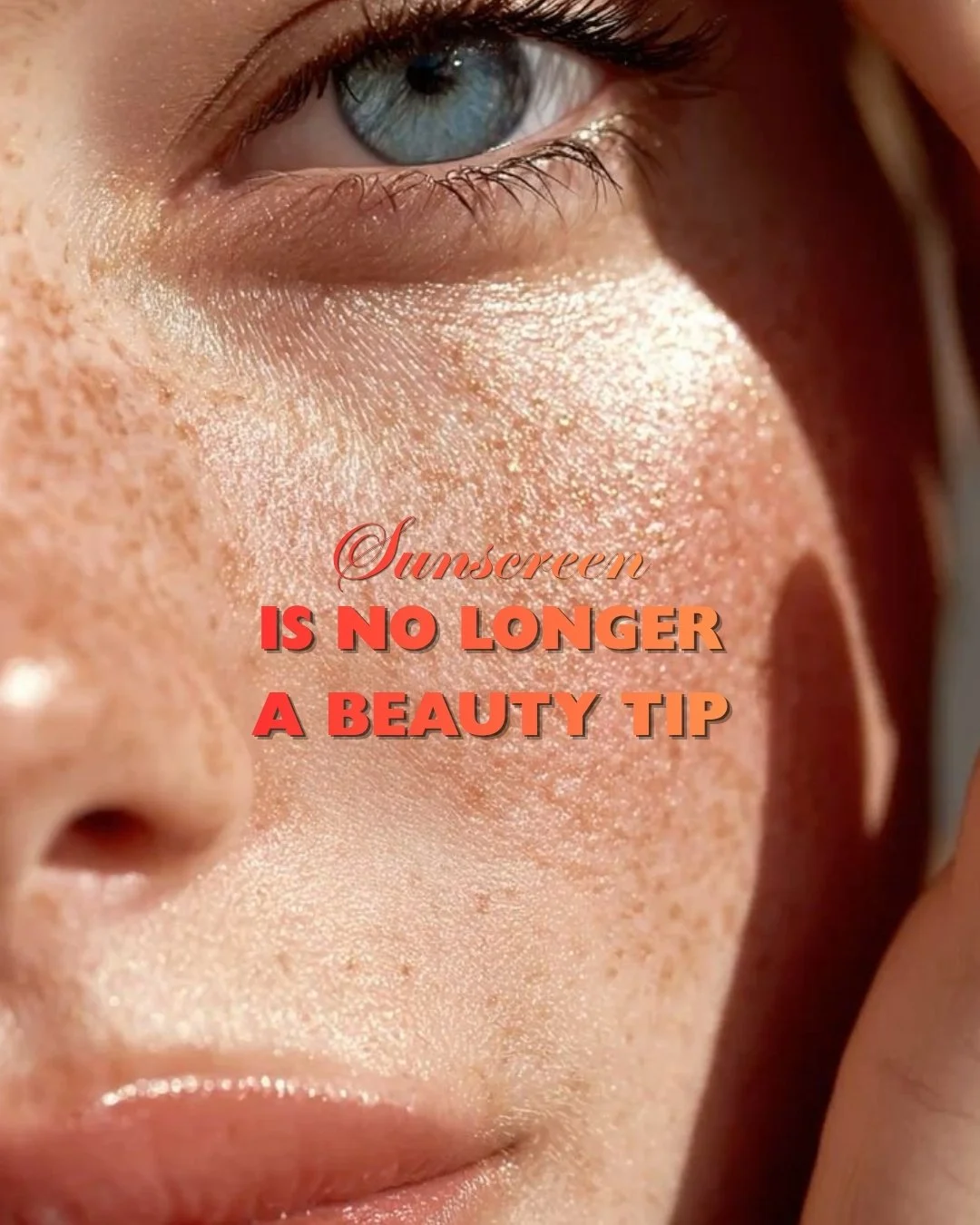
Image BeautyEQ
The reality of UV radiation is that you can't judge how much sun exposure your skin is receiving by how hot or bright it feels. UVA rays – often referred to as the ageing rays – can penetrate cloud cover and contribute to collagen breakdown, pigmentation and premature skin ageing, even on cooler or overcast days. In New Zealand, sun protection is recommended whenever the UV index reaches 3 or above. During the warmer months, UV levels can be particularly intense, especially between 10 am and 4 pm. In other words, your skin doesn't get a day off. It's a compelling case for making daily SPF non-negotiable, whether it's cloudy, breezy, or you're simply heading out to work.
SPF is the anti-ageing essential
The most effective anti-ageing product in your skincare routine might not be that luxurious serum or high-performance night cream. It's sunscreen. While UVA exposure doesn't necessarily cause sunburn, it’s responsible for visible ageing. Daily sun protection is therefore one of the most important steps in helping preserve your skin's youthful appearance. But are we getting sunscreen right?
According to Consumer NZ research and test writer Belinda Castles, persistent misconceptions and misleading marketing can leave New Zealanders either overpaying for sunscreen or, more concerningly, inadequately protected. “Every summer I'm asked the same questions – from whether you need kids' sunscreen, to whether higher SPFs really make a difference, as well as what sunscreen I personally use. That's a question I'm reluctant to answer, because sunscreen's effectiveness depends on how it is used,” says Castles. “In the New Zealand environment, the best sunscreen is any you actually apply! But you have to apply it properly too – a lot and often.” Her advice is to think beyond the bottle. Limiting time in the sun when UV levels are highest, wearing protective clothing, and reaching for a broad-brimmed hat and sunglasses are essential parts of a sensible sun-protection strategy. Yet, despite sunscreen being a summer staple, misconceptions persist. Castles says. “One common misunderstanding is that SPF30 provides twice the protection of SPF15. Another is that SPF50 lasts longer than SPF30, meaning it doesn't need to be reapplied as frequently. All sunscreens, regardless of SPF, should be reapplied every two hours while you're outside,” Castles emphasises.
So, what do those SPF numbers actually mean? SPF15 filters about 93 per cent of UVB rays, SPF30 about 97 per cent, and SPF50 about 98 per cent. No sunscreen blocks 100 per cent of UV radiation, which is why combining sunscreen with other sun-smart measures matters.
If you're in the sun-kissed skin camp, it's worth reconsidering where that glow comes from. A faux tan is always the smarter beauty investment. “For many people, having ‘sun-kissed’ or ‘naturally tanned’ skin is connected to deeply embedded beauty ideals. The irony is, further UV radiation considerably increases the risk of sunburn and loss of skin elasticity – resulting in wrinkled, prematurely aged, leathery skin and possibly skin cancer later in life,” says Castles.
She's also particularly concerned about a TikTok tanning trend, brought to her attention by her own daughter. The dangerous practice encourages people to deliberately expose their skin to intense UV radiation to achieve prominent tan lines quickly. Her parting message is clear: there is no such thing as a safe tan.
Finally, if you're unsure which sunscreen to trust, Castles recommends checking the Consumer NZ sunscreen database, which puts product information and testing results front and centre to help consumers make informed choices.
Because when it comes to protecting your skin, the best anti-ageing strategy is also the simplest: apply generously, reapply regularly and make SPF part of your everyday skincare routine.
Sunscreens rated by BeautyEQ
The SPF’s below are not only cosmetically pleasing, but also live up to thier claims, as confirmed by independent laboratory testing. Here are the brands we trust and rotate year-round.
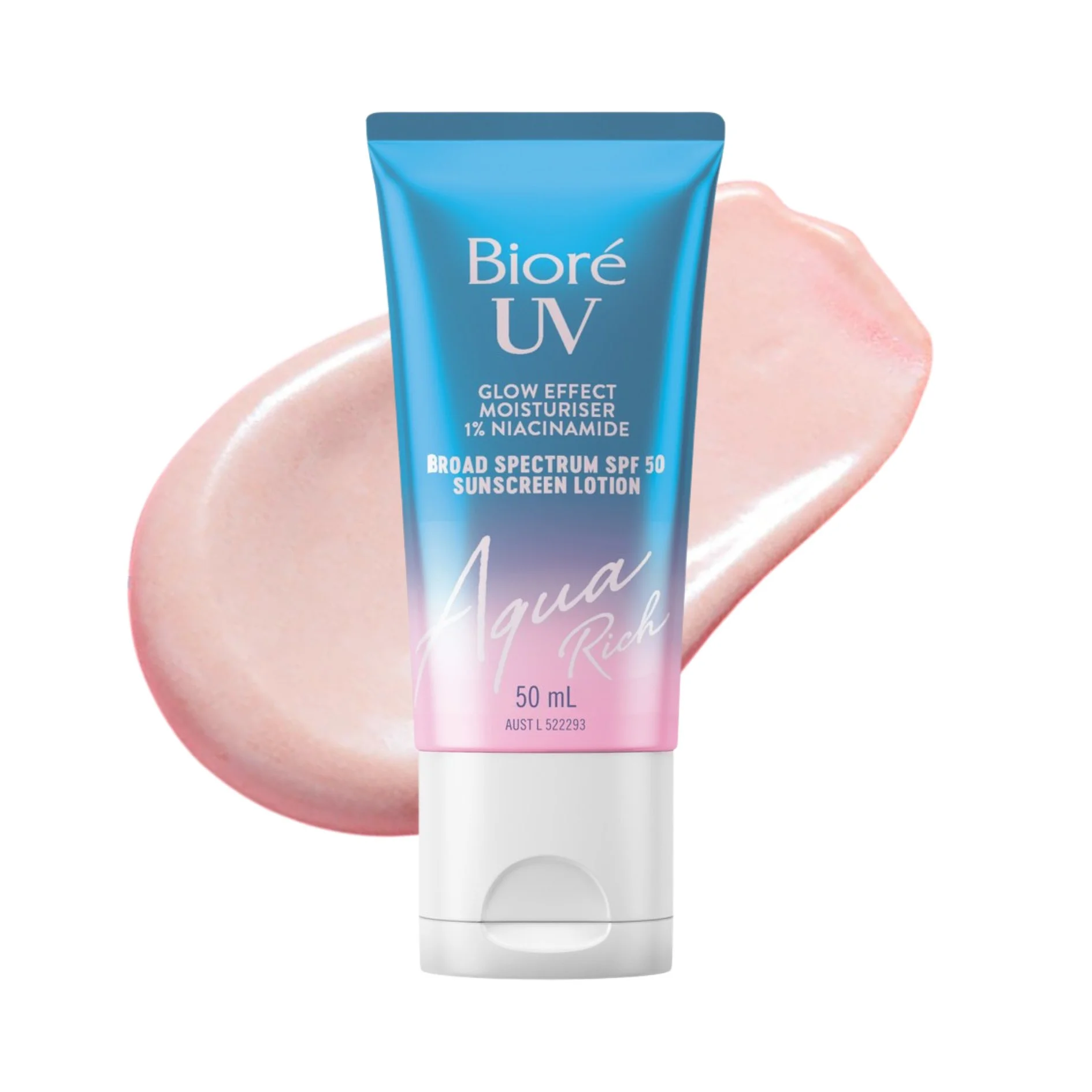
Bioré UV Aqua Rich Glow Enhancing Moisturiser SPF50, $25
This is a great example of where skincare meets sun care. A glow-enhancing moisturiser that offers SPF50 protection in one lightweight formula. Beyond the beauty appeal, it also has sun protection credentials. This SPF is listed on the Australian Register of Therapeutic Goods (ARTG) 2026 and complies with applicable quality, safety, and efficacy requirements. That healthy-looking glow, alongside broad-spectrum sun protection with UV filters including avobenzone, homosalate, octocrylene, and octisalate that protect against UVA and UVB radiation, is enhanced with niacinamide to help even tone and refine skin texture with regular use.
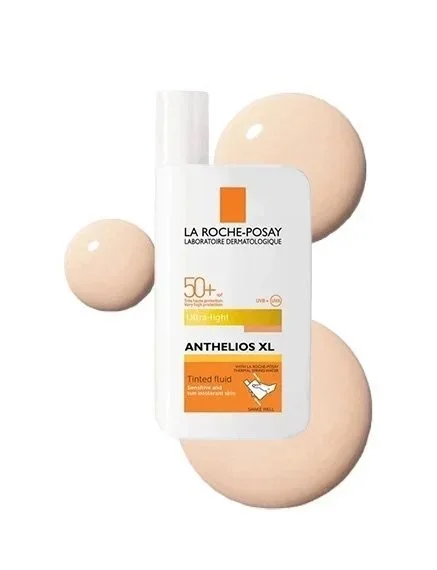
All dermatologists share the SPF daily rule, and one brand you will see in most offices is La Roche-Posay. Affordable and effective, it’s smashed the 2025 Consumer New Zealand sunscreen testing programme: a mineral, titanium dioxide-based sunscreen that promises SPF 50+ and, in testing, delivers SPF 72. The lightweight formula also sits well under makeup, and if you like a dewy glow, it offers that too. It harnesses a cocktail of organic screens, vitamin E, and a base of thermal spring water (containing selenium and minerals) to hydrate and protect the skin at the same time.
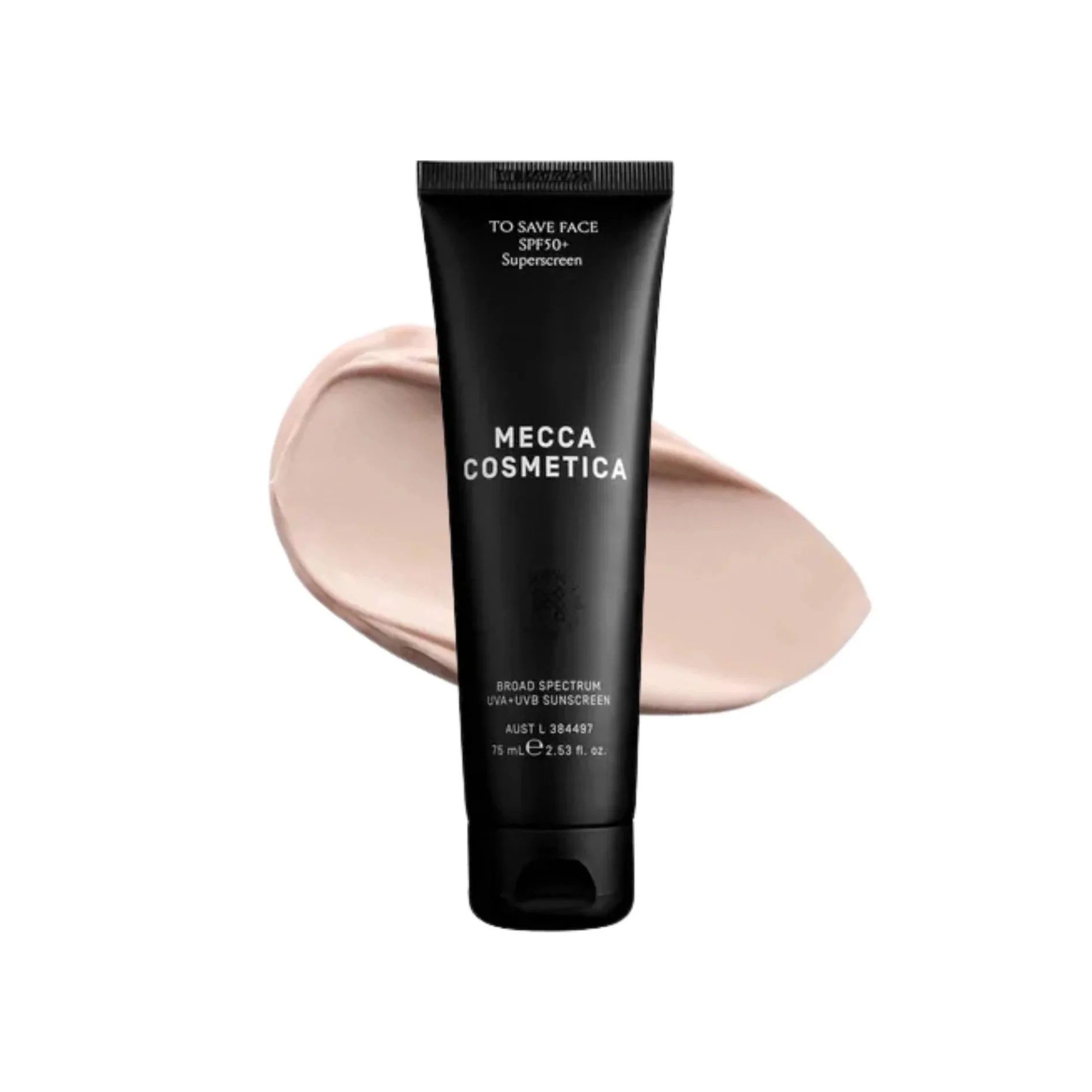
Independently tested to offer SPF 51, this sunscreen is more than a screen. It delivers broad-spectrum protection with organic screens in a featherlight cream that feels more like a tinted moisturiser than sunscreen. Enriched with vitamin E, it helps hydrate and smooth while leaving a natural satin finish—with no greasy residue and no visible white cast. This SPF is made to layer under makeup, so there’s absolutely no excuse to skip SPF armed with this beauty.
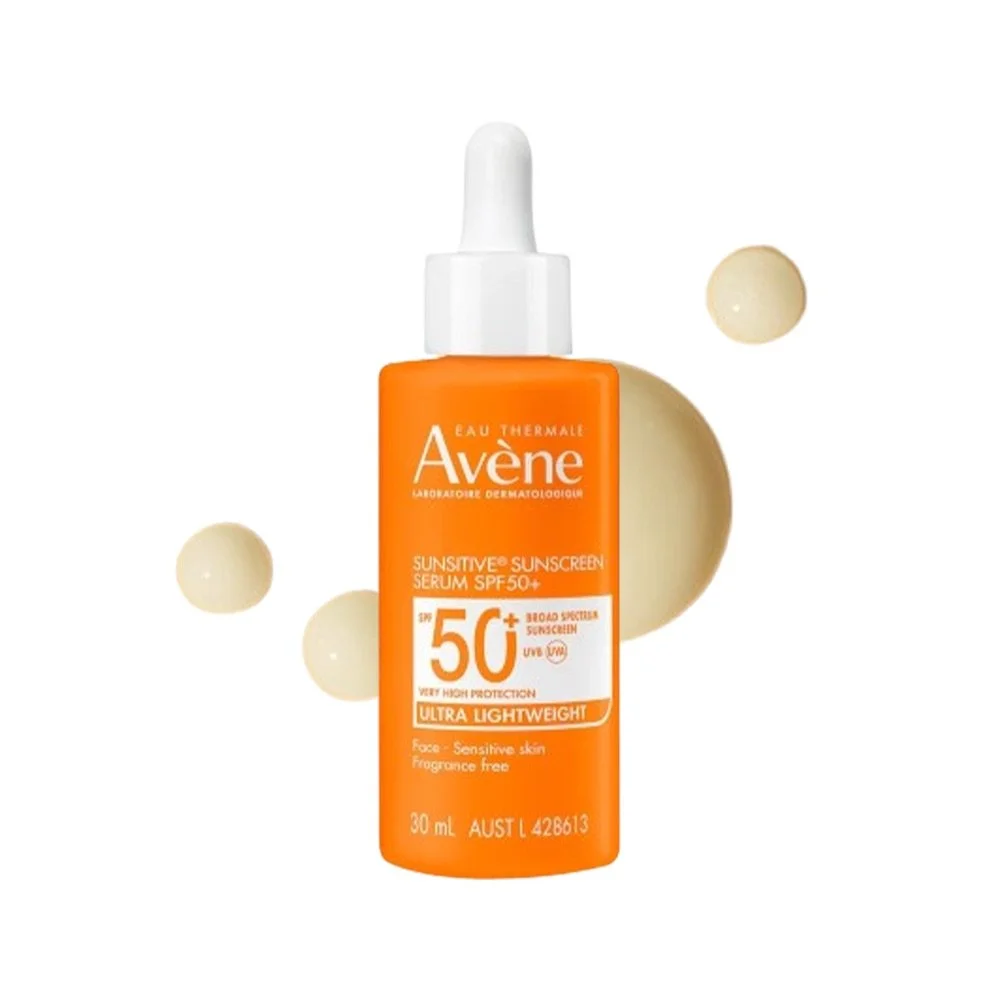
French pharmacy brand Avène meets the rigorous TGA compliance standards of Australia and New Zealand to protect skin under the Australian sun. Since then, it has been our go-to daily SPF, not only because of its high SPF, but because it feels like a hydrating serum and performs like traditional sunscreen. With hyaluronic acid, vitamin E, and aloe vera, it leaves skin soft, comfortable, and hydrated. At the same time, the fast-absorbing texture disappears into the skin without a sticky, greasy finish. Then there’s the protection: a 100 per cent organic formula that leaves an invisible finish with no white cast—making it the ideal first step before makeup.
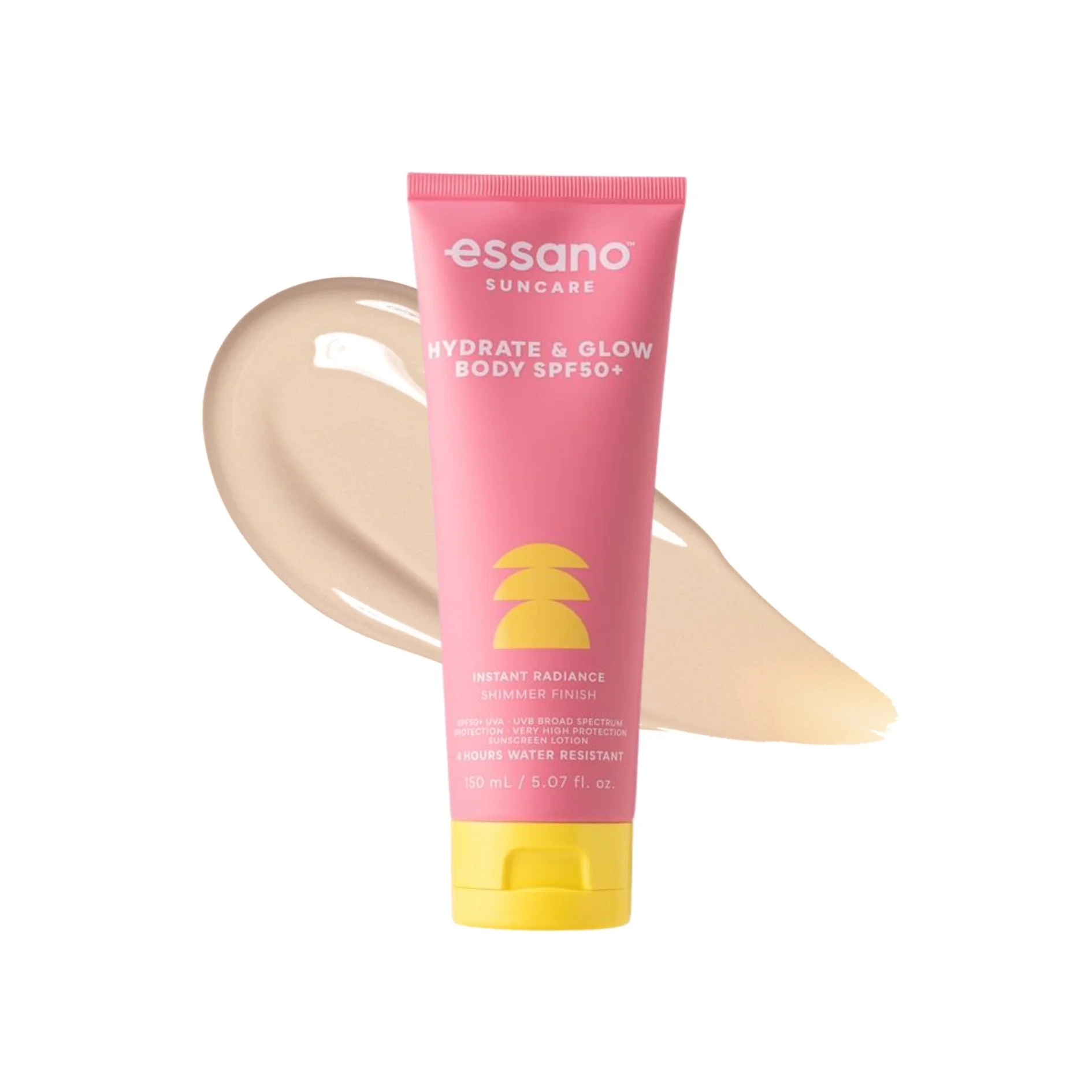
The brand states this is your SPF without the ick! That’s free from the nasties but packed with great ingredients, including chemical (organic) UV filters: Homosalate, Octocrylene, Octyl Salicylate, and Butyl Methoxydibenzoylmethane, that meet the Australian TGA sunscreen standards. The nice-to-have is the aloe vera with soothing, anti-inflammatory properties, and vitamin E is ultra-hydrating. But here is why we are in love with this SPF: It contains pearlescent mica that gives skin a gorgeous sheen, leaving it glowing while blocking UVA and UVB rays. We use it on the face and body, and it comes in a generous 150ml tube.



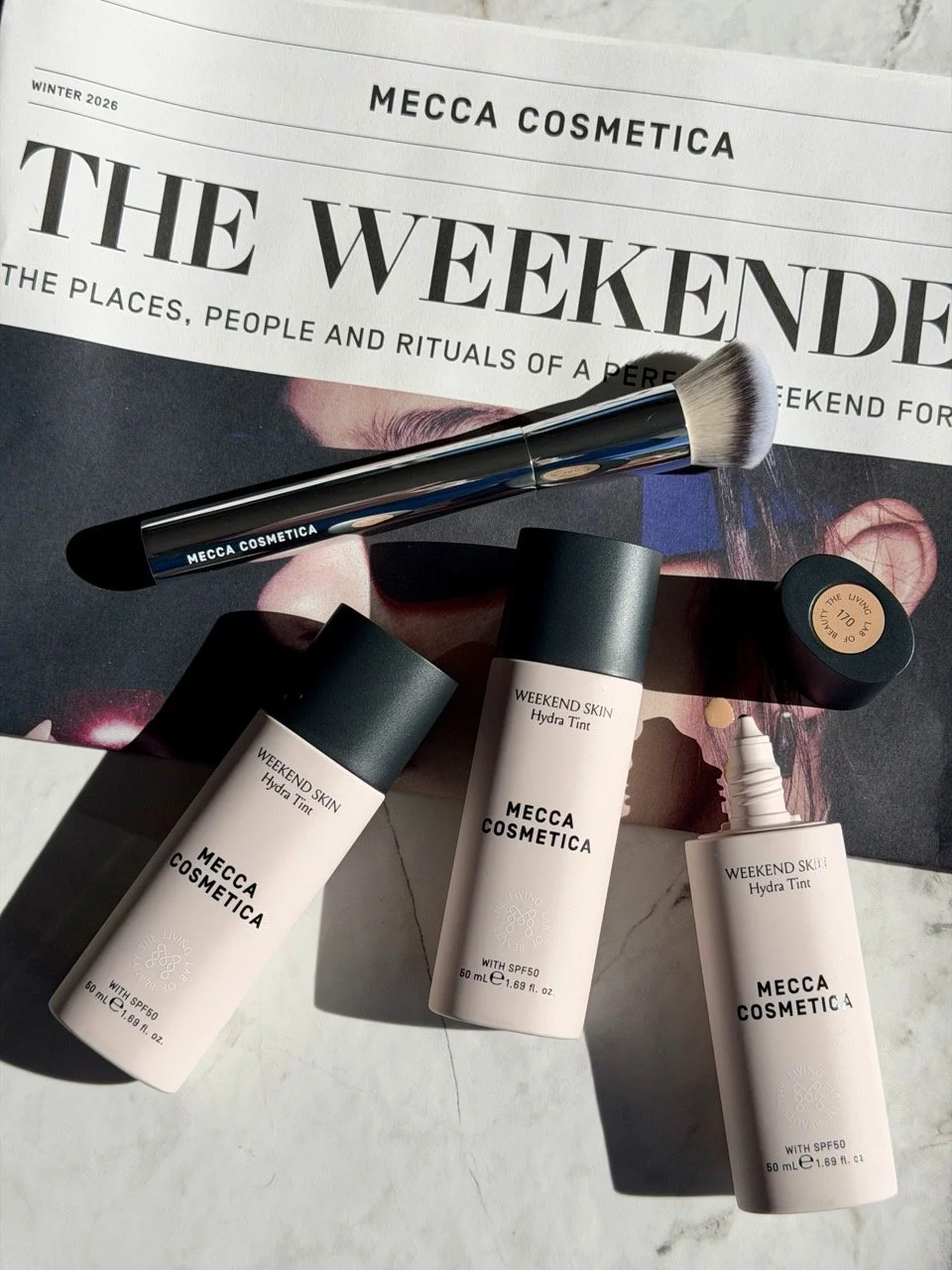
The essential your skin can't afford to skip.