
We spend a lot of time talking about what to put on our skin. Peptides. Retinol. Exosomes. Growth factors; the list goes on. But sometimes the beauty conversation needs to start somewhere slightly less glamorous: like what's on your plate. Protein has become the wellness world's favourite macronutrient, appearing in everything from breakfast bowls to snack bars and smoothies. But beyond gym culture and muscle building, protein plays an important role in how we look and feel. Read on to learn how much protein you need to eat every day.
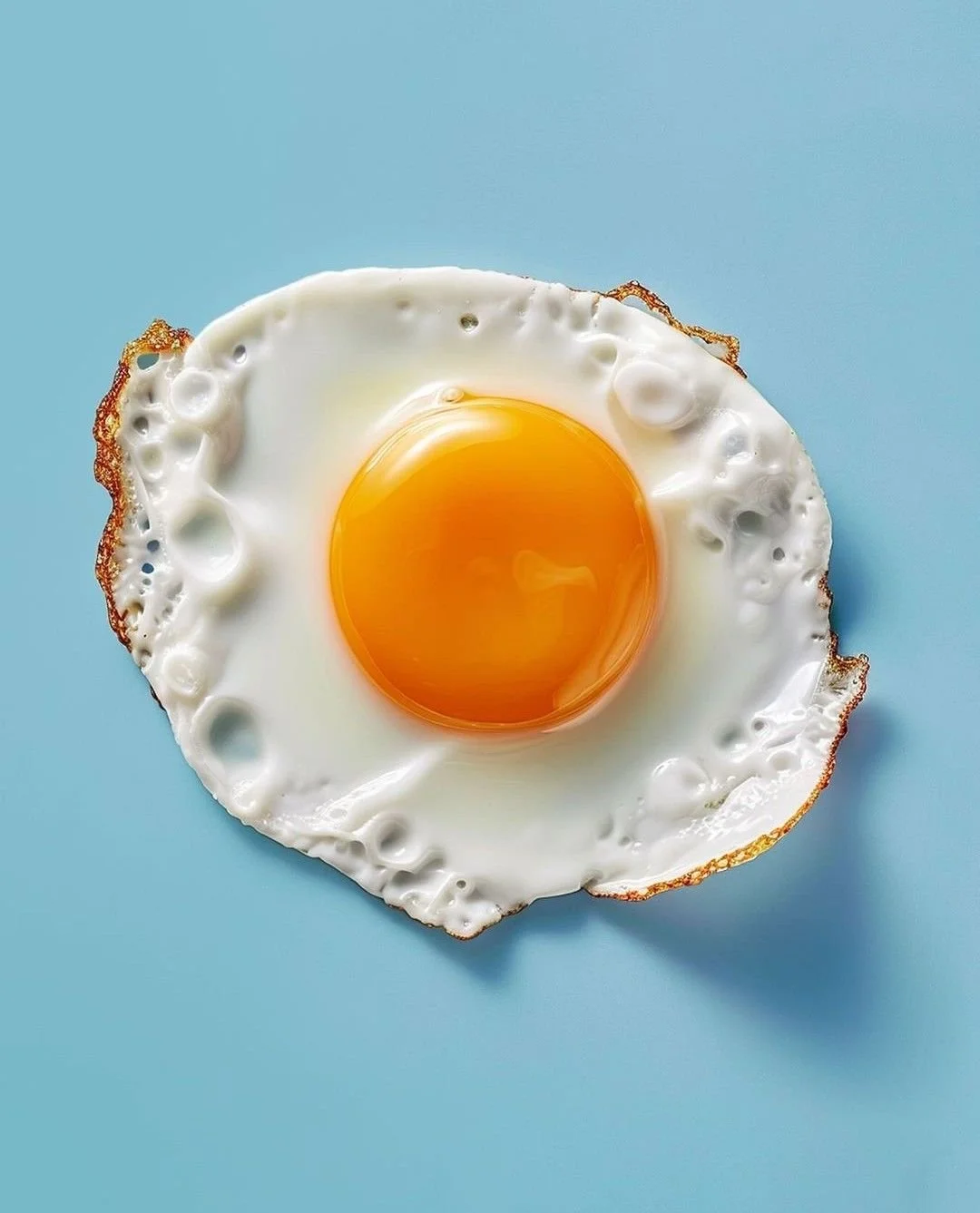
Image Instagram
Hair? Protein. Skin? Protein. Nails? Protein. Muscle, energy, recovery and healthy ageing? All down to protein. You guessed it: we are one big ball of protein.
And while a dry patch of skin or a bad hair day doesn't automatically mean you're lacking protein, consistently eating too little can affect the body's ability to maintain and repair itself. So, could your beauty routine be working harder because your diet isn't quite keeping up?
Here are four signs worth paying attention to
You're Tired All the Time
The kind of tired that no amount of concealer can convincingly disguise. Protein isn't simply about building muscle. Your body relies on adequate nutrition—including protein—to support normal body function, maintain tissues and provide the building blocks it needs to repair and renew. If your meals tend to look like this: coffee for breakfast, something beige for lunch and a very light, green dinner, you may want to take a closer look at whether you're eating enough overall. Studies show that eating at least 30 grams (g) of protein for breakfast can prevent fatigue and cravings between meals. That said, fatigue is complicated. Poor sleep, stress, iron deficiency and a long list of other factors can leave you feeling exhausted too. However, don't assume; if persistent fatigue affects your daily life, speak with your doctor and get a simple total serum protein blood test. This measures the combined amount of all proteins circulating in the fluid portion of your blood, specifically two main types: albumin (made by the liver) and globulin (which helps fight infections).
Your Hair and Nails Are Looking Less Than Their Best
Hair is largely made from keratin—a structural protein—and your nails are, too. Which is why nutrition matters when we're talking about strong nails and healthy-looking hair. A recent study, Let Food Be Thy Medicine, found that when considering dietary supplements to improve hair growth, L-cystine combined with B-complex vitamins was considered. Starting in the early 1990s, studies on the effect of dietary supplements containing L-cystine, medicinal yeast (a rich natural source of amino acids, (individual building blocks that link together to form proteins), and B vitamins), thiamine (Vitamin B1), and pantothenic acid (Vitamin B5) showed improvement in trichogram, (the tool that measures the health of hair roots), in hair swelling as a criterion for hair quality, and in the tensile strength of the hair fibre. So if your hair seems noticeably thinner, you're shedding more, or your nails have suddenly become unusually brittle, protein intake may be one piece of a much larger puzzle. But—and this is important—hair loss and nail changes have many potential causes. Hormonal changes, stress, iron deficiency, thyroid conditions and genetics can also play a role.
You're Always Hungry
You finish breakfast. You're hungry by 10.30 am. You eat lunch. You're rummaging through the pantry an hour later. Sound familiar? Protein can help support satiety, meaning meals that contain a decent source of protein may help you feel fuller for longer. That doesn't mean carbohydrates are the enemy—far from it.
But a breakfast consisting solely of refined carbohydrates (sugar) may leave some feeling hungry again fairly quickly. Try building a more balanced plate from the moment you wake up.
Eggs on wholegrain toast
Greek yoghurt with fruit and nuts
Cottage cheese on toast
Tofu scramble
Salmon and eggs on toast
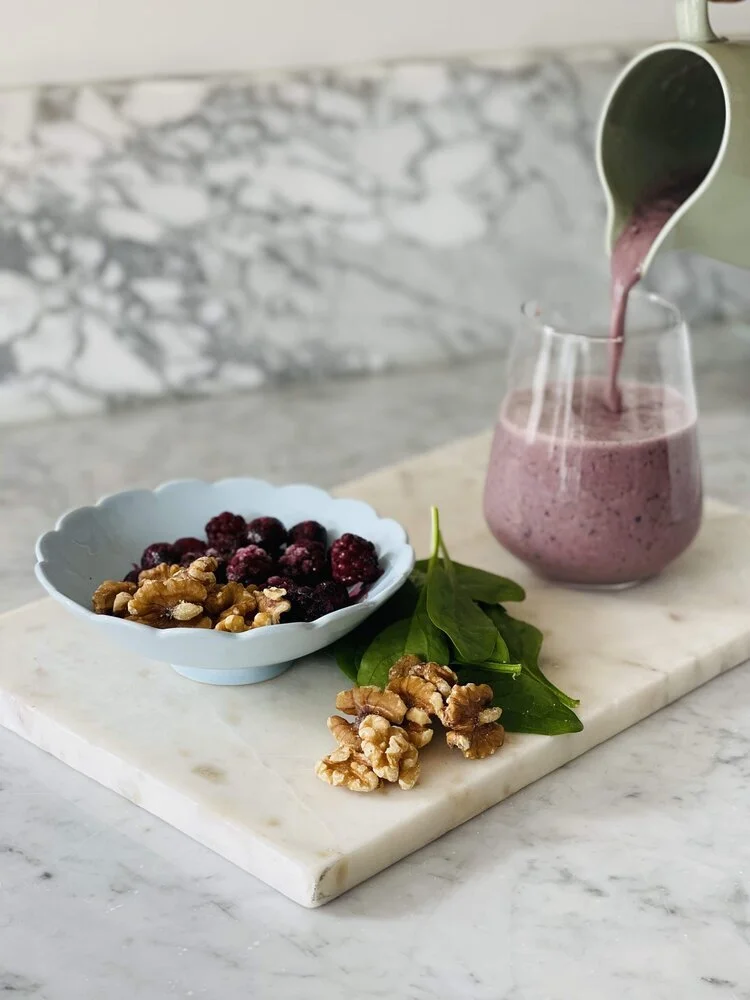
A smoothie with a substantial protein source, plant or bovine
The goal isn't to turn every meal into a protein challenge. It's simply to make sure protein isn't the missing ingredient.
You're Losing Strength—or Not Seeing Results From Your Workouts
It’s well-established that muscle strength will benefit you as you age. Whether you're strength training, walking, doing Pilates, or generally trying to stay active as you get older, protein becomes especially important. Protein helps support muscle maintenance and repair. And muscle matters far beyond aesthetics. Maintaining muscle mass is increasingly recognised as an important part of healthy ageing, supporting strength, mobility and independence as we get older. So if you're putting in the effort at the gym but not fuelling your body properly, you may not be giving your muscles everything they need to recover and adapt.
So, How Much Protein Do You Actually Need?
Protein has become one of the biggest conversations in women's wellness—particularly as we enter midlife and menopause. But before you start trying to squeeze 30 grams into every meal, it's worth knowing that there is no single protein target that works for every woman. Your protein intake needs depend on several factors, including your age, body weight, activity level, and overall health. Protein may play an increasingly important role in healthy ageing. A major 2024 study following 48,762 women in the Nurses' Health Study¹ examined the relationship between protein intake during midlife and health later in life. Researchers found that higher protein intake in midlife was associated with greater odds of healthy ageing—including good physical function, mental health and freedom from major chronic disease; interestingly, plant protein showed the strongest association with healthy ageing. Foods such as beans, peas, lentils, tofu, nuts and other plant-based protein sources were linked with particularly favourable outcomes.¹ That doesn't mean you need to swap your salmon for soybeans or give up eggs altogether. The bigger message is that where your protein comes from may be as important as how much you eat. Another PROT-AGE study group recommends an average daily intake of at least 1.0 to 1.2 g of protein per kilogram of body weight. It's a useful benchmark as you age—but it isn't a universal prescription. Rather than fixating on counting every gram, focus on including a quality protein source regularly throughout the day. And if you're concerned you're not getting enough—or you're following a vegetarian or vegan diet and aren't sure how to balance your intake—a dietitian can provide advice tailored specifically to you.
Animal vs Plant Protein: Does It Matter?
Research shows that both can absolutely have a place on your plate. Animal-based foods such as eggs, fish, dairy and meat generally provide complete proteins, meaning they contain all the essential amino acids the body needs. However, plant proteins are also a valuable source of nutrition. The good news for plant-based eaters? You don't have to obsess over combining proteins perfectly at every single meal. Eating a varied diet across the day can help provide the range of amino acids your body needs.
The Take Home
There is no such thing as a protein-powered miracle complexion. Eating an extra chicken breast won't erase wrinkles. A protein shake won't stop every strand of your hair from falling out. And brittle nails don't automatically mean you need more steak. But protein is an essential nutrient that gives your body the raw materials it needs to maintain muscle, repair tissues and support healthy hair, skin and nails. So before you add another serum to your online basket, it might be worth asking a slightly more fundamental question: When was the last time you ate a proper protein-fuelled breakfast? Sometimes beauty really does start from within.














Here are the four signs you may not be eating enough protein.