
Luxurious or lifeless? Long hair has long been seen as the ultimate symbol of femininity and glamour. But when those lengths become dull, shapeless, and hang, they can end up doing the opposite.
Why do so many women hold on to hair that no longer flatters them? Editor Trudi Brewer asks a leading stylist this very question, and how simple changes can transform tired-looking tresses into a head-turning style.
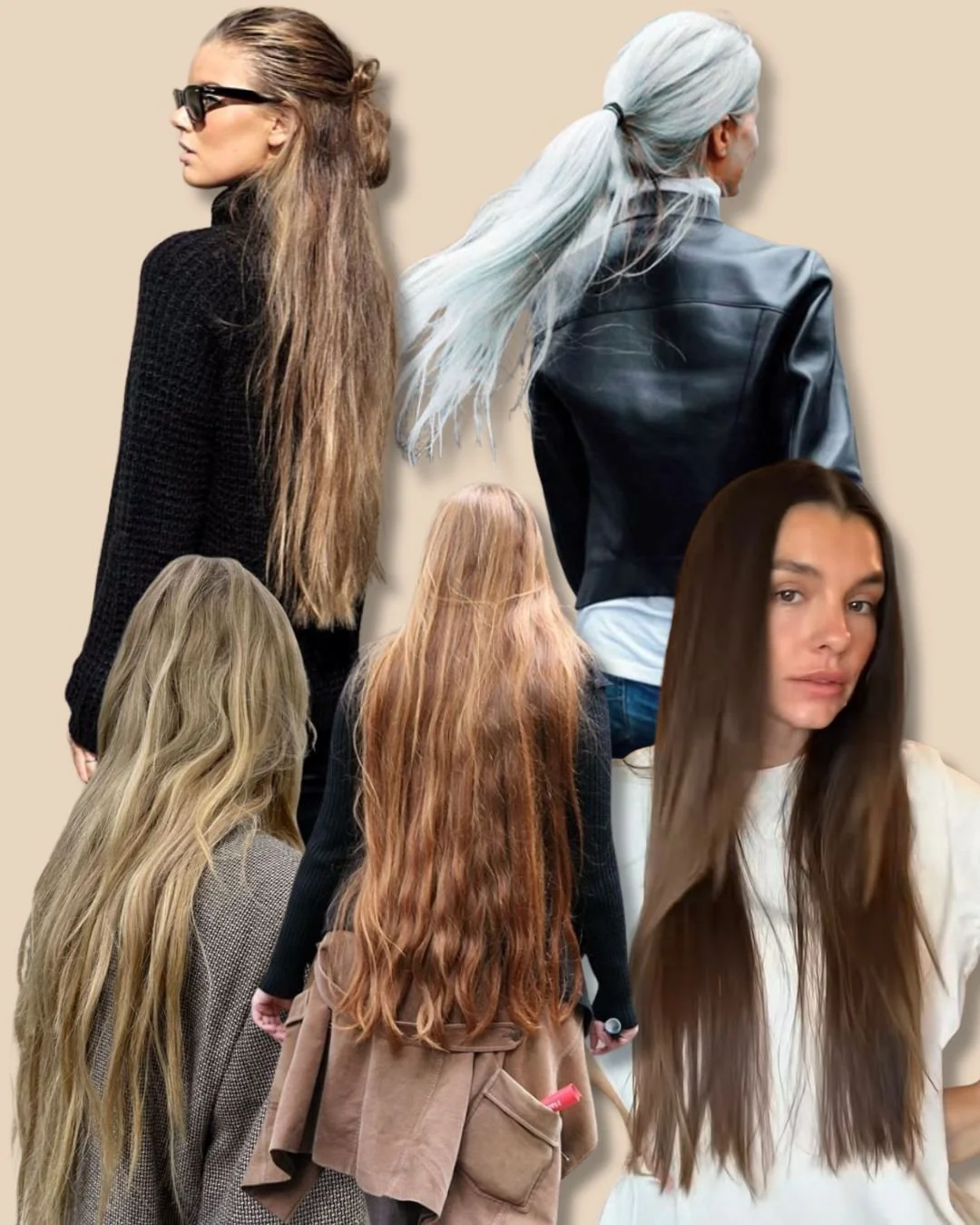
Image BeautyEQ
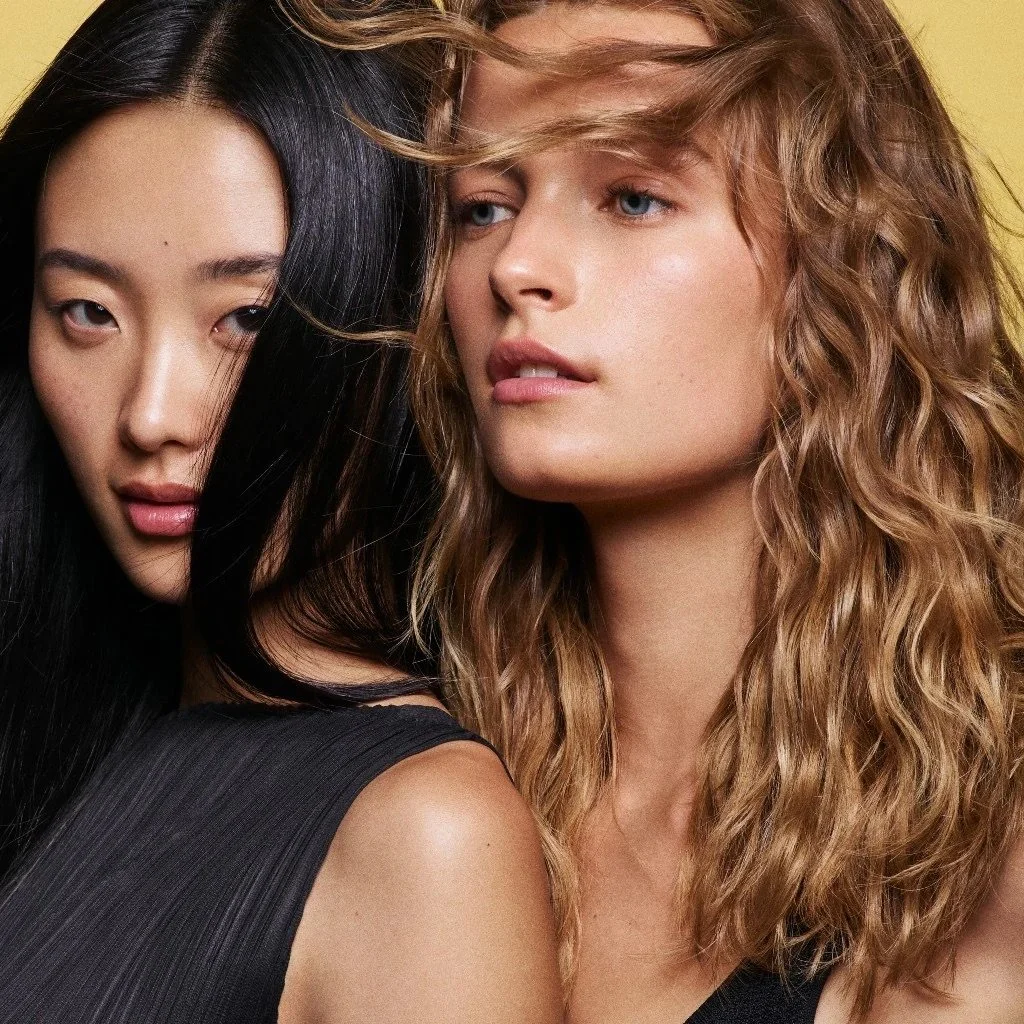
For years, the beauty industry celebrated styles with bouncy, precision-cut hair—think chic blowouts and tousled layered waves that exude confidence and turn heads. However, somewhere along the way, volume quietly fell out of fashion. Today, a look is emerging that features straight, long, colour-free, and deliberately neglected styles. Whether hair is tucked behind the ears, worn with a centre part cascading around the face, or pulled into a ponytail, today’s notion of "perfect" hair embraces minimalism—often to the point of drab hair that just hangs like a curtain.
To put a positive spin on what I consider: I have given up on my hair; fashion has embraced quiet luxury; and beauty has followed suit? Gone is the tousled bounce that dominated the 2010s; in its place is what some beauty insiders are calling "quiet hair"—understated, natural and intentionally low-key. Or is it that you don’t want to leave behind your schoolgirl hair and adopt a grown-up style? According to top hairdresser Gene Edwards (Ed), co-founder and creative director of Drake on Drake, Freemans Bay, Auckland, “I think it's a combination of trends. We've spent the last decade obsessed with 'effortless' beauty, minimal styling, and long, healthy-looking hair. Social media has also pushed this ultra-sleek aesthetic because it photographs beautifully. The downside is that somewhere along the way we've forgotten that great hair isn't just about length—it's about shape.” Ed believes, “A beautifully cut hairstyle has movement, balance and personality. Without that, long hair can very quickly become flat and lifeless.”
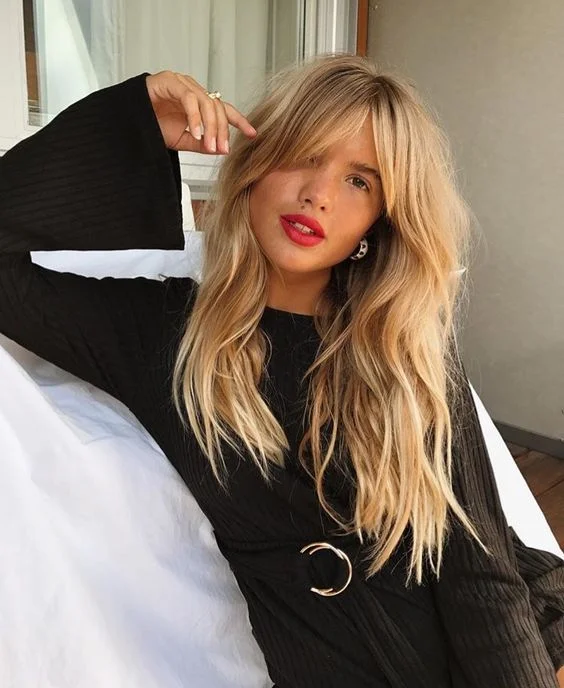
Here is the inspiration for change.
A career hairdresser and creative director at Drake on Drake, Ed is one of New Zealand’s top hairstylists, having created a hair destination that is a creative, collaborative space for editorial shoots as well as a busy, working inner-city hair salon. Created with community in mind, Drake on Drake is a place to find hair inspiration; get a new look or update your existing style. It’s also a great destination for a precision cut that not only complements your face shape and hair texture, but also turns heads. Below, Ed enlightens us on a trend we need to shelve.
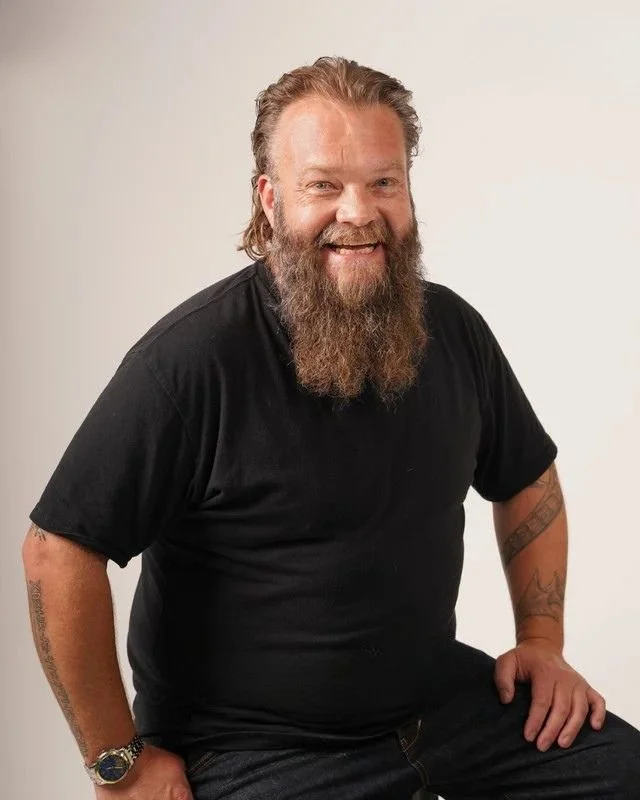
Ed at Drake on Drake, Drake Street, Freeman’s Bay, Auckland
Q&A
Is that "lank" hair look intentional, or is it simply a by-product of current styling trends?
I think it's a bit of both. For some people it's absolutely intentional—they're chasing that understated, fashion-forward look. But for many others it's simply the result of growing their hair long without investing in a haircut that actually supports the style. Great cutting creates volume and movement naturally, without relying on lots of styling.
Why do some people describe the look as chic, while I see it as lifeless, flat, and boring?
Fashion is always cyclical. Every era reacts against the previous one. After years of beach waves, big blow-dries and textured styling, sleek minimalism feels fresh to some people. Personally, I think hair should complement the individual. A haircut should enhance someone's features and reflect their personality, not just follow a trend. For me, movement, shape and precision will always be more interesting than hair that hangs.
Are we confusing healthy, glossy hair with a dirty, I-can't-be-bothered-anymore style?
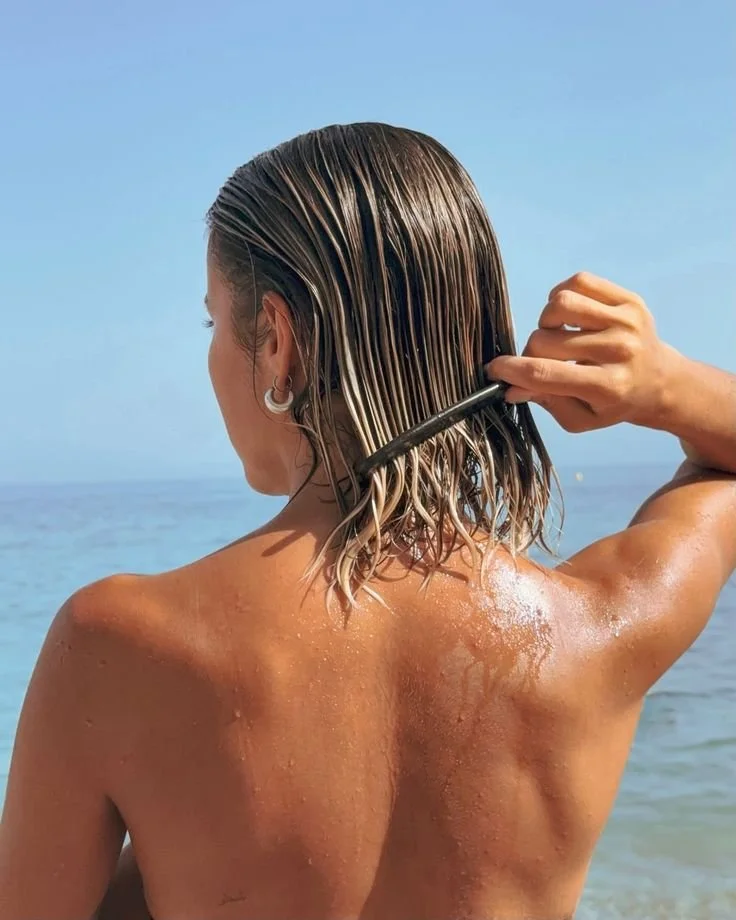
Healthy hair should absolutely have shine, but shine isn't the same as oil. There's a fine line between polished and greasy. The healthiest-looking hair still has body and life to it. Sometimes people overload their hair with oils and smoothing products chasing gloss, but they end up sacrificing movement and freshness.
As a hairstylist seeing clients daily, are you getting asked for less volume and natural colour?
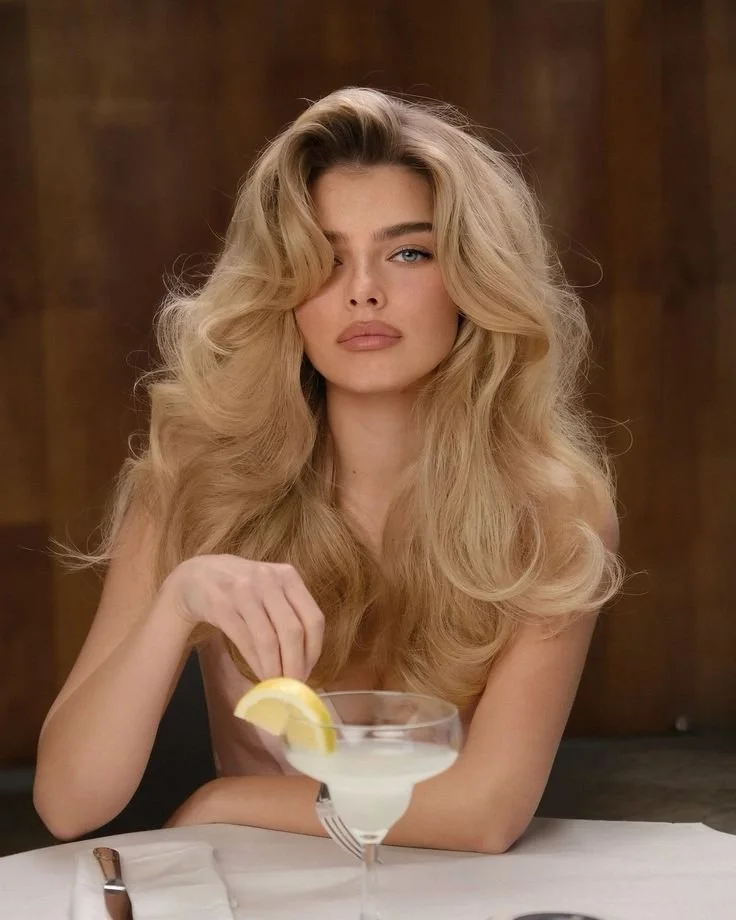
Definitely more natural colour. Clients are looking for lower maintenance and softer, more lived-in colour than they were five or ten years ago. With styling, I think people are asking for hair that feels effortless rather than overly "done." But interestingly, I don't think people necessarily want less volume—they want volume that looks natural rather than heavily styled.
What styling mistakes can make sleek hair cross the line into looking limp?
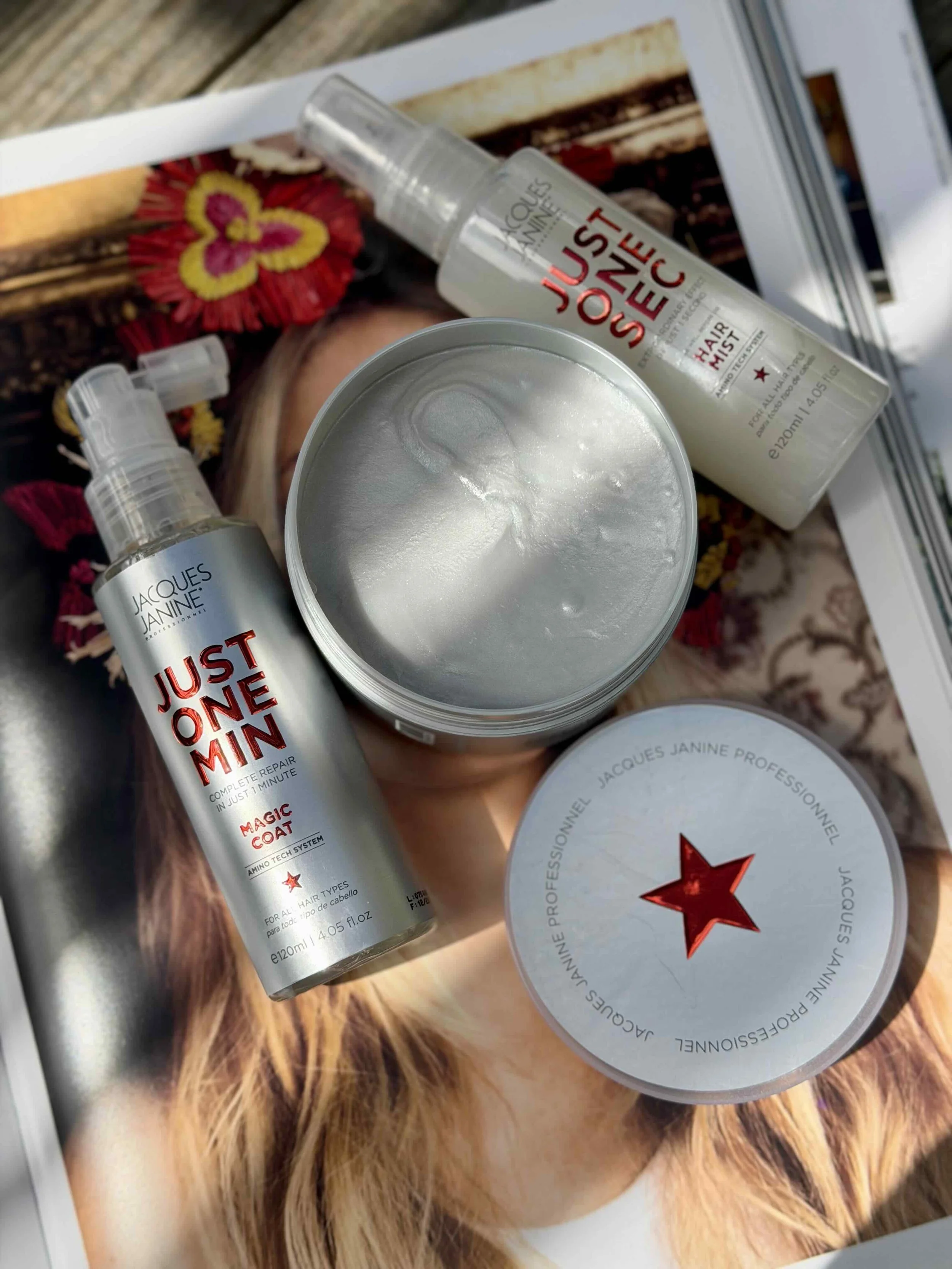
Usually it's product overload. Too much oil, heavy serums or creams, especially around the roots, will flatten almost anyone's hair. Another common mistake is relying on straighteners to create the entire style. If the haircut isn't doing the work, styling tools often compress everything. A great haircut should create shape before you've even picked up a brush.
How do you move on from your childhood hair and embrace a new style?
Be open to change and trust your hairdresser. A lot of people keep the same hairstyle they've had since they were teenagers because it's familiar. Sometimes a small change in length, shape or fringe can completely modernise your look without feeling overwhelming. Hair should evolve as you do.
What hair looks do you find yourself recommending all the time?
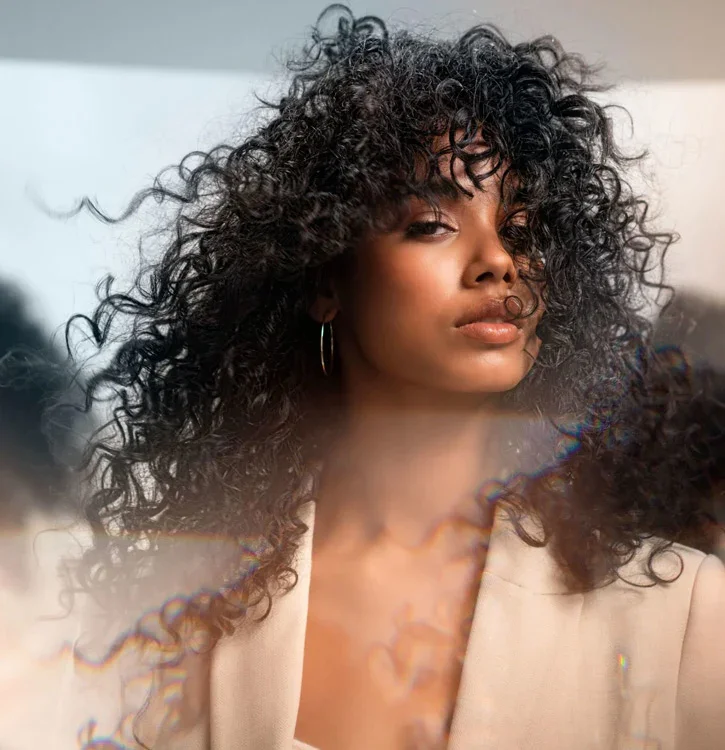
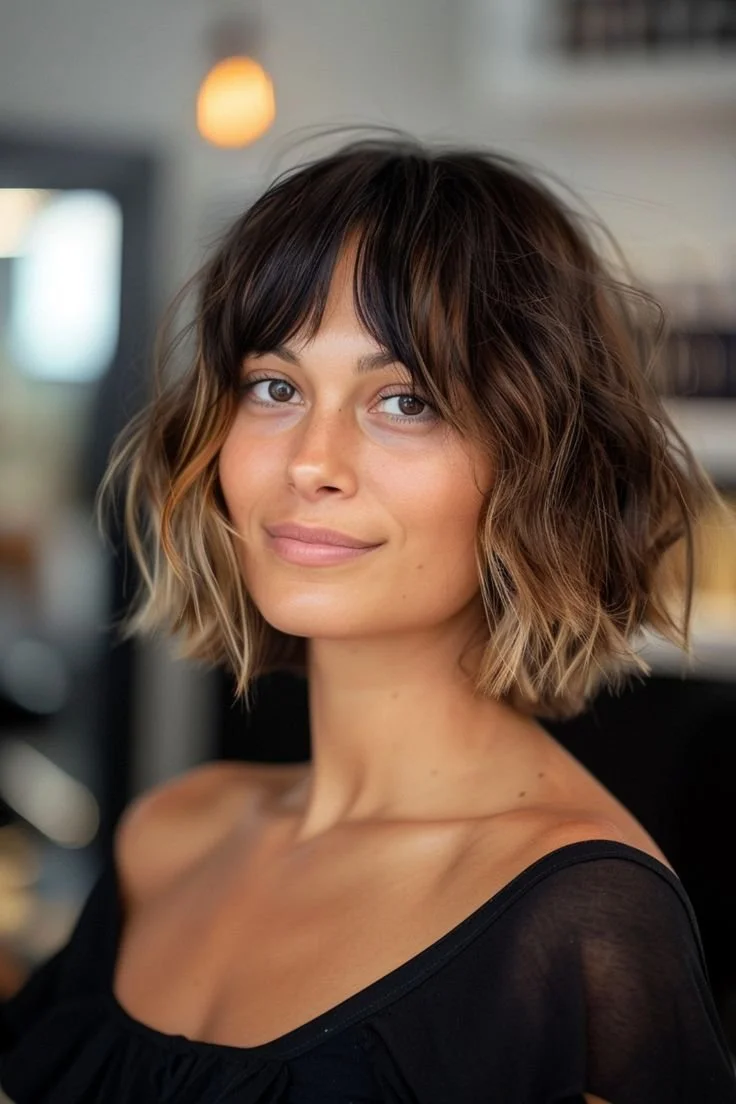
I'm always recommending styles that have shape and movement and work with someone's natural texture. I'm a big believer that a haircut should make your life easier, not harder. Whether it's a short crop, a bob or long hair with beautiful structure, the cut should do most of the heavy lifting.
I've also become a huge advocate for shorter hair done really well. There's a real art to cutting short hair, and when it's executed properly, it can be incredibly flattering, versatile and surprisingly low maintenance.
What's your best get-out-of-a-rut hair tip?
Change the haircut before you change the colour. People often think they need a dramatic colour transformation, but nine times out of ten it's the shape that's missing. A fresh haircut can completely transform how your hair looks and behaves while keeping your colour the same. It's amazing what happens when the foundation is right. That's actually one of the reasons stylist Andrew Cobeldick and I created SHORTS (An industry education session to help stylists build the confidence and technical skills to cut short hairstyles). Colour is important, but great cutting is what gives a hairstyle its identity.
The take home
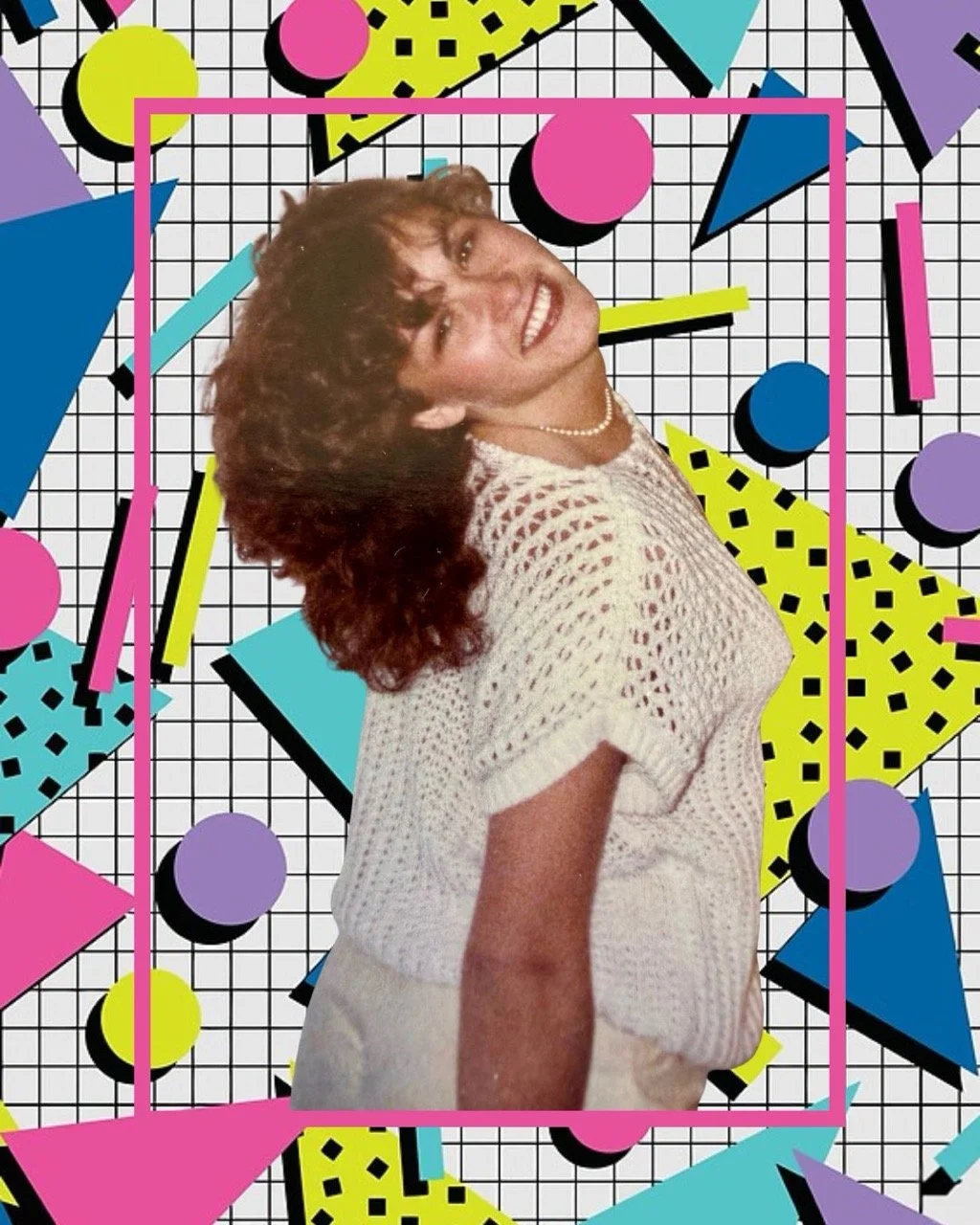
Beauty trends are cyclical. The 1980s loved volume. The 1990s embraced poker-straight hair. The 2010s brought beach waves. And the 2020s, well, we are lost. Despite my criticism of long, lifeless-looking hair that hangs, sleek long hair does dominate because it aligns with almost every major beauty movement. Minimalism. Quiet luxury. Capsule wardrobes. Skin-first makeup. Even the rise of "old money" beauty has reinforced the idea that understated equals sophisticated. Yes, we can blame social media for perfectly smooth hair that looks beautiful on camera and instantly conveys a glass-like shine, but that is not what I see on the streets; what looks striking in a carefully curated Instagram ad for a luxe-y shampoo brand does not translate to everyday life. Also, sleek, polished-looking hair is high maintenance, as most people who chase it will admit.
I’m with Ed: great-looking hair has always been less about following trends and more about owning a style that suits your hair, and managing it at home.
If the pursuit of long means sacrificing texture, bounce and, come on, please, a little personality, it may be worth remembering that the next big hair trend is just around the corner.
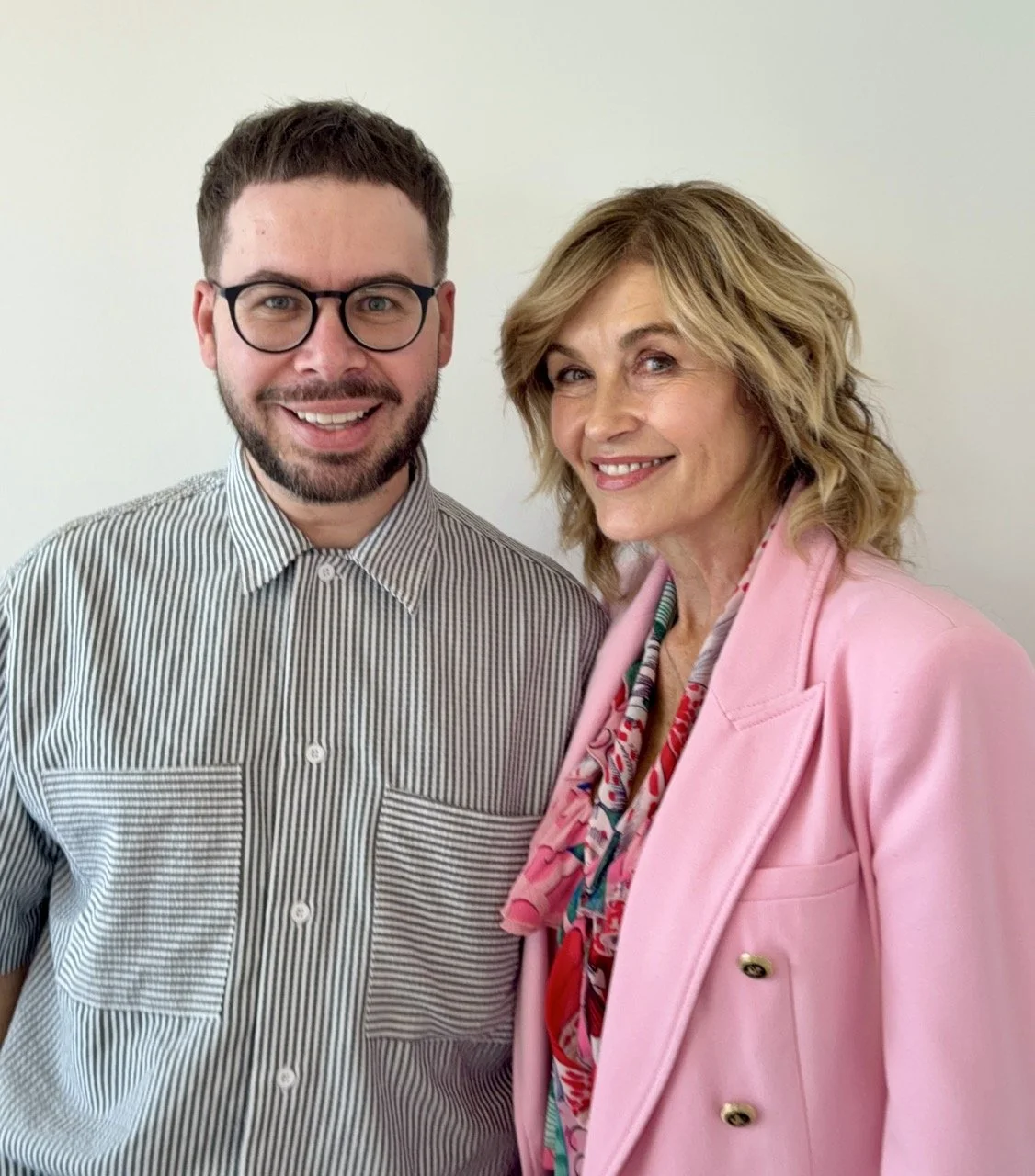
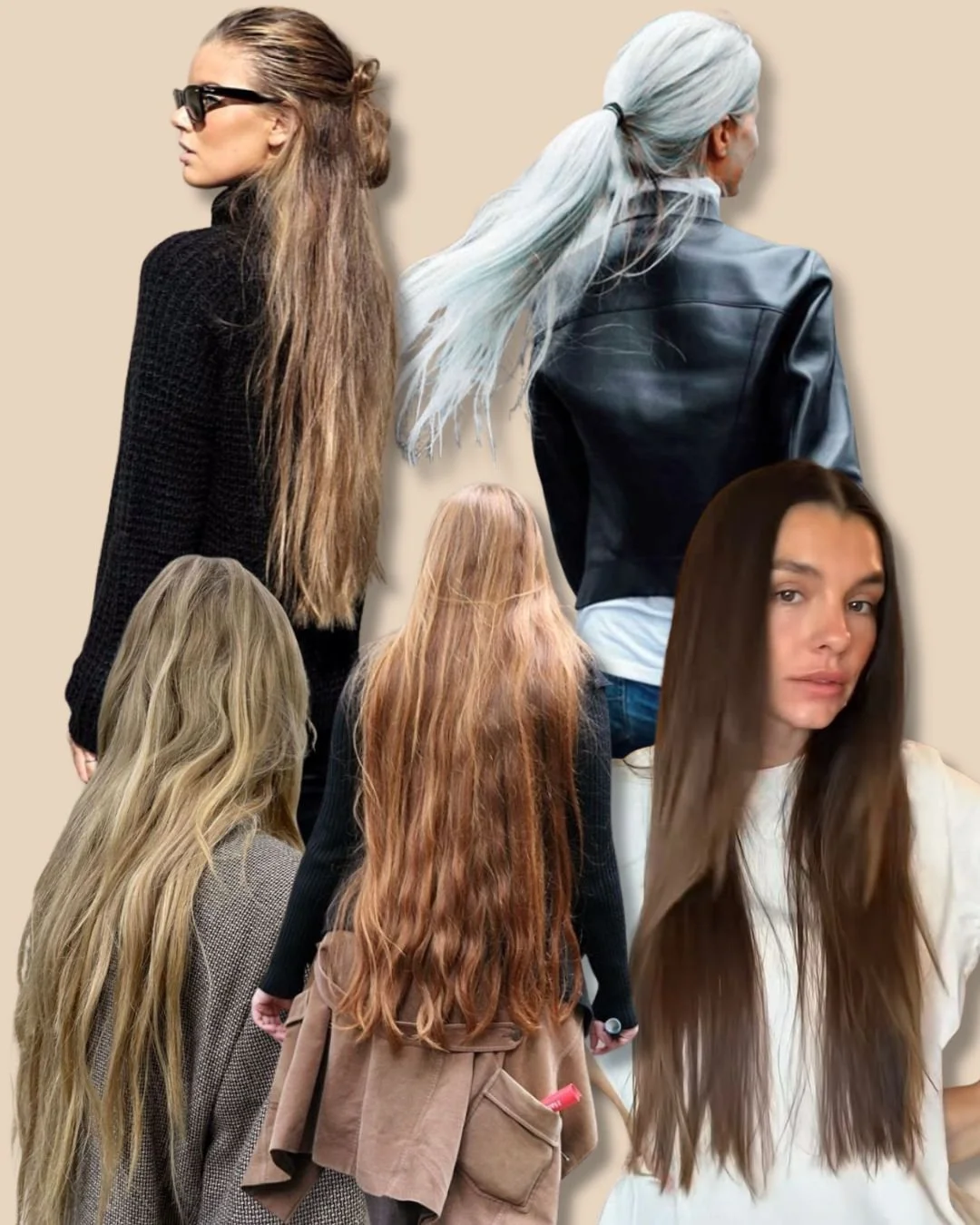
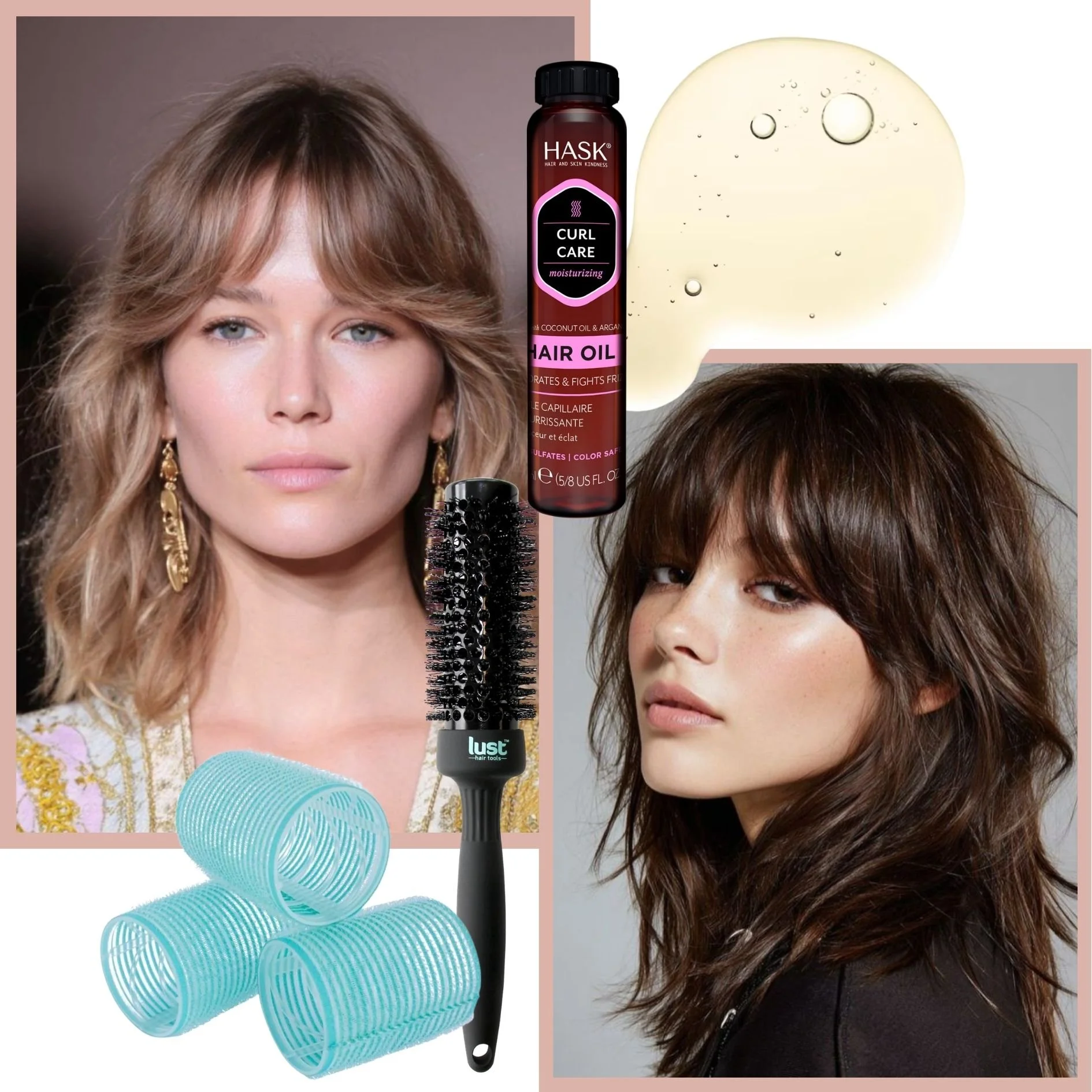
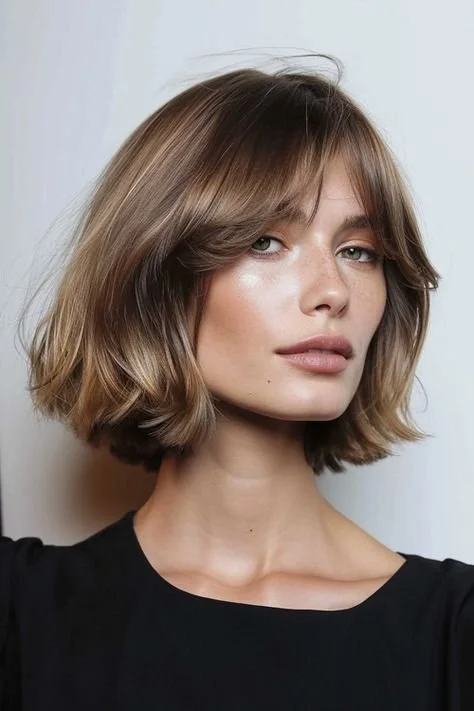
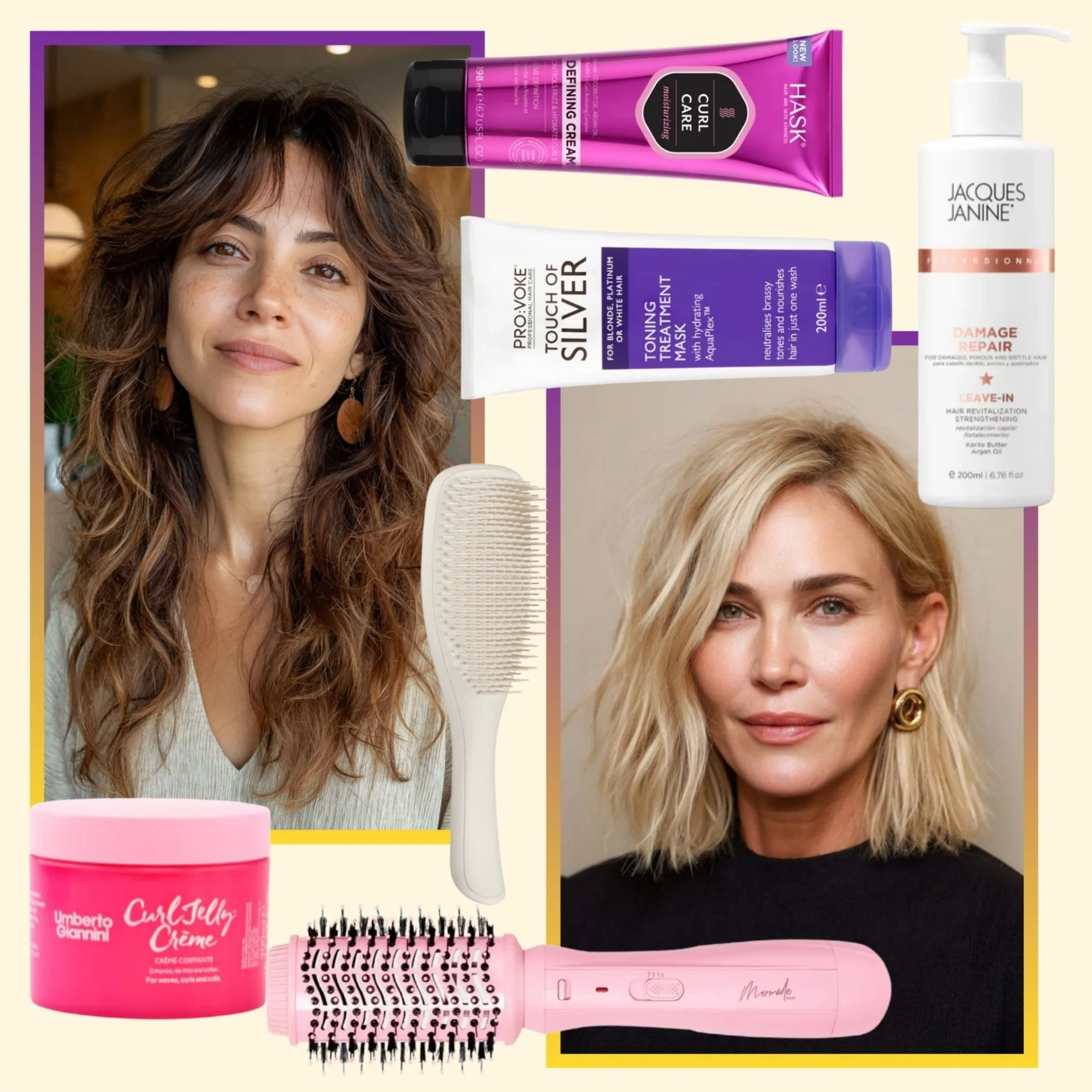


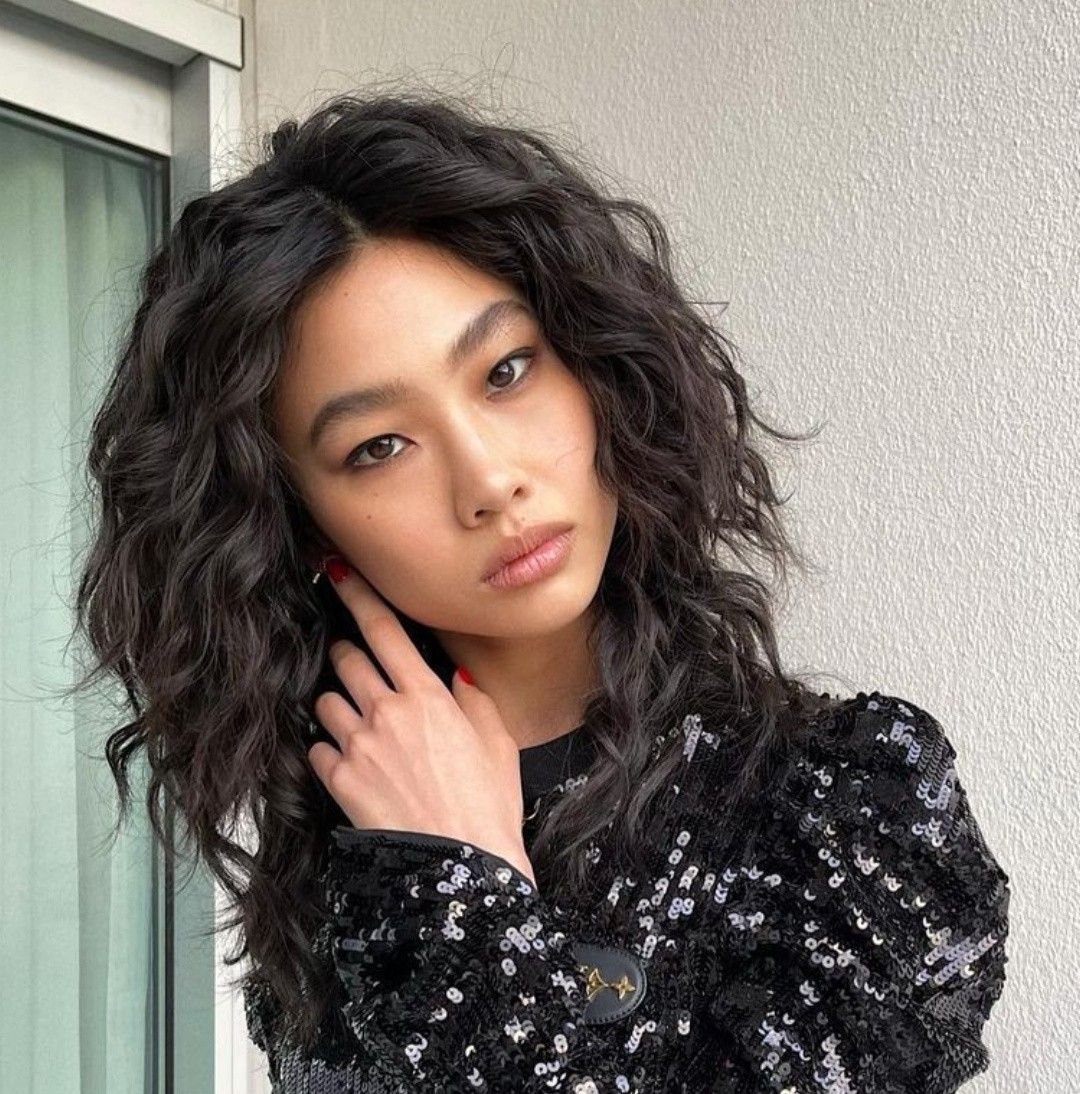
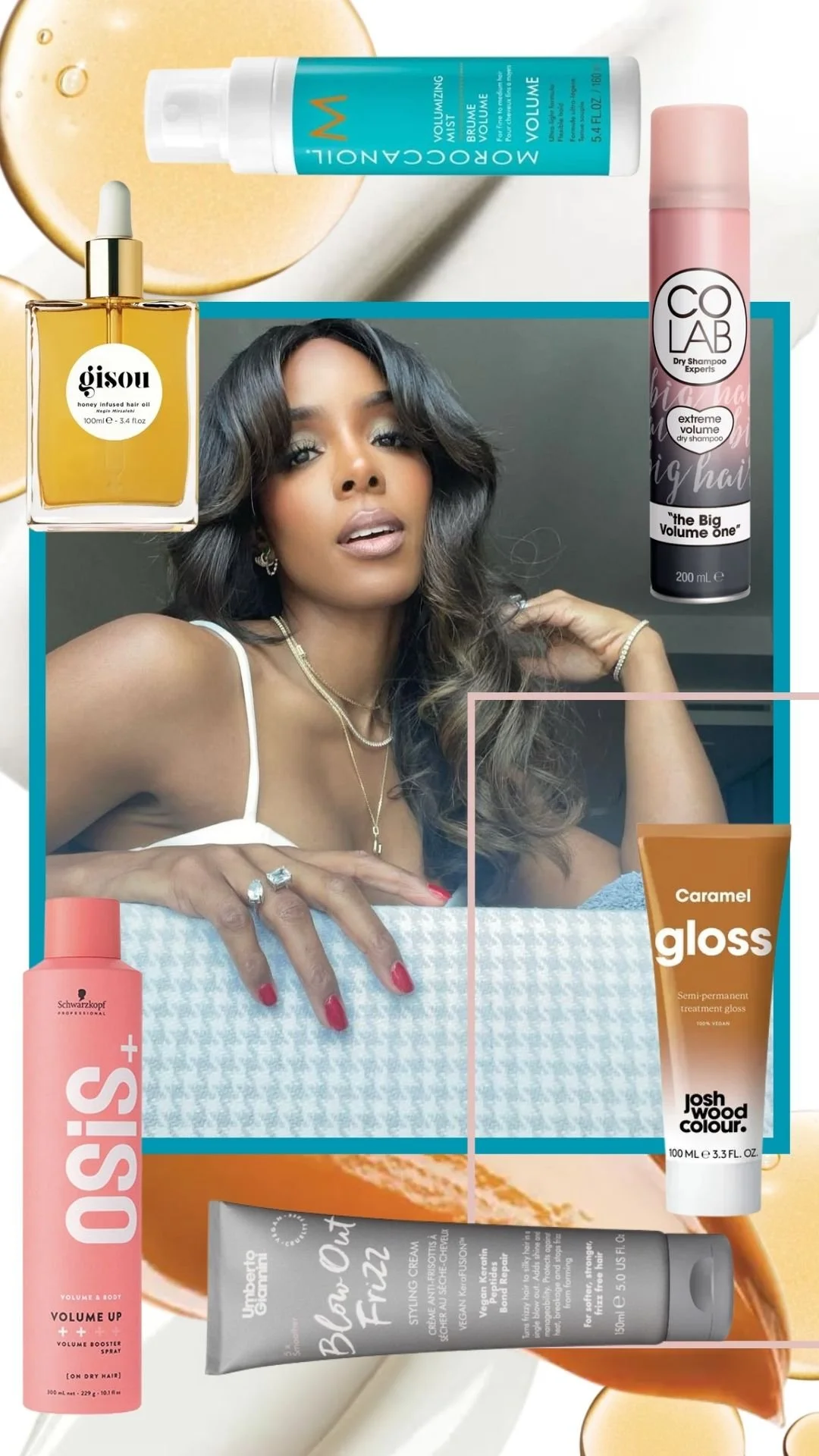
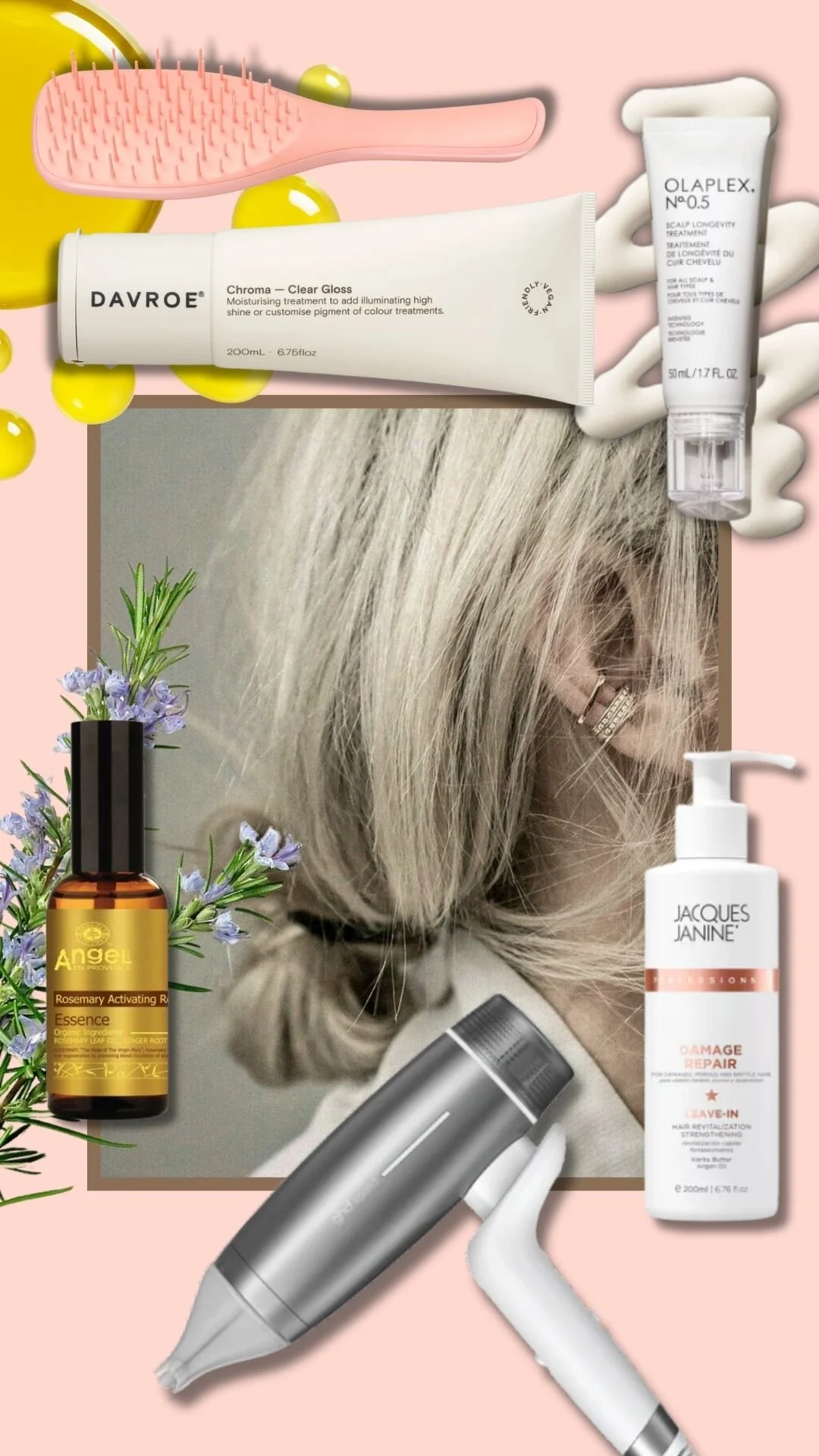
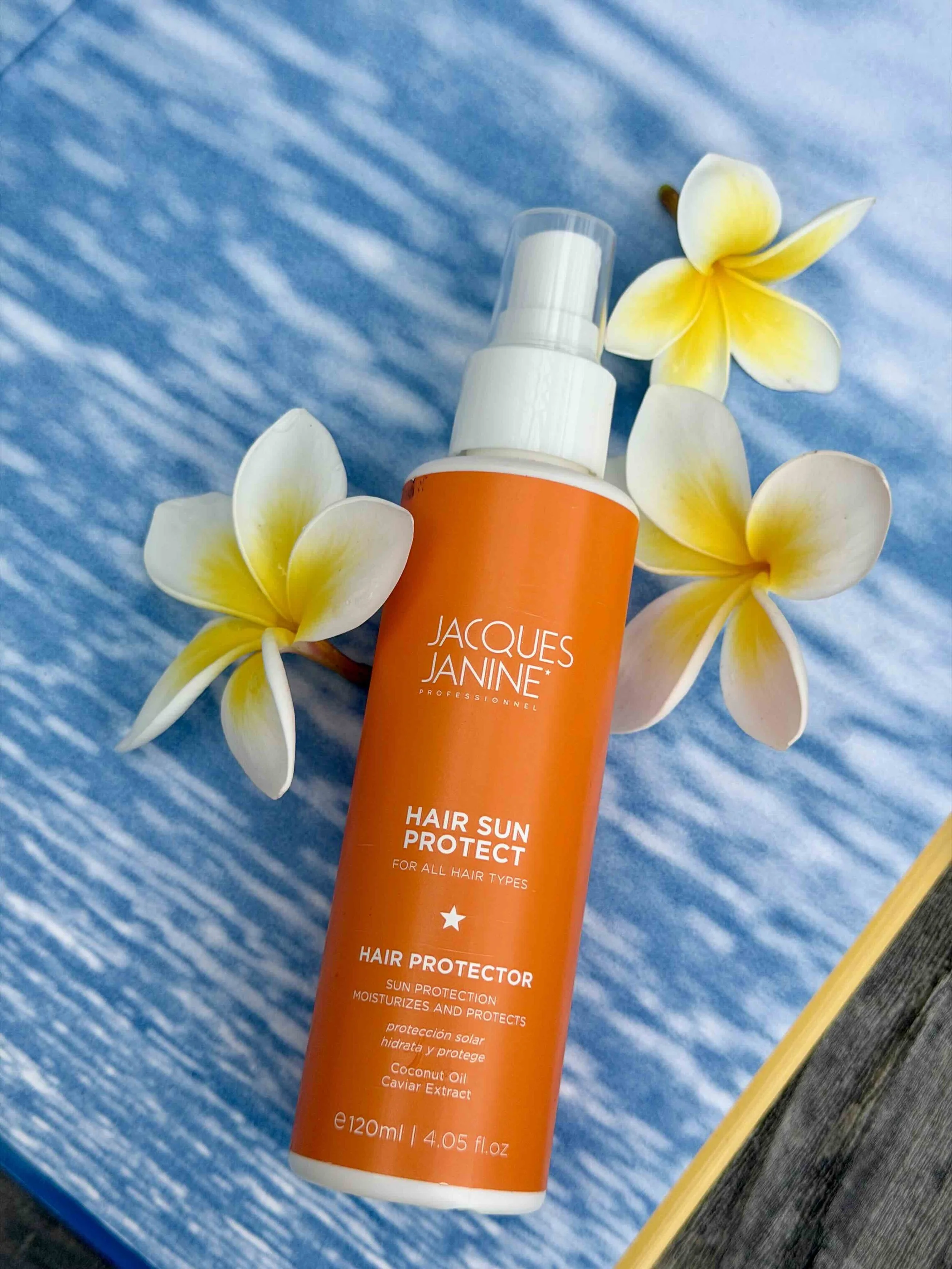






The most requested hair styles and how to get the look.