
As a hairdresser in the ‘80s, perms were impressive. Remember, pop icons of that time like Madonna, Whitney Houston, Tina Turner, and Cher, who rocked the iconic "big hair" look of the ‘80s, achieved it with a perm. Today, this trend has also gone full circle. Finding new life in the 21st century - perms are back. Editor Trudi Brewer reflects on a look she once wholeheartedly embraced and shares how a new-generation perm can transform your style.
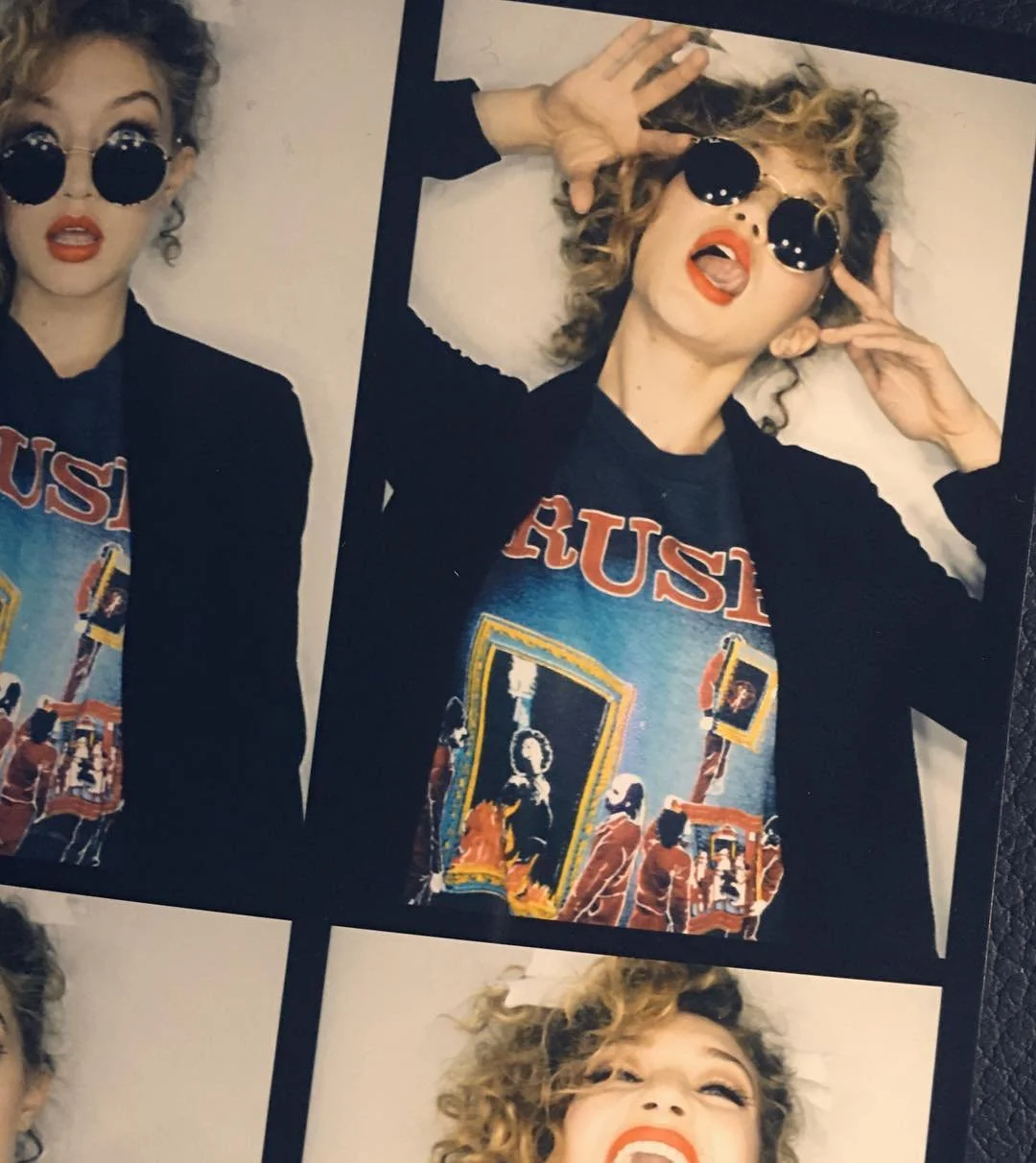
Gigi Hadid with her full 80's era Madonna permed curls. Image Instagram
My root perm
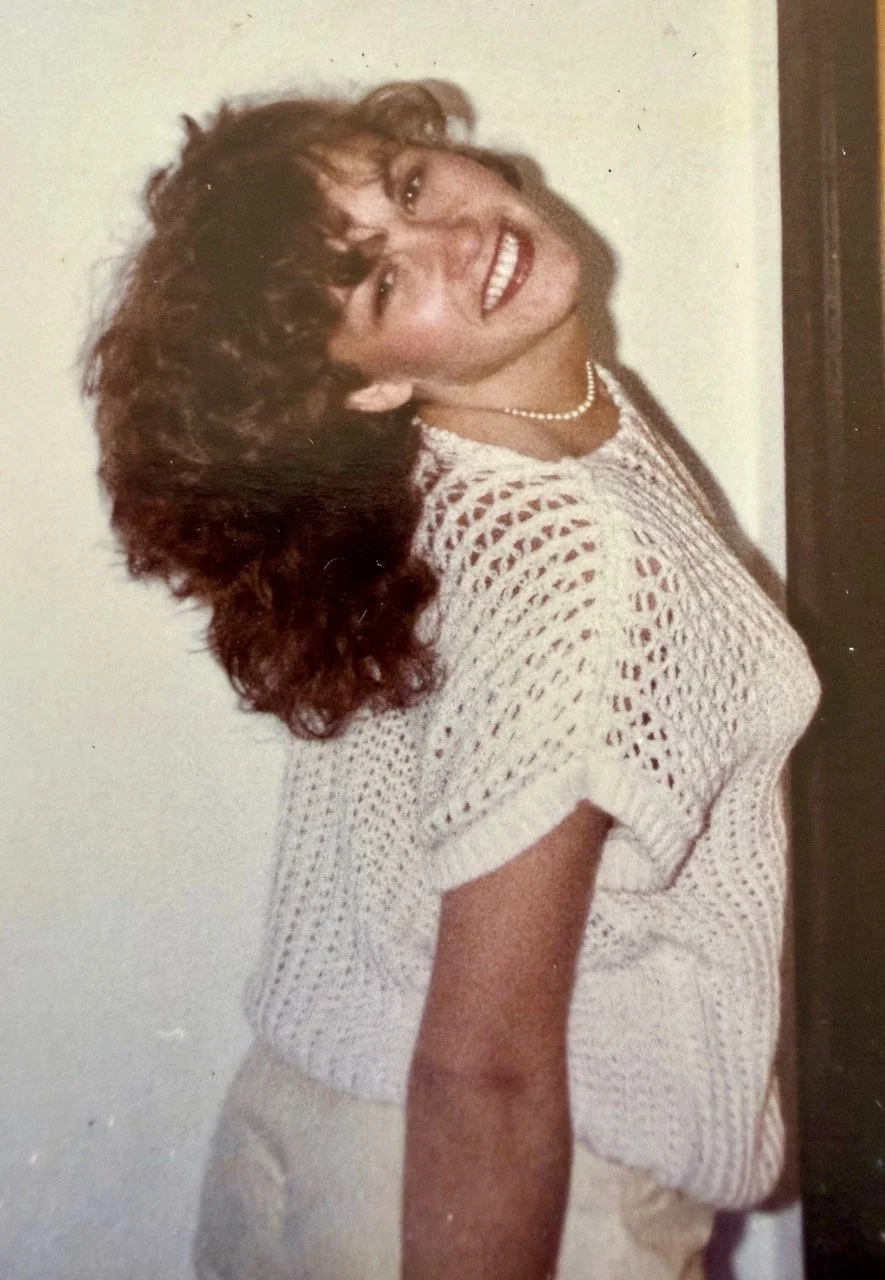
Editor Trudi Brewer’s 80’s root perm
When it comes to fashion and beauty, what goes around comes around. Perms are no different. I embraced the 80s era of big hair; it suited my hair, and after all, who doesn’t want full, bouncy hair, right? Like all trends, perms, particularly the root perm and the Korean perm, are making a comeback.
In the '80s, I had a root perm. Channelling Madonna’s look from her 1984 single “Like a Virgin” was my goal. Looking back, I didn’t really need a perm, and I didn't nail that look either, but working on the salon floor, it was a great way to showcase the latest trend. So back to my perm. Although I had naturally wavy, thick hair, I wanted to tame the frizz, and a root perm did the trick. It was a low-maintenance “shake and wear” style, which I often accessorised with a head bow (not a look I would rock today), but like all trends, I look back on my root perm with a smile. While the smell of perm solution is still as pungent today as it was back then, the process and results have improved significantly since my salon days of the 80s; modern hair care has too. Products are far superior, helping reduce the risk of hair damage. My professional opinion in the 80’s, and today, remains the same: If you want more volume in your style, perming (depending on your hair type and texture) is the answer to voluminous bouncy curls.
What’s A Root Perm?
Perms alter the shape of the hair strand by using a chemical solution that relaxes the hair bonds. Root perms: use small rods, applying the perming solution to the roots and focusing on the first few inches of hair rather than rolling the entire section around a rod. Leanne Rose, owner of Vauxhall Road Salon in Auckland, Devonport, has been a hairdresser for four decades and knows her way around a perm. "Home permanent waving solutions have been available since the mid-1940s; their popularity in the 1970s and '80s was crazy, everyone wanted or was recommended a perm, to boost volume and create curl, and they are making a comeback today," says Rose. She admits techniques today have changed to achieve a more modern, relaxed wave, but the chemicals are very similar to those used decades ago. Essentially, perm solution softens the hair bonds to create an S-bend or curl in the hair, which for most people typically lasts three to six months.”
What is a Korean perm?
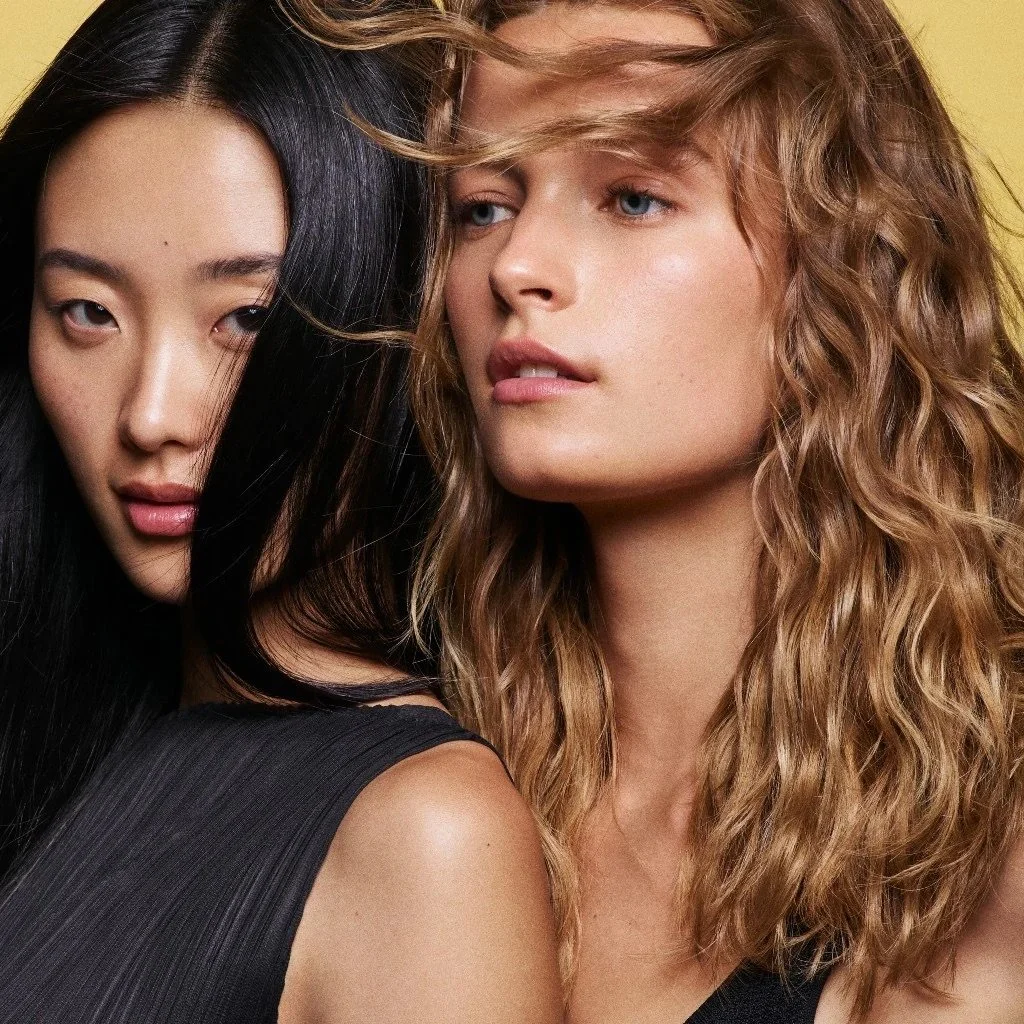
Gaining popularity in the West, this style perm can help you achieve wavy or bouncy hair with a looser, more natural-looking curl. “Regular perms, such as the root perm, are referred to as 'cold perms' and create a curl when the hair is wet, using a solution that relaxes the hair to curl around perming rods. While the Korean perm, or digital perm, uses hot rods regulated by a machine with a digital display, hence the name. The key difference between regular perms and Korean digital perms is the shape and texture of the curl, which is created by heat and a digital process,” says Rose.
"A regular perm, or 'cold perm,' creates the curl, which is obvious when the hair is wet, and if air-dried, it’s a ringlet style wave. A digital perm is most noticeable when the hair is dry, creating volume similar to that produced by a curling iron or heated rollers."
Expect a Korean perm to take between two and three hours, depending on your hair length, and to cost $250 to $300.
What hair type is best suited to a perm?
“Root perming is a great solution for anyone with flat, lifeless hair who wants volume at the roots. For many clients, it means no more teasing the hair or the need for volumising hair sprays that in summer often fall flat after a few hours,” says Rose. Who adds this style perm is also very flexible. “You can have a partial perm just at the crown or front of the hair to get that Hollywood-style lift, while the rest of the hair’s natural texture remains the same.” Rose adds, “We can also use large velcro rollers with root-perming to give that bouncy blow-dry effect in long hair.”
For anyone wanting to try a root perm, Rose’s does have a few tips: “Your hair health is the first consideration. I am reluctant to perm heavily bleached or very damaged hair, after all, it is another chemical on the hair. However, it’s suitable for anyone with balayage, as the perming solution is concentrated only at the roots. Avoid tight updos in the first few weeks; you don’t want to stretch freshly permed hair, as the S-bend needs time to settle into its new shape.” Finally, Rose prefers visual references for the initial consultation. “Make sure to share some hair looks of the final curl or volume you are after, and that will determine the roller size we use.”
What to expect at the salon
Here, Rose gave us the lowdown on the process of getting a root perm, so if you do decide to go for it, there won't be any surprises.
You don’t need to wash your hair first: The first step in your perm is a thorough shampoo to remove excess oil and product buildup.
Perming Solution: After washing the hair, rollers are placed in sections at the roots. Once the solution is applied, it will process for up to 20 minutes. Sometimes the solution may need heat to process. This depends on your hair type and the solution used.
First Rinse: After the perm solution has processed, the hair is rinsed for about 10 minutes in cool water. Similar to the first wash, this needs to be thorough. This eliminates all traces of perm solution.
Shaping Solution: The hair is then patted dry, and the second solution is applied to neutralise. This will set the hair into its new, S-bend to give root lift. This process takes approximately 10 minutes, depending on the product used and the hair length and thickness.
Final Rinse and Style: The neutraliser is then rinsed for about five minutes. The perm rods are removed, and the hair is styled. Avoid washing your hair for 48 hours, and we always recommend using a sulfate-free shampoo after perming.
Cost: Depending on hair length, expect to pay between $250 and $400.
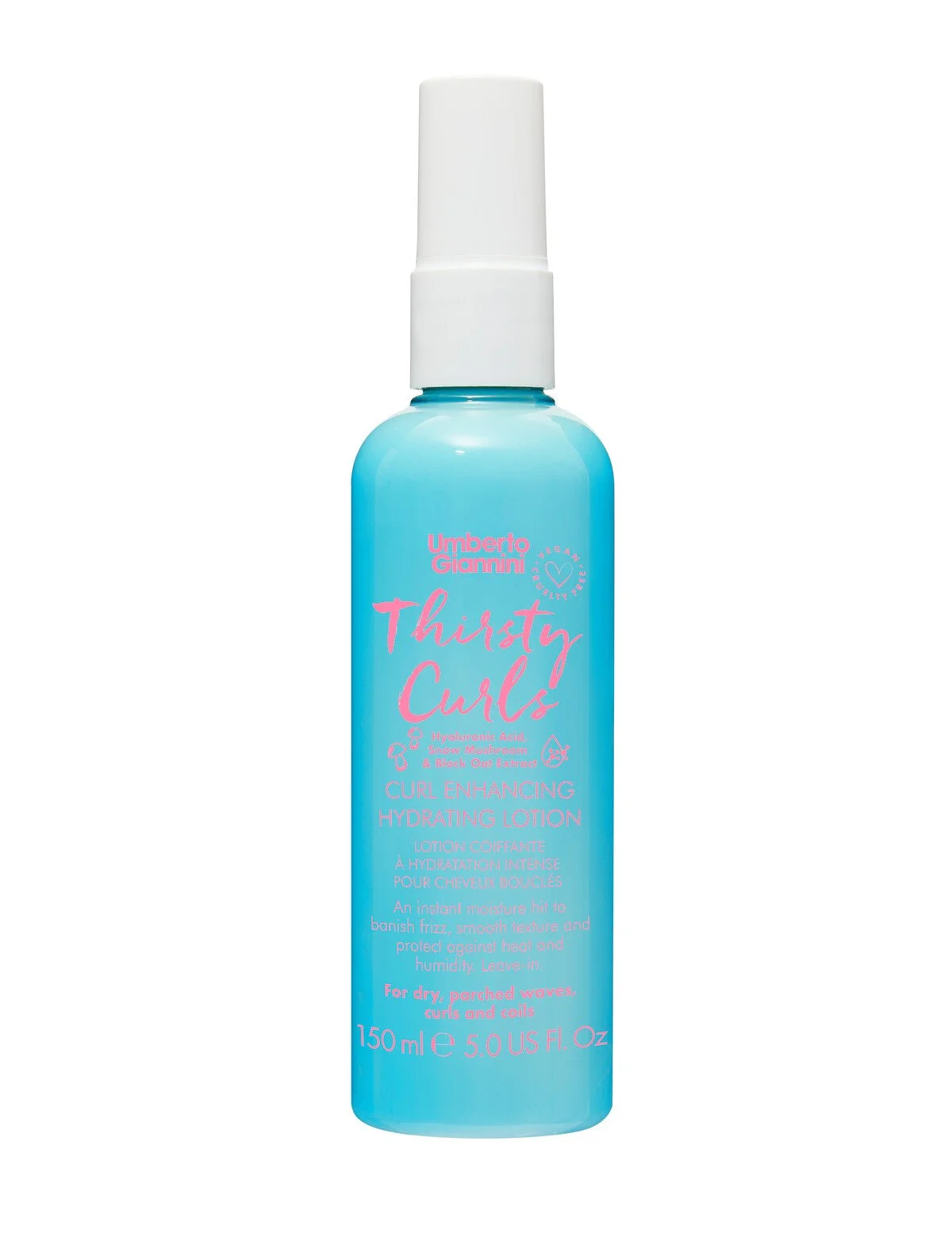
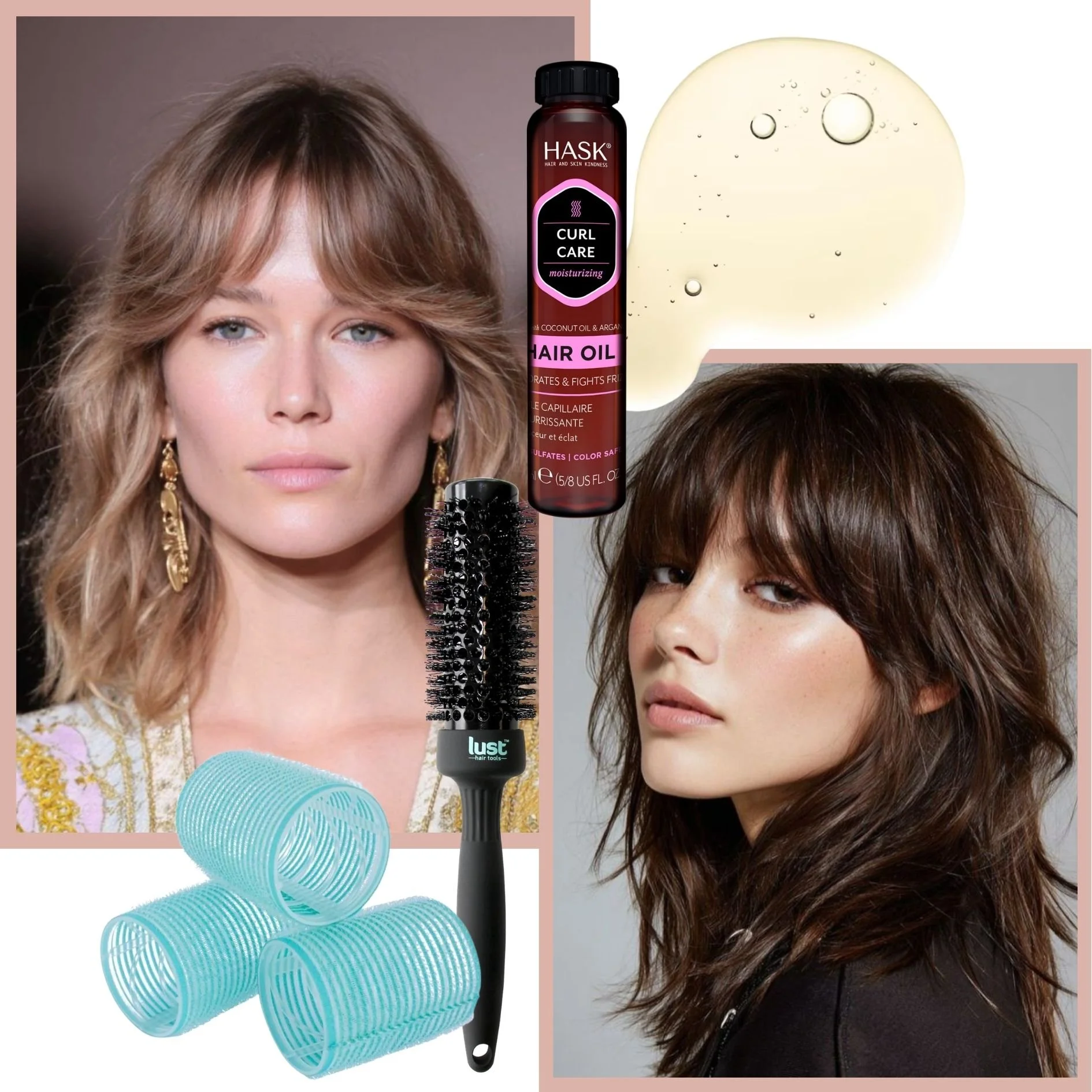
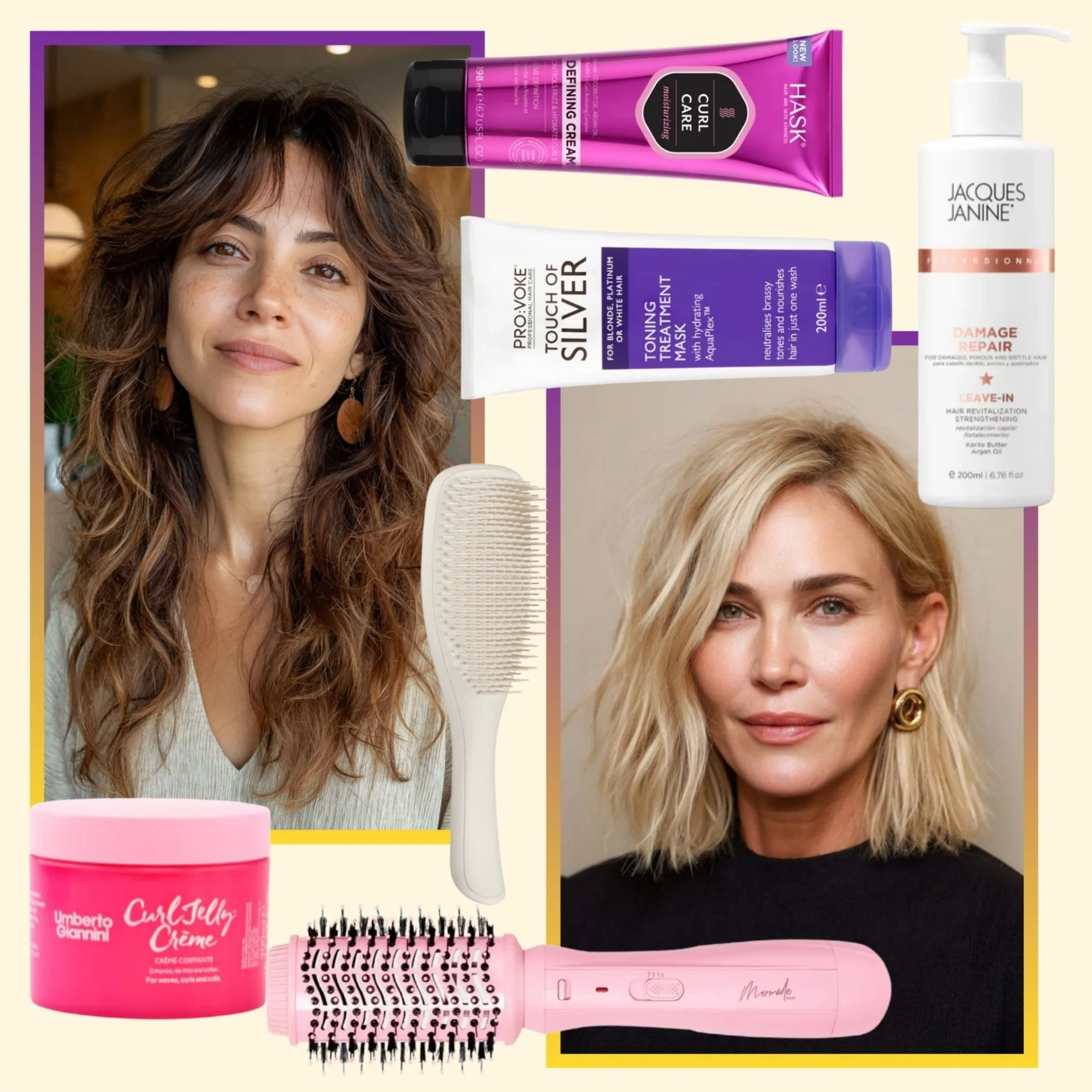
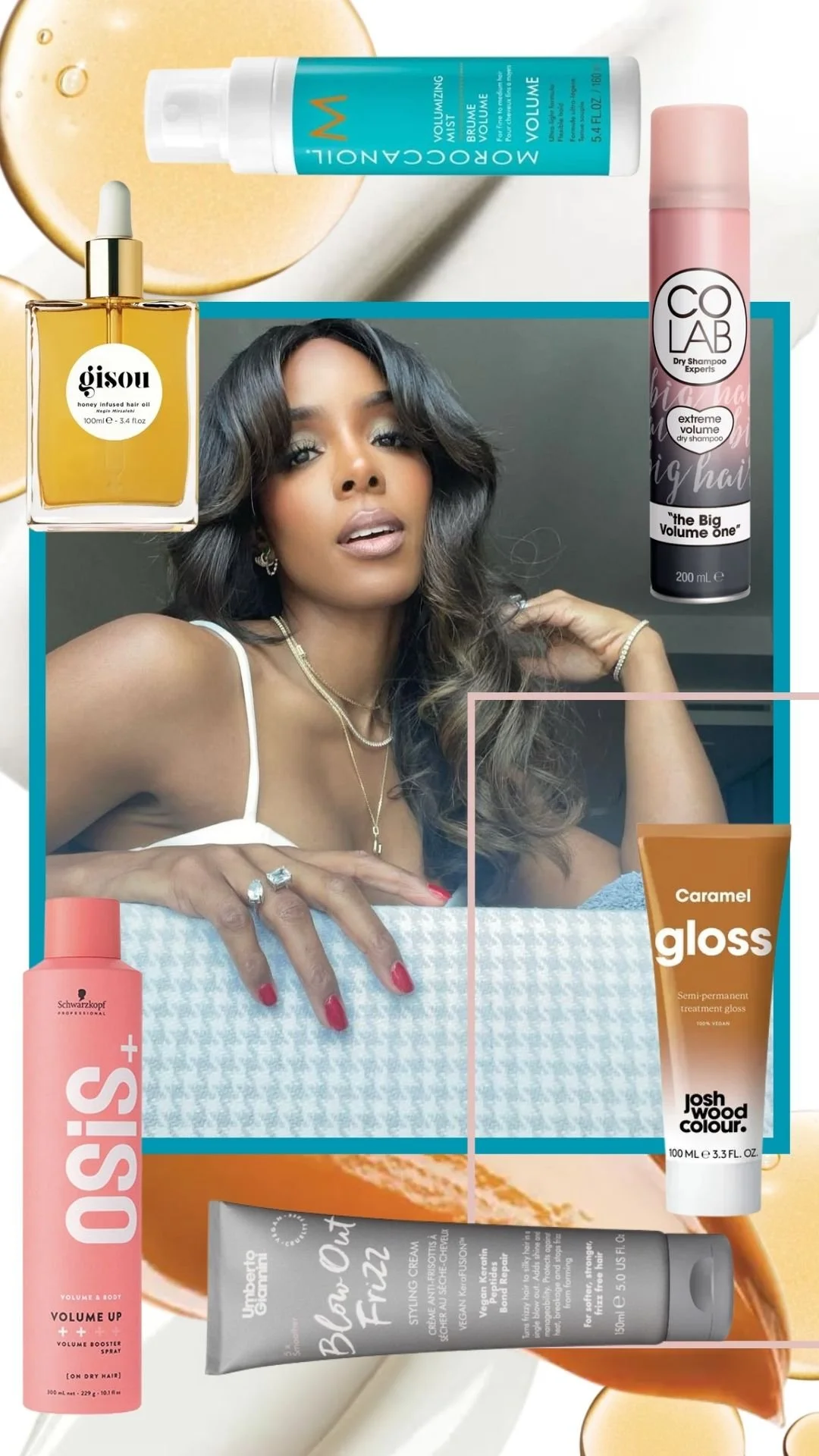
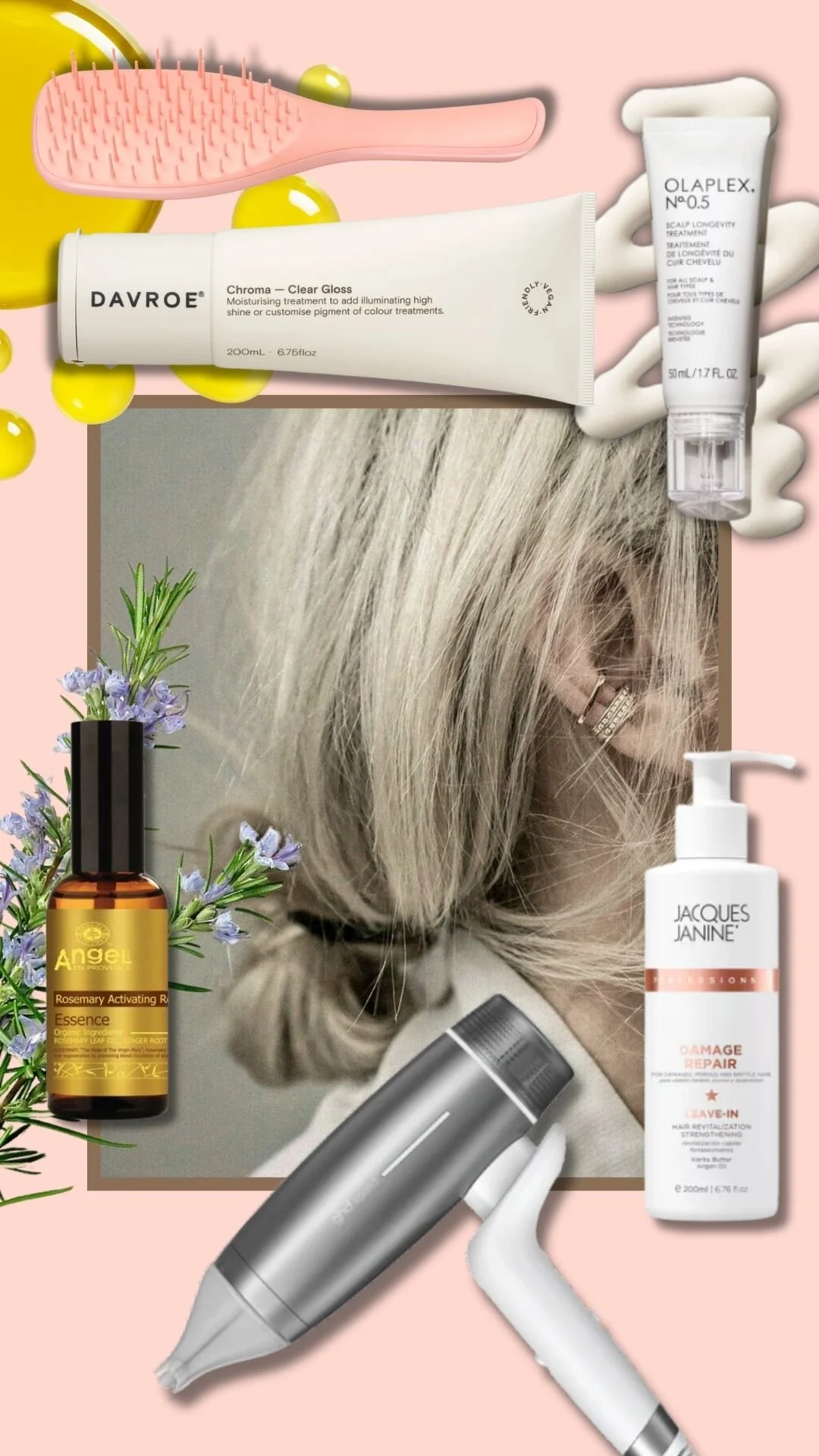
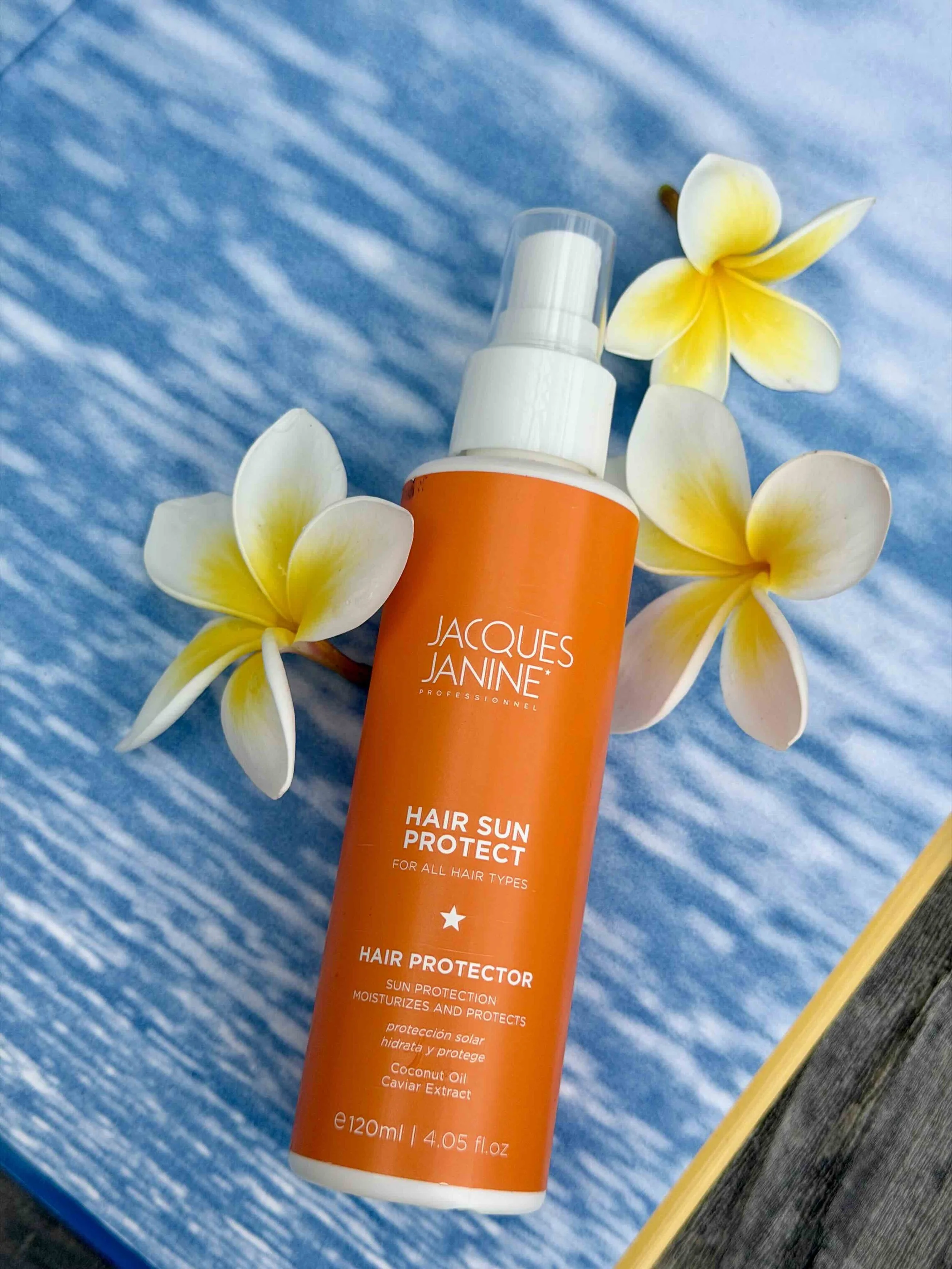
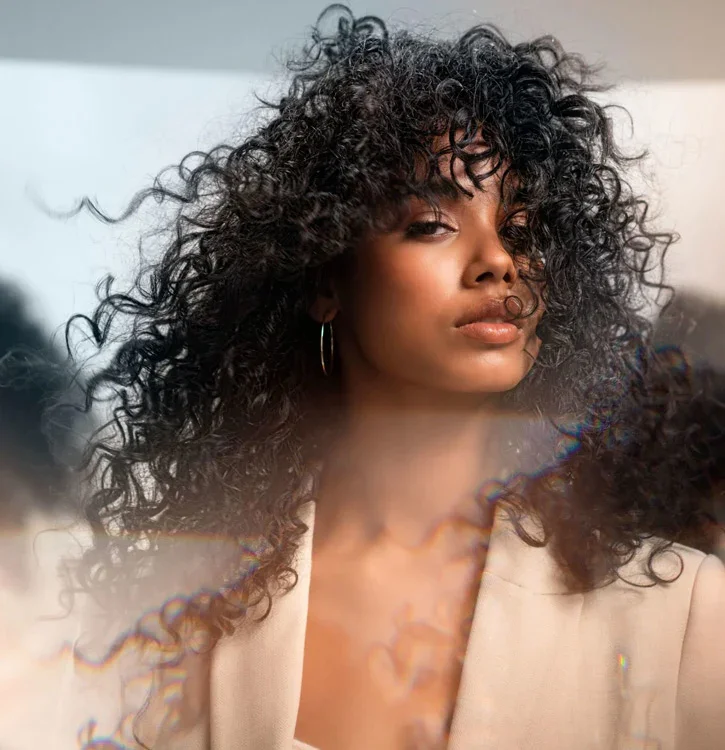
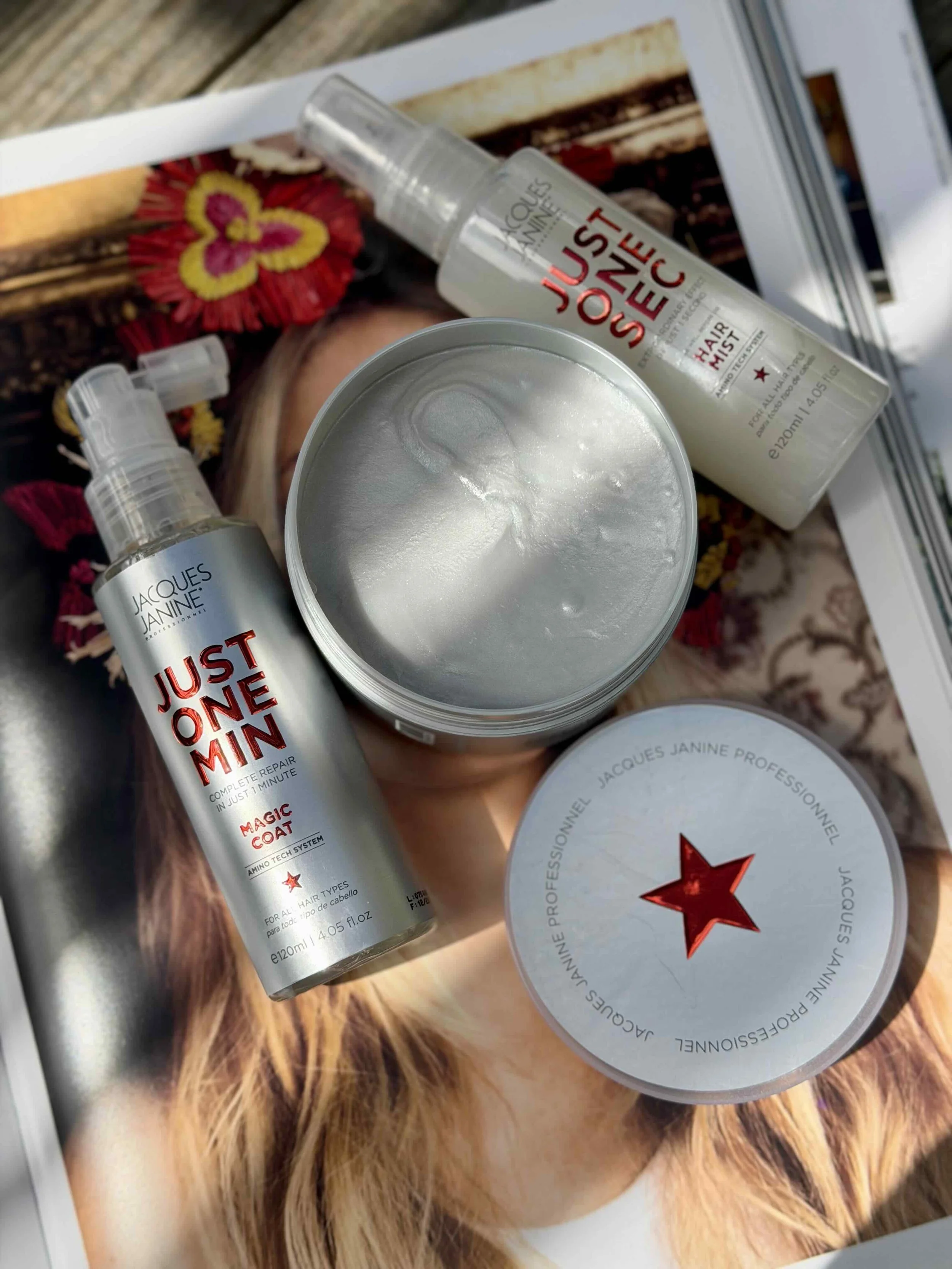
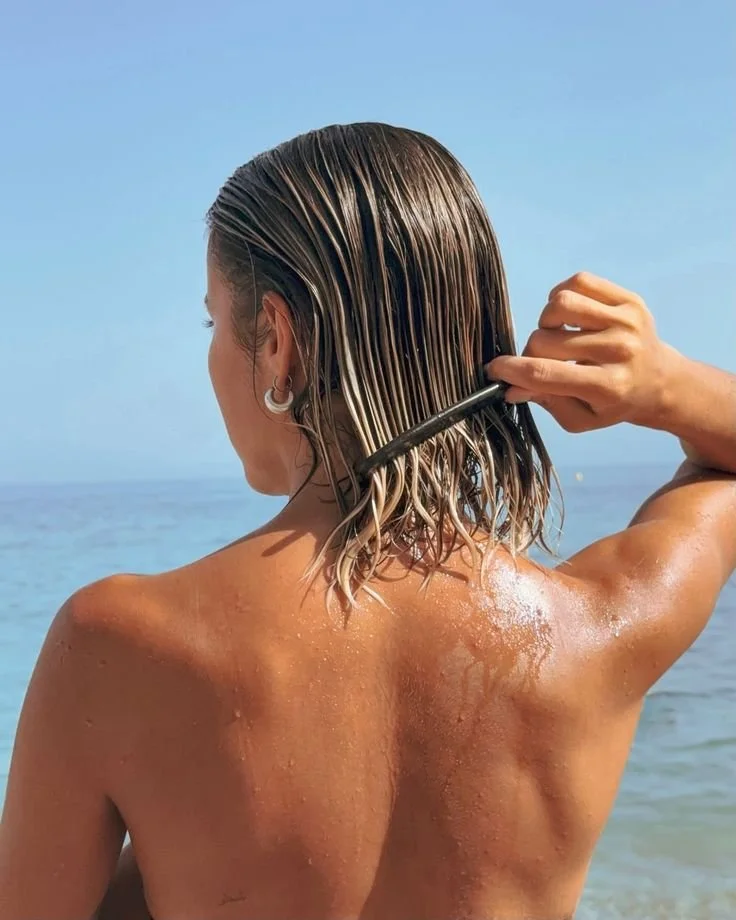
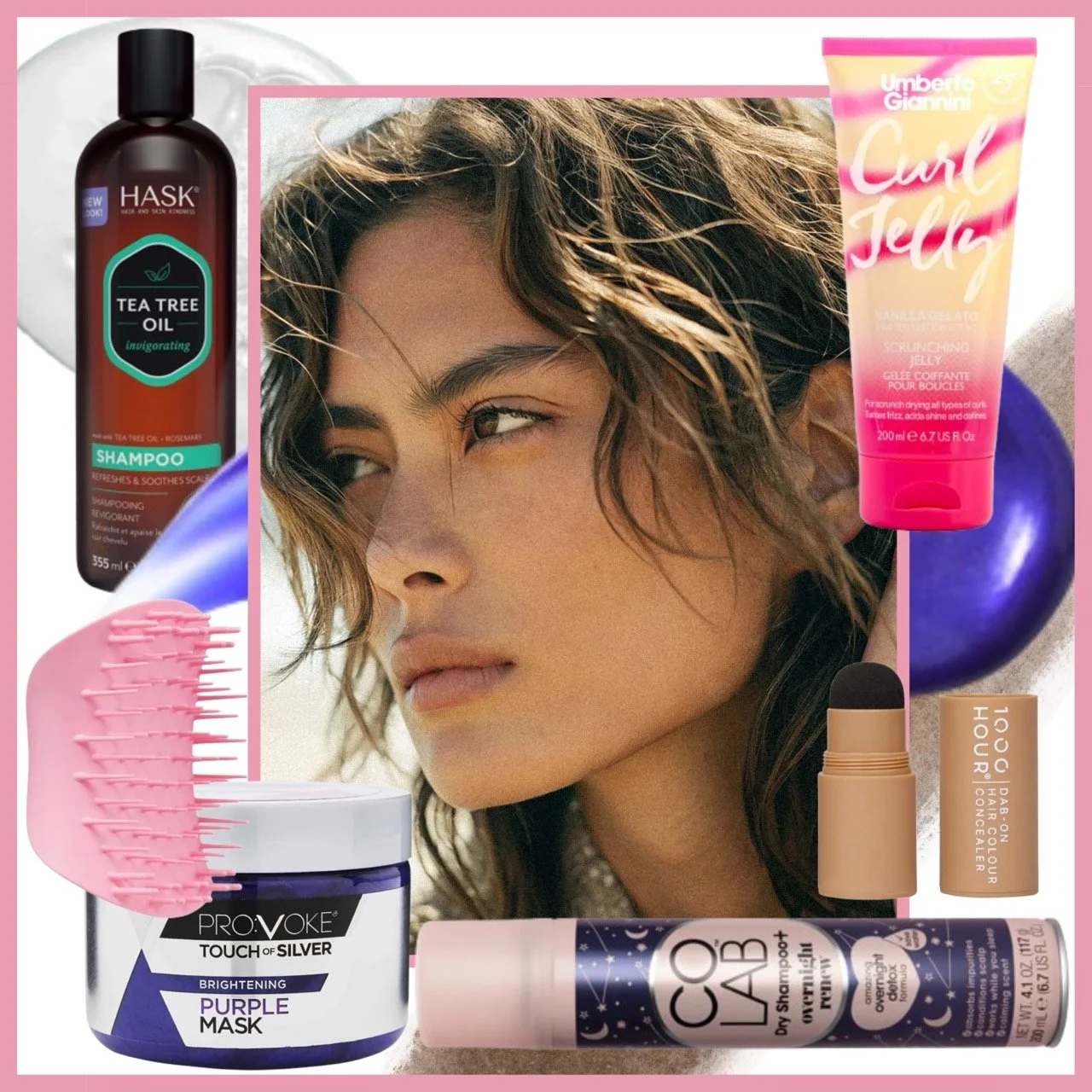
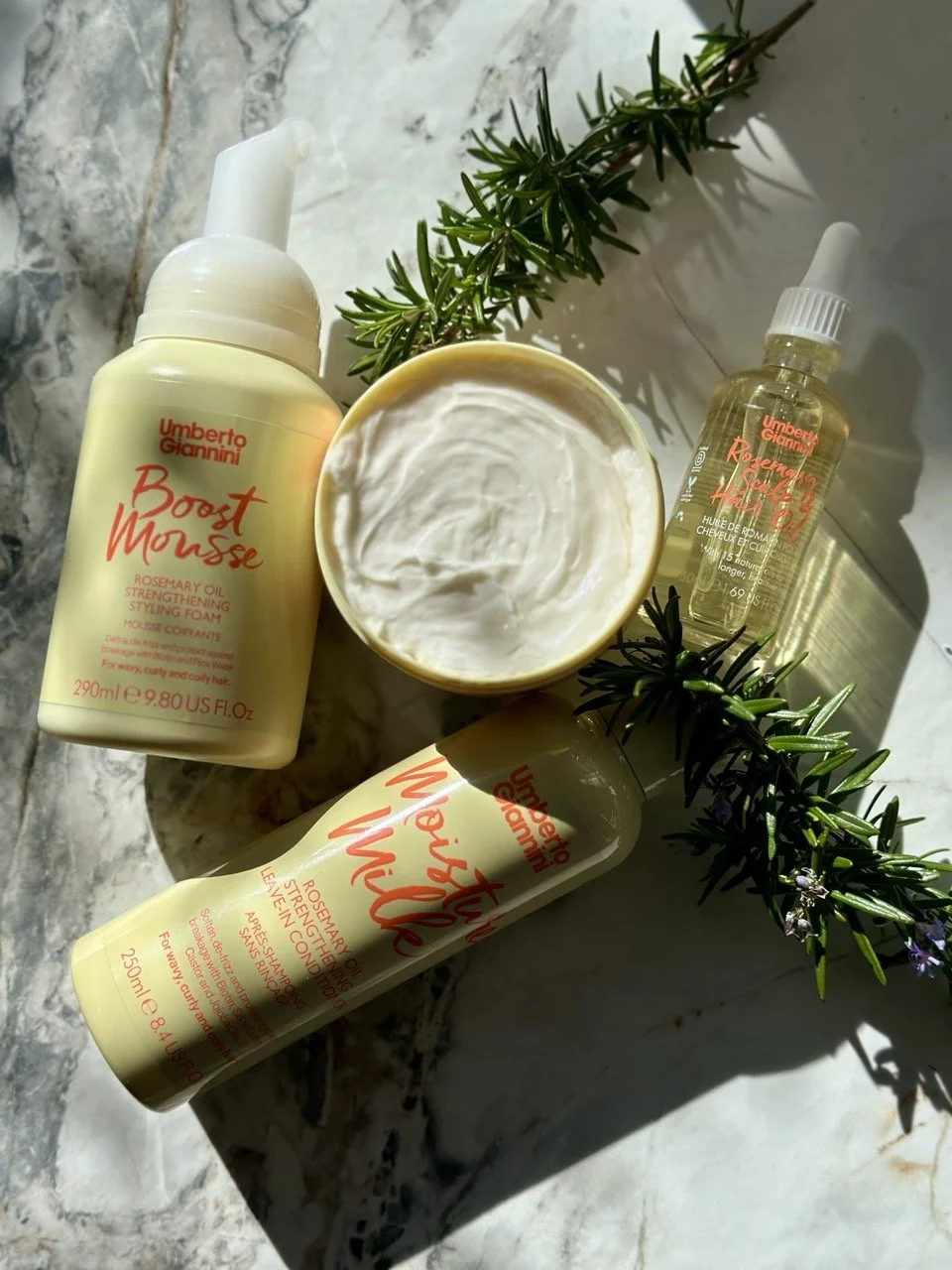
Perm-friendly hair care we rate
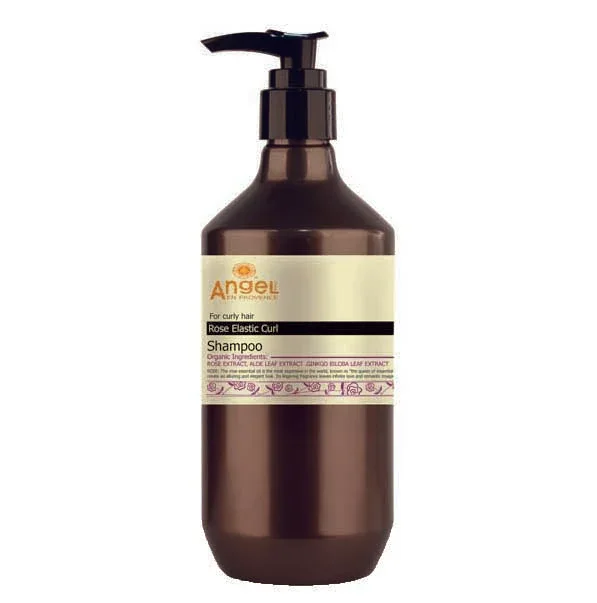
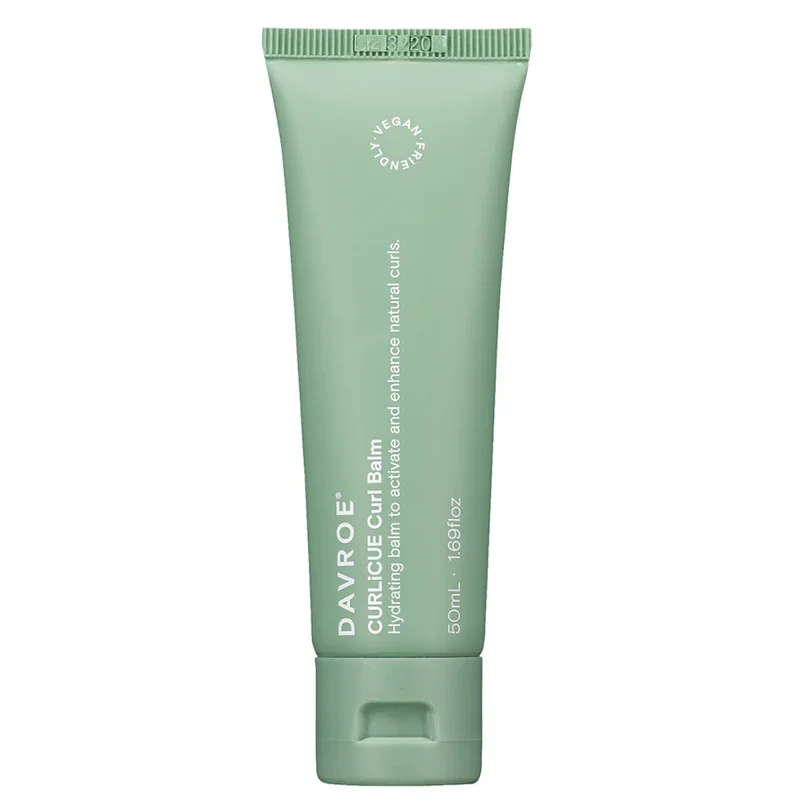

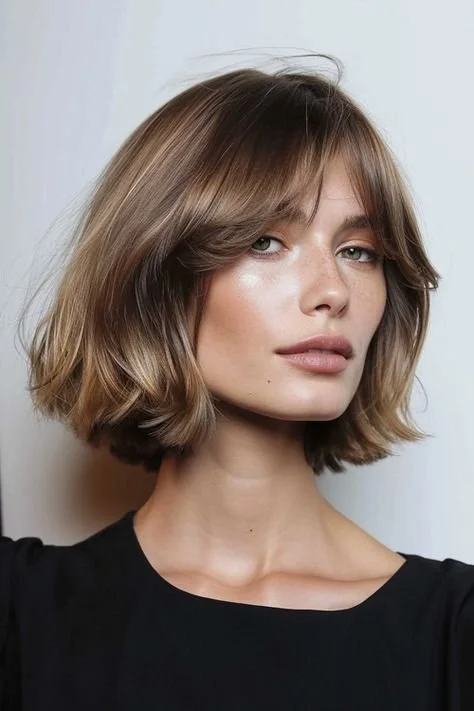


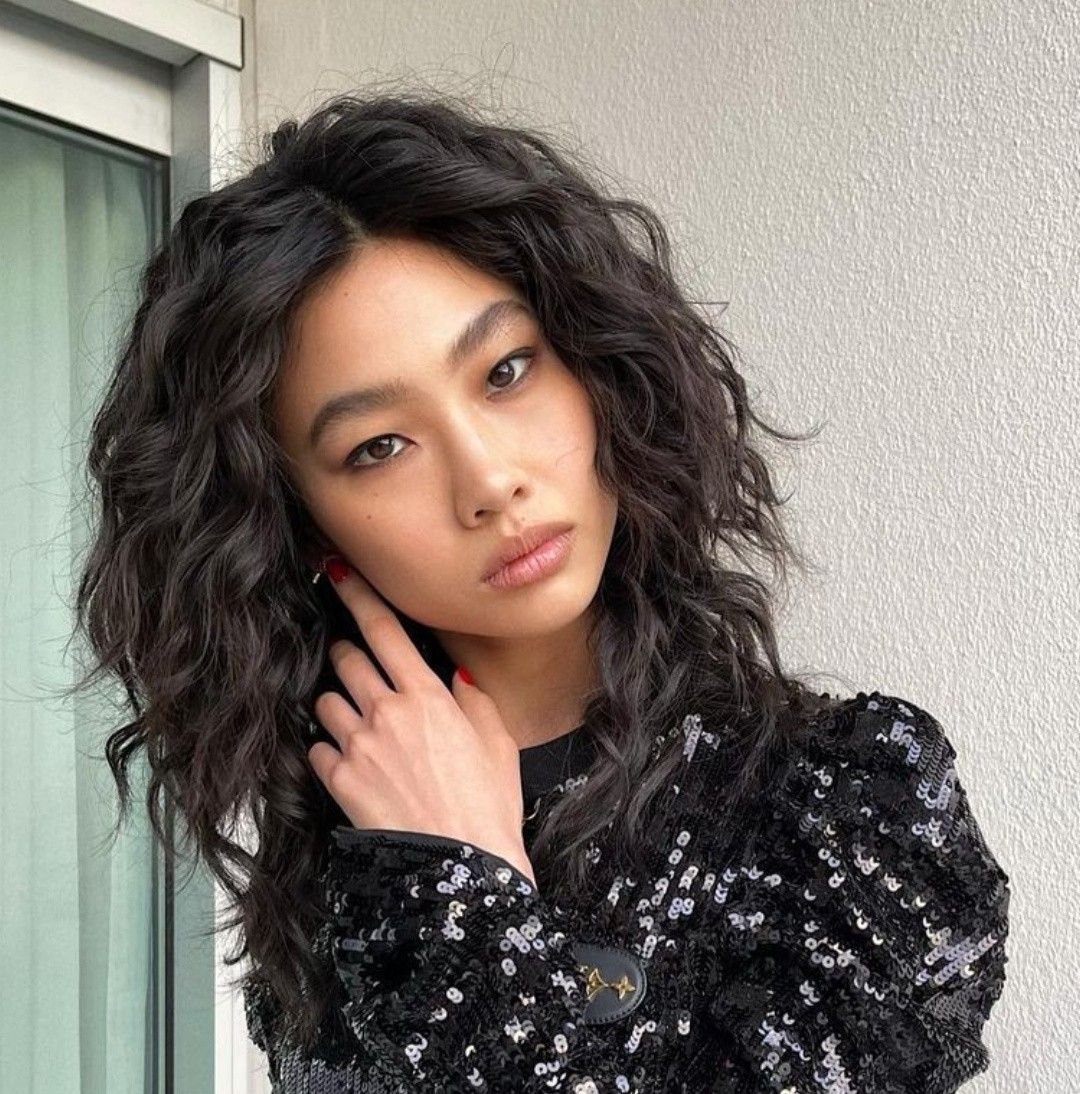
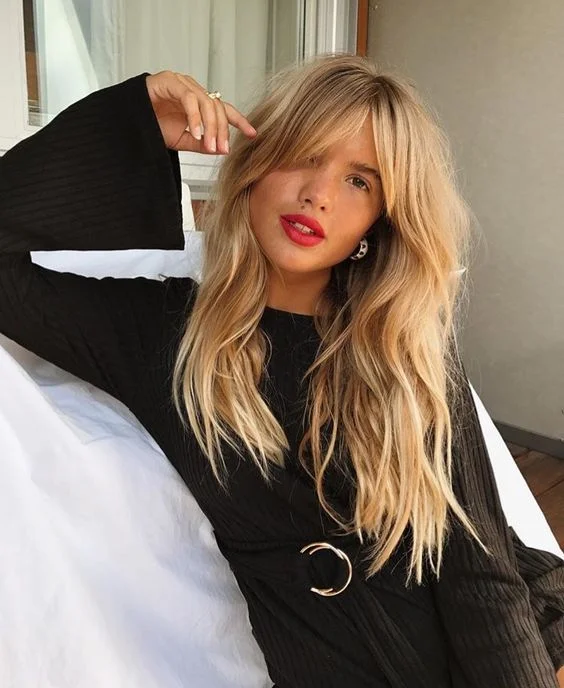







The most requested hair styles and how to get the look.