
From salmon DNA to the promise of glass skin, Rejuran has become a cult treatment in South Korea, where the pursuit of a smooth, luminous, almost poreless-looking complexion has fuelled it’s popularity.
Gaining momentum internationally, this injectable treatment promises more than a temporary glow, focusing on improving skin quality from within - but does the viral Korean beauty favourite live up to the buzz?
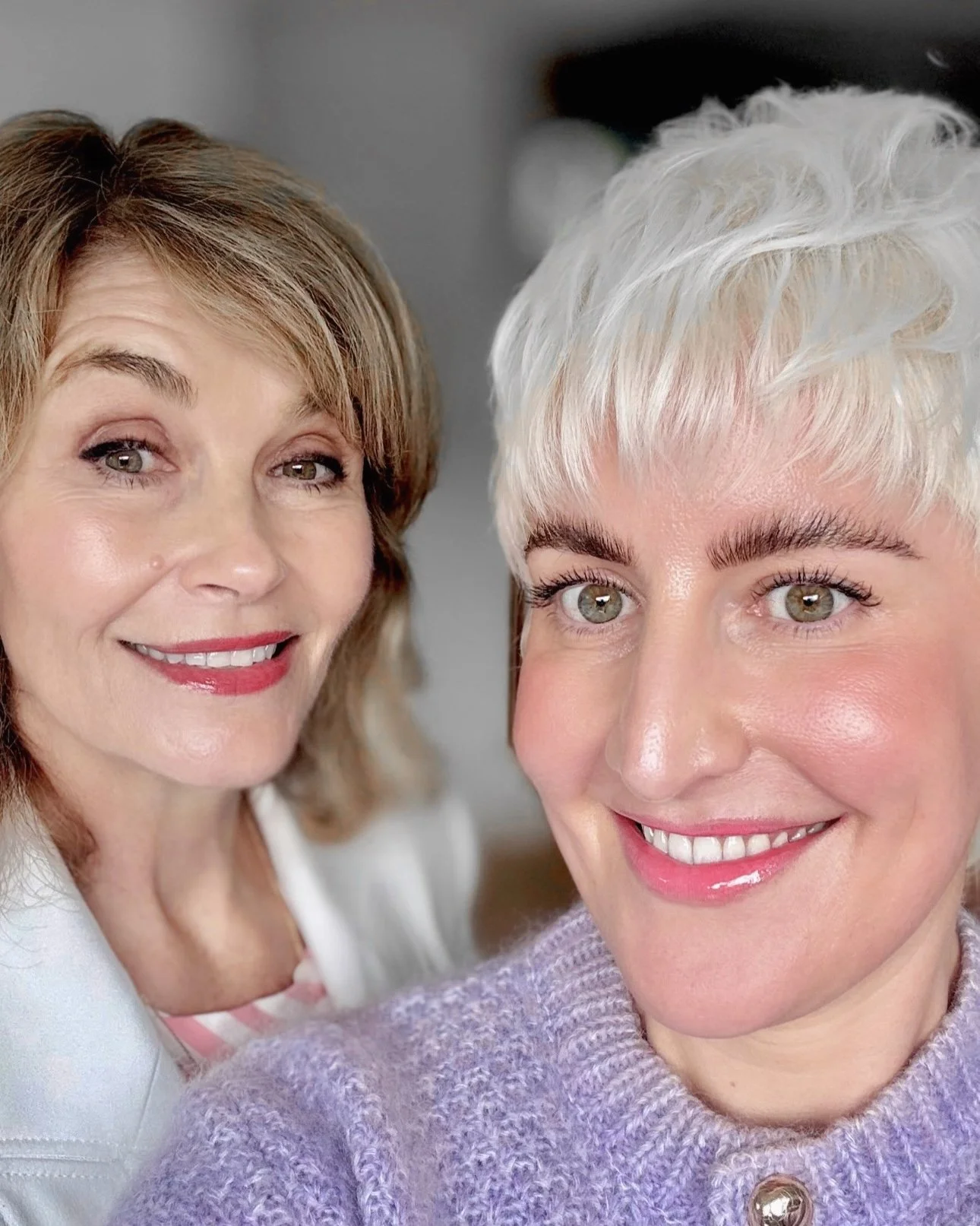
BeautyEQ Style Director Louise Hilsz tests it with Dr Rachel Lee of Auckland’s La Pelle Skin Clinic and finds out whether the results justify the hype.
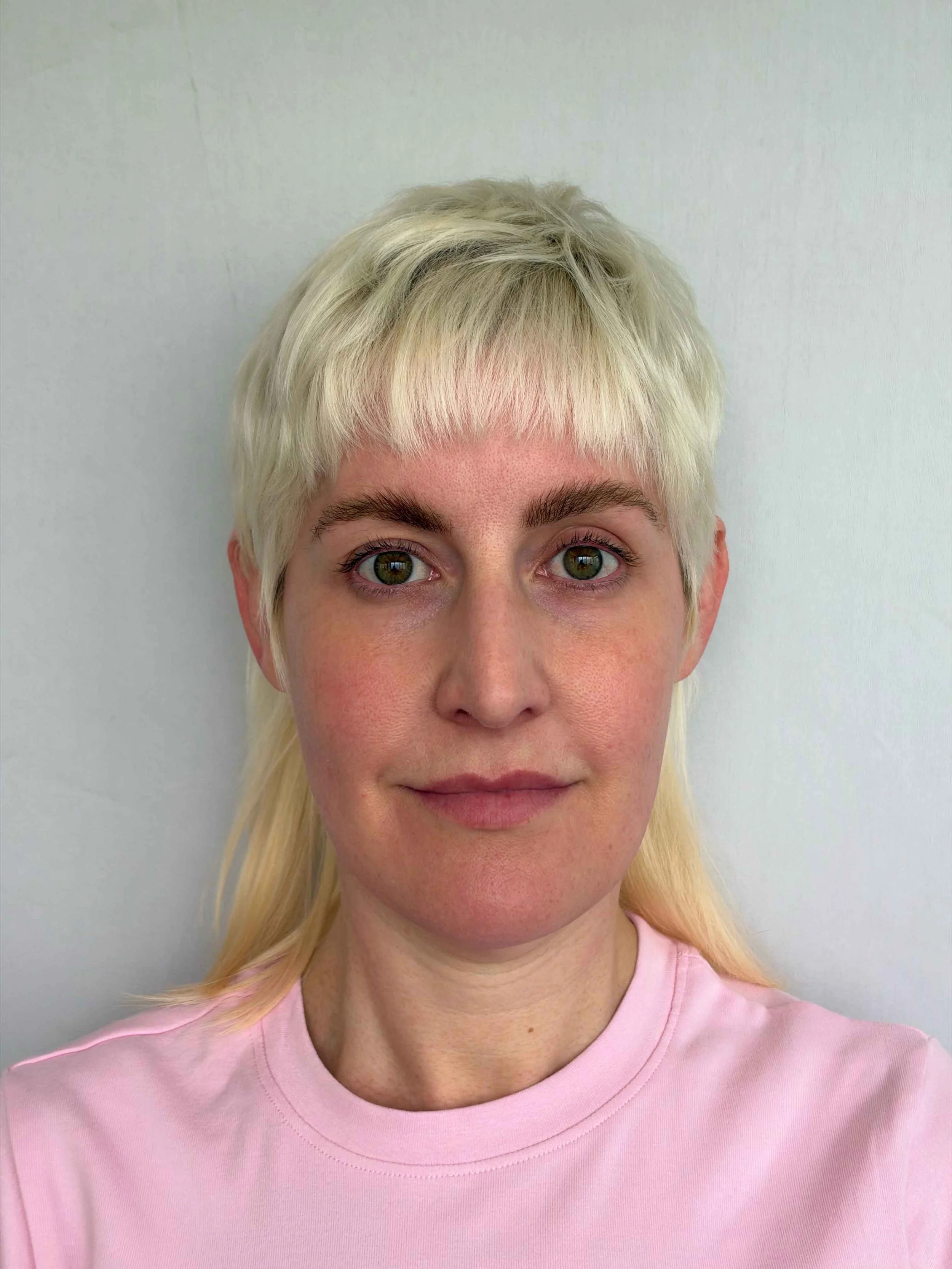

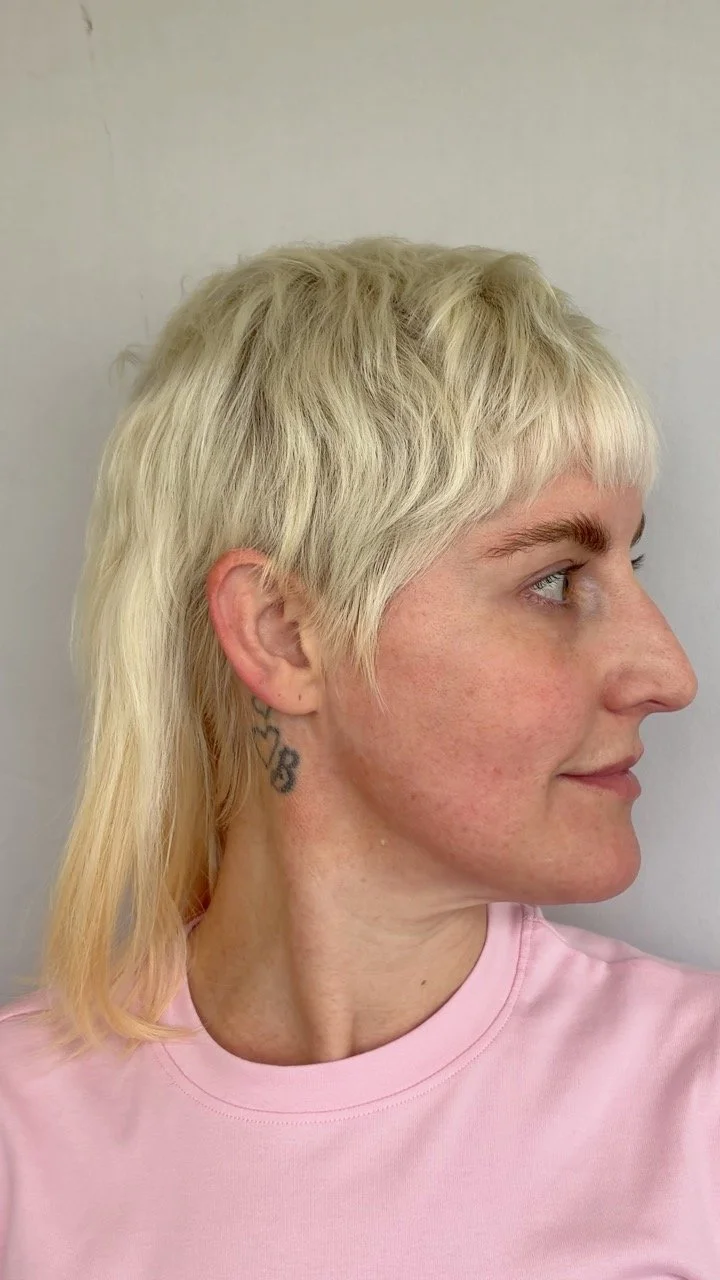
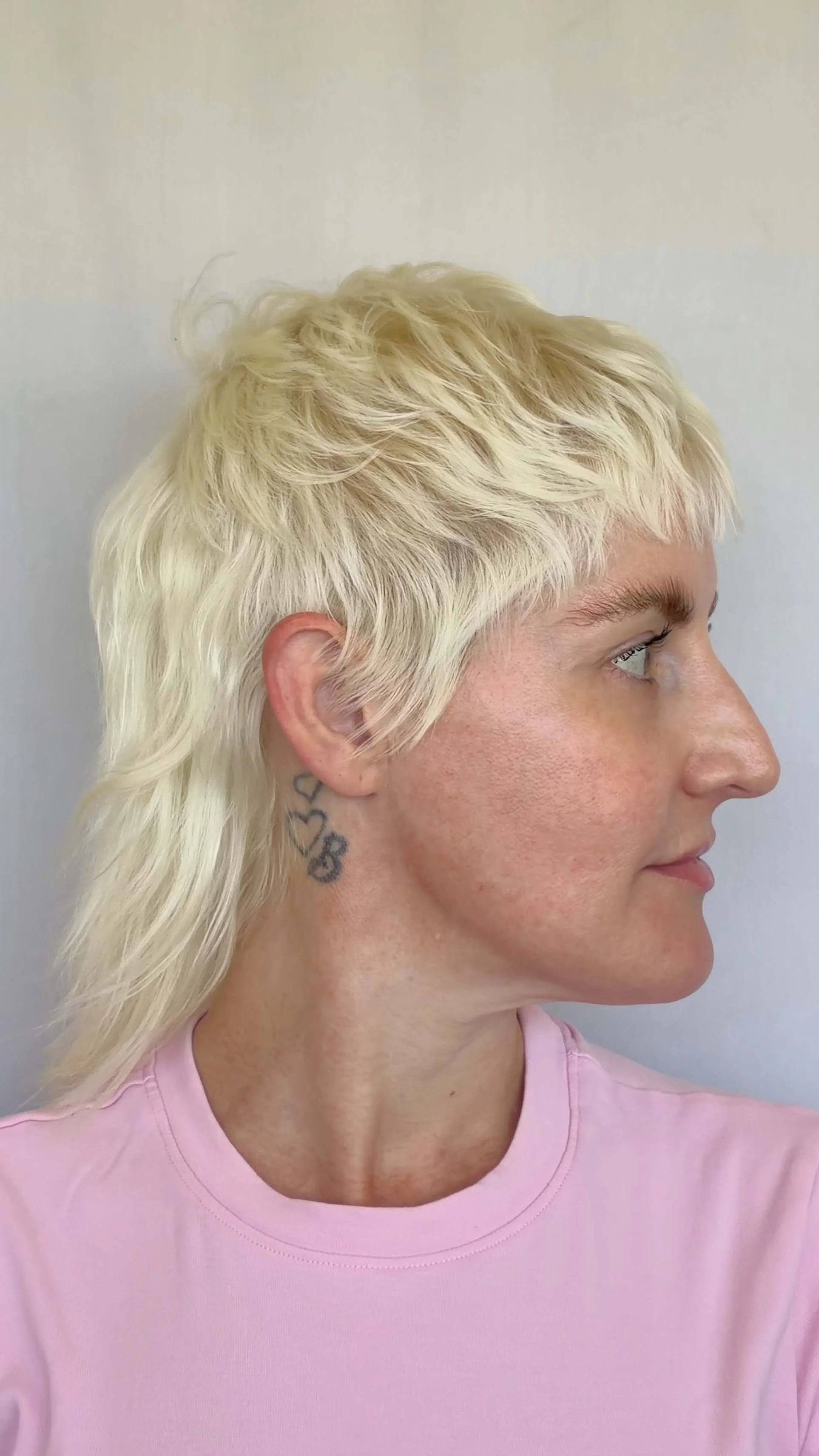
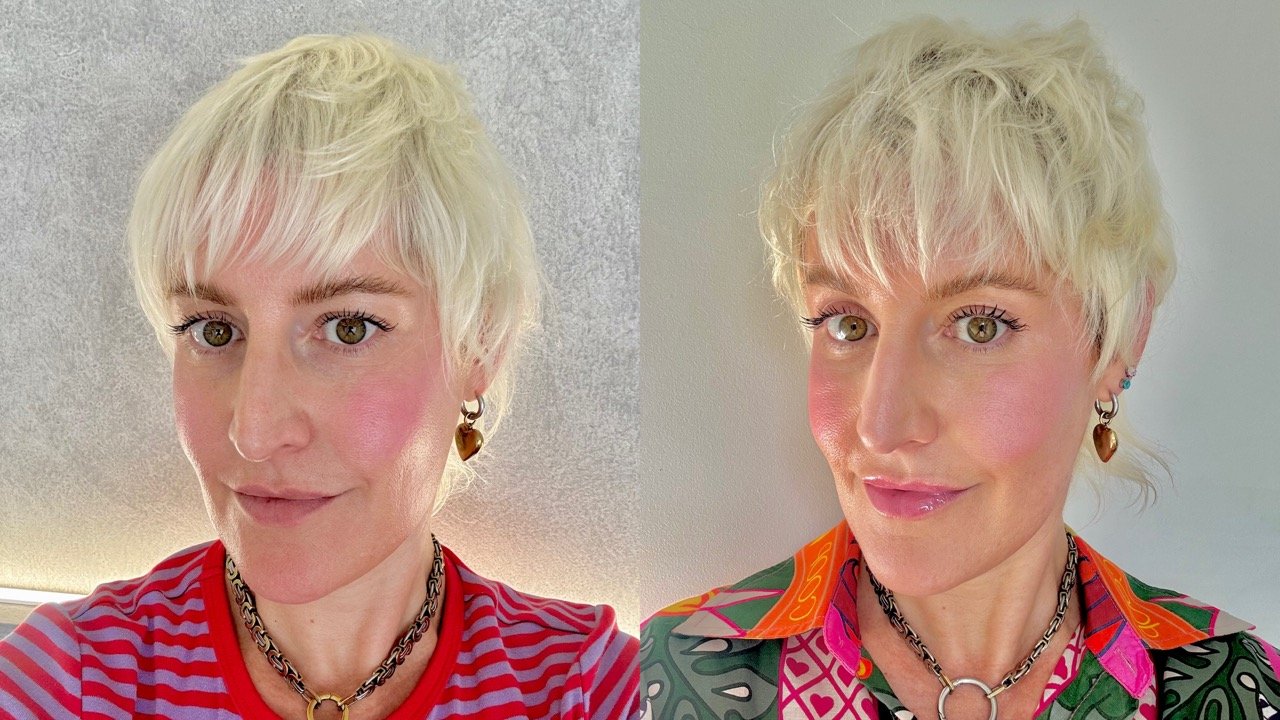
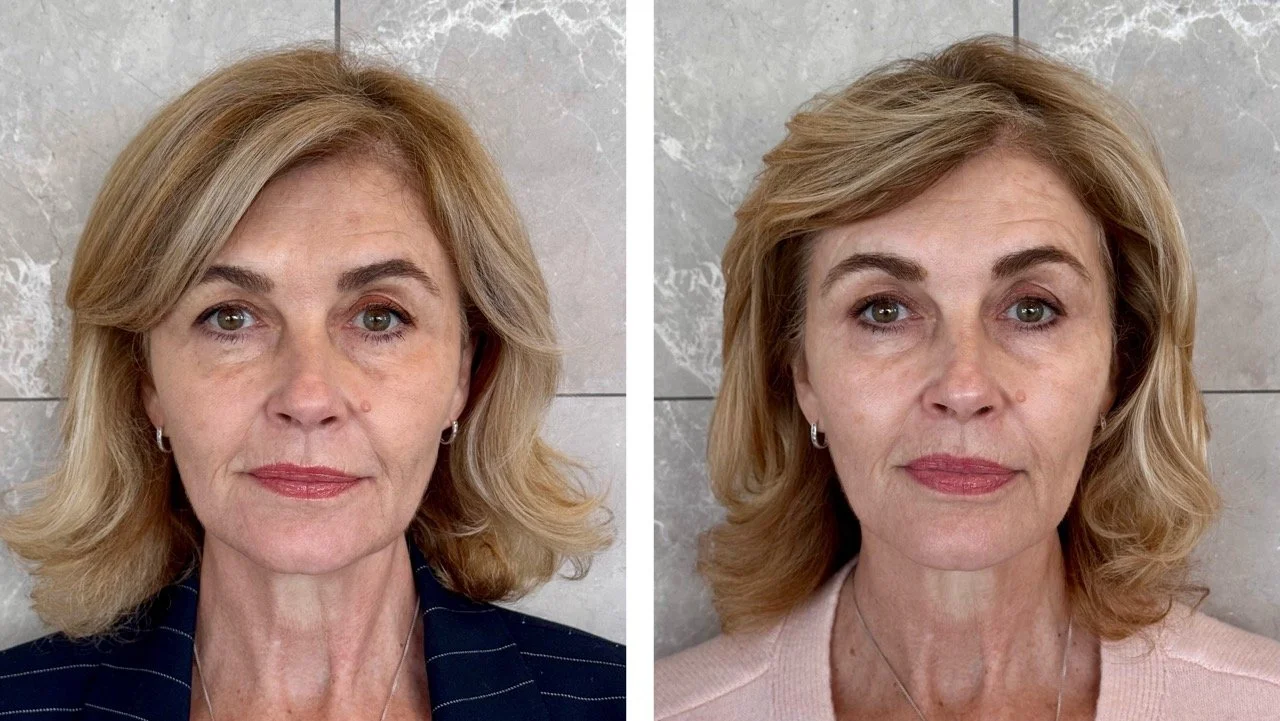
Style director Louise Hilsz before versus after two weeks
Korean beauty has long been ahead of the curve in skincare, and its latest export is making serious waves in aesthetic clinics. Rejuran, an injectable treatment derived from salmon DNA, promises to improve skin texture, hydration, fine lines, and overall skin quality without changing your facial structure. Unlike traditional fillers, which add volume, or Botox, which relaxes muscles, Rejuran focuses on skin regeneration. Think healthier, smoother, plumper skin rather than an obviously altered appearance. But Rejuran is also famous for one thing: it can be painful. So when Dr Rachel Lee introduced me to a new injection technique designed to make the treatment much more comfortable, I was keen to see whether it lived up to its reputation.
What Exactly Is Rejuran?
"Rejuran is a Korean product containing polynucleotides, which are DNA fragments derived from wild salmon," explains Dr Rachel Lee. These polynucleotides work by supporting the skin's natural repair processes, reducing inflammation and improving hydration. The result, according to Dr Lee, is healthier skin that looks smoother, plumper and more luminous. "Rejuran does not add volume or relax wrinkles. It harnesses your body's own healing and regenerative capabilities to repair and improve the health of the skin." It's an important distinction. While injectable skin boosters such as Profhilo primarily deliver hyaluronic acid for hydration, Rejuran works through a different regenerative pathway. The aim isn't to look different. It's to make your existing skin look better.
Why Dr Rachel Recommended It For My Skin
After recently undergoing laser treatment, my skin still showed signs of sensitivity, with some redness, dryness, and a slightly rough texture. Dr Lee noticed my skin barrier hadn't fully recovered and recommended Rejuran to support healing while improving hydration and texture. She opted for a double-layered approach, combining Rejuran HB Plus, which contains hyaluronic acid (a powerful humectant that draws and binds moisture in the skin), with classic Rejuran injected deeper. The idea was to deliver immediate hydration while encouraging longer-term skin repair and collagen stimulation. She also treated my under-eye area to target fine lines and skin laxity.
The New Injection Technique That's Changing Rejuran
Rejuran has a reputation for being one of the more uncomfortable injectable treatments, largely because of the product's viscosity and, in its original formulation, the absence of local anaesthetic.
Dr Lee has recently introduced the Synvex injection gun, a device specifically designed to make Rejuran treatments more comfortable. "The device uses vacuum suction to lift and compress the skin, which helps reduce pain and distract the pain receptors," she explains. Nine extremely fine needles then rapidly deliver precise amounts of product at a consistent depth. Combined with a strong topical numbing cream and the newer Rejuran HB Plus formulation, which contains local anaesthetic, the process can be considerably more comfortable than traditional injections. Dr Lee says the technology has also helped reduce downtime from the small raised bumps that typically appear post-treatment.
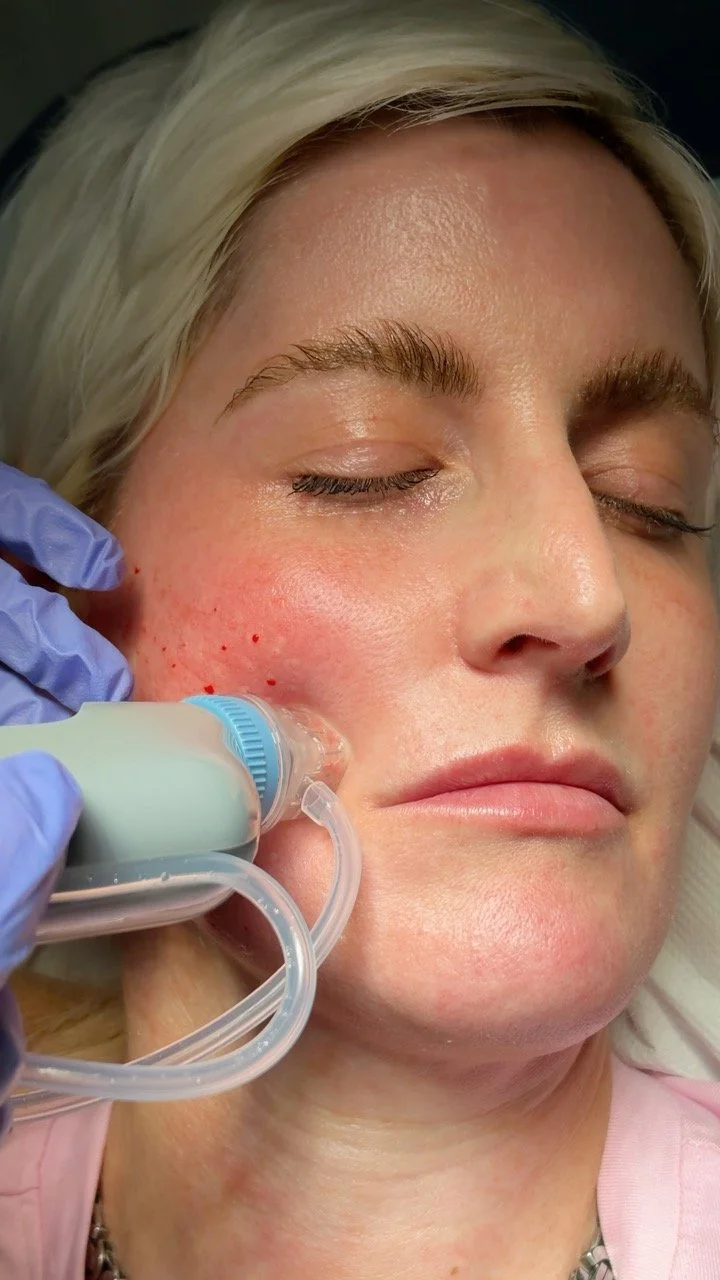
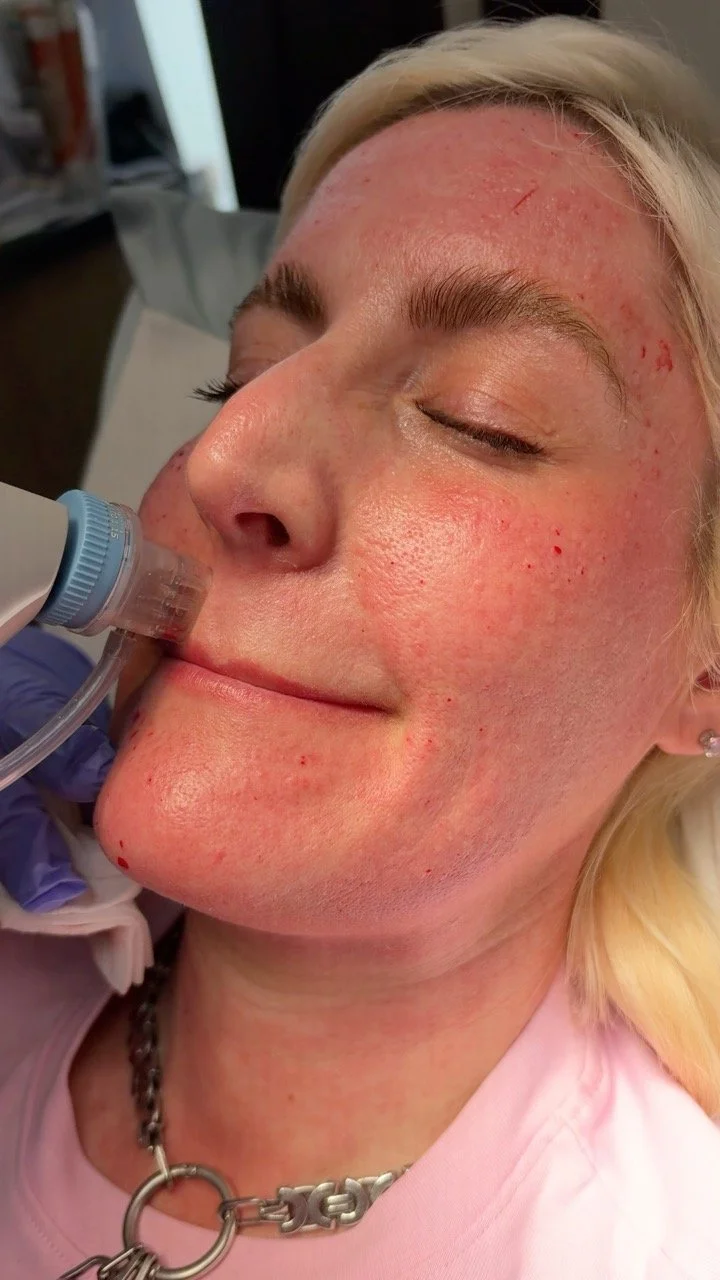
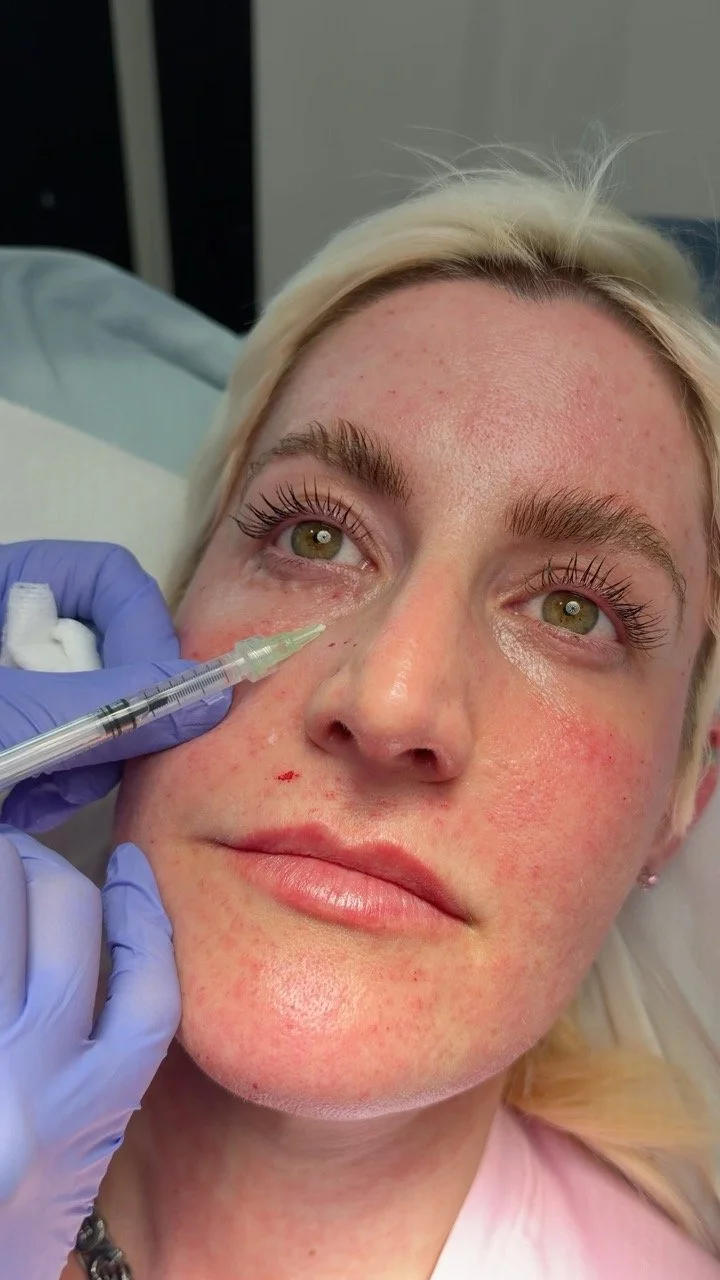
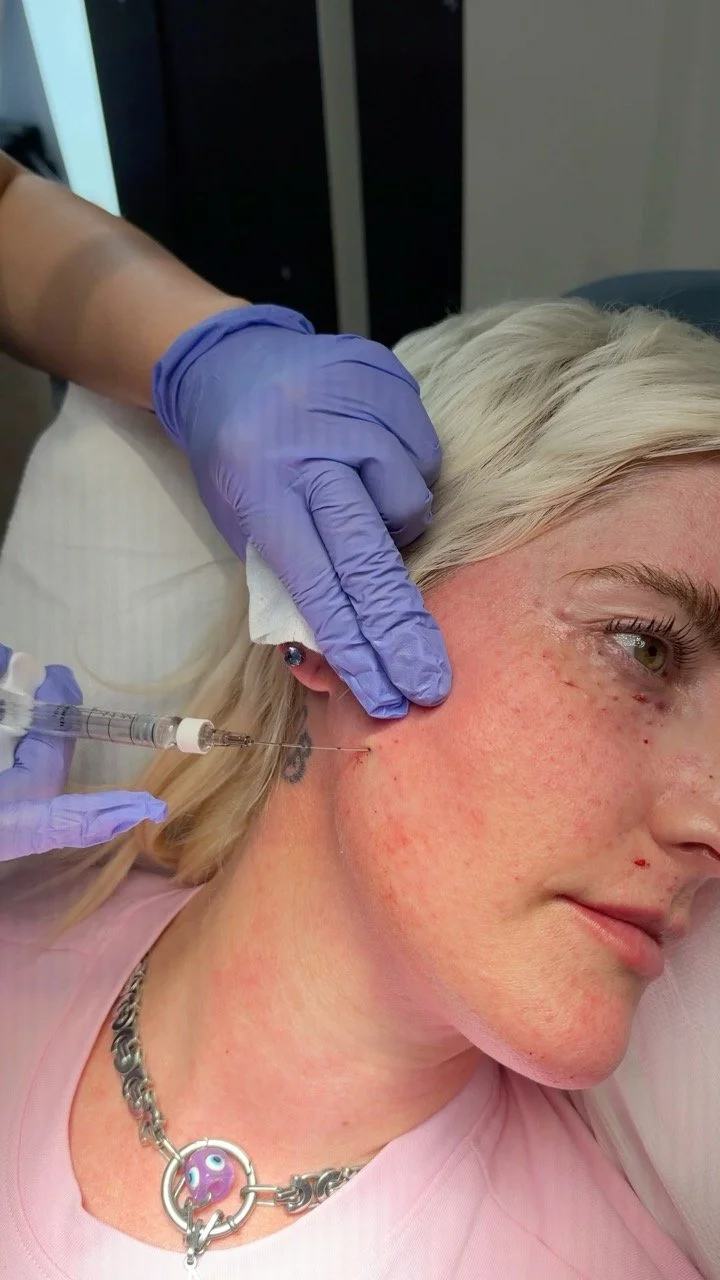
The three step treatment starting with the Synvex gun all over, under the eye with a fine needle and finishing with the cannula needle across the cheek and jawline
Rejuran beiing injected with the Synvex gun
My Experience: How Much Did It Hurt?
After 45 minutes of numbing cream, my skin was well and truly prepped. I'd heard Rejuran had a reputation for being painful, so I expected the worst. Surprisingly, the Synvex gun was almost painless. I'd rate it a two out of 10 on pain, except for my jawline and the tip of my chin, where I definitely felt more of a sting. The injections under my eyes were equally manageable. Rather than pain, I could feel a slight pressure as the needle entered the skin.
The cannula needle was another story. While I wouldn't describe it as particularly painful, the sensation was unpleasant. There was a definite tugging feeling beneath the skin that made me very aware of what was happening. It was more uncomfortable than painful, but certainly the least enjoyable part of the treatment. Overall, the procedure was far easier than I'd anticipated, and the injection gun made a noticeable difference to my comfort.
The Downtime: Don't Expect To Be Camera-Ready Immediately
This is where I think it's important to be realistic. Immediately afterwards, my face was covered in tiny raised bumps from the gun injections. It was very obvious I'd had something done, and I certainly wasn't heading straight out for dinner (though I did with sunglasses). By the following day, the bumps had largely settled, but I was left with numerous small red injection marks across my face and bruising on my cheek from the cannula needle. While some patients experience very little downtime with the Synvex gun, my skin took a good six days to recover fully. Dr Lee explains that recovery varies depending on skin sensitivity, the treatment area and the injection technique. While the raised bumps from the gun often settle within hours, bruising and needle marks can last considerably longer.
My advice? Don't schedule Rejuran immediately before an important event, particularly if you're having a combination of injection techniques.
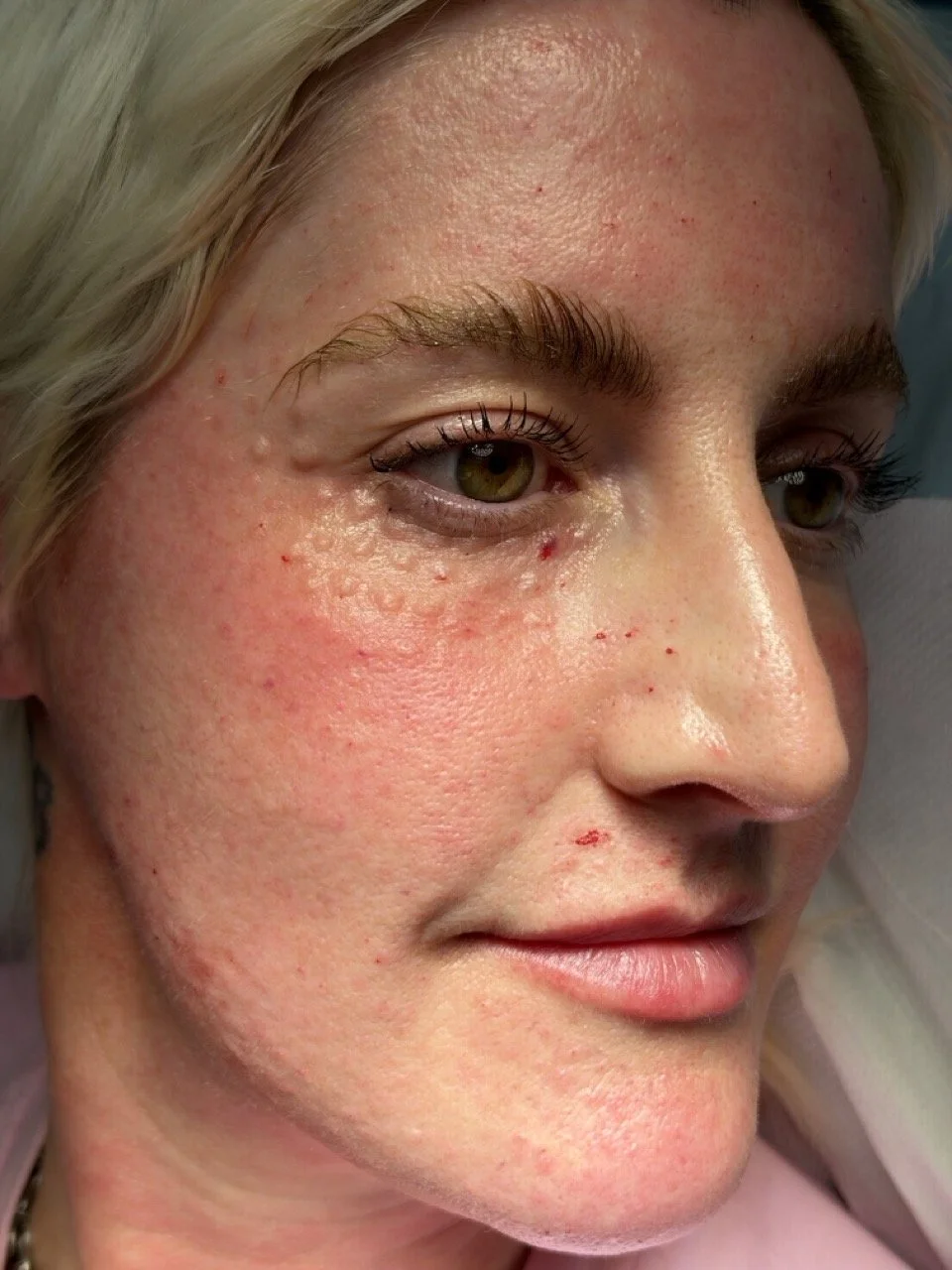
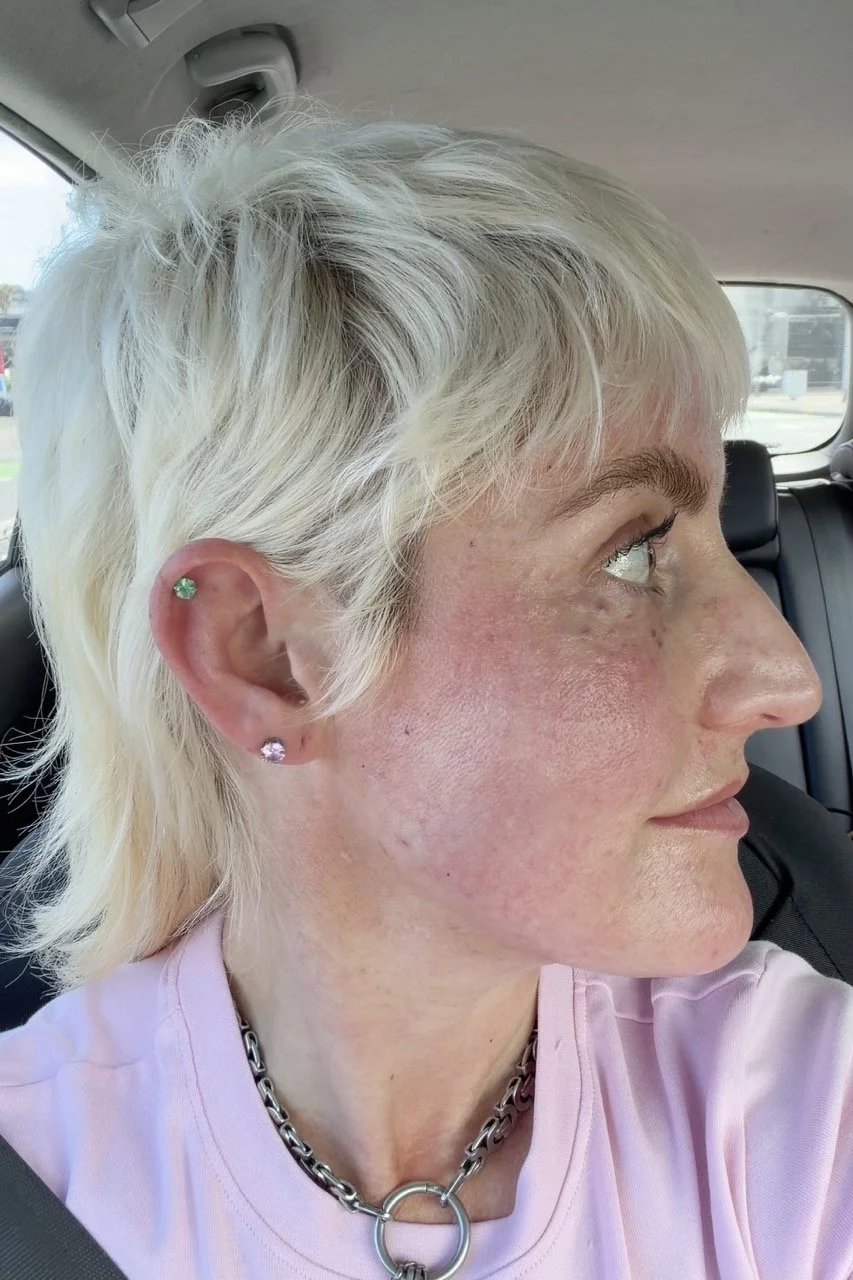
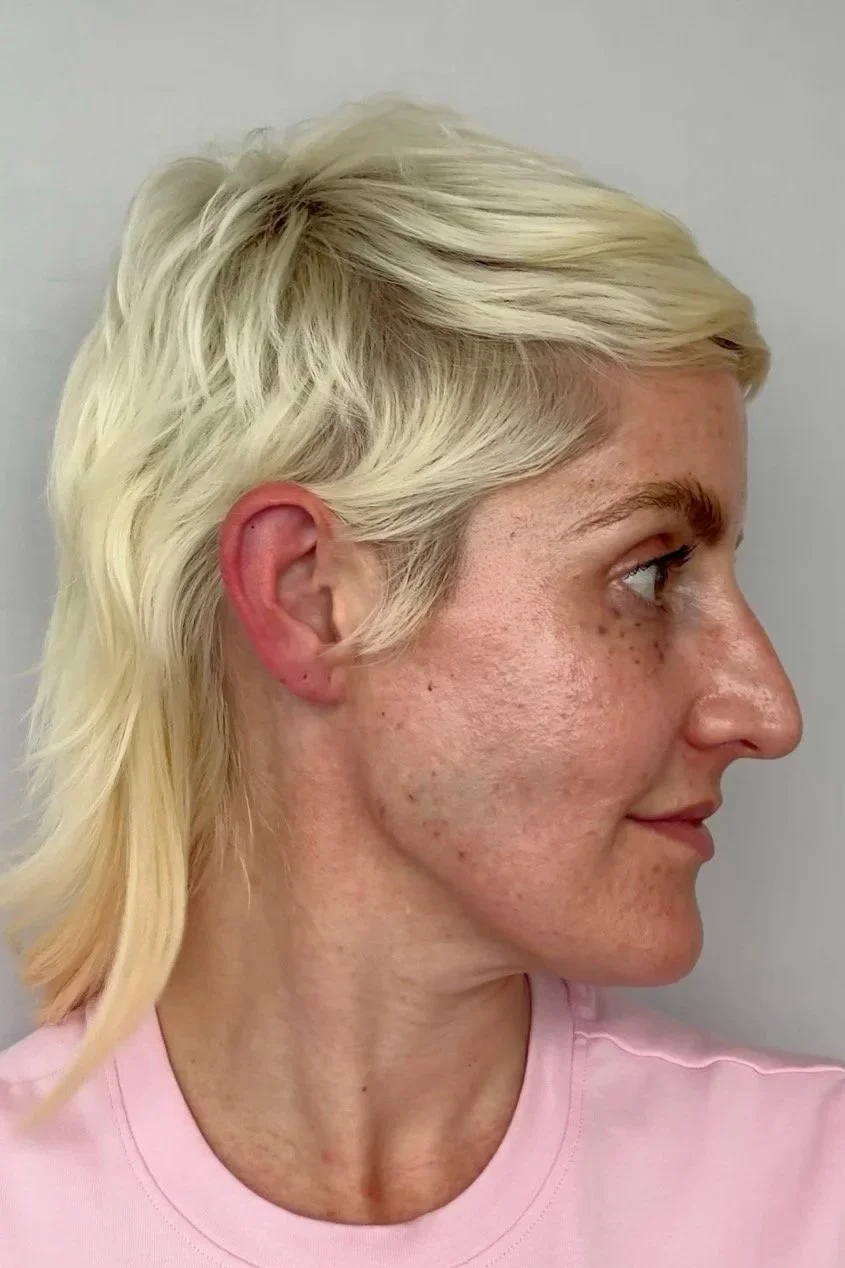
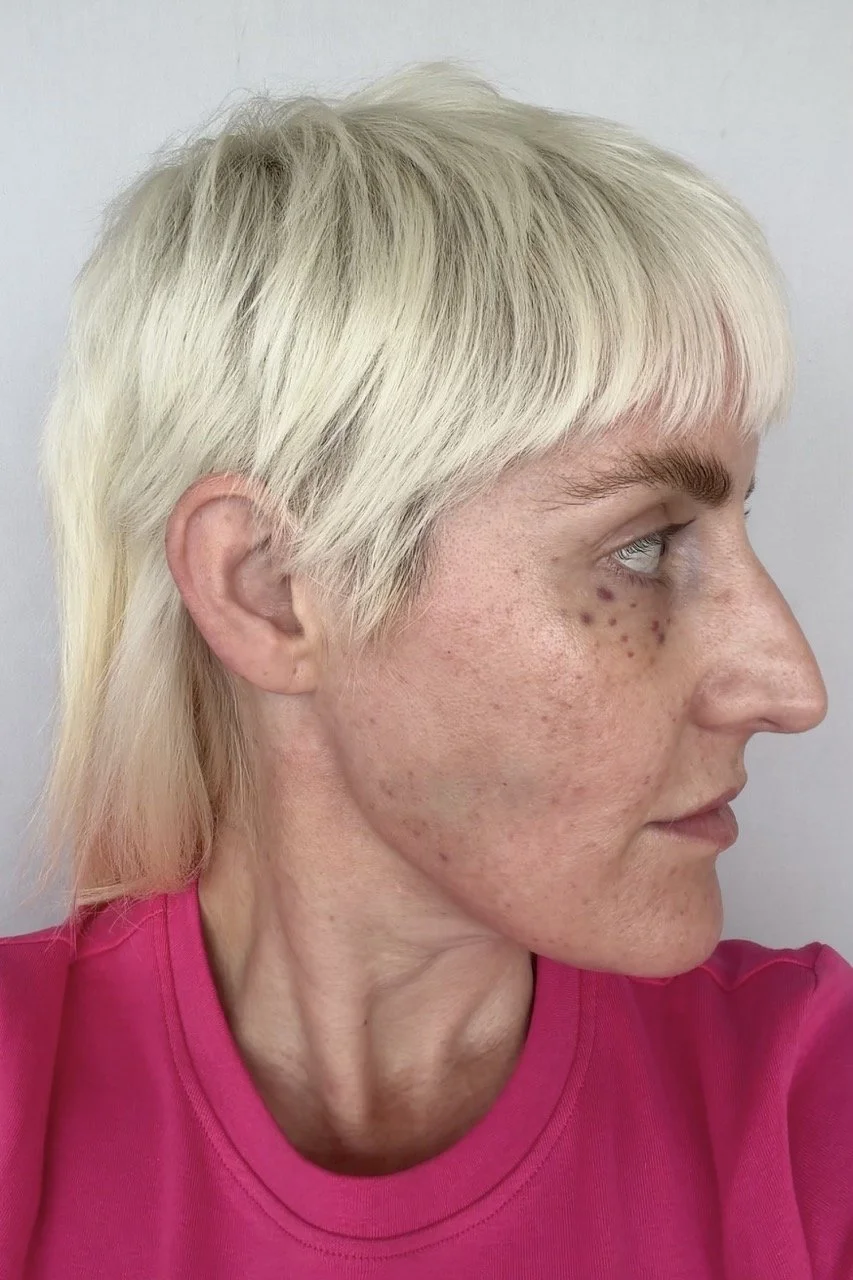
Immediately after, that evening and the next day
The Results: Was It Worth It?
Once the redness and bruising disappeared, I could finally appreciate what the treatment had achieved. My skin felt noticeably plumper and better hydrated, with a smoother overall appearance. Most impressively, my pores looked visibly reduced, something I'm always trying to achieve with skincare and in-clinic treatments. There was no dramatic change to my face, which is exactly the point.
My skin looked healthier and more refined. Dr Lee explains that although the hyaluronic acid in Rejuran HB Plus provides an initial hydration boost, the regenerative benefits develop gradually, with results generally becoming visible from the second week and continuing to improve over three to four weeks. For optimal results, she recommends an initial course of two to three treatments, spaced two to four weeks apart, followed by maintenance every four to six months for most patients.
My Take-Home
Rejuran isn't a treatment I'd describe as completely painless, and despite the newer injection technology, there can still be considerable downtime. But the injections were far less uncomfortable than I expected, and the improvement in my skin's texture, plumpness, and pore appearance has been noticeable. What appeals to me most is that Rejuran isn't about changing how your face looks. It's about improving the quality of the skin you already have.
Would I do it again? Yes. But I'd allow myself a clear week in the diary to recover.
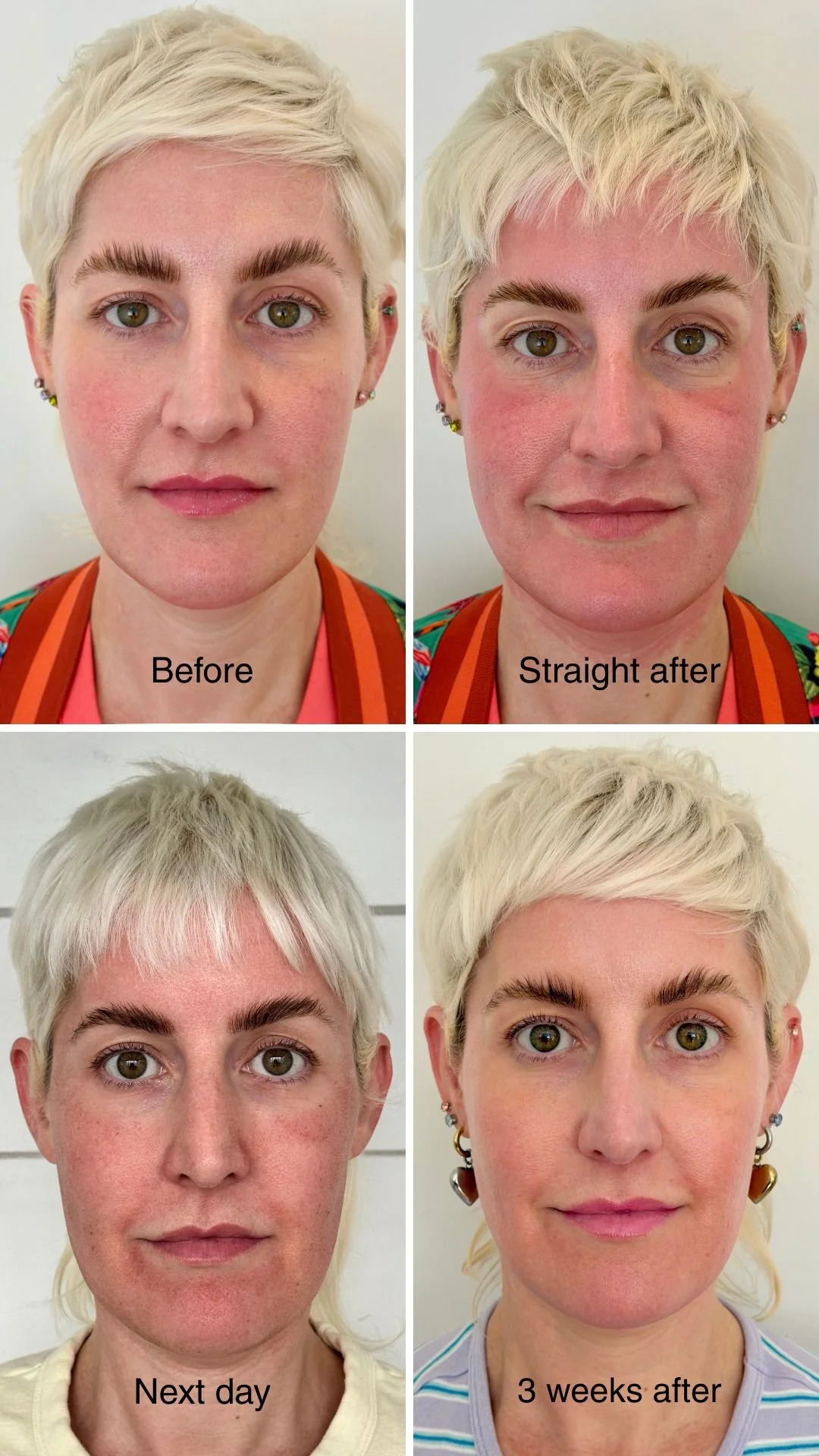













Style Director Louise Hilsz tries the viral Korean skin treatment and shares her results.