
Fashion is cyclical. We all know this. But not every comeback deserves a second act—and not every “comfortable” phase needs to become a lifestyle. Some trends hang around long enough to blur the line between style and surrender. And this year, we’re calling time on three. Style director Louise Hilsz shares her thoughts.
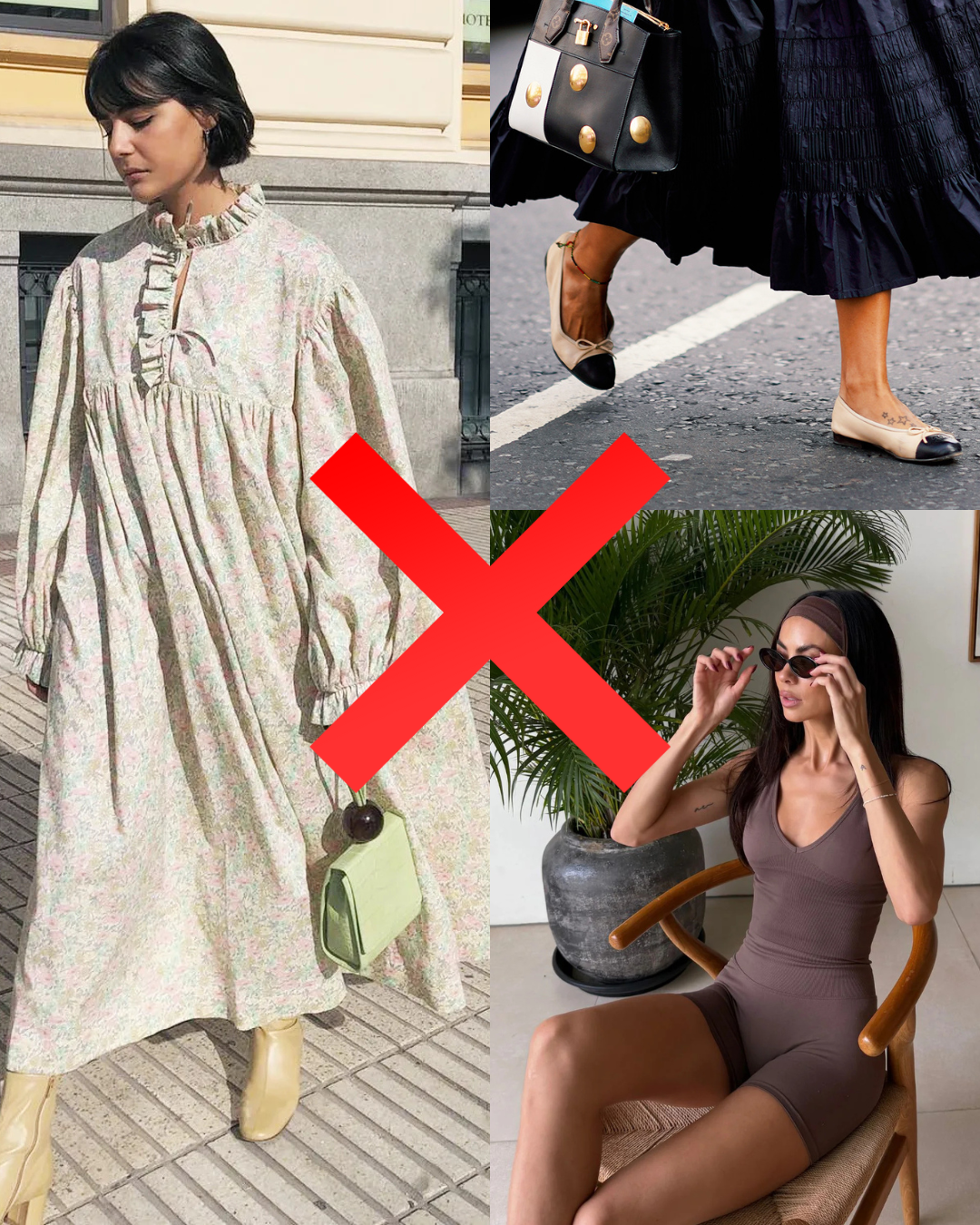
Here are three trends that have officially overstayed their welcome

Wearing Activewear Outside the Gym
The line was crossed somewhere around the supermarket.
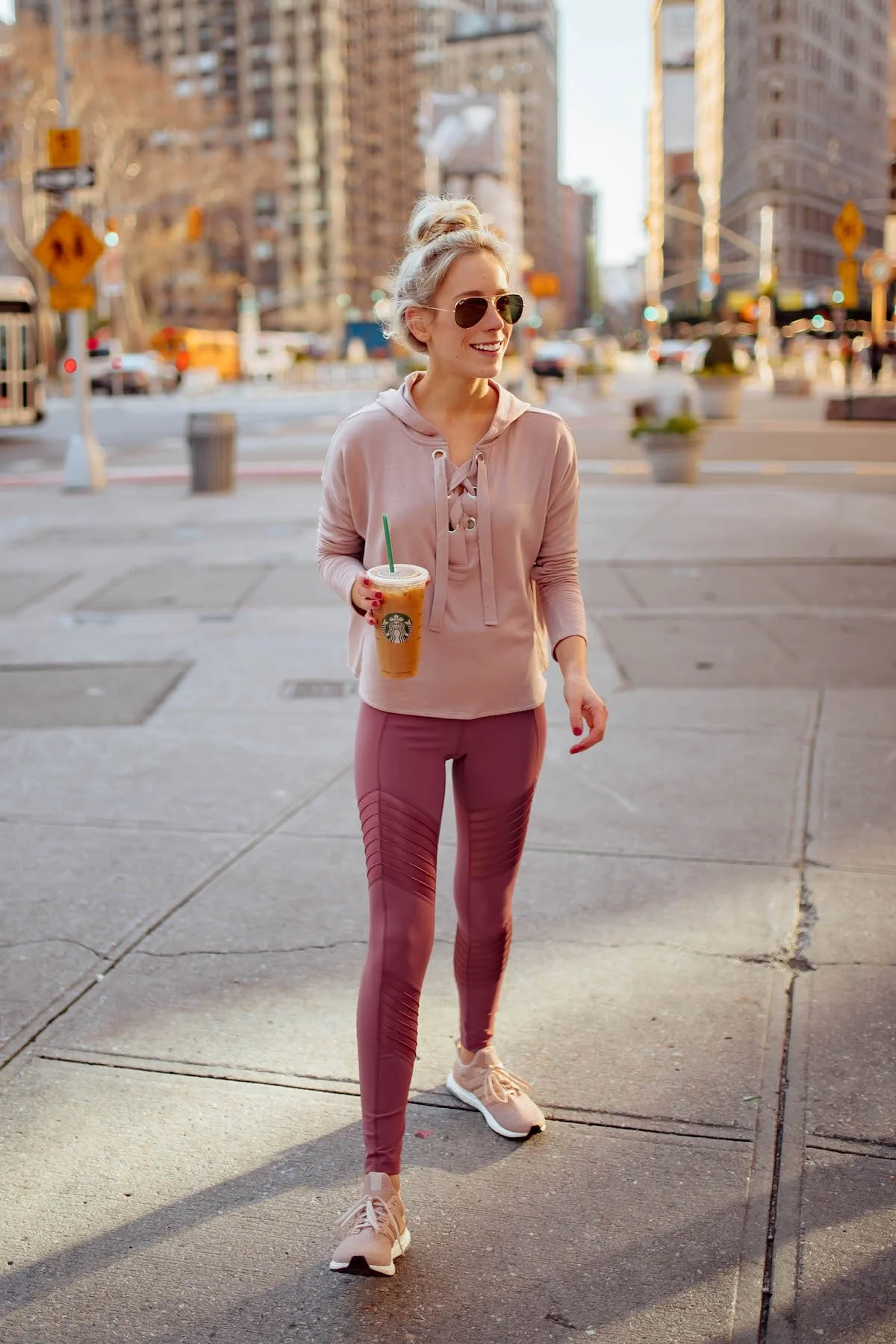
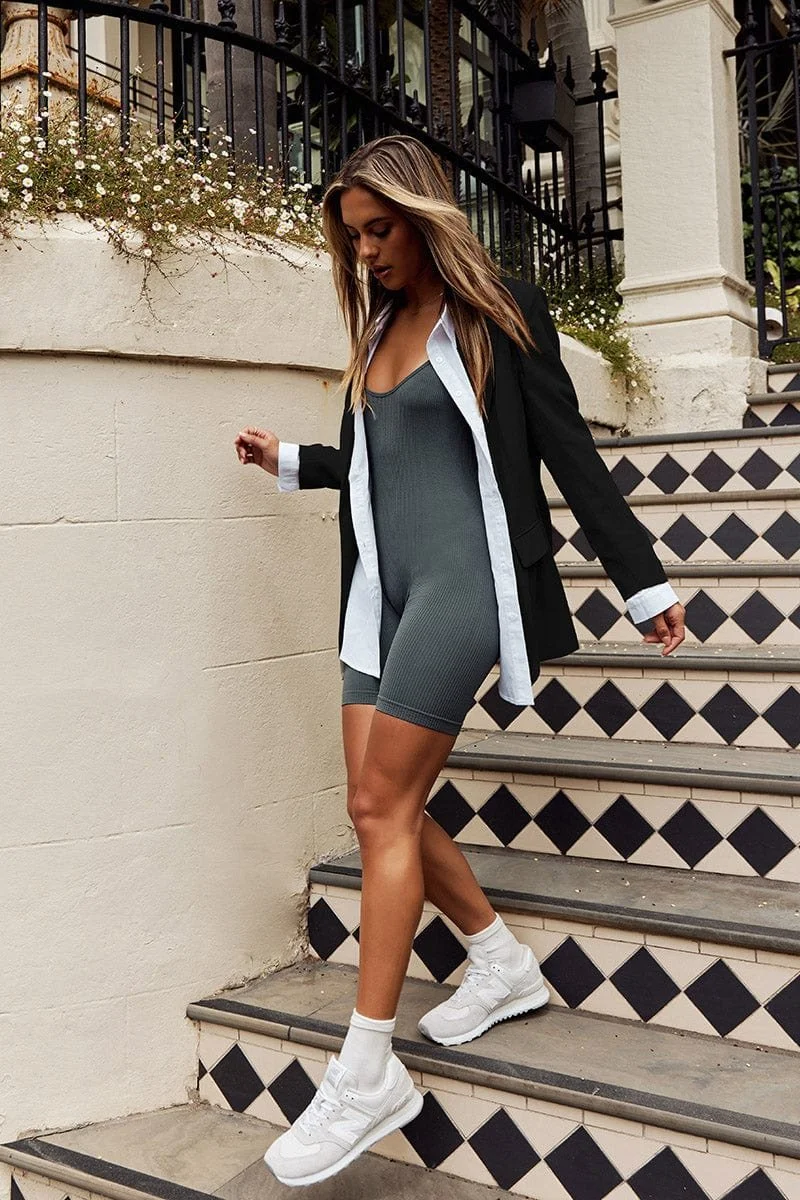
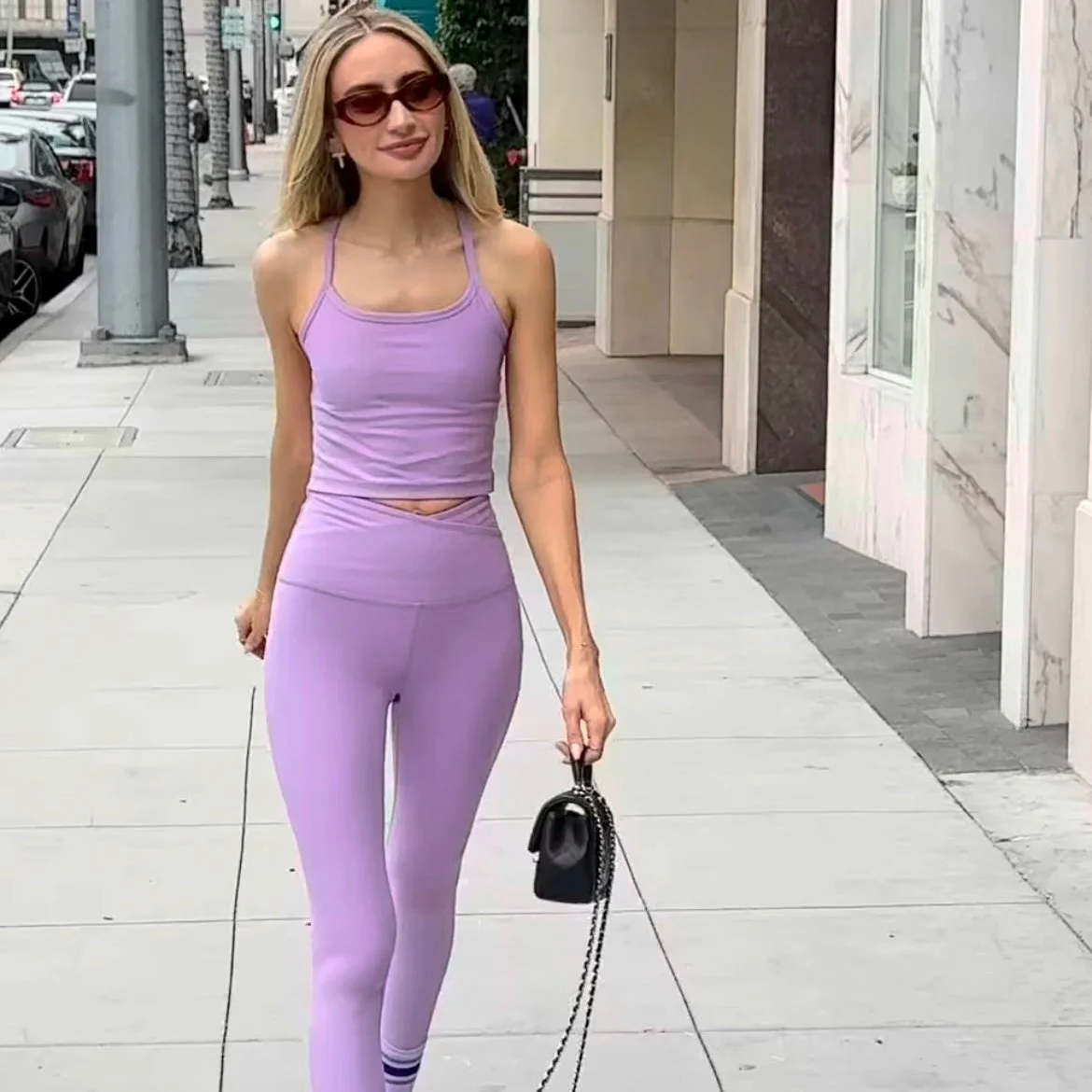
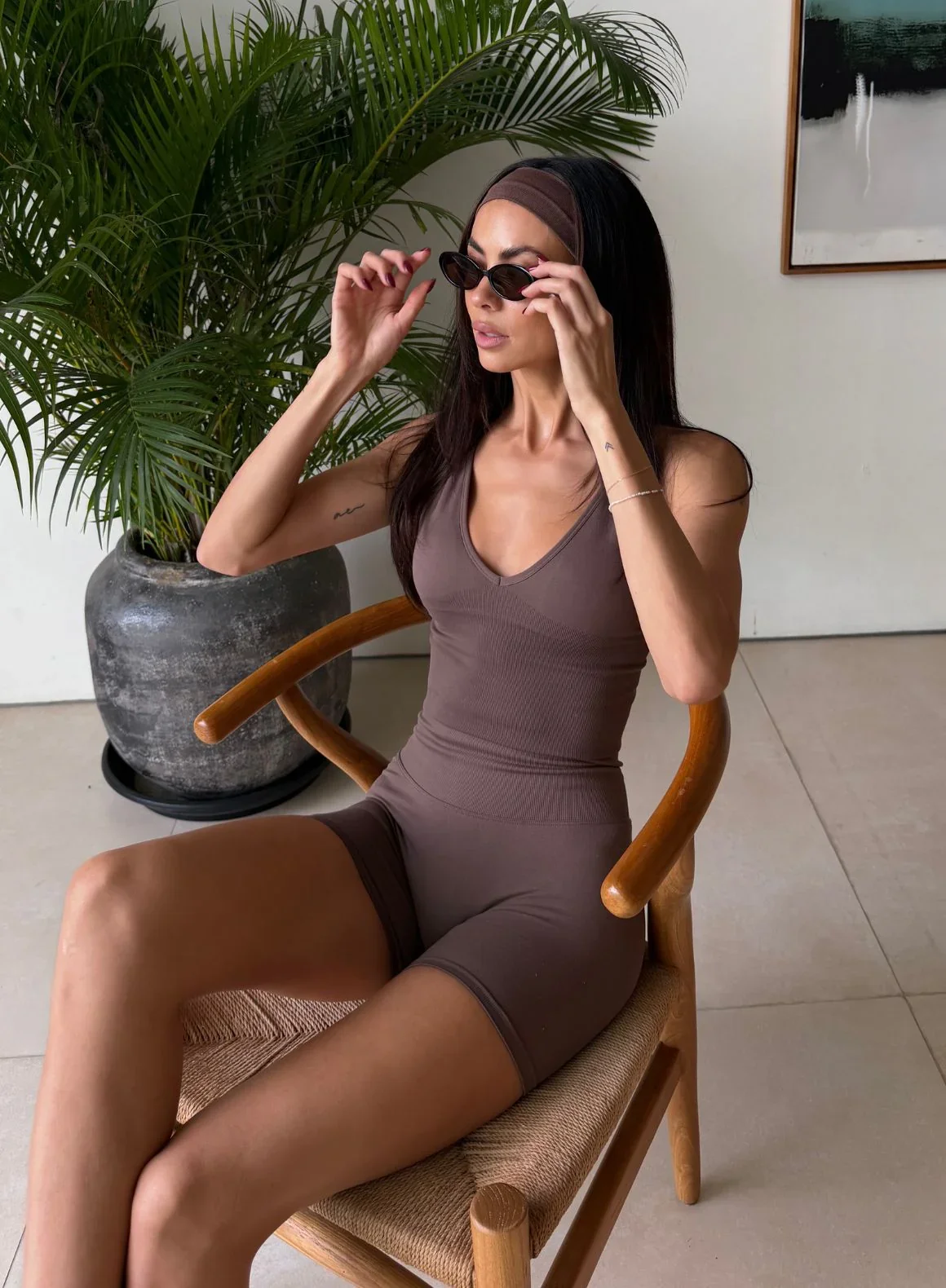
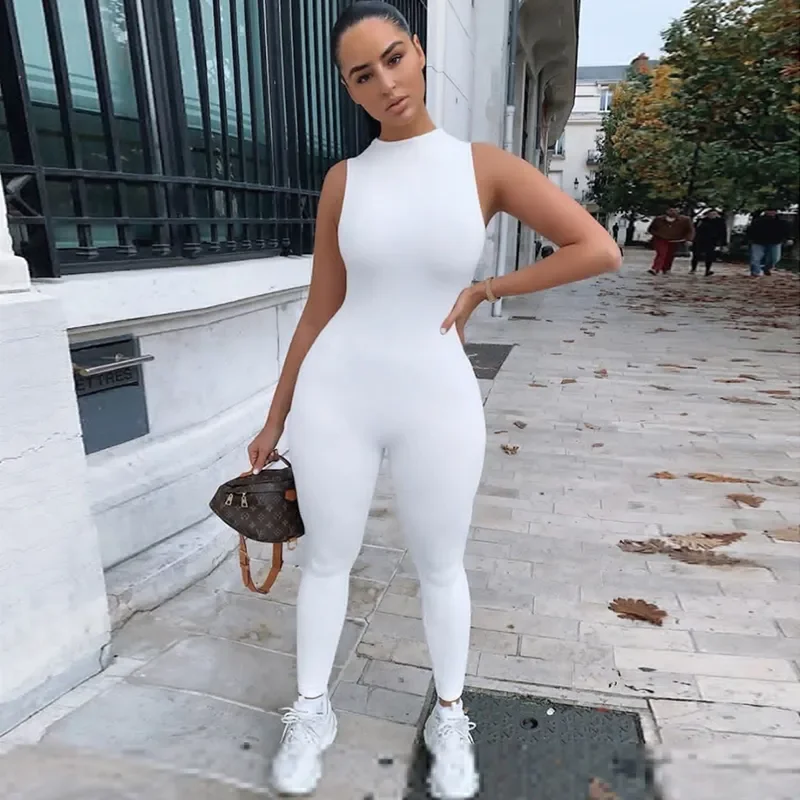
Athleisure once felt modern—an effortless blend of form and function. But somewhere between brunch, school pickup, and dinner reservations, it stopped being intentional and started being default.
Leggings are not trousers. Sports bras are not tops. And wearing head-to-toe Lycra while doing absolutely no physical activity is no longer a “busy, wellness-led lifestyle”—it’s “I didn’t bother.” Walking into a luxury store wearing micro bike shorts (especially beige) is inappropriate. I don’t think women realise how much Lycra shows, or should I say doesn’t hide, it’s as good as walking around in swimwear. Comfort doesn’t have to mean surrendering style. The issue isn’t activewear itself; it’s the refusal to transition out of it. When gym clothes become everyday clothes, we lose the ritual of getting dressed—and with it, a bit of self-expression.
The shift we want: Comfortable but considered. Tailored knits, relaxed trousers, elevated basics. Clothes that suggest your style exist beyond Pilates.

Ballet Flats
The least flattering shoe renaissance of all time.
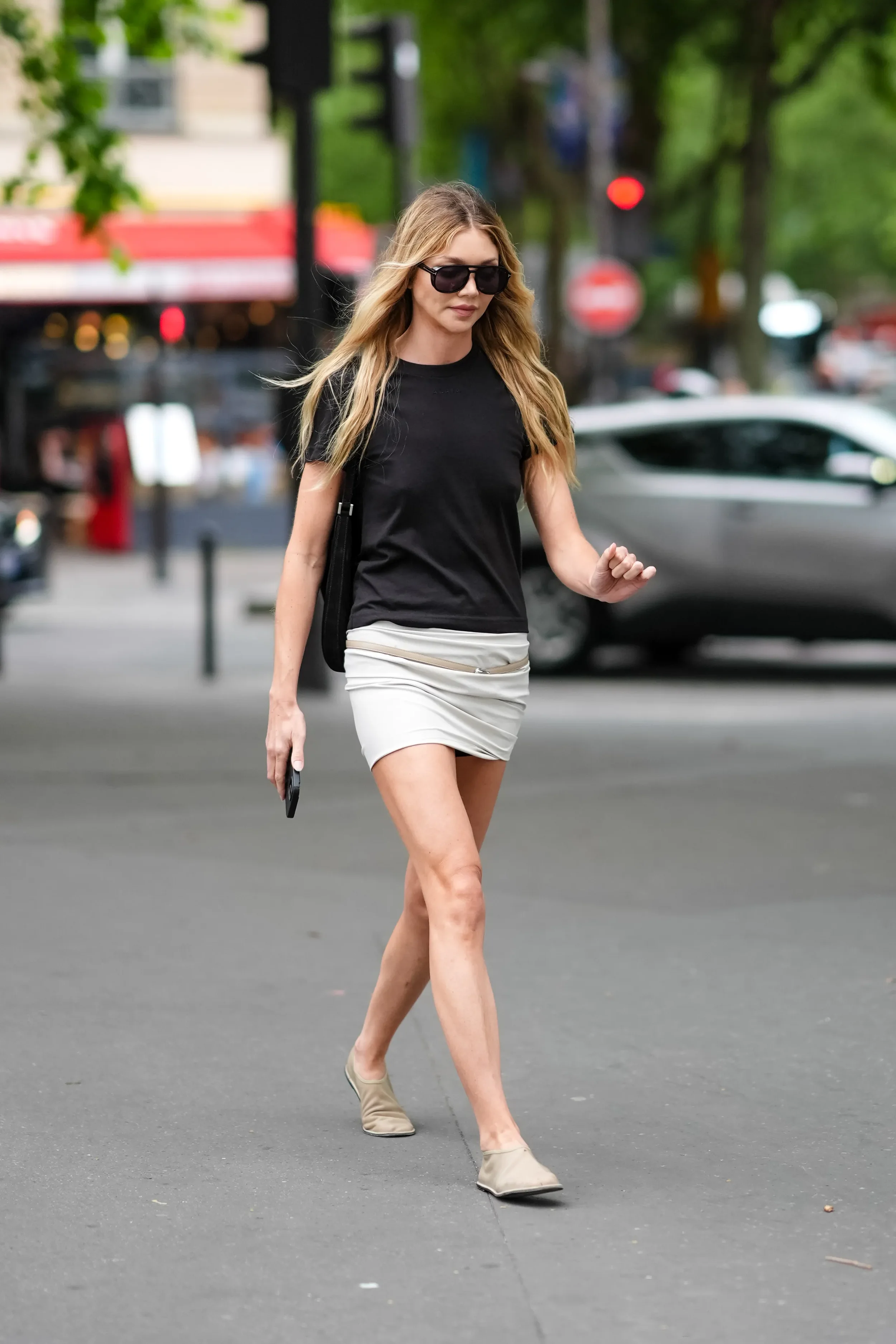
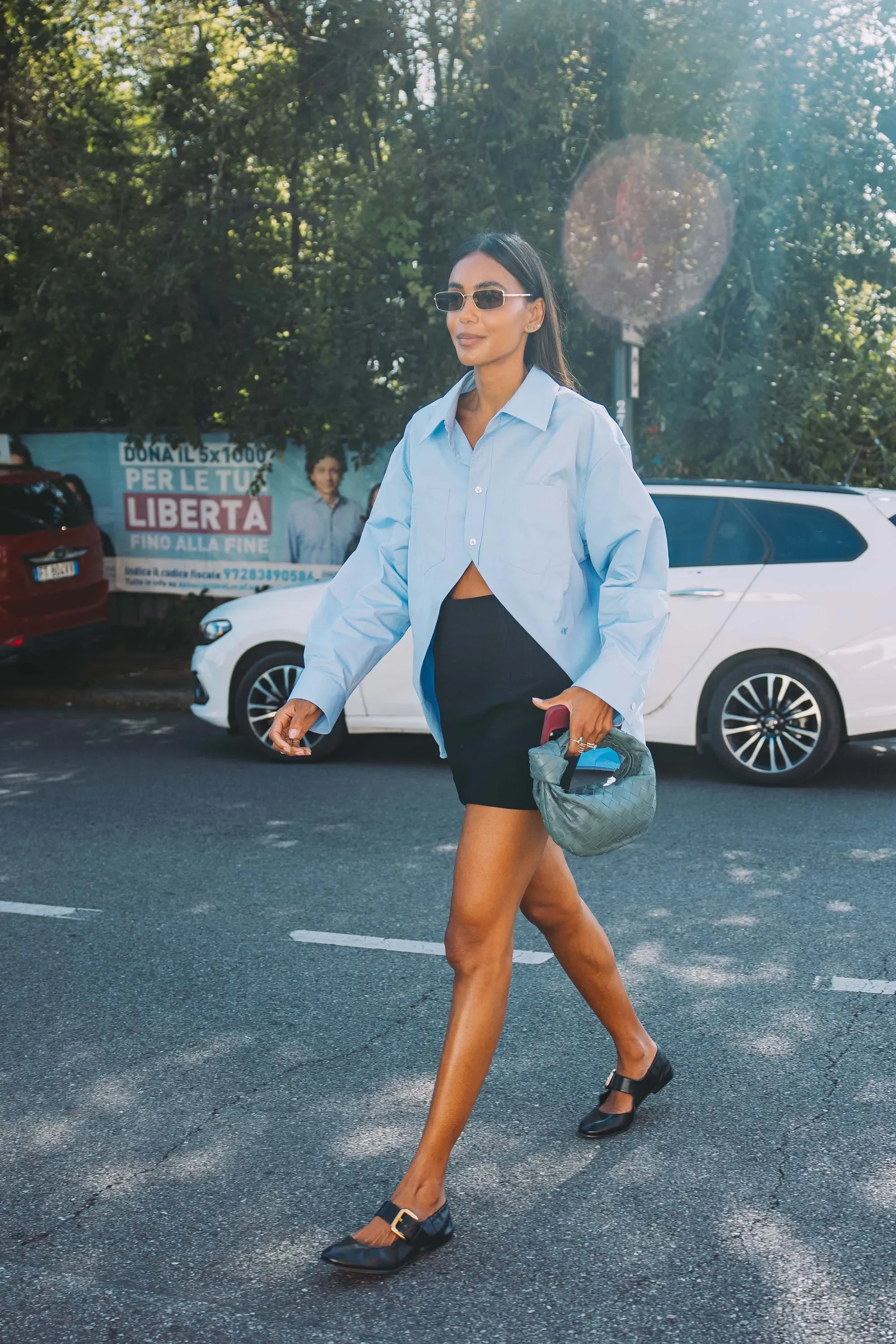
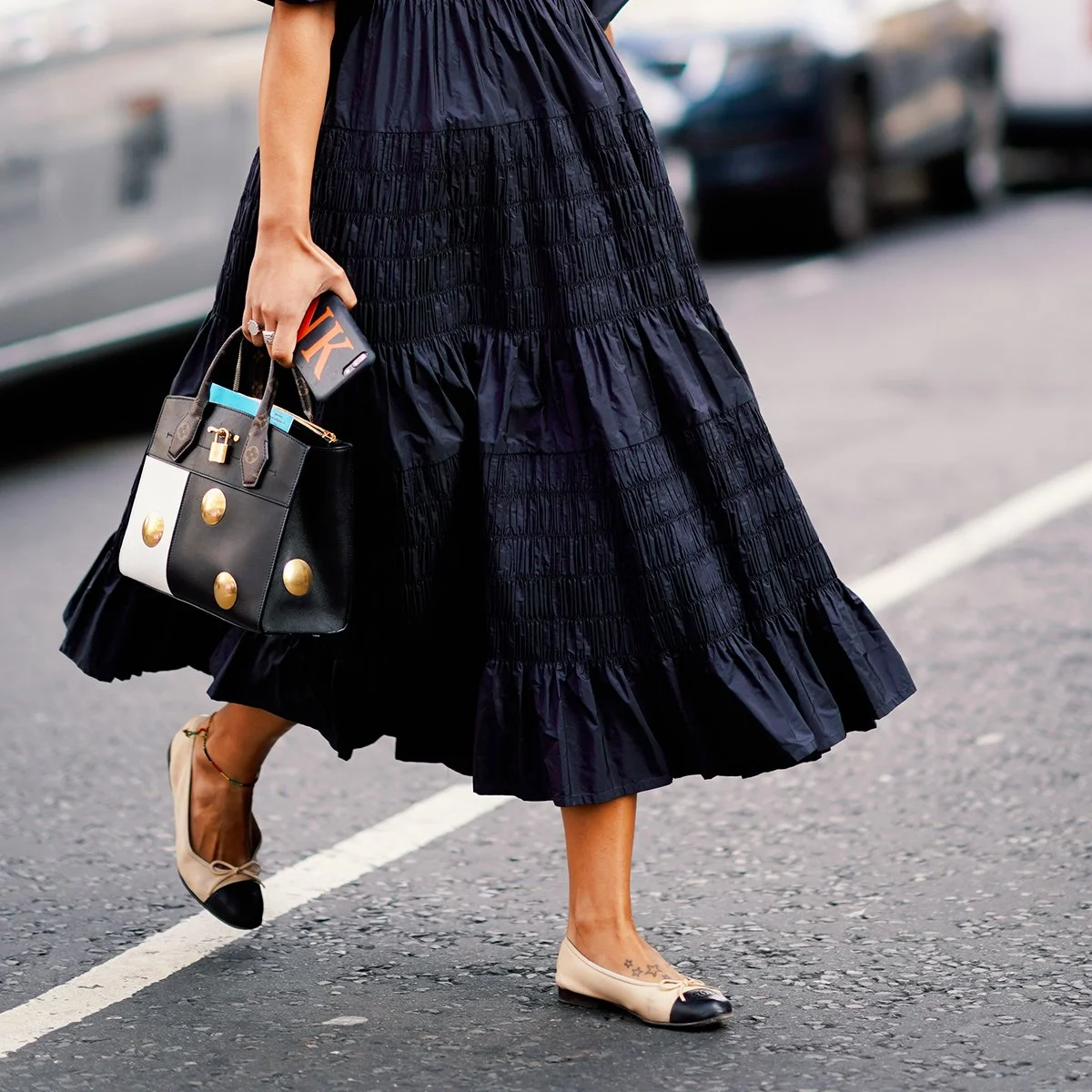
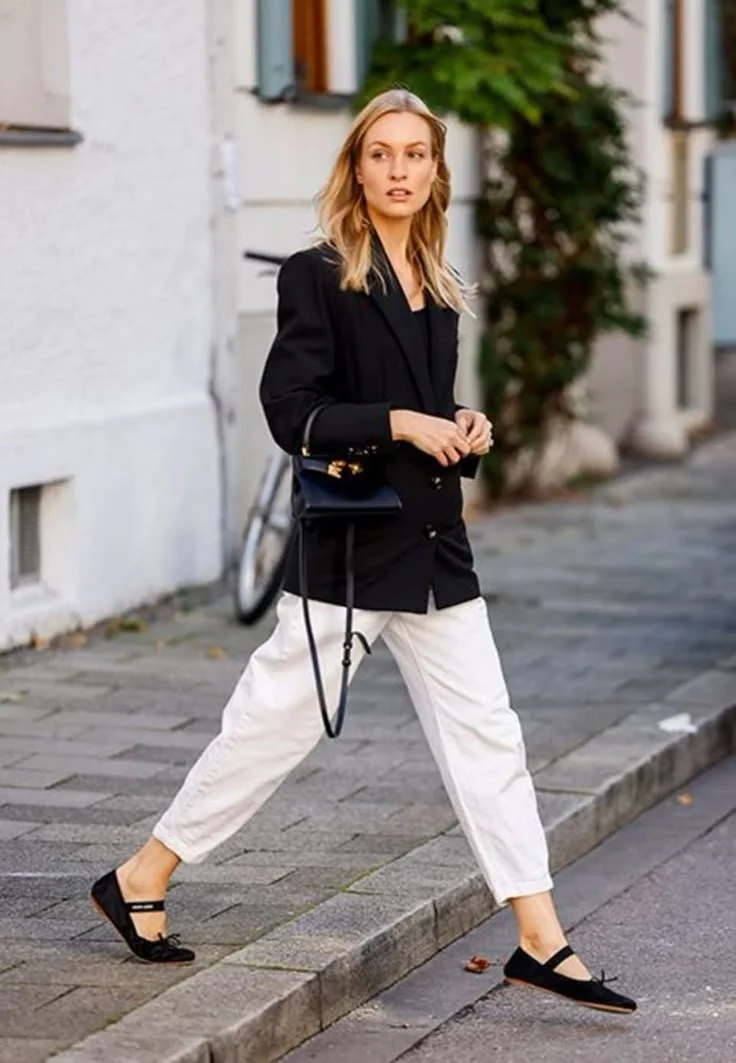
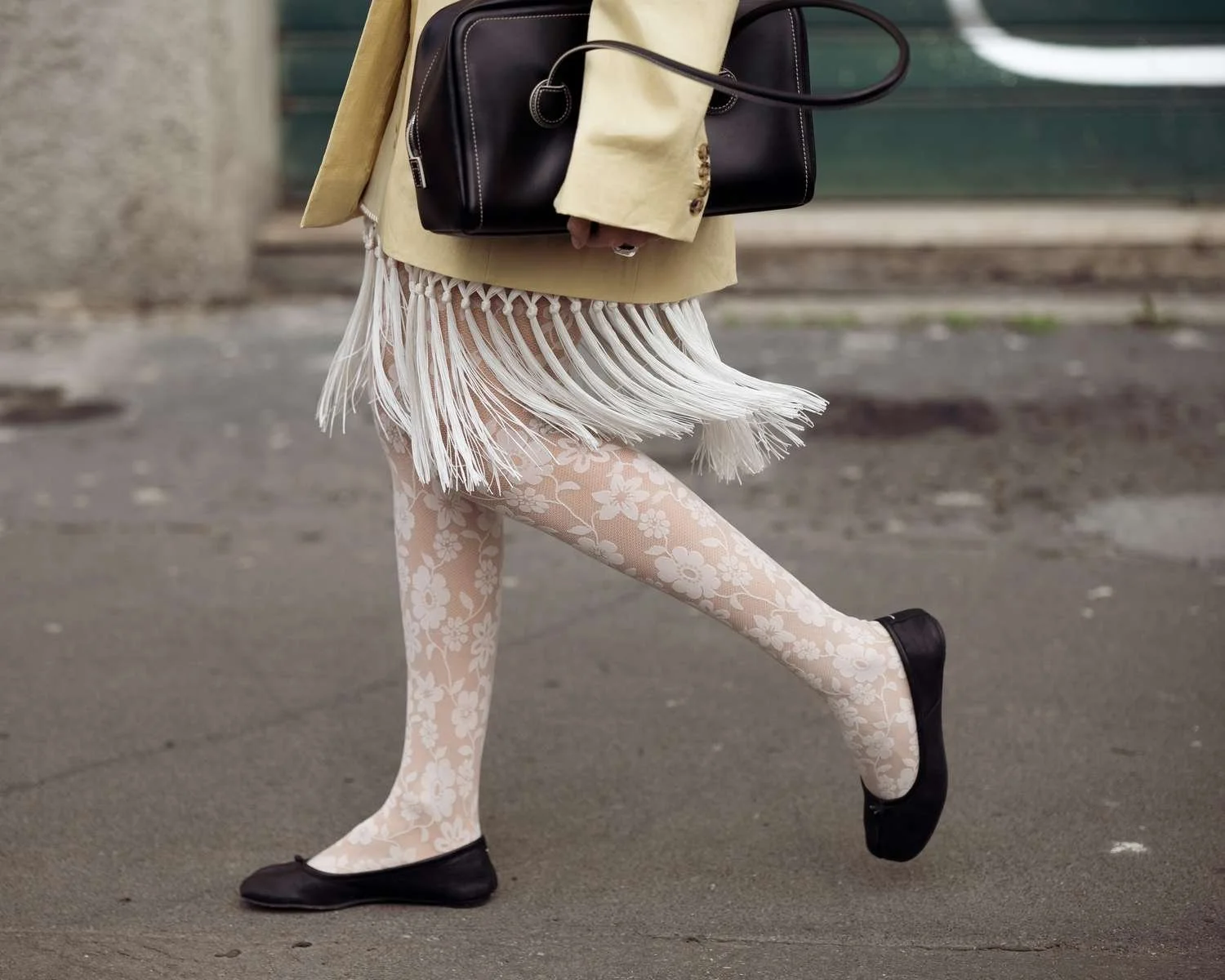
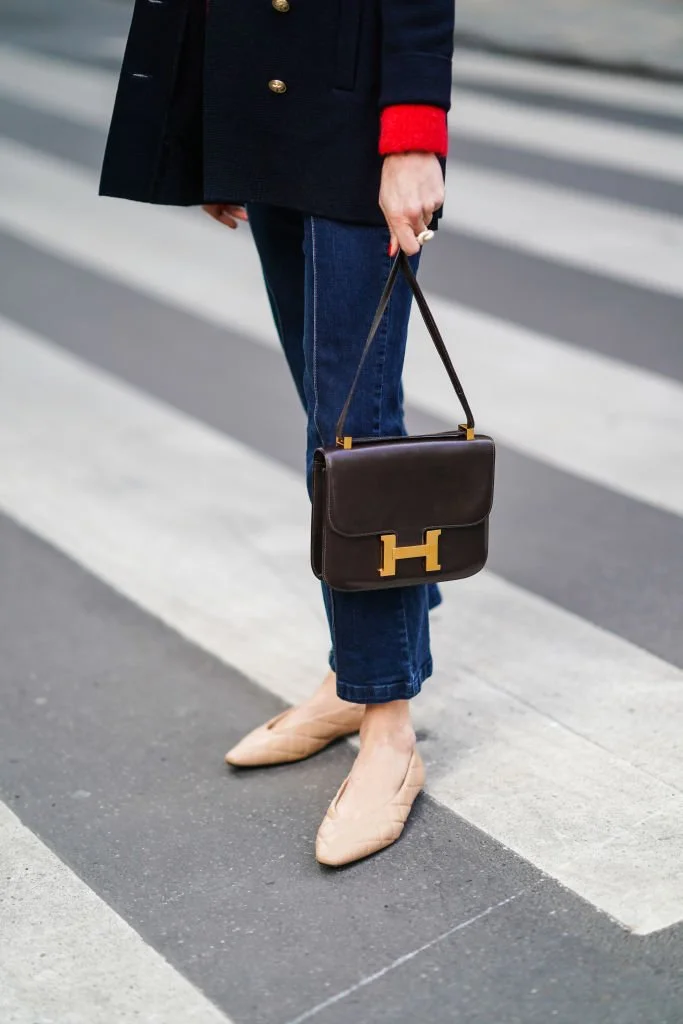
They’re back. Unfortunately. Ballet flats are one of fashion’s most confusing revivals—praised as “timeless” despite historically doing absolutely nothing for the foot, the leg, or the outfit. They flatten proportions, shorten silhouettes, and manage to feel both childish and matronly at the same time. Yes, there are exceptions; certain designer versions look chic in particular contexts. But the mass-market ballet flat revival? Thin soles, rounded toes, flimsy construction? We’ve been here before. We regretted it then. We will regret it again.
The shift we want: Shoes with presence. Loafers, refined sneakers, sculptural sandals, a low block heel. Footwear that finishes an outfit instead of apologising for it.

Smock Dresses
When “effortless” turns into “invisible.”
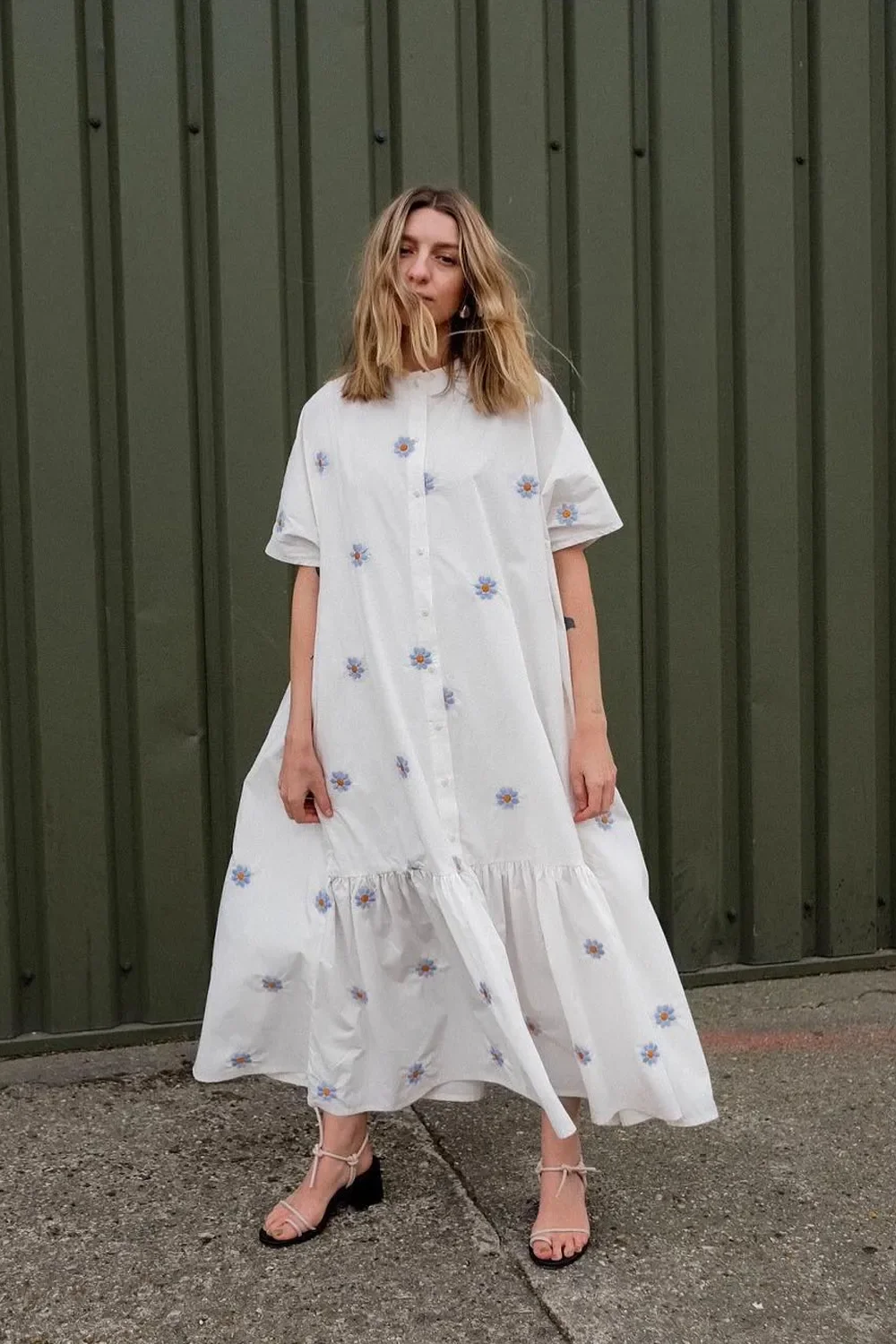
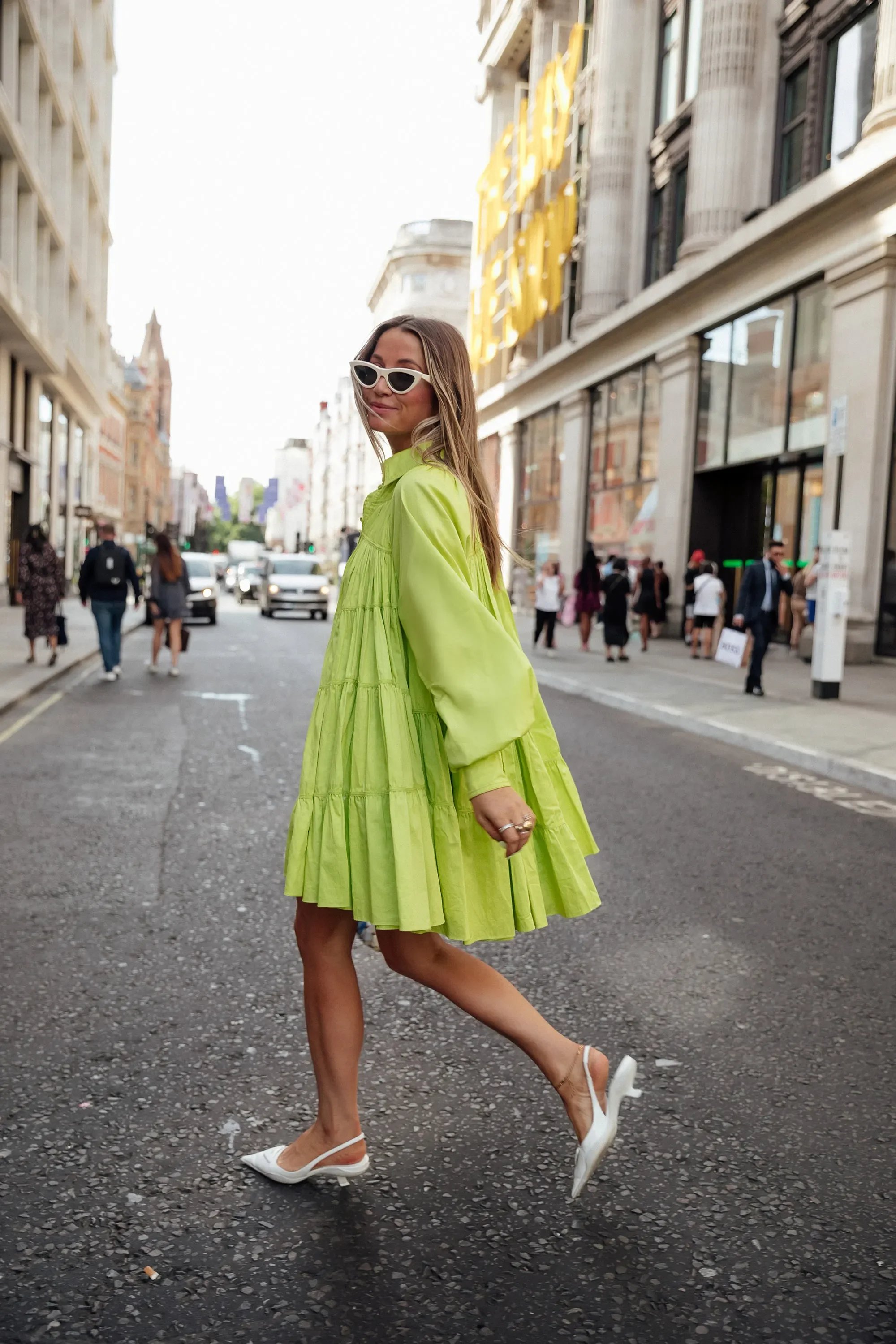
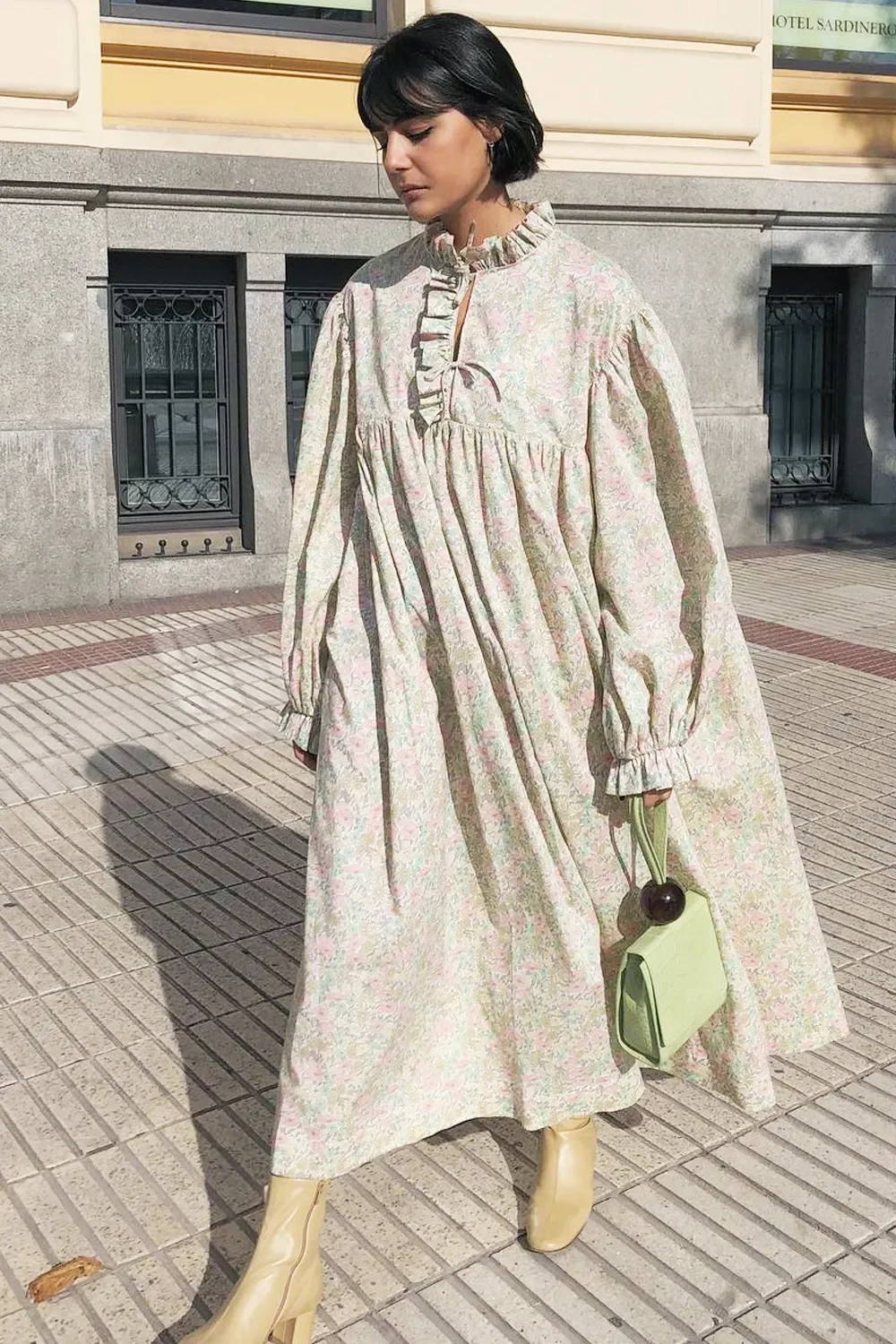
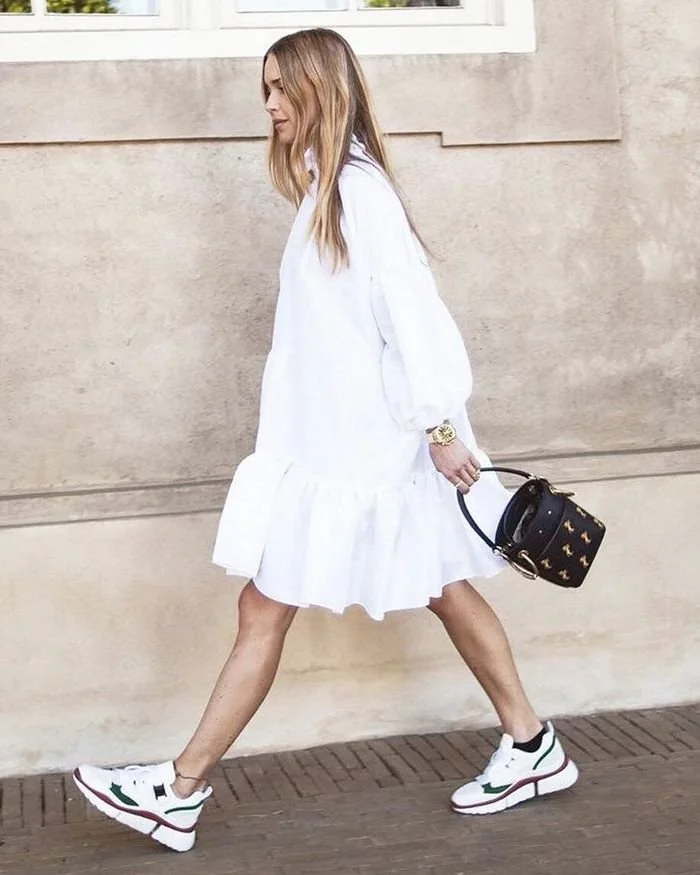
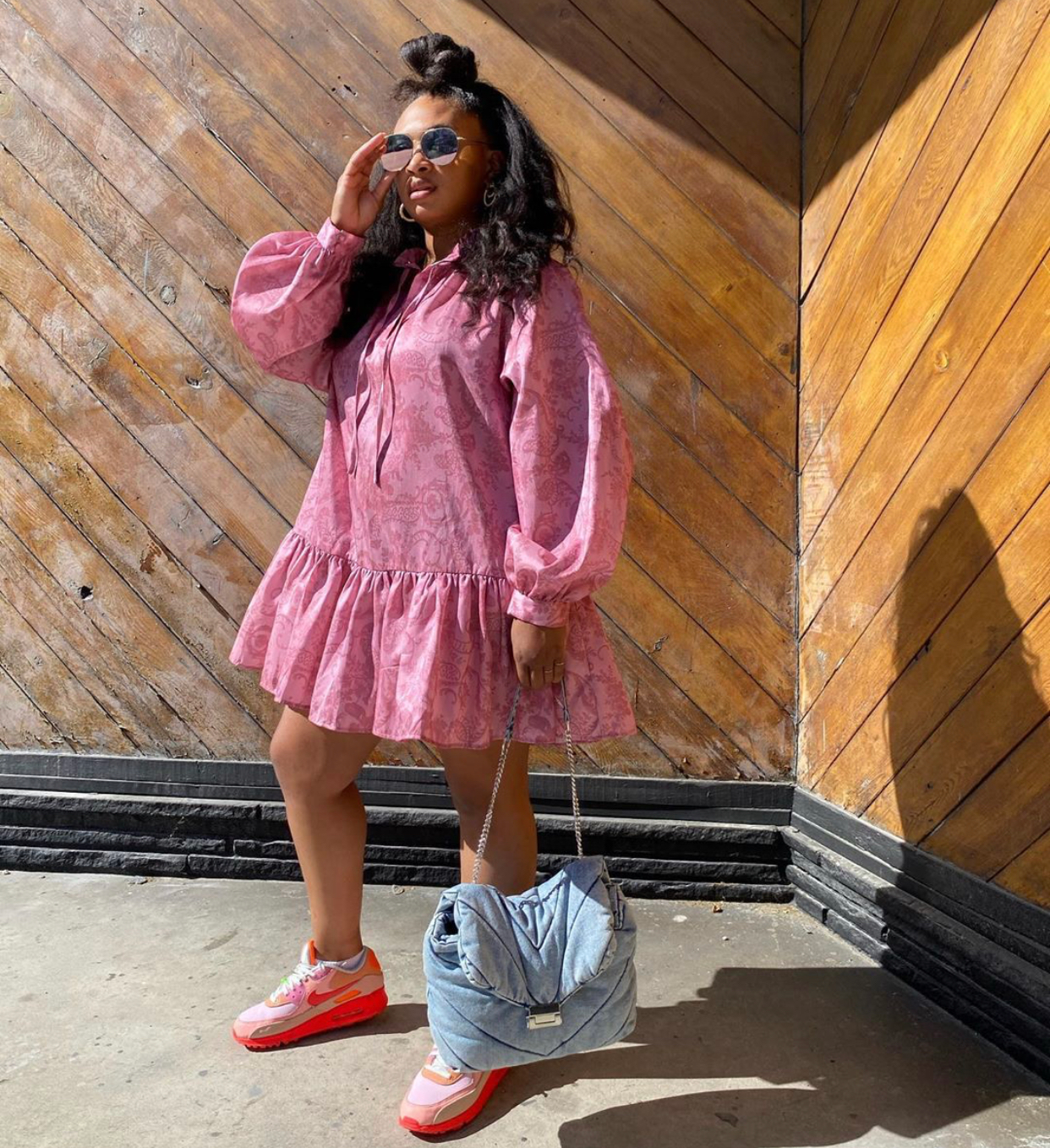
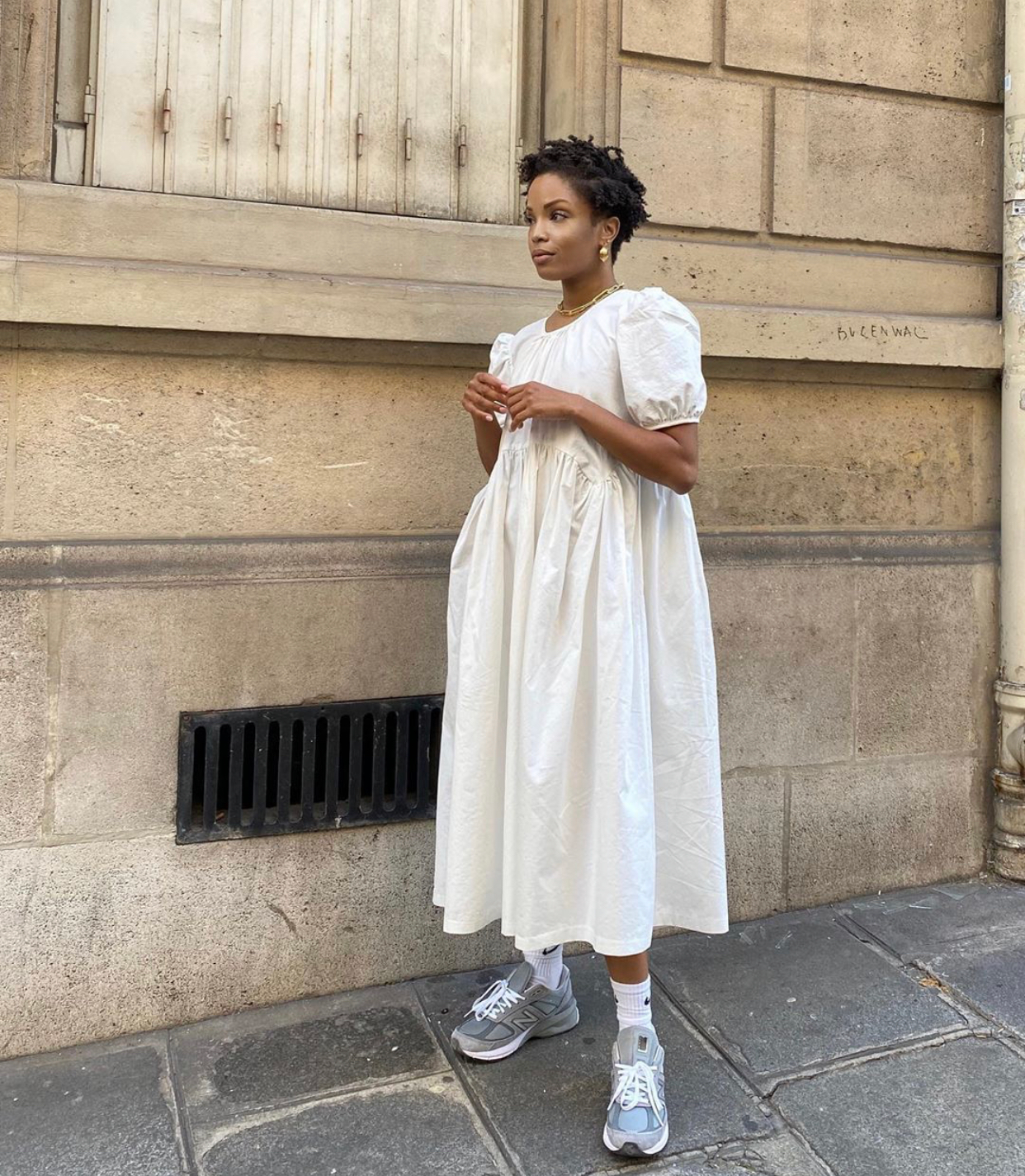
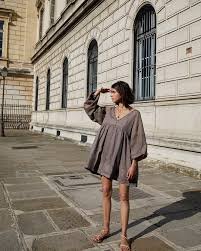
Once marketed as romantic and floaty, smock dresses have quietly become the uniform of indecision. Oversized, shapeless, and often aggressively floral, they promise ease but deliver erasure. There’s nothing empowering about disappearing into fabric. The constant push toward volume-over-form has dulled fashion’s ability to celebrate the body—all bodies—without defaulting to hiding them. As women, we are shapely, and everyone has their most flattering asset, whether it be an hourglass waist, great legs or strong shoulders. Find your asset and let it shine. Smock dresses had their moment. That moment was peak lockdown-adjacent comfort dressing or locked in a cult like Glorivale. We are no longer there.
The shift we want: Shape with softness. Dresses that skim, define, and move—without swallowing the wearer whole. Ease doesn’t require surrendering structure.
What We’re Wearing Instead
Because style is back in its considered era.
Moving on from tired trends doesn’t mean sacrificing comfort or ease—it means upgrading both. This year’s wardrobe reset isn’t about reinvention; it’s about refinement. Clothes that work harder, feel better, and say something without shouting.
Here’s what’s stepping in now that we’ve collectively let go.
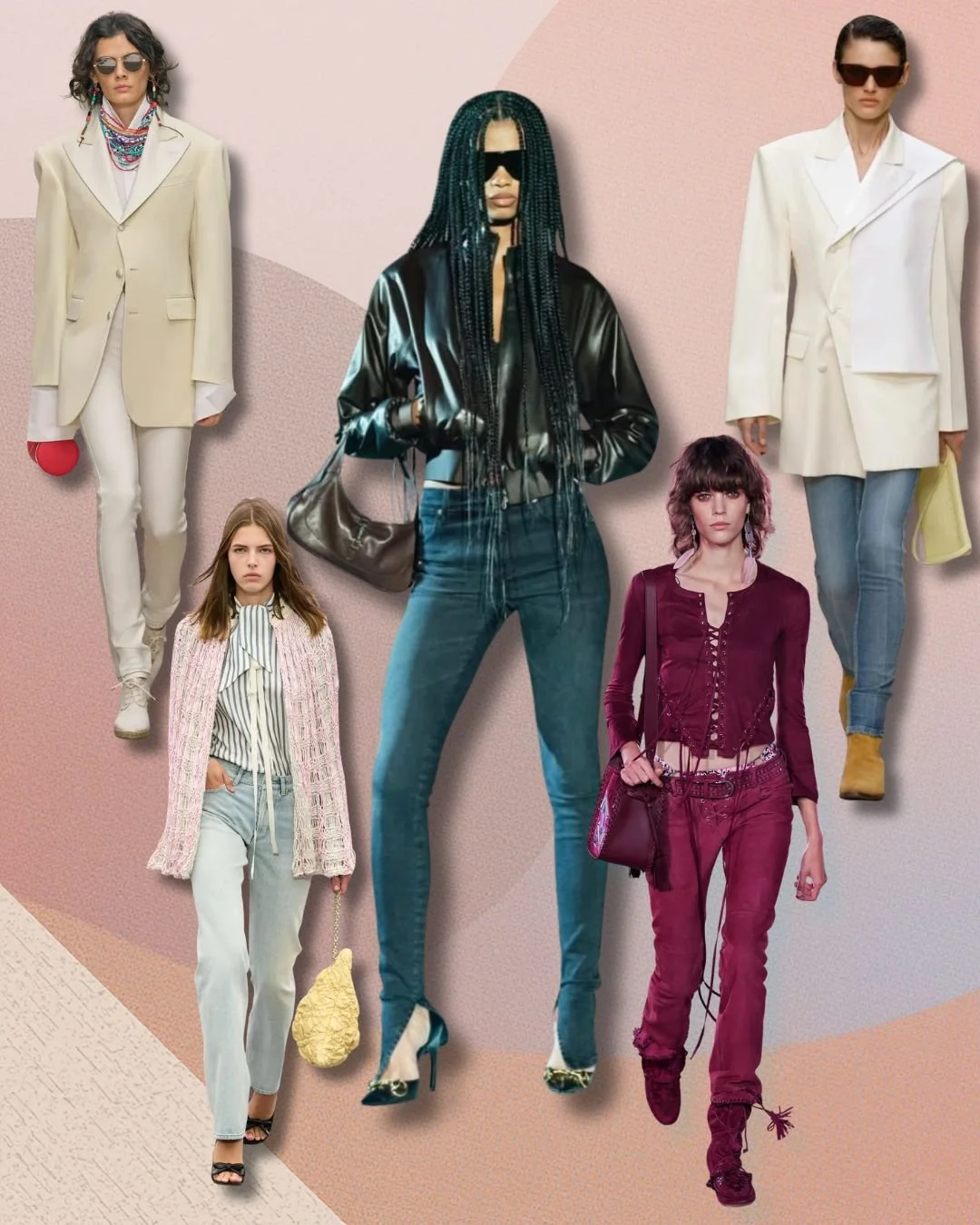
Instead of Wearing Activewear Everywhere: Relaxed Tailoring & Elevated Comfort
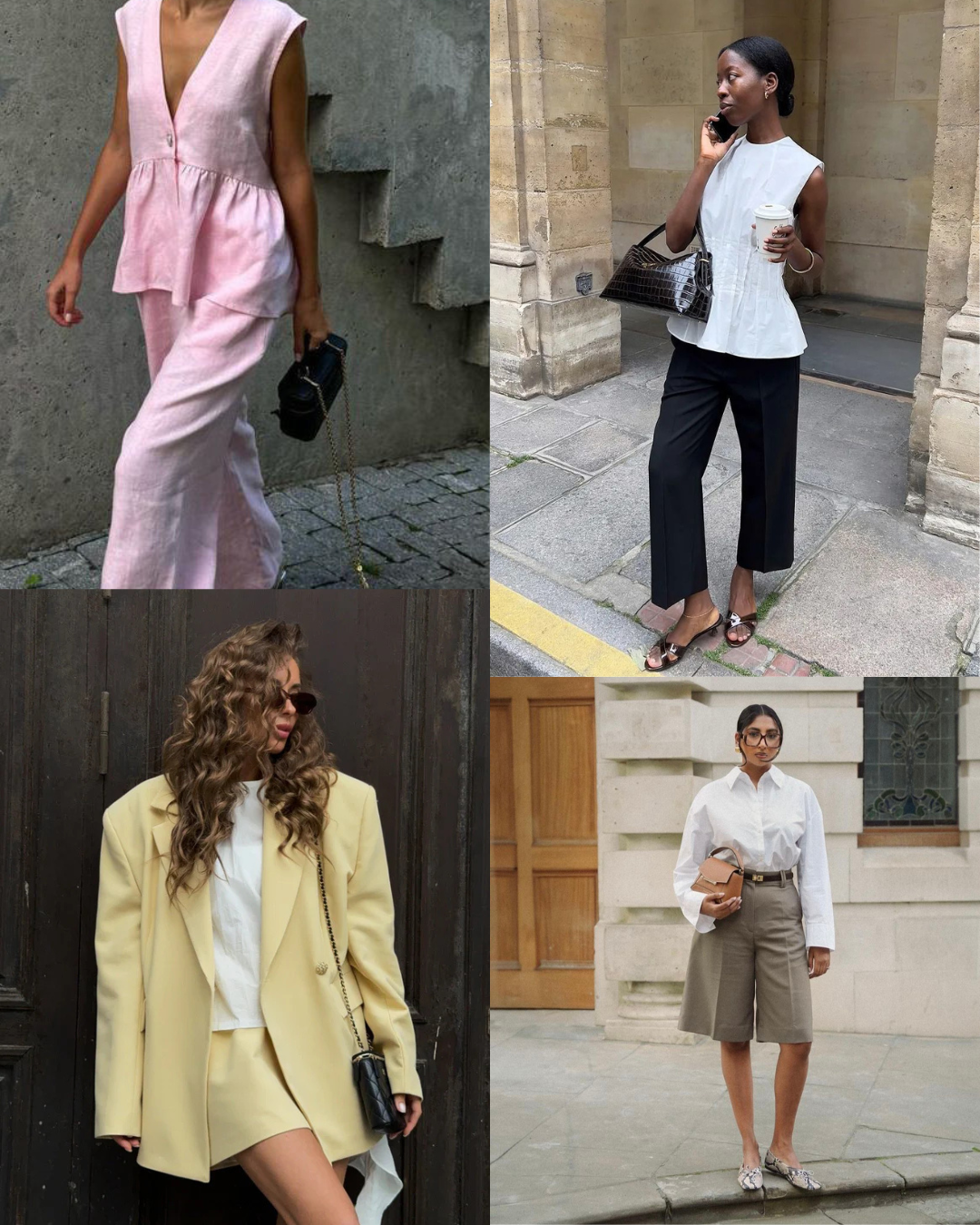
The new uniform is comfortable—but deliberate. Think pieces that feel as easy as leggings but look like you made a choice.
We’re leaning into:
Soft, elastic-waist trousers in linen, wool blends, or fluid crepe
Slouchy blazers over tanks, tees, or fine knits
Ribbed dresses that skim the body without clinging
Matching knit sets that feel polished, not pyjama-adjacent
This is comfort with credibility. Clothes that transition from morning to evening without requiring a wardrobe change—or an apology.
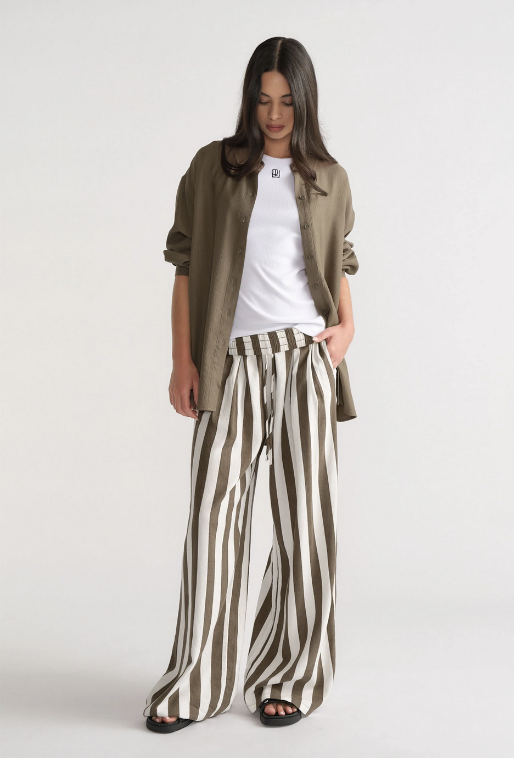
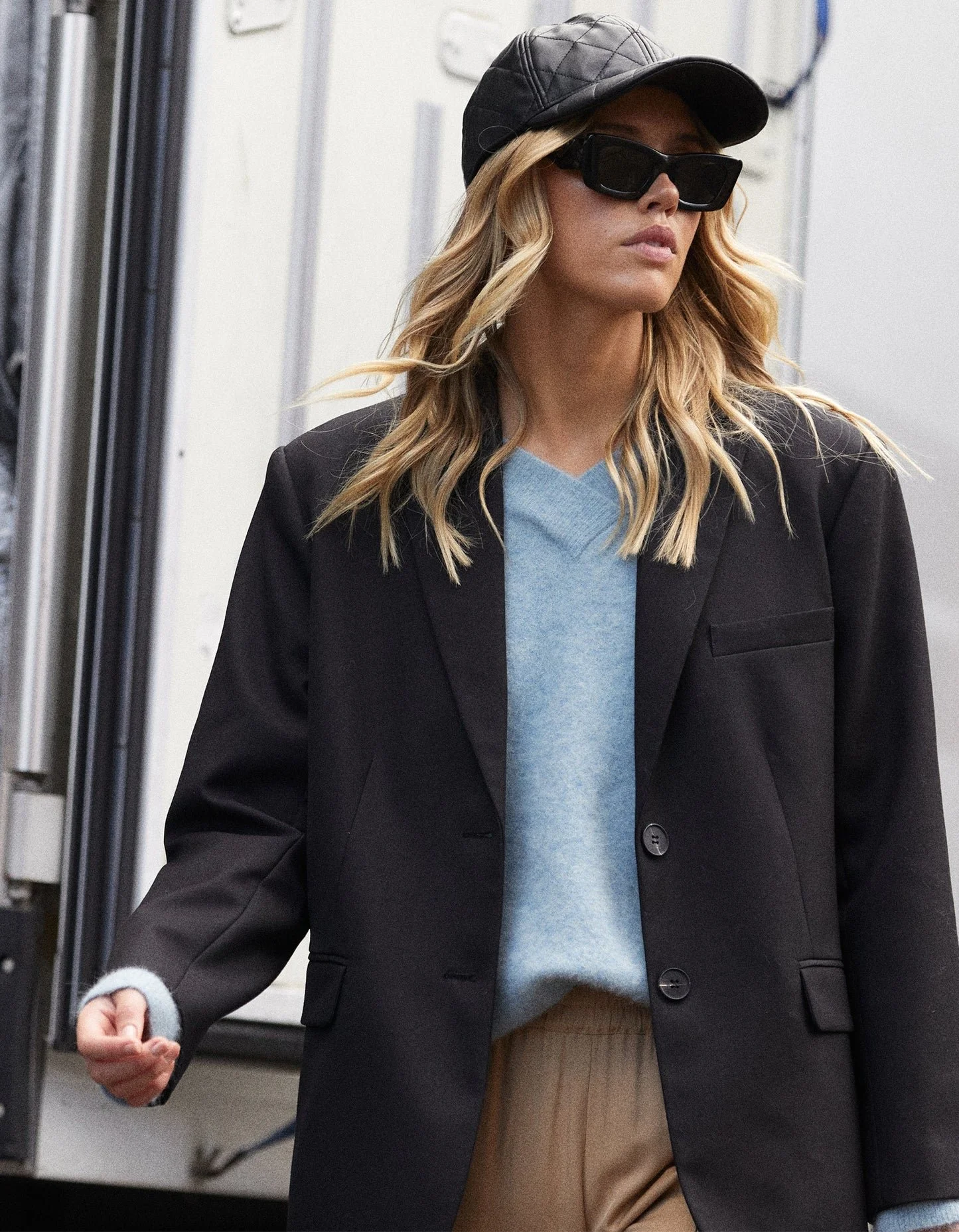
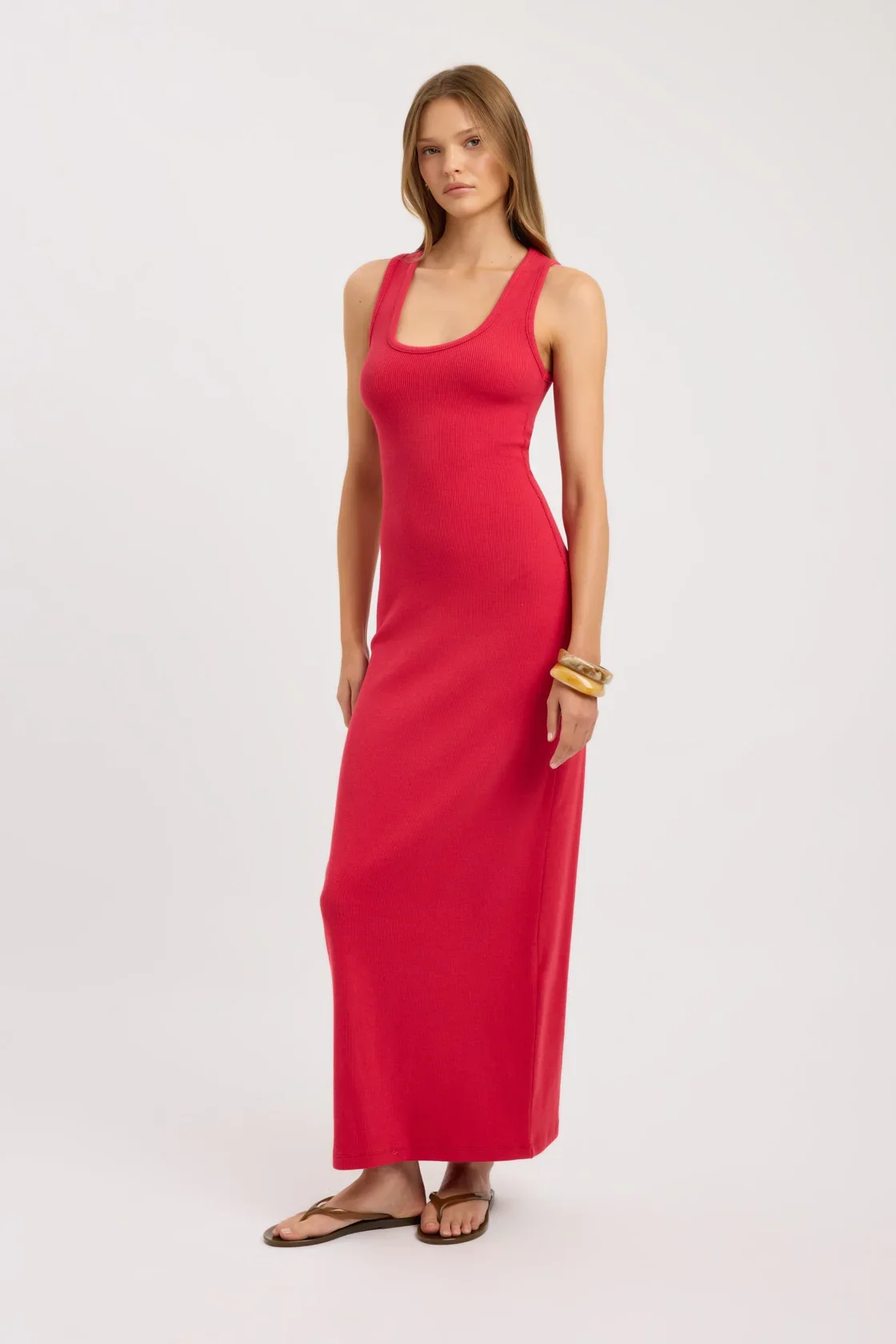

Decjuba D-Luxe Linen Blend Stripe Pant, $120. Superette Essex blazer, $599. Kookai Cammy Maxi Dress, $160. Dissh Sue Off White Oversized Kint Tee, $179.
Instead of Ballet Flats: Shoes With Structure and a Point of View
Footwear is grounding outfits again. The goal isn’t height—it’s presence.
We’re choosing:
Loafers with a strong sole or sculptural shape
Sleek sneakers that read fashion-first, not fitness
Block heels with a sharper toe
Simple architectural sandals
Shoes should finish an outfit, not fade into it. If your footwear disappears, your look usually does too.
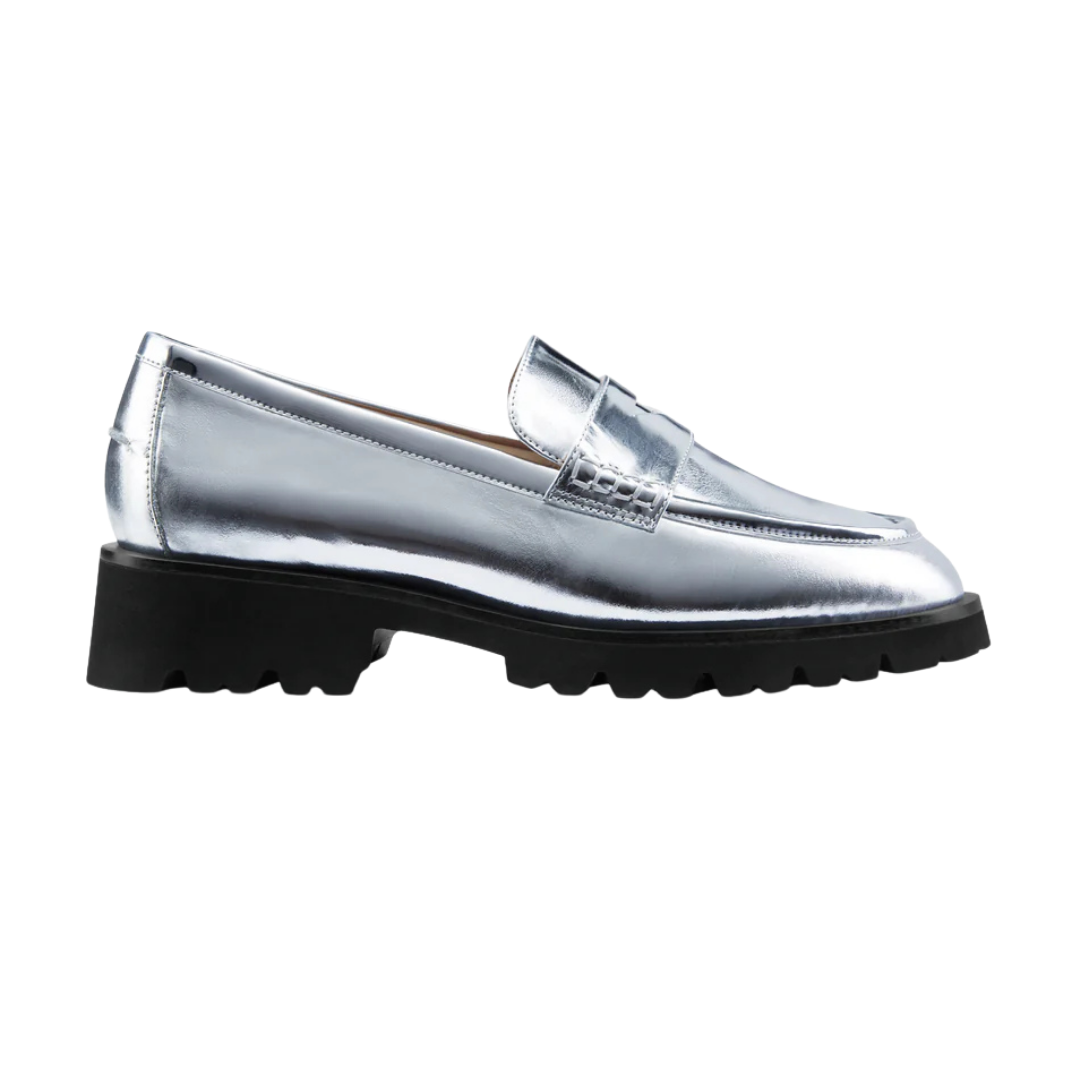
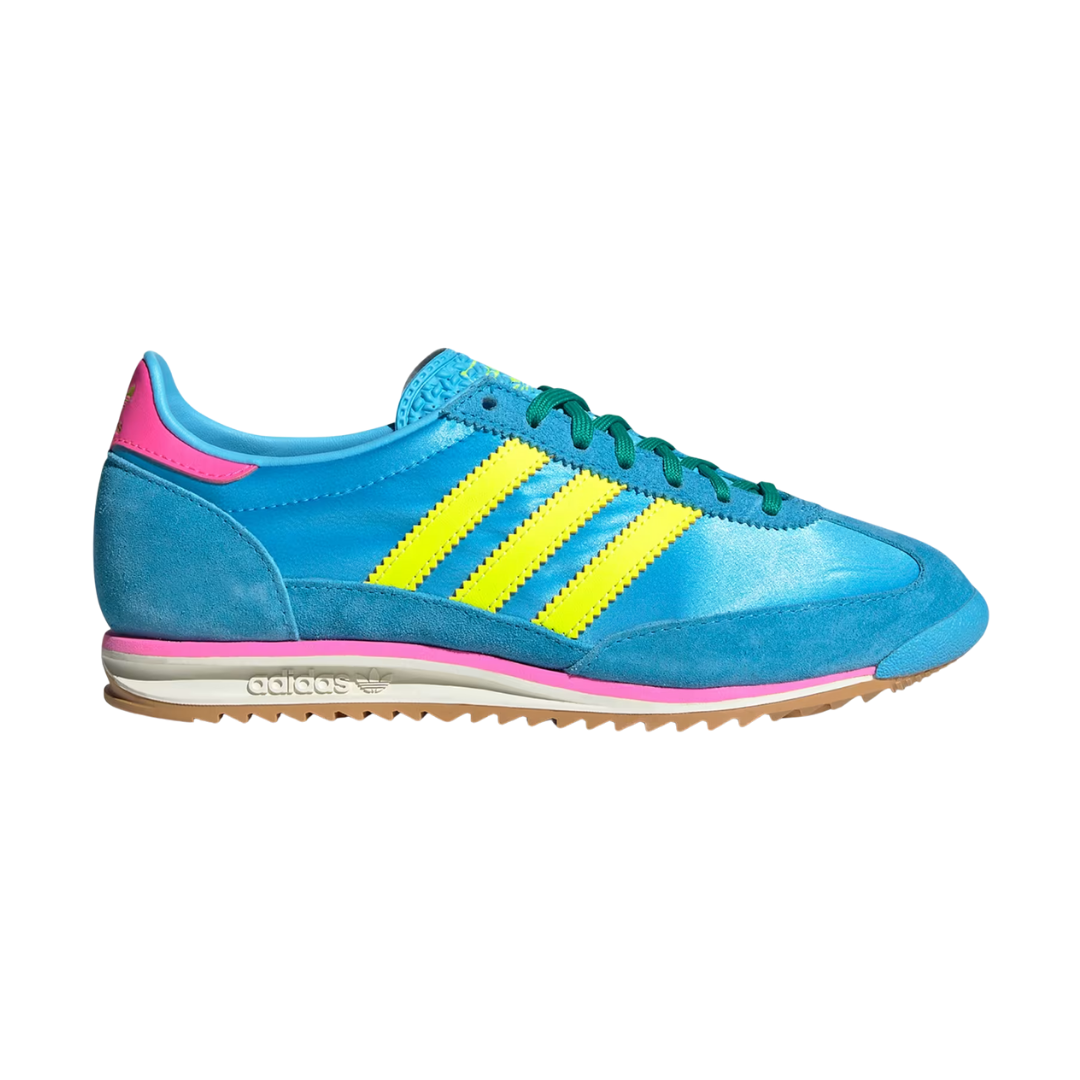
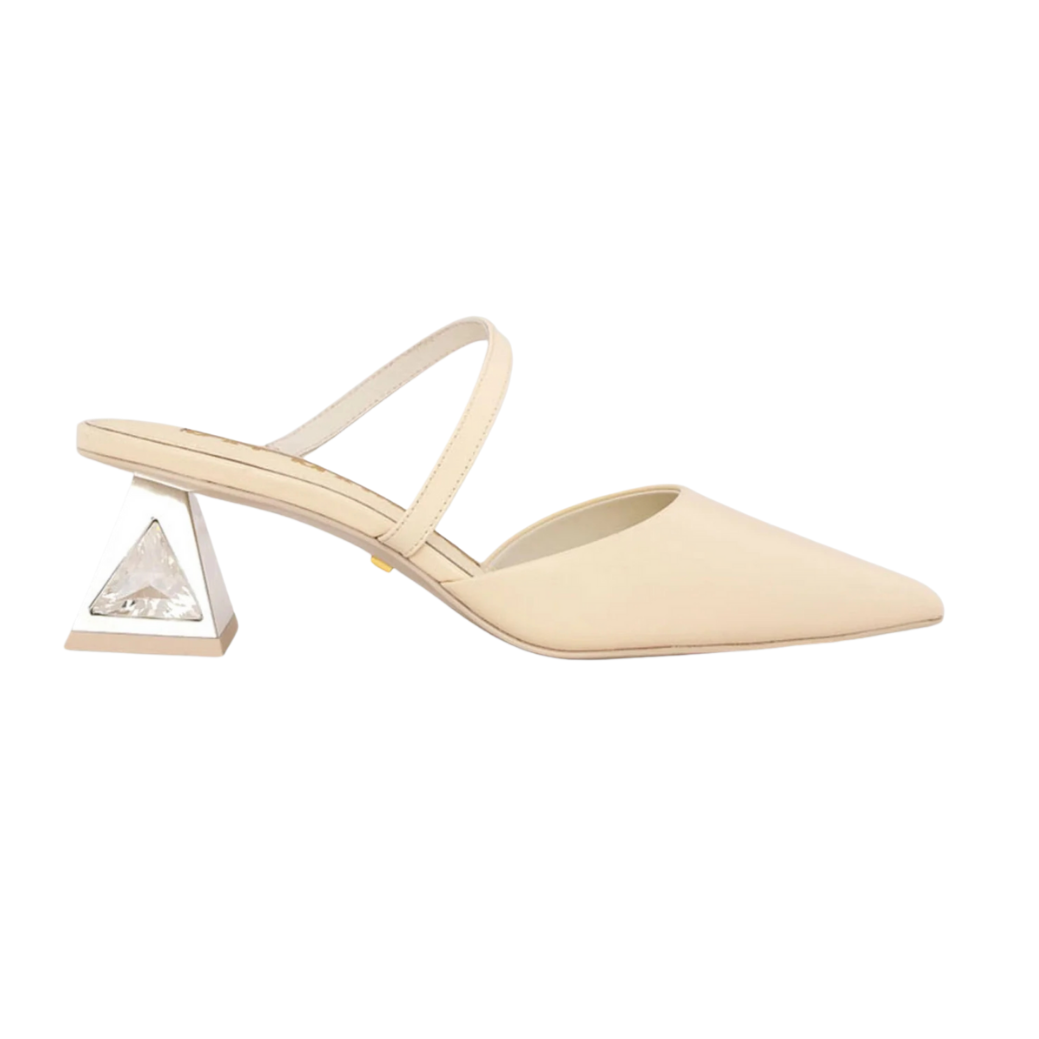
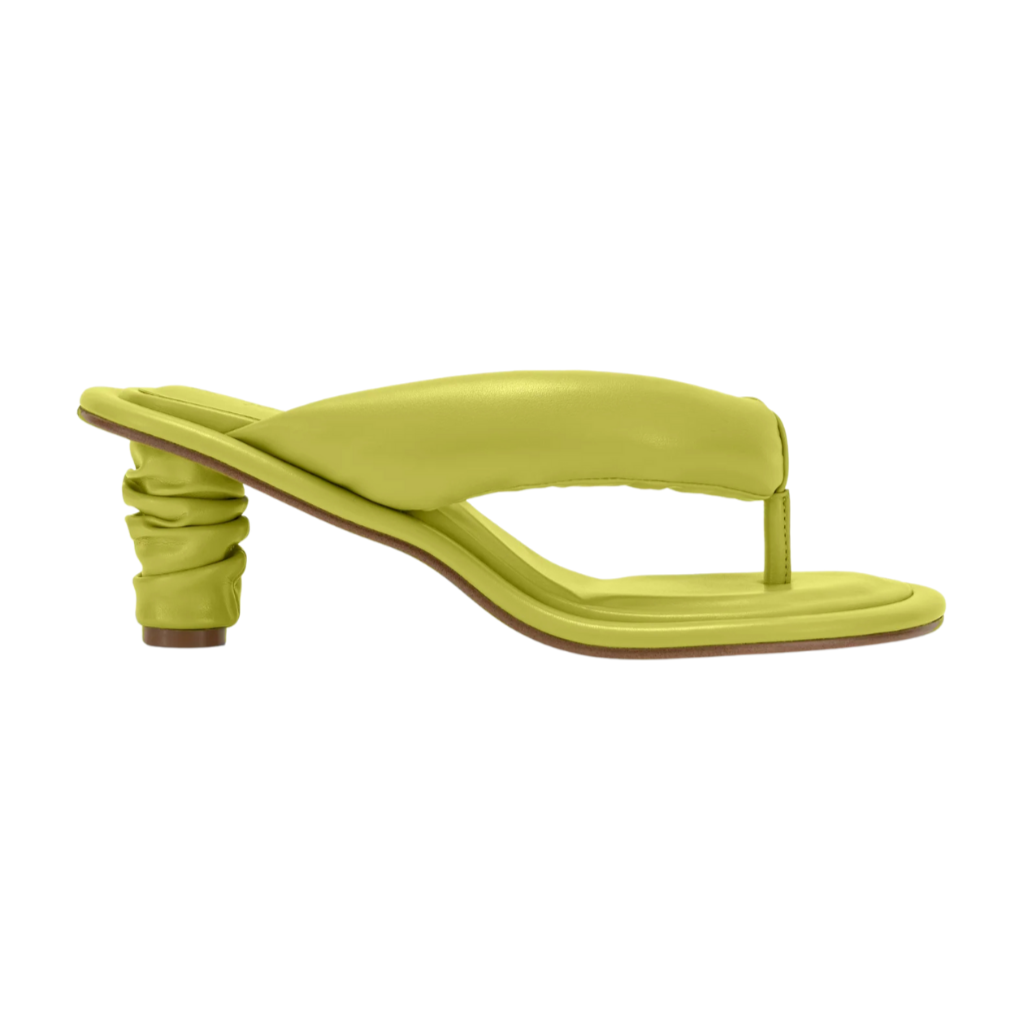
Nicole Rebstock Czech Ltd Ed Loafer, $329. Camper Taylor loafer, $325. Kat Maconie Aisha pumps, $626. JW PEI Talia Puffed sandal, $158.
Instead of Smock Dresses: Soft Shape, Subtle Definition
Ease is still in—but invisibility is out. Dresses are returning to the art of suggestion: skimming, draping, and lightly defining without restricting.
We’re wearing:
Bias-cut slip dresses layered with knits or blazers
Shirt dresses with a waist tie or gentle tailoring
Midi dresses with strategic ruching or panelling
Wrap silhouettes that adapt to the body, not erase it
The emphasis is on movement and proportion—clothes that acknowledge the body without over-performing it.
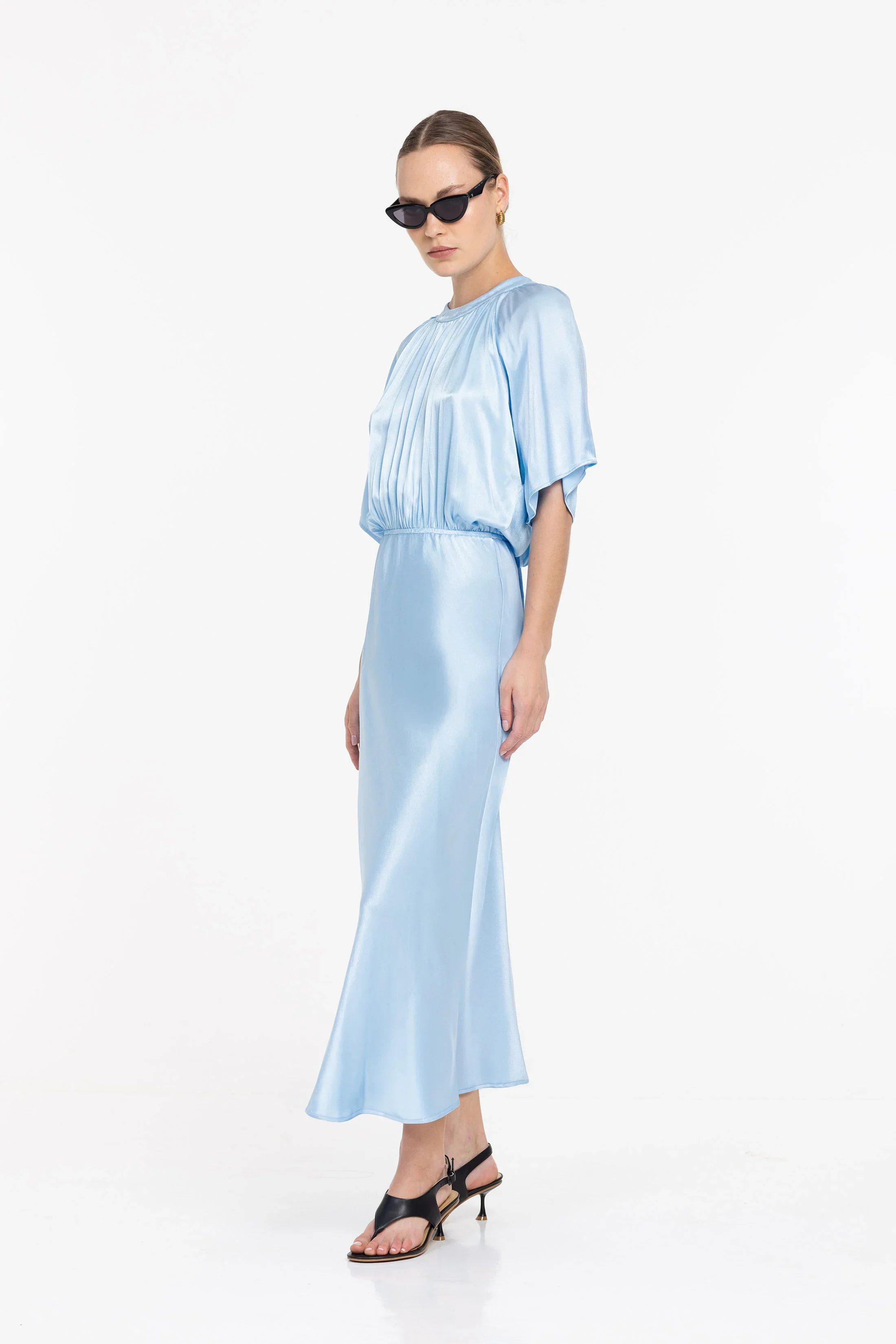
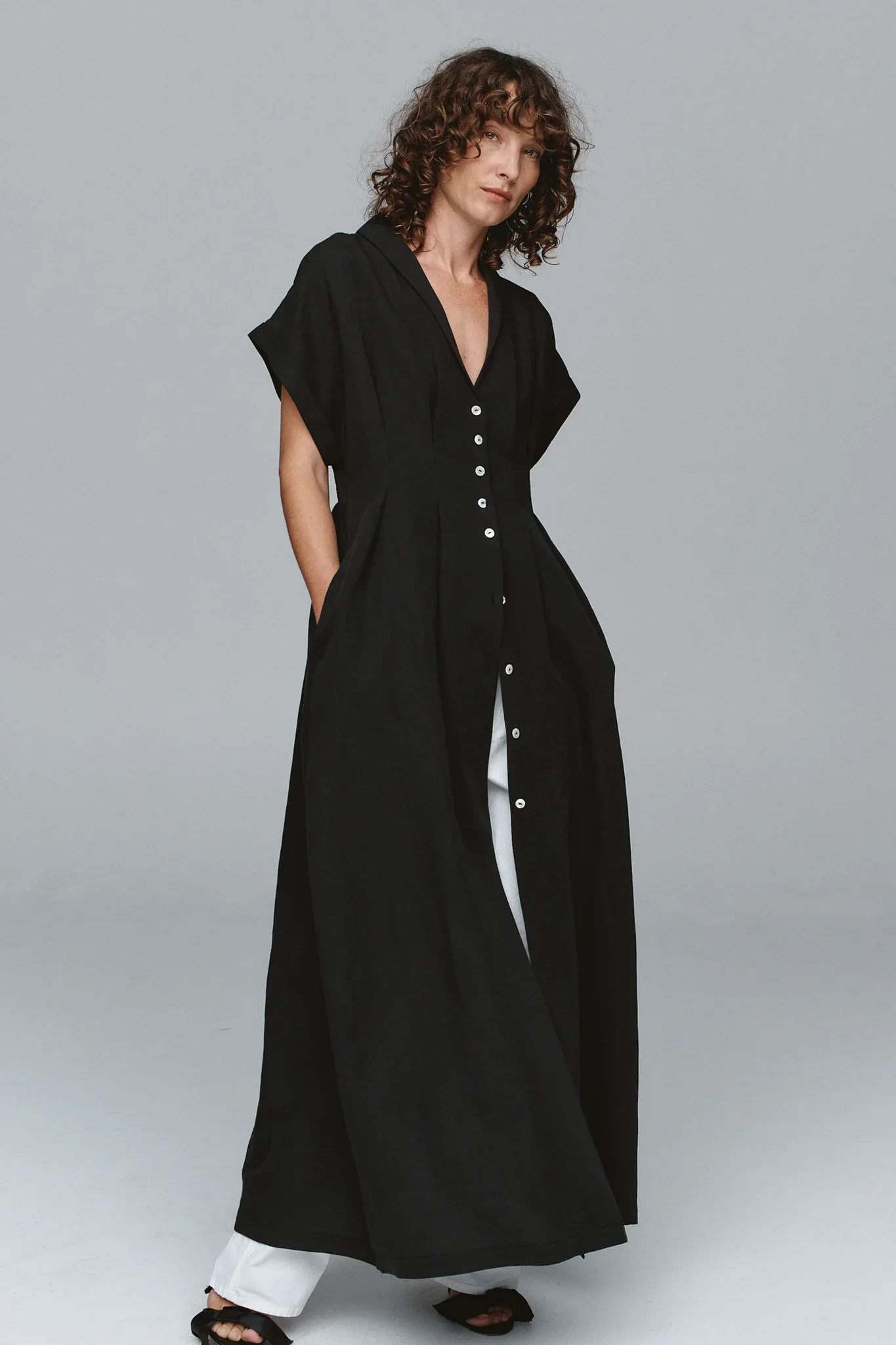

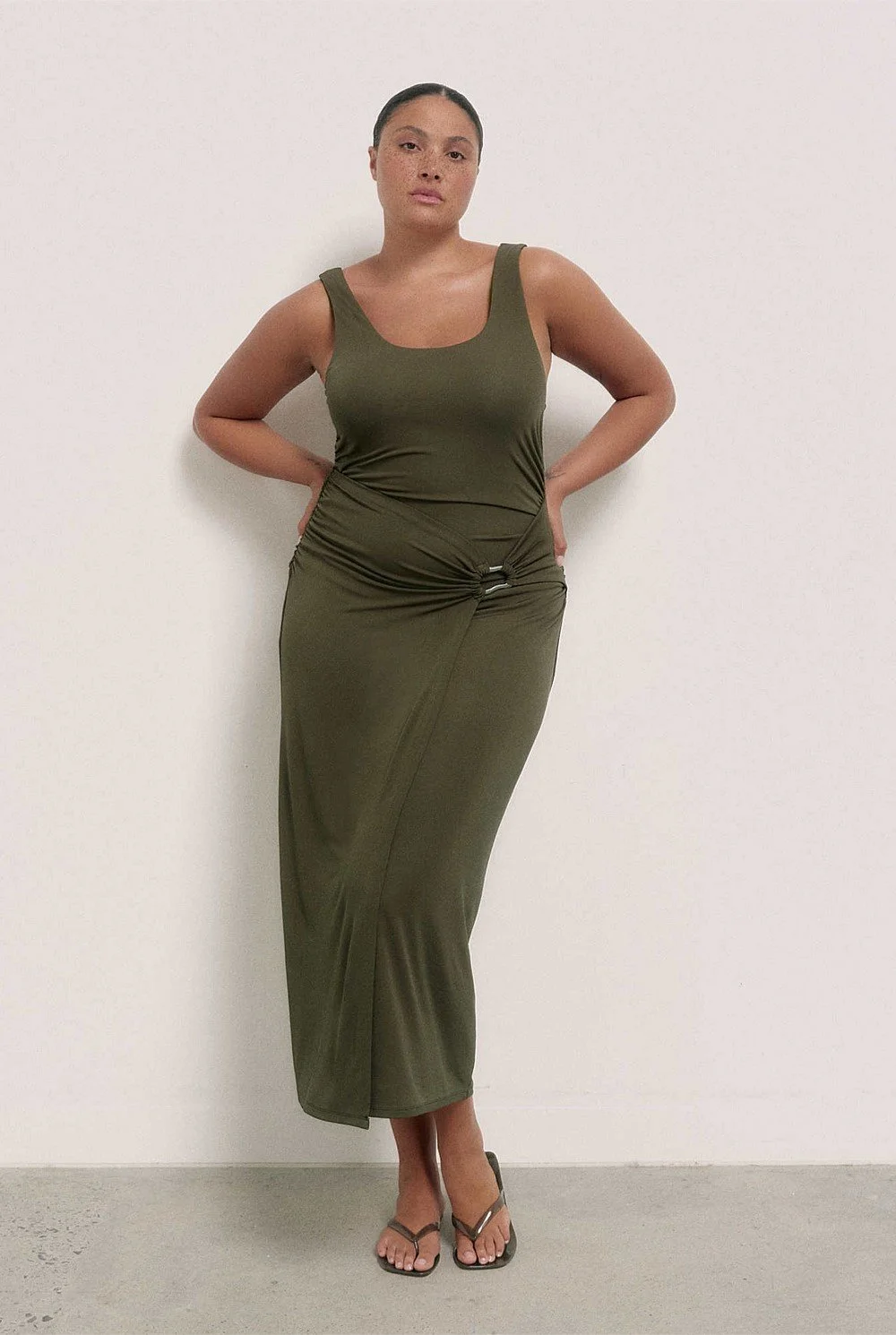
BLAK Euphoria dress, $329. Marle Swan dress, $450. CUE Stretch Viscose Draped Midi Dress, $285. Witchery Jersey Ring Detail Dress, $229.
The Bigger Shift
Letting go of trends isn’t about being anti-fashion—it’s about refining it. About choosing intention over inertia. About dressing in a way that reflects how we want to feel, not how little effort we can get away with. This year, we’re dressing with purpose again. And honestly? It’s about time.

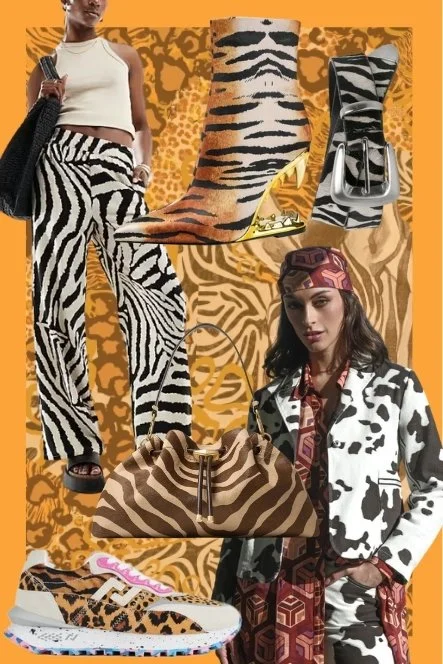


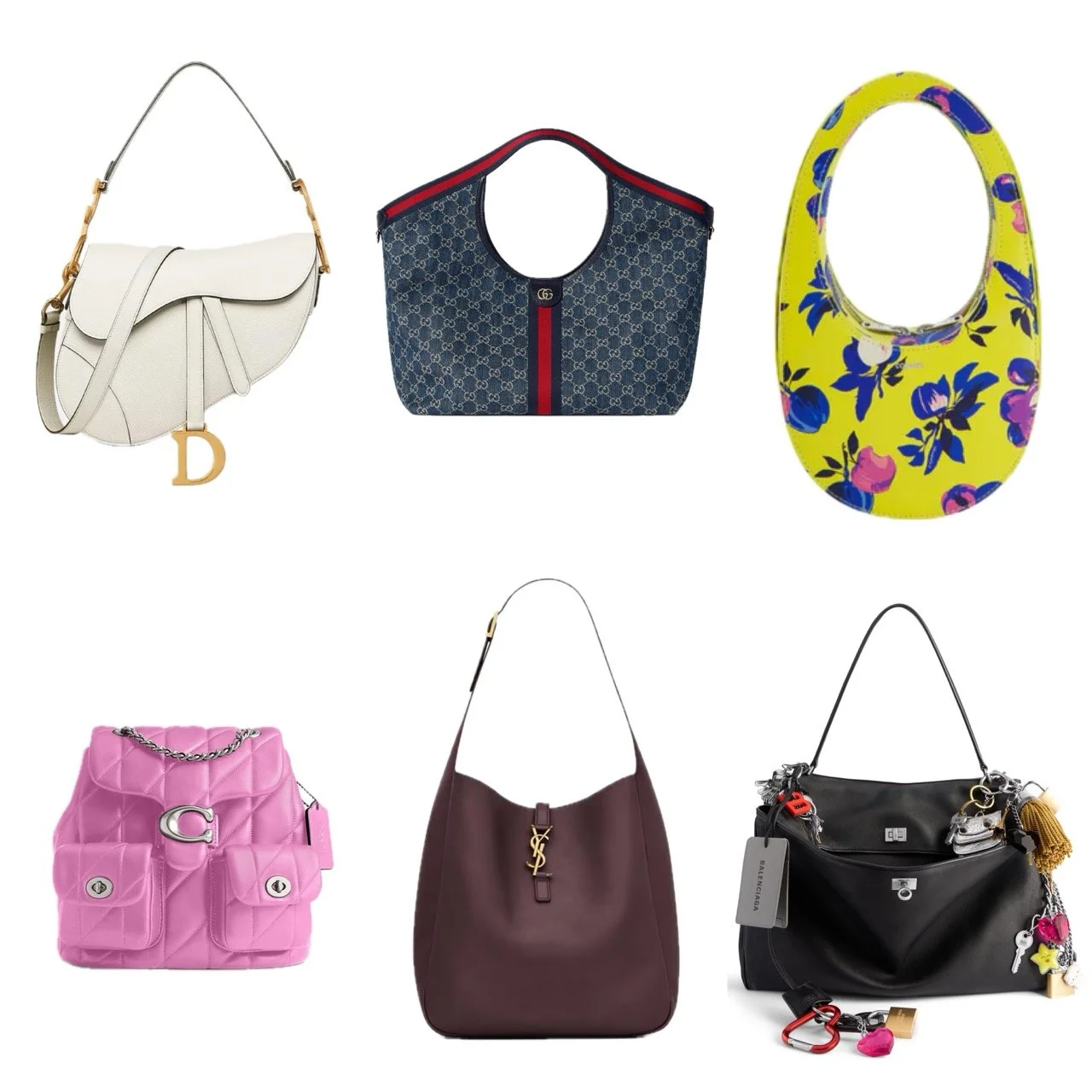


Investment pieces, capsule wardrobes and forever buys have made us very sensible shoppers. But when did every fashion purchase have to last a lifetime?