

It’s a life stage that 1.1 billion women worldwide will go through by 2025. So why are so many of us in the dark about menopause? We share advances in hormone replacement therapies, her journey, and a hormonal stage that, for some, impacts every aspect of their lives.
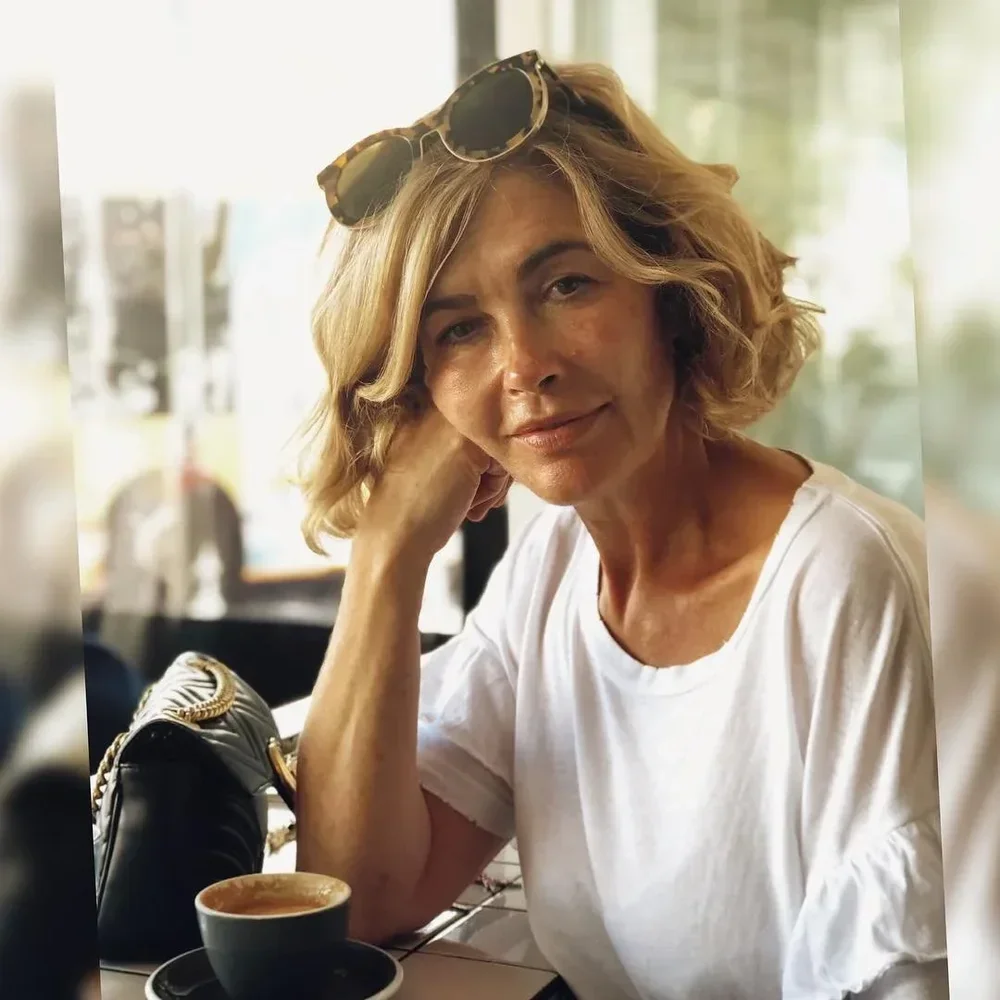
Editor Trudi Brewer
Why is menopause a breeze for some and a bitch for others?
Women, by nature, share. Enjoy close friendships and are not intimidated by communicating their thoughts and feelings. We’re also resilient and, during our lives, experience the highs and lows that come with careers, motherhood and ageing. Discussions about pregnancy, birth, periods, and relationships are common - but not so much about menopause. Why is that?
I suspect that dates back to how our grandmothers and mothers dealt with 'the change.' Mine suffered from migraines, mood swings, and depression from what I believed was a failed marriage and the loss of her beauty and spirit. Fatigue and then the heartbreak of an empty nest didn’t help. Why has menopause historically been associated with the beginning of the end of a woman's youth and vitality? Or the start of her decline to irrelevance?
Transitioning from perimenopause to menopause happens over a decade for some women, and it can begin in your late 30s. It's a time when oestrogen levels, the essential female hormone, start declining. For some, it’s the start of hot flashes, mood swings, and irregular periods. Perimenopause can last for decades. But it's when you haven’t had a period for 12 months that it is the signal you are now in menopause. It’s also when women are at the peak of their careers, with busy, active lives.
As a journalist, I have covered every aspect of female-centric narratives, from sharing women’s career advice to beauty trends, wellness and cosmetic treatments. Menopause was never on my radar until a few years ago. It was also a subject I needed to be more knowledgeable about, which is odd because I am a woman in the thick of it. After researching and then finding an advocate for HRT (hormone replacement therapy), an expert in women's health, I realised I had been let down for over a decade, at a time in my life when science-backed information and medical support were what I desperately needed. More on that later.
What is hormone replacement therapy?
From oral medication to transdermal patches, gels or vaginal treatments. The best type of HRT varies depending on your age, health conditions, and whether you have had a hysterectomy. If you still have your uterus, then often treatment combines oestrogen and progestogen. For a treatment commonly prescribed globally until the 2002 Women's Health Initiative (W.H.I.) study, new analyses of that study's data, along with many other studies, have since reassured that the risks of hormone therapy are low. However, HRT is still recovering from that reputation. According to Dr Stephanie Faubion, a women’s health expert at Mayo Clinic in Florida and the medical director of the North American Menopause Society, “The current official position is that the benefits of hormone therapy typically outweigh the risks for most healthy, symptomatic women under 60 and within ten years of menopause onset.”
Today’s formulations mimic the natural hormones in a woman’s body, such as Bioidentical Hormone Replacement Therapy, available and funded here in New Zealand. There are also new methods of delivery: Taking hormones via a transdermal patch rather than a pill allows the medication to bypass the liver. According to Rebecca Thurston, a professor of psychiatry at the University of Pittsburgh who studies menopause, “About 85 per cent of women experiencing menopausal symptoms have been underserved.” She considers this oversight one of medicine's great blind spots. “It suggests that we have a high cultural tolerance for women’s suffering,” Thurston says. “It’s not regarded as important.”
Hormone therapy has risks, as does any medication that helps relieve pain or discomfort. Dozens of studies have been done since that first 2002 W.H.I. study to prove its efficacy. If the symptoms of menopause are affecting your life and happiness, my experience now - I am on HRT (and it's early days) is that the benefits of taking hormones under the guidance of a good G.P. well outweigh the risks.
My menopause journey
Starting perimenopause in my mid-40s, my symptoms were mild at first, and I never really thought about it. I have always been a light sleeper; who isn't after having kids? I put my mood swings down to fatigue and my perfection complex. But brain fog, as well as a patchy libido and irregular periods, were worrying. After insisting on a blood test, it confirmed I was in perimenopause by my doctor (a doctor I had been going to for over 30 years), who, when I quickly suggested HRT, promptly refused me. My reluctant male GP, who scheduled 10-minute appointments if I was lucky enough to get one during COVID, was a great family doctor (now retired); he guided me through my life from my 20s to my 40s, including the birth of my two sons. I trusted him. He was calm, considerate and caring. But I now know his knowledge of menopause was lacking. He never had the time to share the risks and benefits of HRT, which could work for my constant insomnia, waking at 3 am, followed by anxiety. Not to mention dry, itchy skin and loss of libido. So, sticking with that age-old research and a brief, dismissive discussion on the risks of breast cancer with HRT, he offered anti-anxiety medication that would also help me sleep. I revisited the HRT discussion several times and received the same rhetoric. It wasn’t until he retired and a young female Australian doctor replaced him that I brought up the same conversation around HRT. She said, “It’s too late; you should have been on HRT in your early 40s. Just keep taking that anti-anxiety medication you have been prescribed.” That was the motivation I needed to find a new G.P.
Where do you find the best menopause advice?
Suppose there was a superabundance of research into menopause, a life stage as inevitable as ageing. Suppose women did not find themselves apologising for those symptoms at work or experiencing angry outbursts or tearful mood swings at home. Imagine asking your doctor repeatedly for HRT, a request that, in my case, fell on deaf ears. I suggest (from experience) that if your doctor isn’t discussing hormone therapy with you, it’s not because it’s not available. It may be because of gaps in their knowledge.
Today, women in their 40s and 50s are dynamic. They are career-driven, keen to stay youthful and fit and enjoy all aspects of their life, including relationships. They are engaged and have much to bring to our society. At every life stage, there are hurdles to overcome. We all have or have not had menstruation issues. However, some women experience mood swings that prevent them from functioning; we call that premenstrual syndrome (P.M.S.). Motherhood, which some of us embrace and relish, and others suffer postpartum depression, which is debilitating. But until now, menopause has been a discussion that is not that easy to have, and so many women suffer to the point of breakdown.
Dr Gunter, obstetrician and gynaecologist, is the author of “The Menopause Manifesto” and “The Vagina Bible.” Once said, “Menopause has long been treated as a pre-death, a metamorphosis from a woman to a crone with her exit ticket already punched. This is because a woman’s worth was measured by her reproductive ability and, by extension, her femininity, as defined by a narrow, misogynistic standard.”
Expert Advice IN NEW ZEAland
Being misdiagnosed with anxiety or depression rather than being offered H.R.T. as a treatment for perimenopause is common. When I saw Dr Antje Bongartz at Takapuna Health, I finally saw a light at the end of a very frustrating, narrow tunnel. Her extensive knowledge and the validation I hadn't received, along with the best options for my symptoms, compelled me to share my journey and what I have learned. Here, Dr Bongartz conveys some of the most commonly asked questions we should be discussing.
Menopause Q&A
What age do women typically hit perimenopause and then full menopause?
There is a considerable variation in the onset of perimenopause between 35 and 58 years. Still, most women start with first symptoms around 50 and will have their most symptomatic years between 52 and 55 years.
Does menopause differ in women who have not had children?
Some studies have found that women who had an early onset of periods and who never had children might have a two-or-three-fold higher risk of early onset of perimenopause.
What are the symptoms, common and uncommon?
The most common symptoms are night sweats, hot flashes, brain fog, anger, and itchy skin. Muscle and joint pain, loss of bone density, hair loss, ageing skin, and abdominal weight gain are less common as initial symptoms.
How can weight gain be managed?
Abdominal weight gain is usually a slow-onset symptom but does happen to most women due to declining oestrogen. Weight gain can be managed through mindful eating, limiting refined carbs, sometimes time-restricted eating, and a healthy lifestyle with sufficient exercise, recreation, and stress management. It sounds easy, but it isn't. Most women in their 50s have demanding jobs and family responsibilities. Finding time for exercise, recreation, and a healthy diet can be a challenge.
What about H.R.T.? So many doctors are against this treatment. Why?
The initial HRT in the 1990s was very unsafe for women regarding cardiovascular and breast cancer risk, but this was first apparent to medical professionals due to the Women's Health Study after some years of treatment. It came as a massive shock for doctors and women who stopped H.R.T. use for some time. Many health professionals are still stuck in this belief and are not up-to-date with current treatment options and safety data, so they discourage women from starting treatment.
How has H.R.T. changed since the 1990s?
Health professionals initially used synthetic or animal-derived hormones, which caused a significantly higher cardiovascular risk. For example, pharmaceutical companies extracted oestrogen from pregnant horse urine, which had a 400-fold higher blood clotting risk compared to human oestrogen. So, women were getting strokes and heart attacks. The synthetic hormones, especially progesterone, were blocking the receptors in the body for weeks, which led to a higher breast cancer risk. The current bio (body) identical HRT has reduced these risks significantly.
What are bioidentical hormones?
Nowadays, laboratories manufacture bio (body) hormones from plants. They have the same chemical structure as our hormones and the same benefits and risks.
What is the best age to start and stop taking H.R.T.?
The best age to start HRT is the beginning of perimenopause. It can vary for women; some start in their 40s or earlier, and most begin around 50. It is essential to start HRT in the 50s, as this will most benefit metabolic health, help keep cholesterol in check, and reduce cardiovascular risk. Usually, this only happens when you start HRT before your 60s.
Do supplements help? If so, what are the best options?
Some well-researched supplements, such as black cohosh, have been used for many years to help with perimenopause symptoms. They are usually effective for a particular time and then can lose their effect. One must check liver function, as some can negatively affect it. Other strategies in early perimenopause are supplements to detox high oestrogen levels, such as DIM and Sulforaphane. These can be helpful in the early stages.
Why do women lose their libido during menopause?
The loss of libido that many women suffer is a multifactorial problem. It is caused not only by declining oestrogen and testosterone levels but also by psychological and social stressors. Women are in a demanding phase of their lives, and stress has a very negative impact on libido. They are often losing confidence due to the changing body, which can negatively affect their attitude towards intimacy.
What's the best way to get it back?
The first approach is to be aware of the changes and optimise lifestyle, sleep, stress, exercise, and diet. It is essential to initiate healthy ageing early in the 50s. Depending on the individual symptoms, HRT with oestrogen, progesterone, and testosterone cream (Androfeme, which is available but not funded in New Zealand and costs $153) can significantly support a woman's well-being and libido.
New technology
When you think about Clearblue, at-home pregnancy and ovulation tests spring to mind; however, their latest launch is all about menopause. Determined to turn up the volume on the conversation around menopause, this new test addresses an often overlooked and underfunded sector of women’s health. The new Clearblue Menopause Stage Indicator is a one-of-a-kind testing kit that measures your follicle-stimulating hormone (FSH) levels with five urine test strips used over ten days. Along with the Clearblue Menopause app, this goes beyond averaging your test results; you can also use the app to record symptoms you might be experiencing, providing insight into where you are in your menopause journey.

Dr Antje Bongartz
A Great Guide
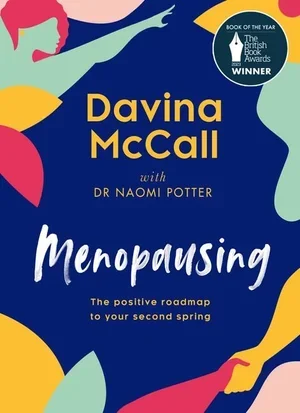
British TV presenter Davina McCall (famous for TV Shows including Big Brother, Masked Singer and Masked Dancer in the U.K.) and her 2021 B.B.C. documentary series Sex, Myths and the Menopause, available on TVNZ+ on-demand, is helping normalise the menopause conversation. She has helped demystify the midlife taboos, including HRT and sex. Her latest project, a book, ‘Menopausing’ recently won the British Book of the Year in 2023, co-written by British menopause expert G.P. Dr Naomi Potter, who is the founder of dedicated Menopause Care clinics in the U.K. This guide to life in menopause, with evidence-based science and honest, no-holds-barred advice, is brilliant. McCall’s funny, oversharing style ("I got a blister on my labia," she says in the intro) shares how talking openly about menopause has helped her better understand what is going on to her and millions of other women. This book charts McCall's experience, including how terrifying it is that so many women get prescribed antidepressants when presenting quite clearly with menopausal symptoms to their G.P.s. Dr Potter adds sound scientific advice, and together, they have created a great read, a positive roadmap to your second spring.