

Keen for a weekend away? An idyllic pavilion-style restaurant and vineyard on the edge of the Martinborough Terrace feels like a piece of Italy. We share the charm of The Runholder, the new home of Te Kairanga, Martinborough wines and Lighthouse Gin - the ideal girl’s getaway for a very long lunch.
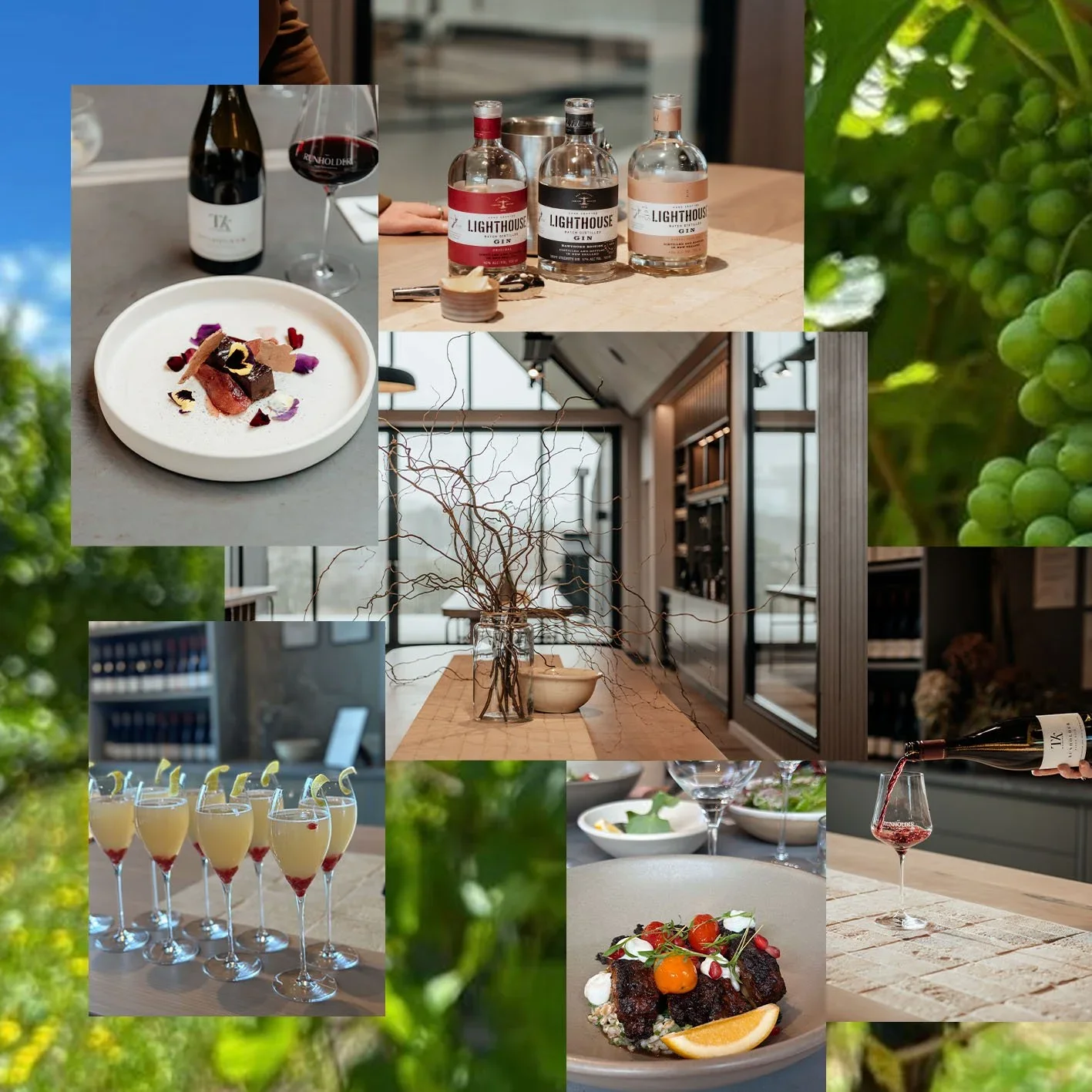
Image BeautyEQ
If global travel is off-limits for your budget or work schedule, a weekend in Martinborough will satisfy your craving for fine wine, delicious food and a spot of shopping. Just a little over an hour’s drive from Wellington, over the Remutaka Ranges (go easy on this road; it is a long way down, 940 metres high, and a little narrow in some spots), is one of the most charming villages, on the Southern tip of the North Island: Martinborough.
It's been 20 years since I visited, I’m ashamed to say, and during that time, it's grown to become a luxe-y destination for travellers seeking delicious, sustainably harvested local produce, outdoor pursuits and fine wine. Today, it’s one of the world's most loved wine regions, home to New Zealand's finest Pinot Noir and Chardonnay, produced by the town's family-owned vineyards. Martinborough's Burgundy-like, arid climate, with dry river beds and rocky soils, makes for perfect growing conditions for red wine - and now, there's a much-anticipated tasting room and restaurant on a grand scale to visit.
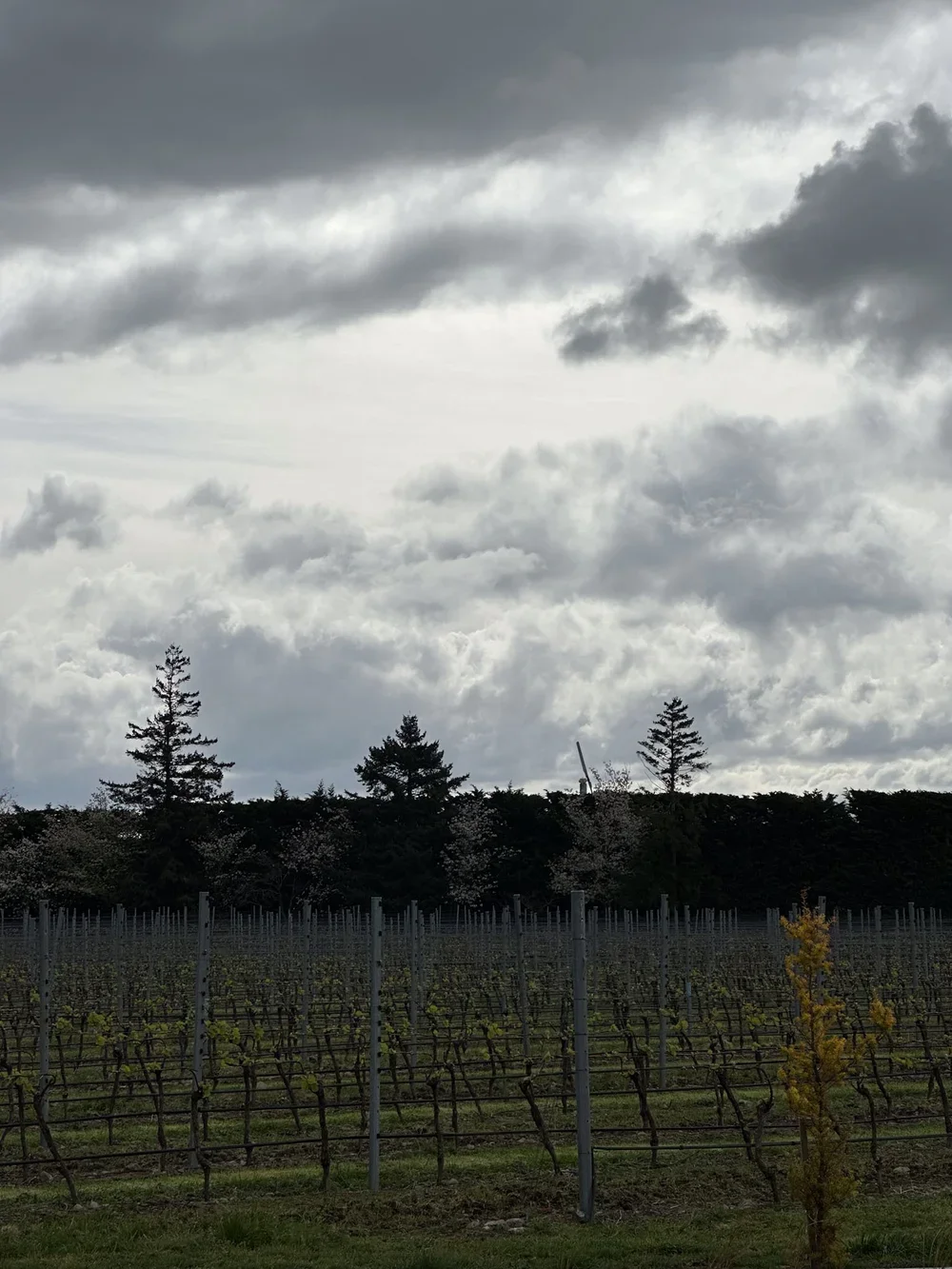
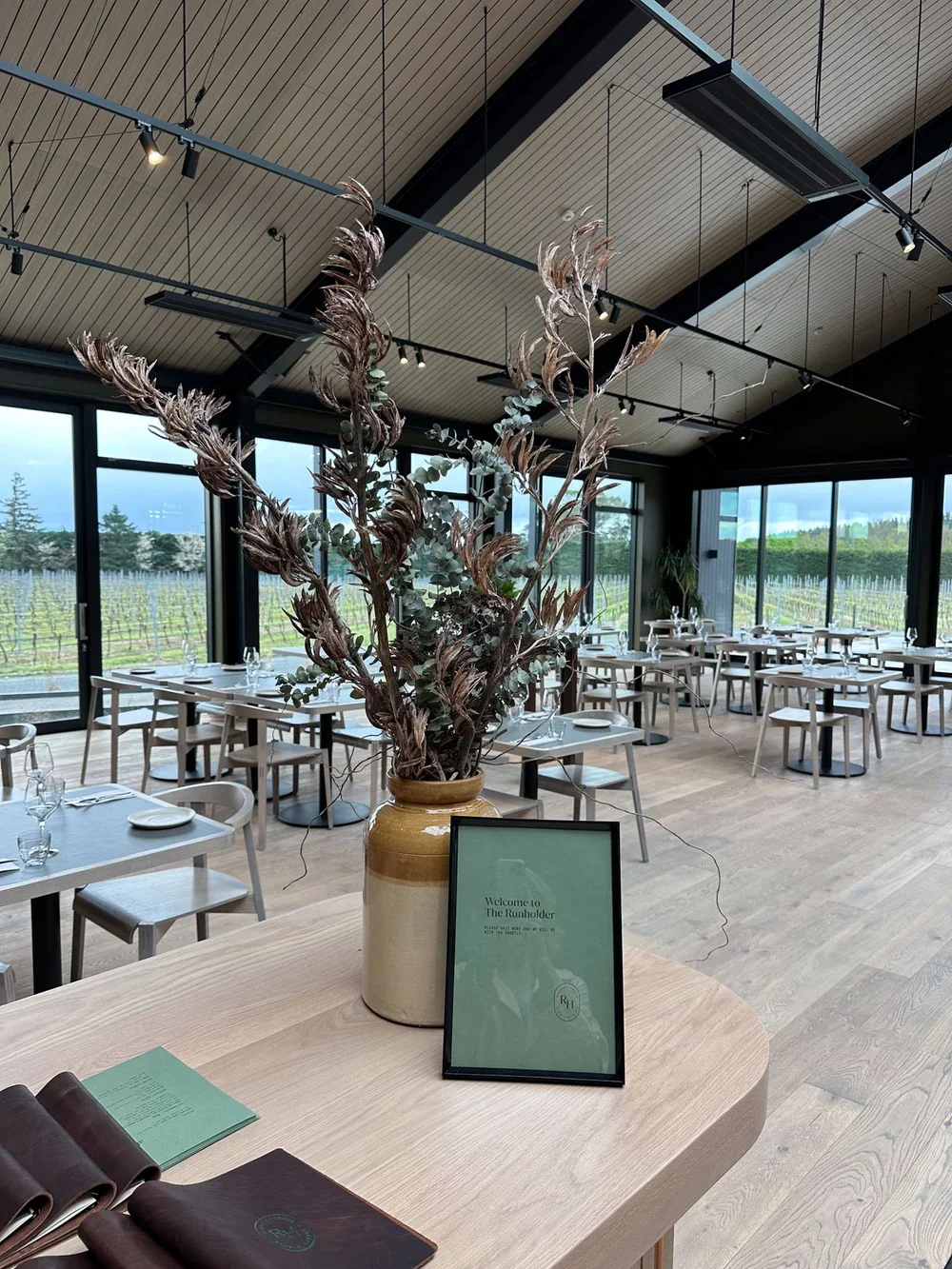
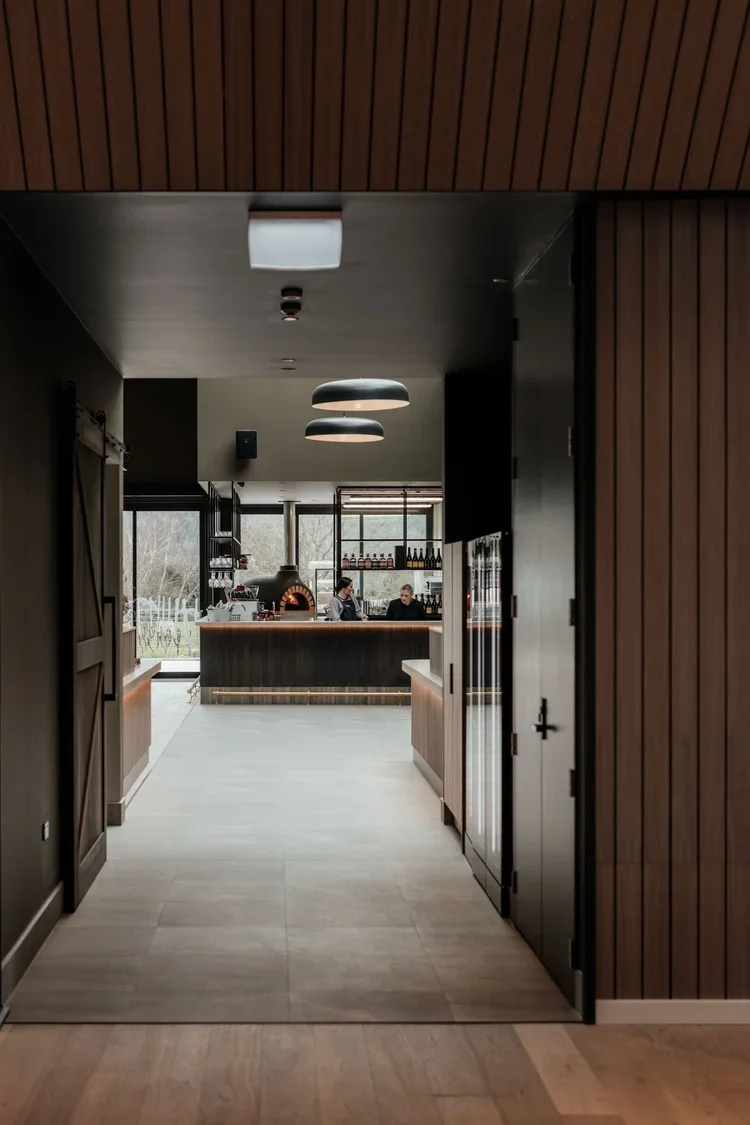
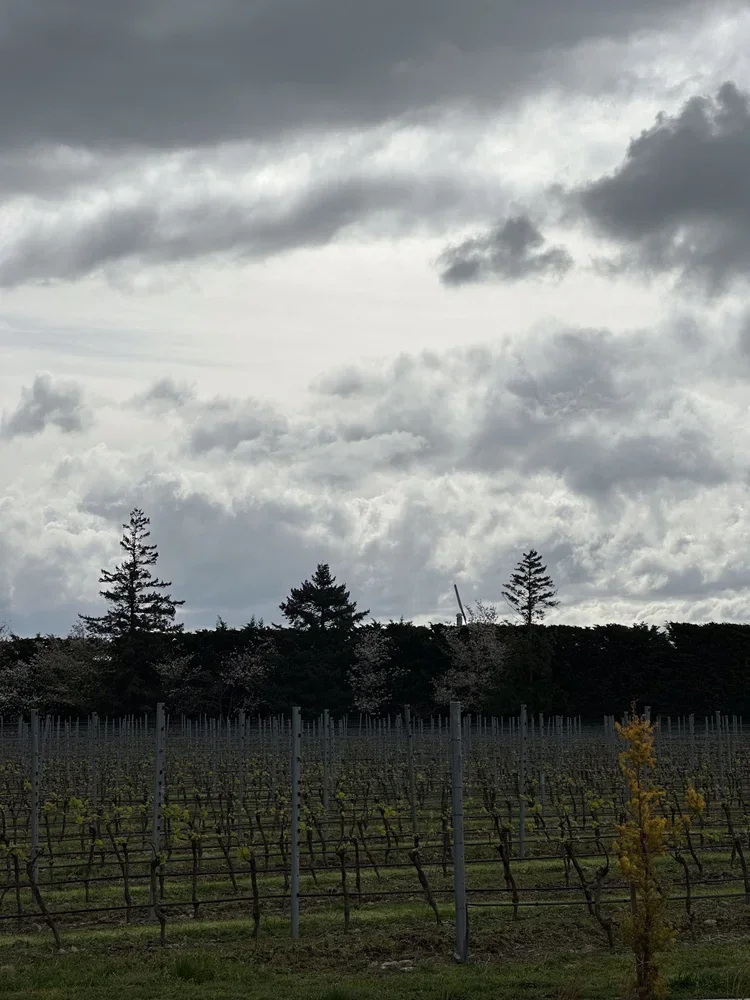
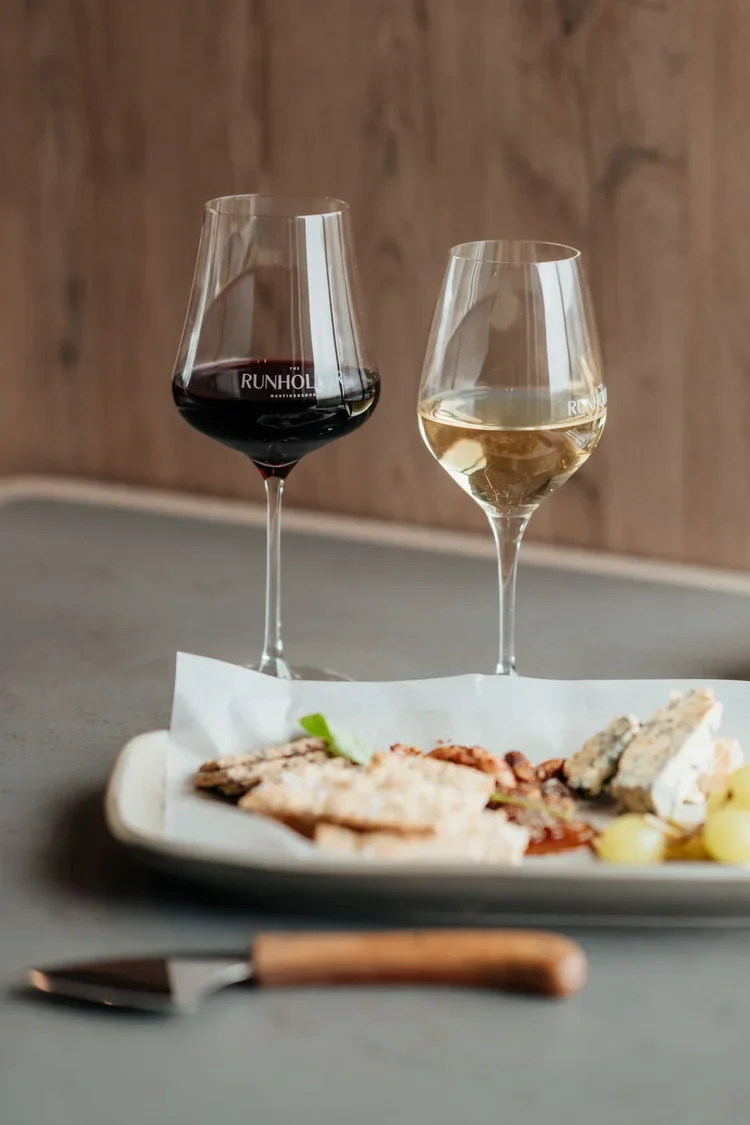
The Runholder sits in the middle of the Te Kairanga vineyard. This run of land was once held by Martinborough’s pioneering namesake, John Martin, and it’s only a five-minute drive from Martinborough Square. It’s ‘the’ place (according to the locals) to spend an afternoon in Martinborough. The Runholder’s owners, Foley Wines, say this architecturally designed pavilion, crafted from warm woods and cool polished marble counters and concrete floors, is ‘elevated but not overstated.’ Through The Runholder’s enormous cellar door, a world-class chef creates room for 100 diners, and the menu makes it a pinch-me moment.
I could be amongst the vines of any excellent wine region worldwide. It is also a tribute to a wine family that has created an outstanding showcase for some of Martinborough’s best assets.
Learn more here →
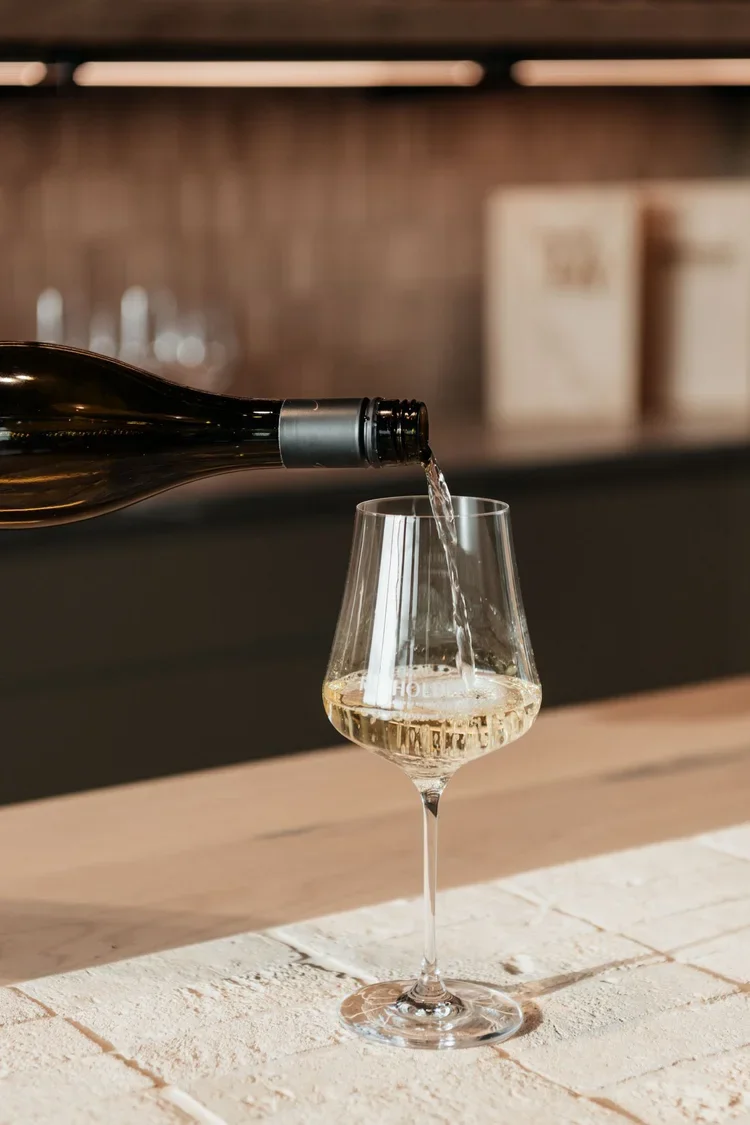
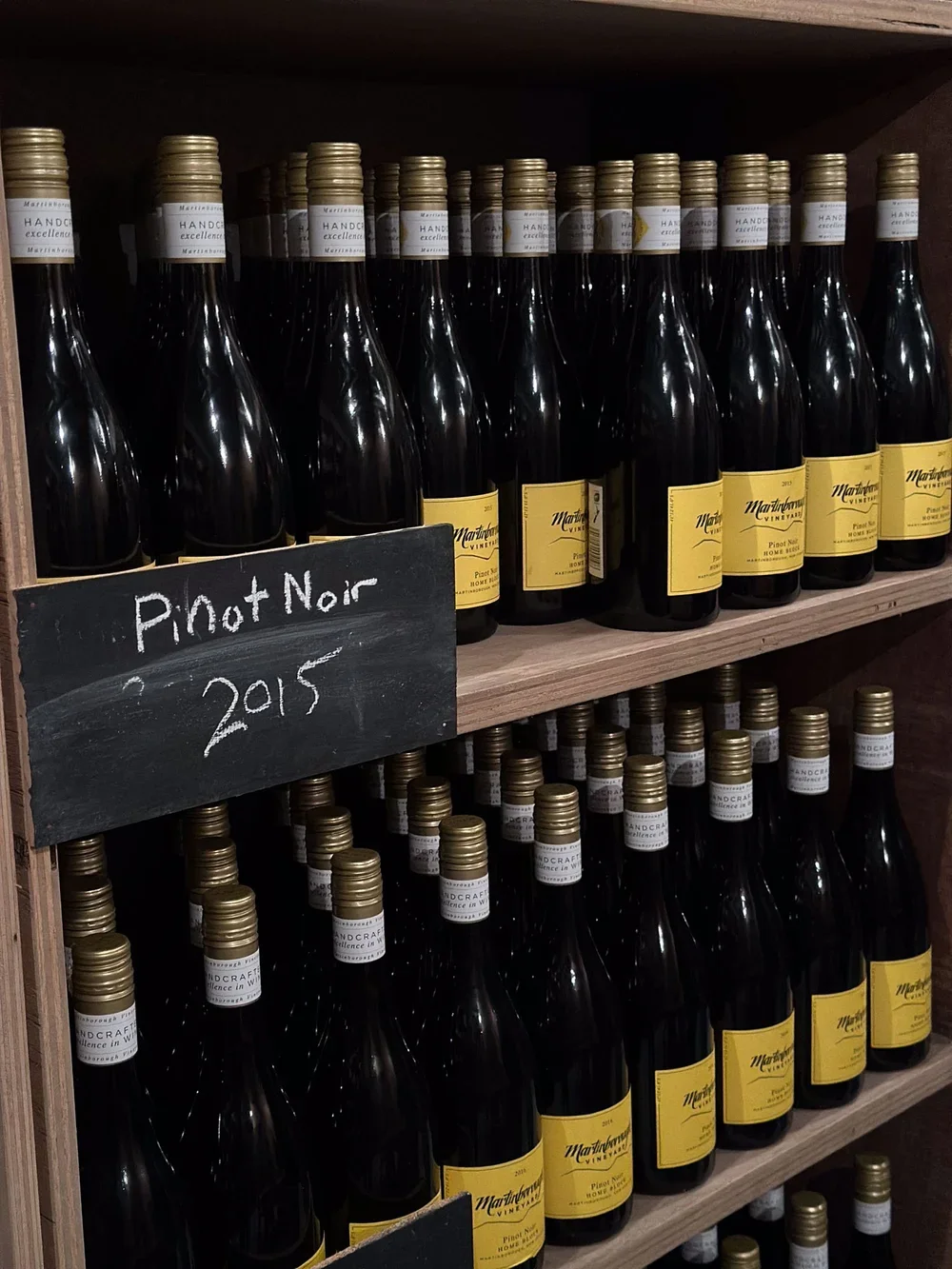
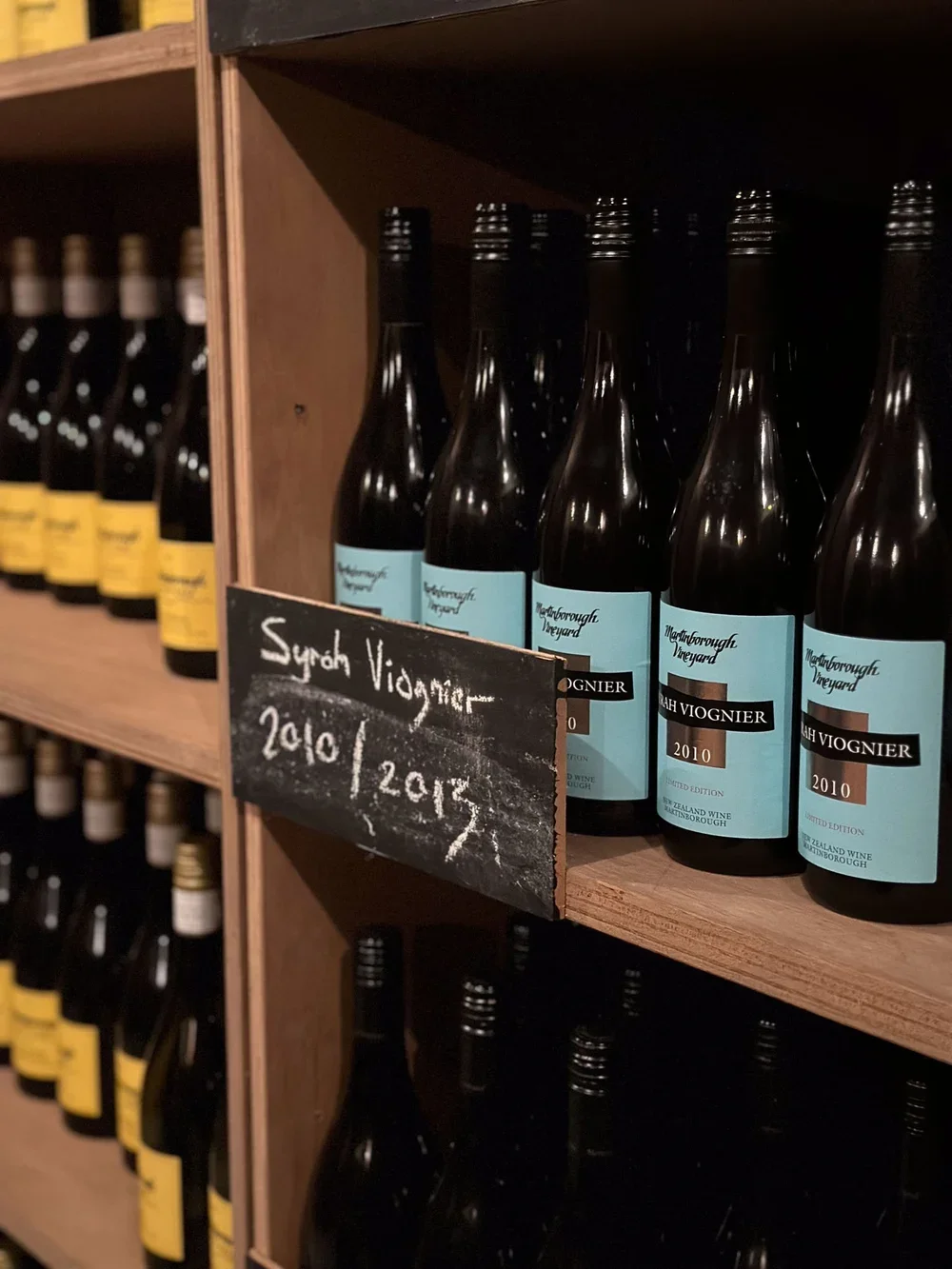
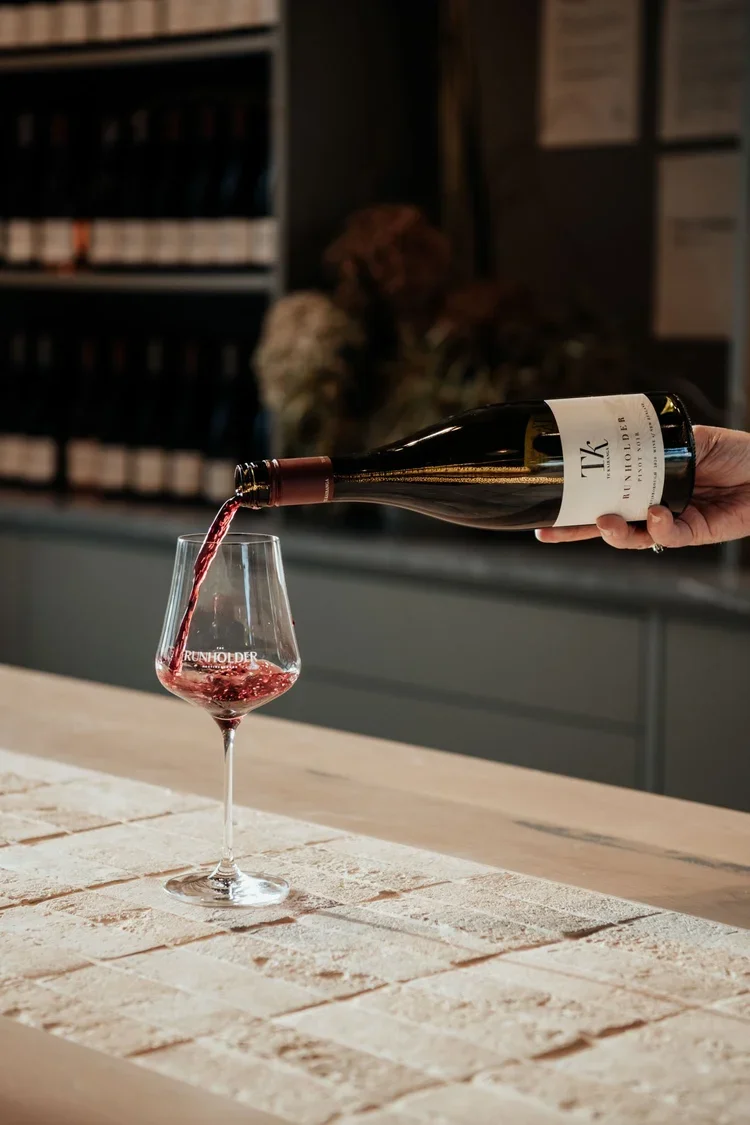
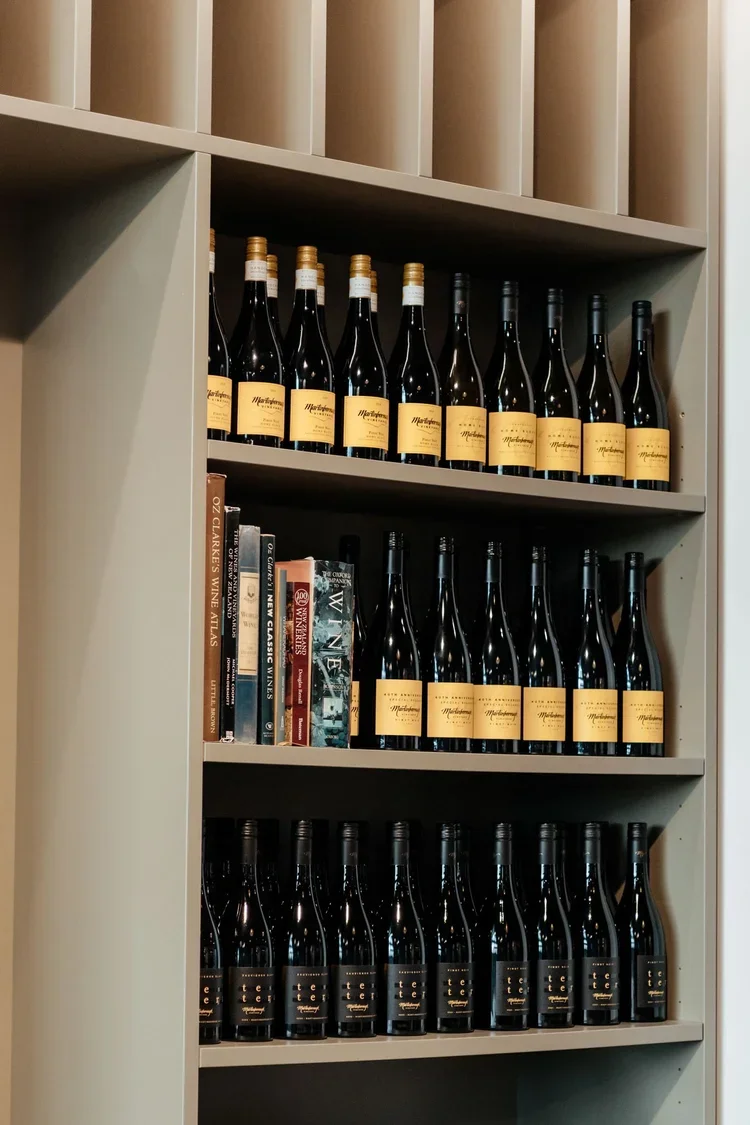
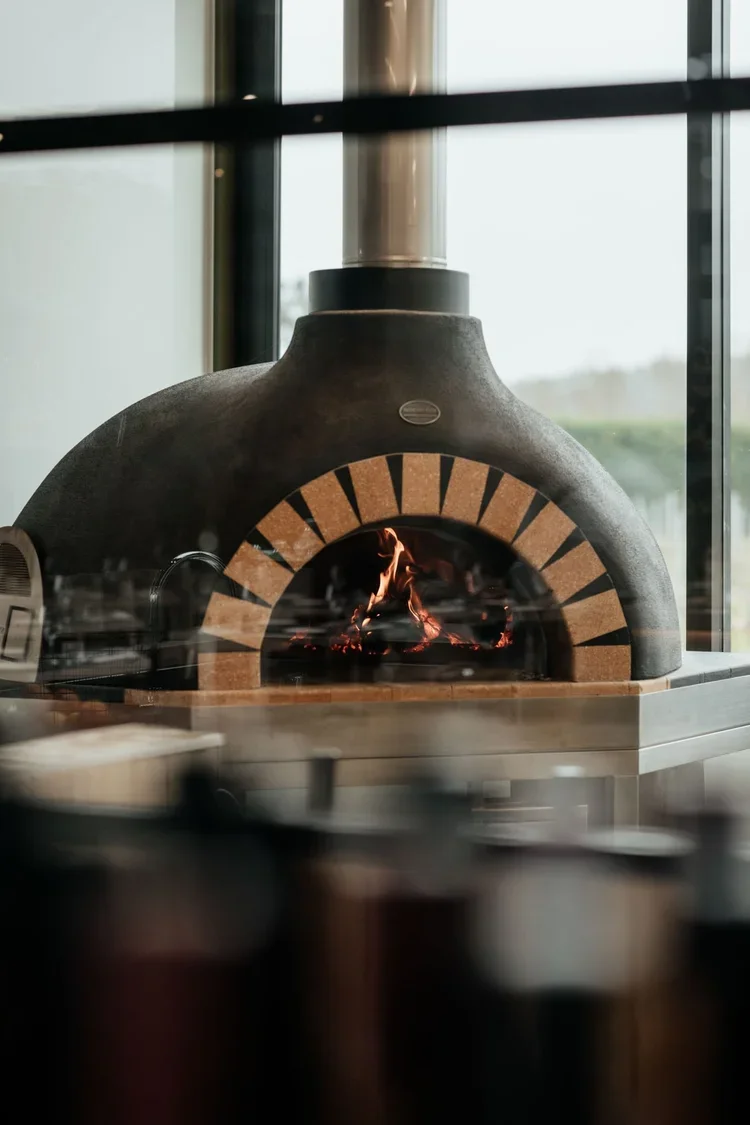
The runholder
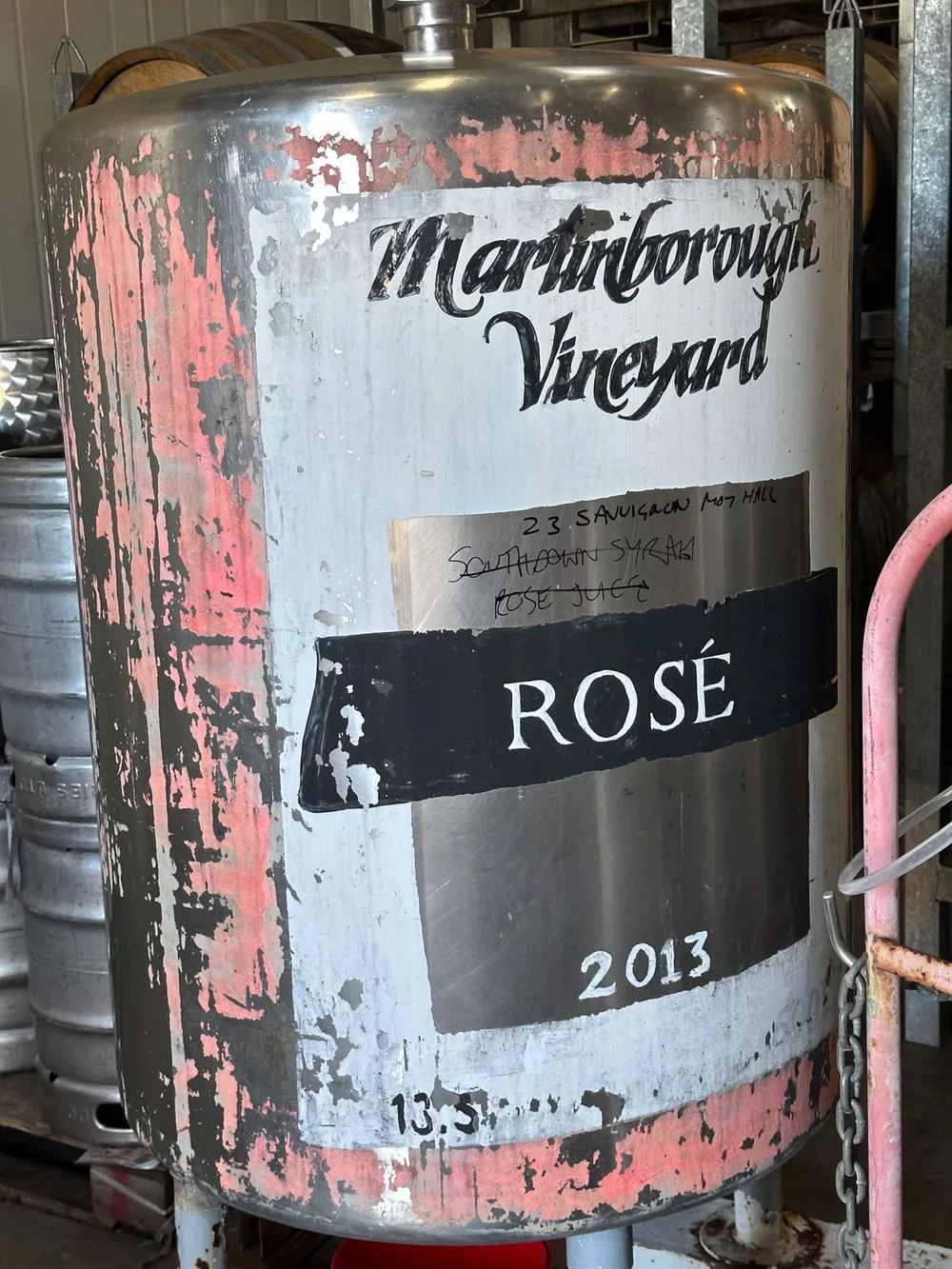
Home to Te Kairanga, Martinborough wines, and Lighthouse Gin (more on the gin later). The Runholder opened a month ago. If you're dropping in, it offers wine tasting by flight, glass, or bottle. At this point, I need to disclose that I am already a Te Kairanga Rose lover, but it's the Pinot Noir this Foley-owned vineyard is famous for.
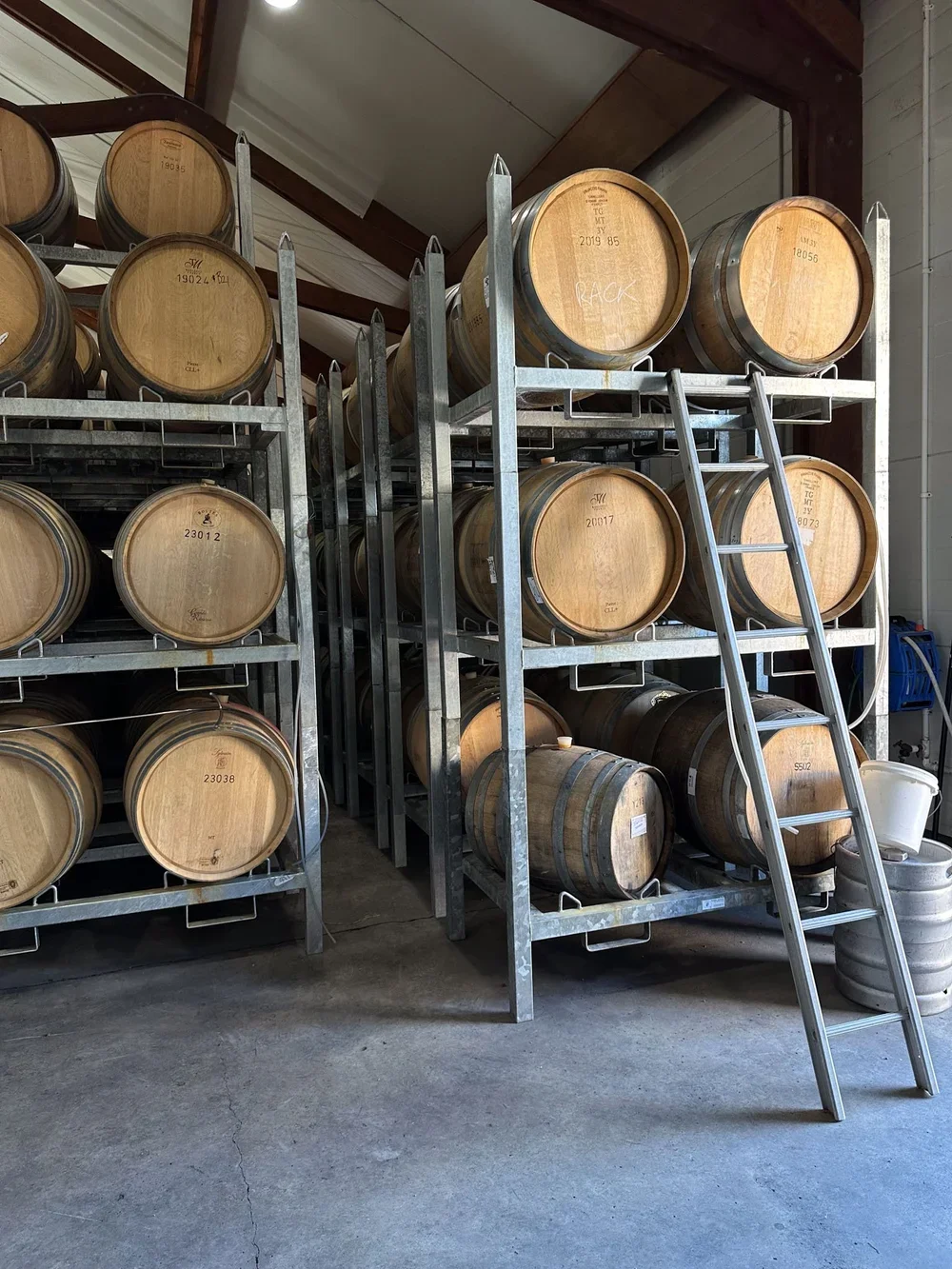
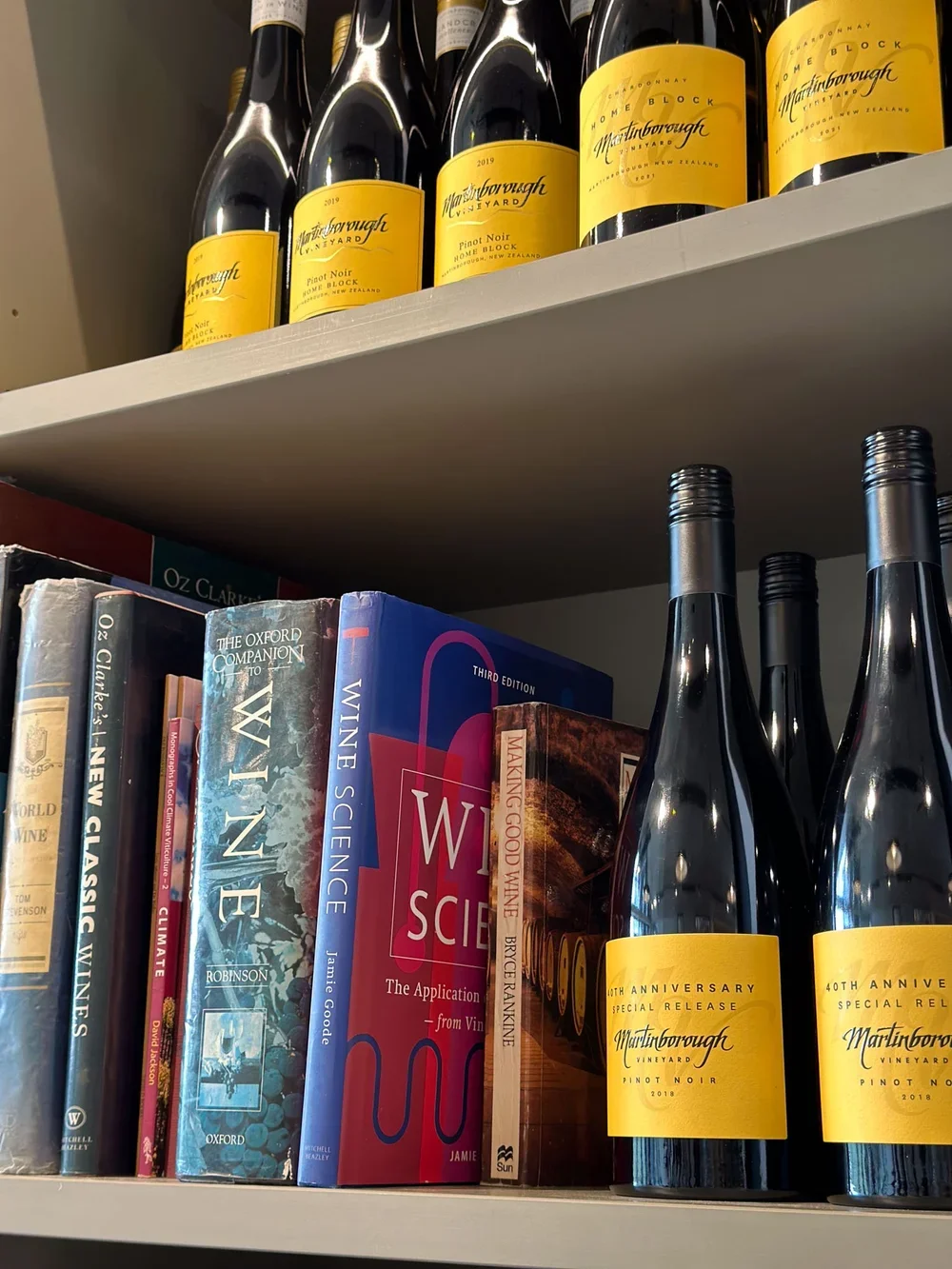
Planting the first Wairarapa Martinborough Pinot Noir vines on the home block back in 1980, winemaker Paul Mason's pursuit of perfection has helped him create world-class Pinot Noir from this region. The Martinborough range includes Home Block Pinot Noir and Home Block Chardonnay, Sauvignon Blanc and Te Tera wines, and a limited Marie Zelie Reserve Pinot Noir. It is made from the oldest vines and is a tribute to the first winemaker in Wairarapa, who planted a selection of vines in the late 19th century. For Mason, this special wine reflects the very best of our estate.
The love that goes into Mason's wine portfolio is evident in his knowledge of the region and the soil. He believes the juxtaposition of savoury and sharp fruitiness is the perfect combination for Pinot Noir, which improves with age if you can be patient and cellar it. John Kavanagh, Te Kairanga's winemaker, is also a dab hand at crafting an excellent Pinot Noir along with Chardonnay, Sauvignon Blanc, Pinot Gris, Rosé and Riesling. He believes winemaking is not for the faint-hearted; you're at the mercy of the weather, which is changeable right now. "Every year of Pinot is an unbelievable, pleasurable, and painful challenge." The Te Kairanga Estate Pinot Noir selection is delicious, rich, and spicy. In Kavanagh's words, this Pinot Noir pairs best with game meat like venison and chimichurri, as well as fresh seasonal vegetables.
Learn more here →
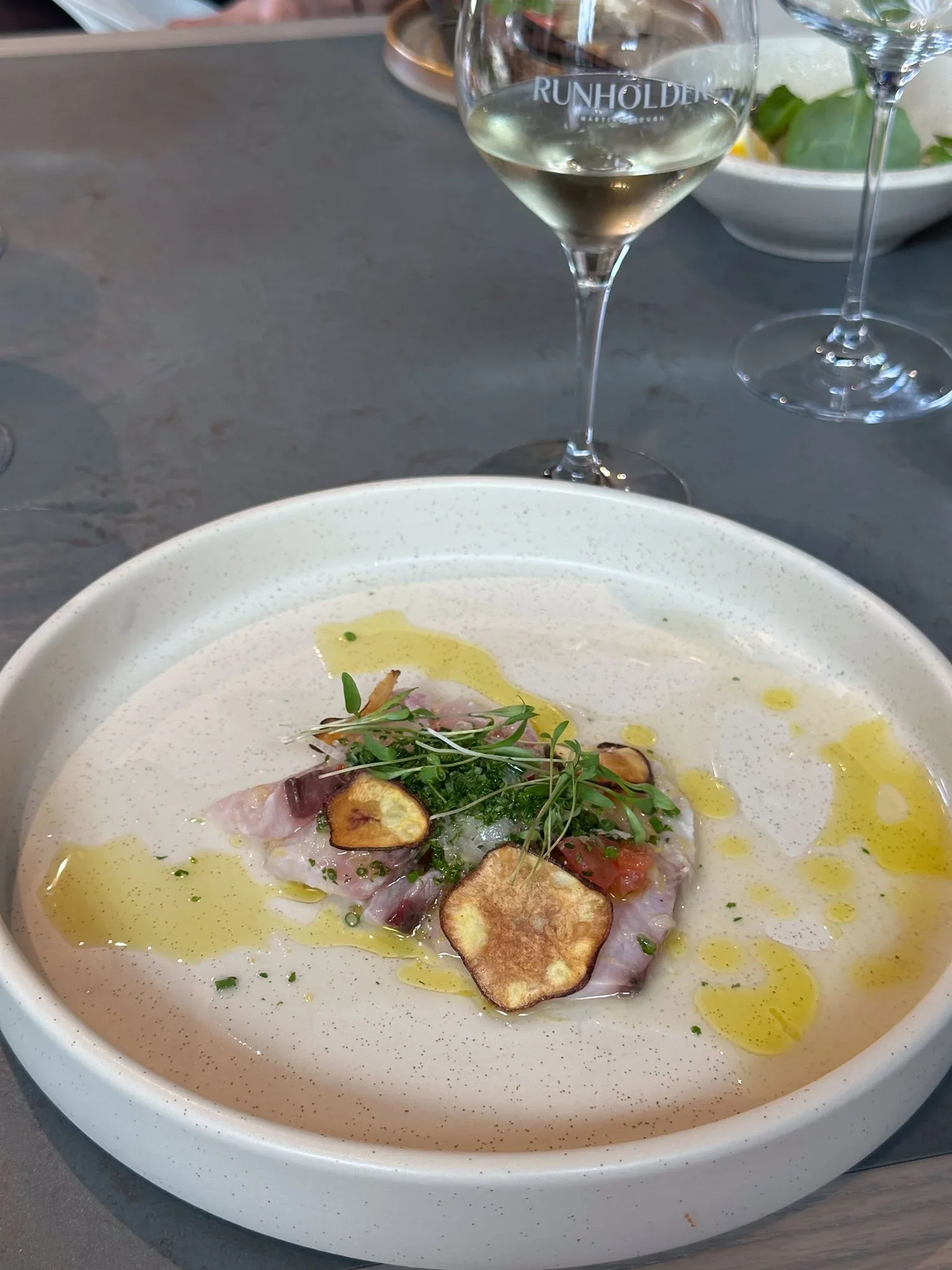
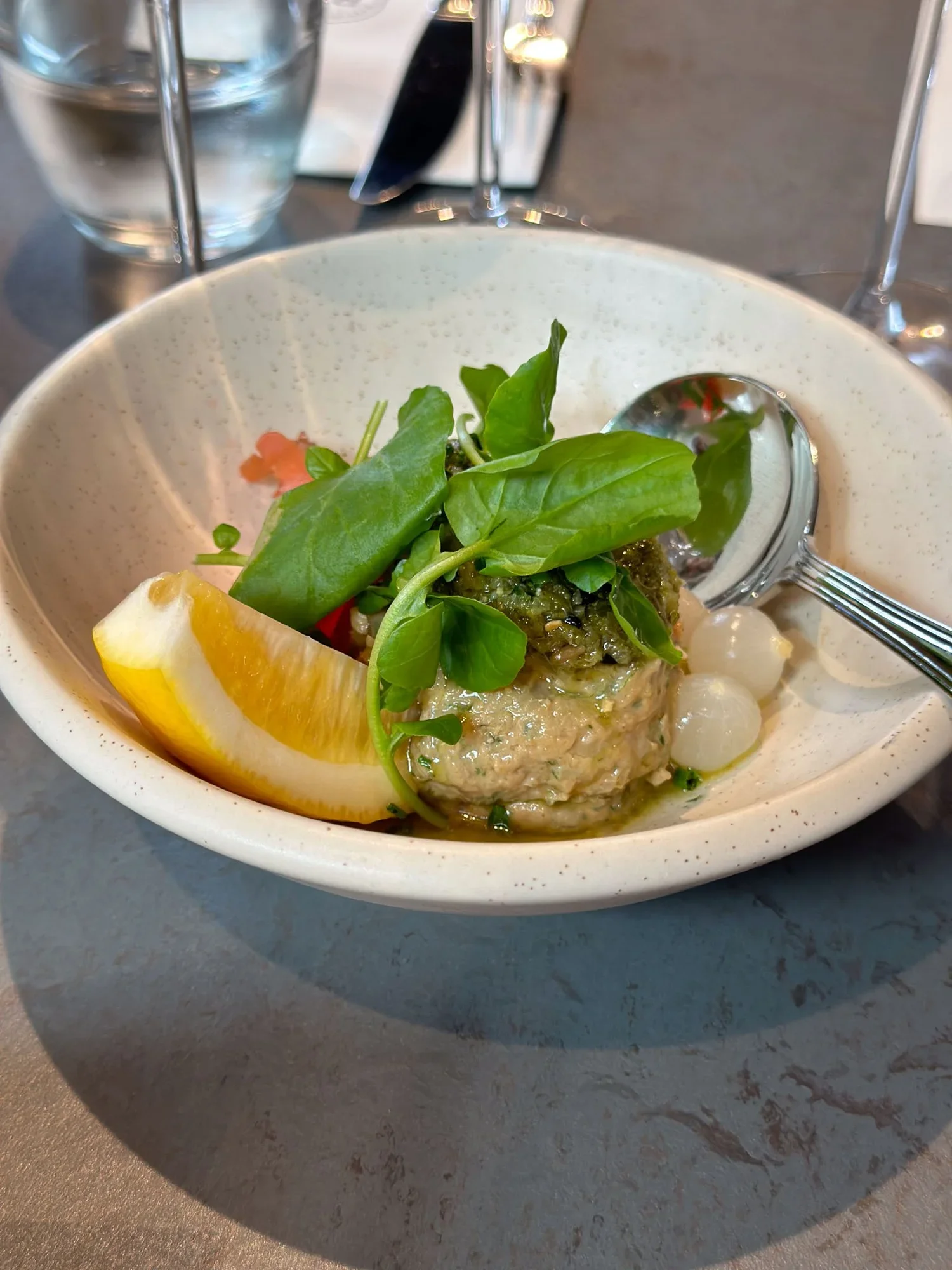
The Food
Good food is one of the memories from your travels, and executive chef Tim Smith at The Runholder knows how to serve just that. Tasmanian-born Smith has an impressive CV. The personal chef for the 2014 British Royal Tour of New Zealand and worked at the luxurious Wharekauhau Lodge and Waiheke’s Mud Brick Vineyard. He’s now back in New Zealand after working offshore for six years in Singapore and, more recently, as executive chef at Potato Head in Bali. Now the executive chef at Foley Family Wines, The Runholder is his new baby. His food philosophy is refreshingly simple and deeply rooted in the local land. The fish comes from Tora Collective in Tora Bay, and the lamb from Wharekauhau Country Estate in Palliser Bay. Smith’s passion and heart are where sustainability and indigenous food meet - topped off with the perfect glass of Pinot Noir.
The menu at The Runholder is varied and will appeal to palettes young and mature, from delicious shared plates to charcuterie, which Smith serves paper-thin thanks to his new toy: an Italian Berkel prosciutto slicer for pizza. Cooked for 90 seconds, wood-fired crispy sourdough pizzas are perfect as a late-afternoon snack to soak up the wine. Then there is the à la carte menu, built around local produce, including wagyu beef, Tora Bay fish, and lamb that grazes on the salty soil along the Palliser Bay coastline, reminiscent of the lamb Smith used to eat as a kid growing up in Tasmania. Each dish has minimal fuss and dressing. Cooked on a charcoal grill or smoked with manuka wood, It’s all about the natural flavour for Smith - he loves quality food cooked to perfection and served to reflect its seasonal freshness.
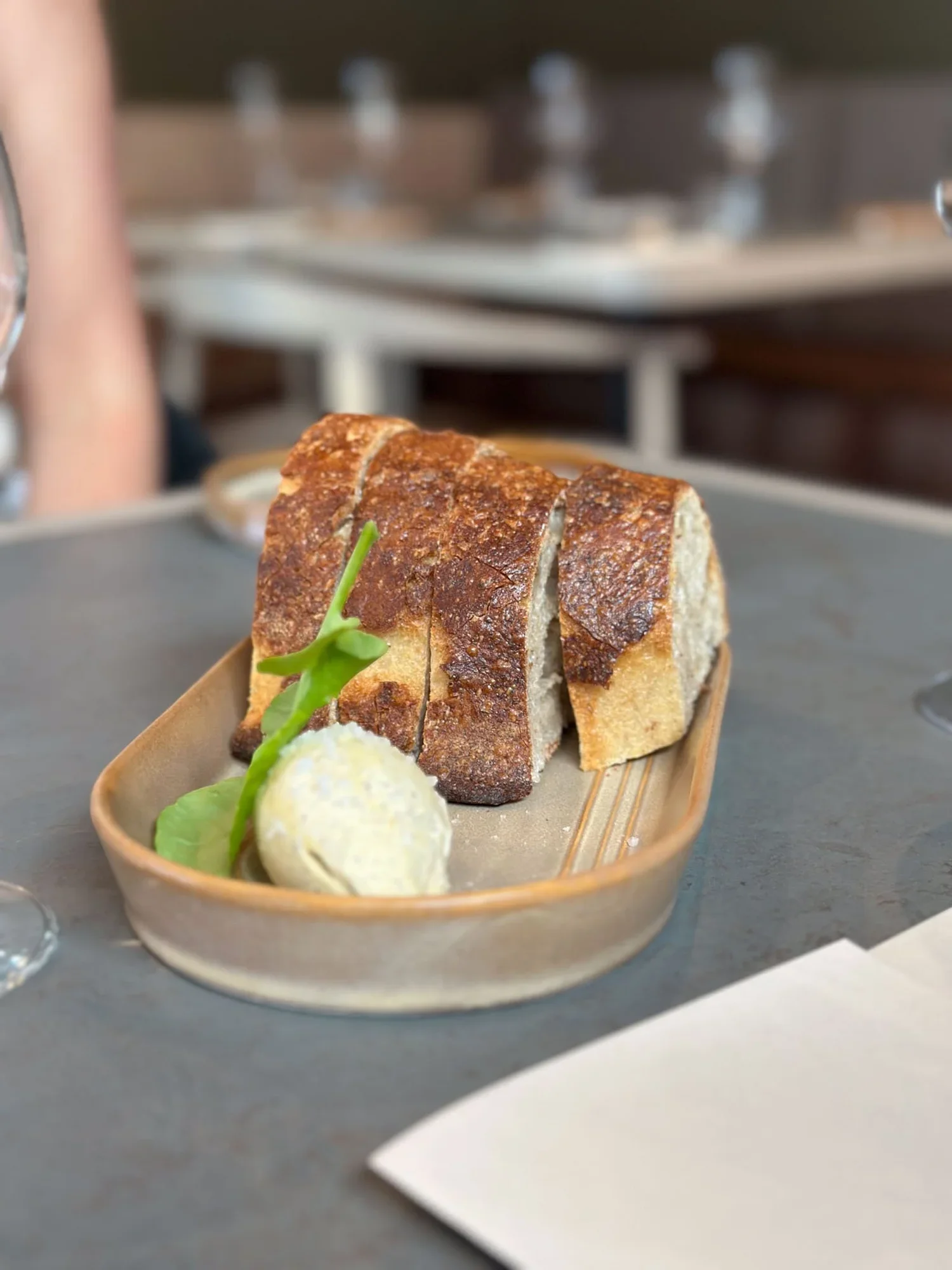
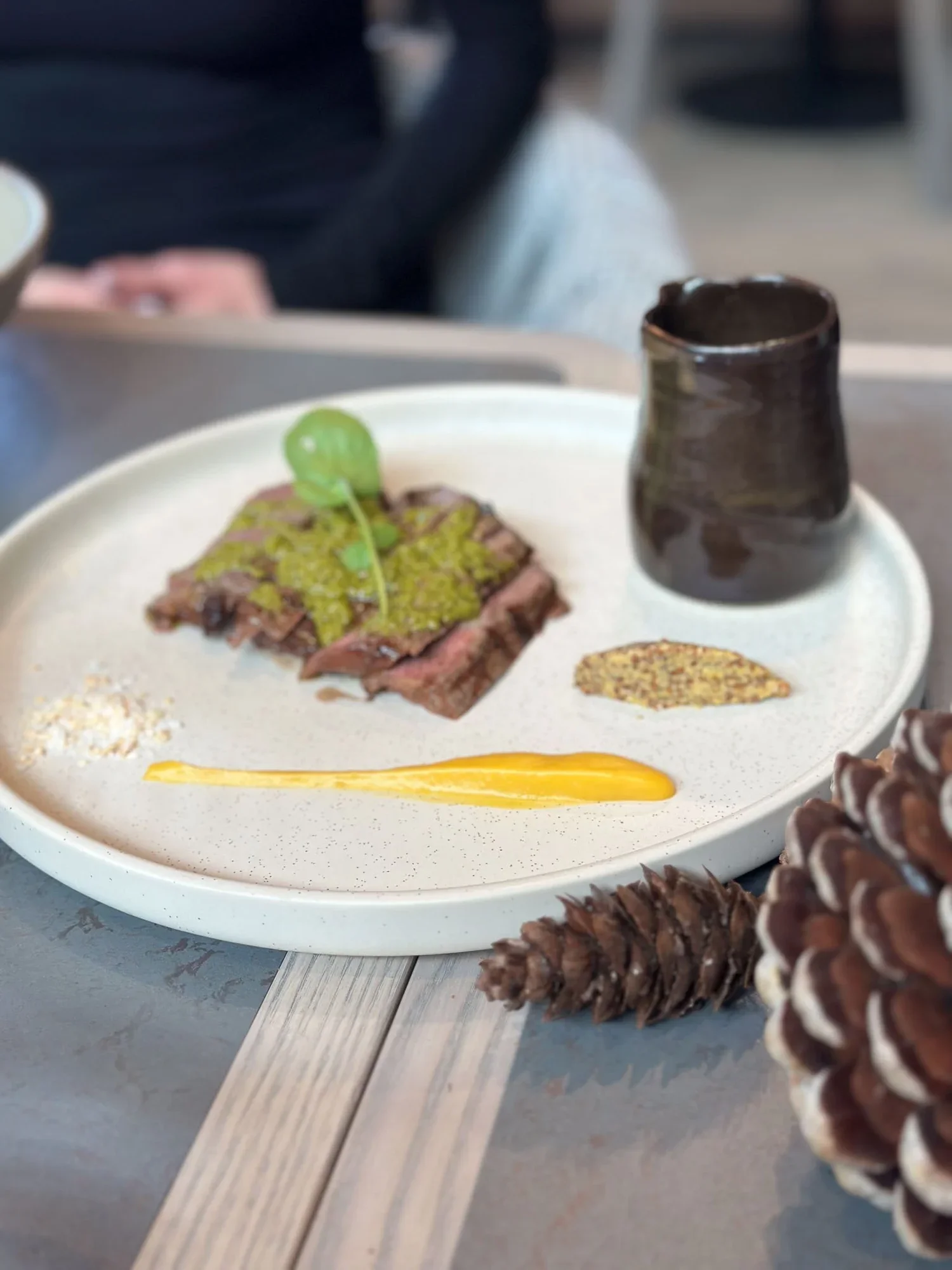
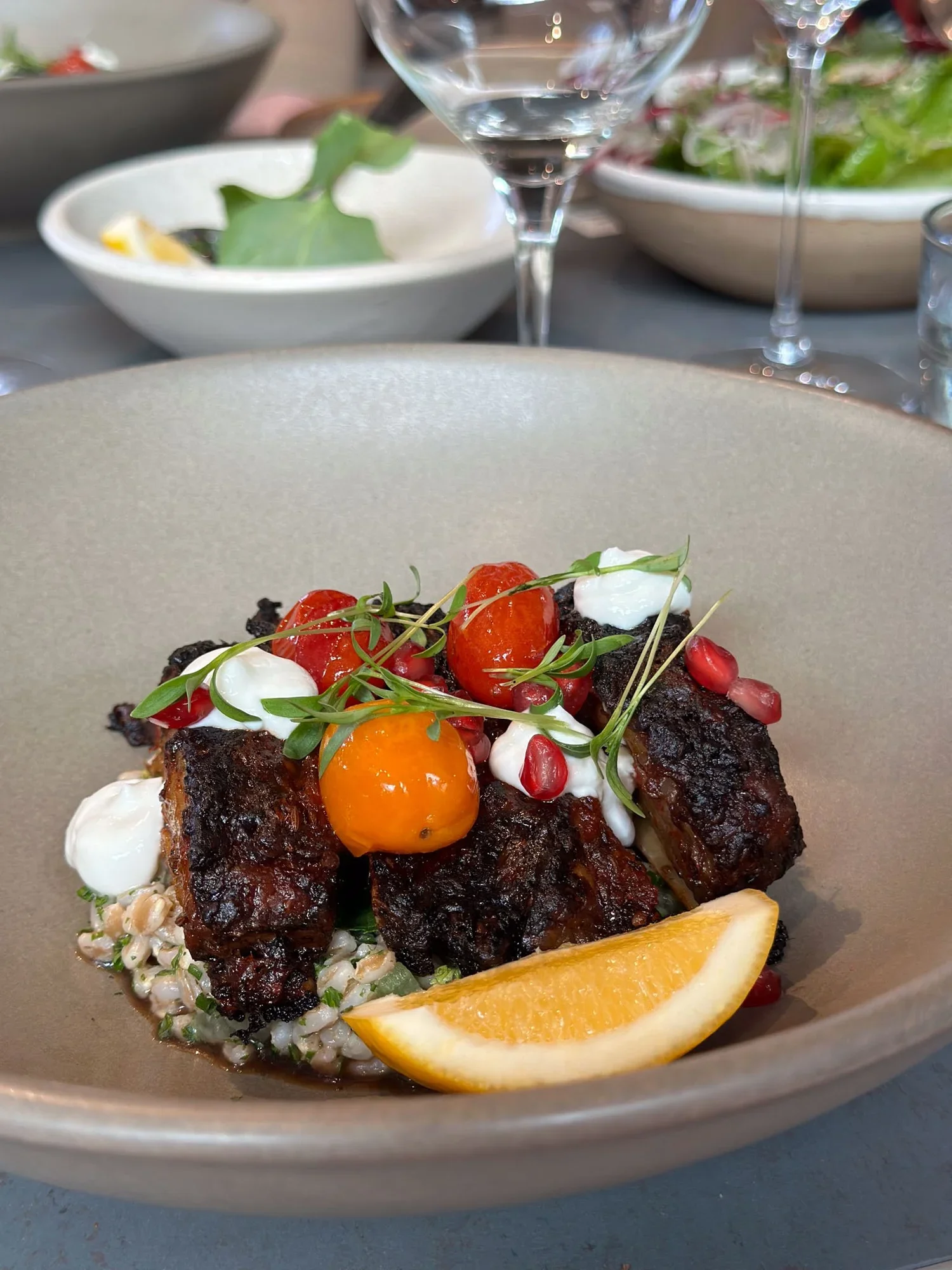
Our degustation lunch started with a Lighthouse Gin cocktail and a tour of The Runholder. Once seated, we were served warm Clareville Bakery sourdough bread with whipped brown butter, followed by Tora Collective whipped smoked kahawai, pickles, foraged watercress, and lemon. Next, we had line-caught, fresh kingfish cured in lime and olive oil, followed by Manuka-smoked Palliser Bay lamb ribs, steamed and then smoked for twelve hours until the lamb fell from the bone, infused with a harissa and lemon blend, and served with simple sheep’s milk labneh. Charcoal-grilled tender slices of Wairarapa aged Wagyu, with bone marrow jus and smoked salt, served with organic greens, fennel, shallots, and white balsamic vinegar.
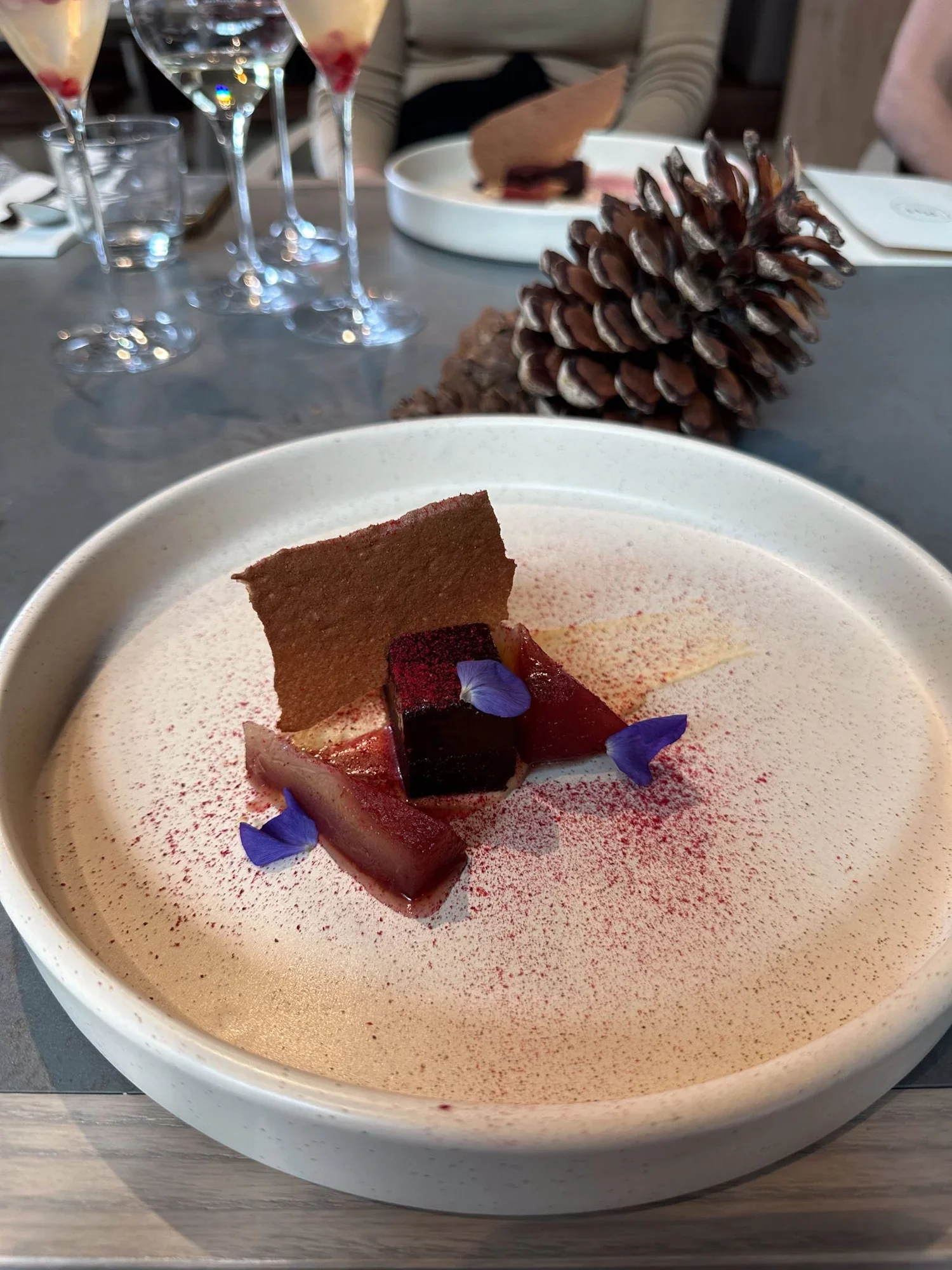
The dish of the day (that was a hard choice) had to be Smith’s extraordinary layered Pommes Anna Fries - a chip that left you begging for more. Steamed local potatoes, layered with rosemary and garlic, then pressed into a tin and chilled overnight. Cut into wedges, deep-fried to a crispy brown, and served with smoked tomato relish - wow. Finally, for dessert, a rich Whittaker’s chocolate torte with Te Kairanga Pinot Noir poached pear and spiced mascarpone.
After five hours of grazing on this extraordinary cuisine, I rolled out of The Runholder. My only thought: when can I return and bring my husband and friends?
The Runholder, Te Kairnaga, Martinborough Vineyard and Light House Gin offer tastings, brunch, and lunch, 11 - 4 p.m.

From wine trails to hiking to visiting a local olive grove, and even a mobile star-gazing service, there’s plenty to do for a weekend in Martinborough. Here are my highlights.
Where to stay in Martinborough
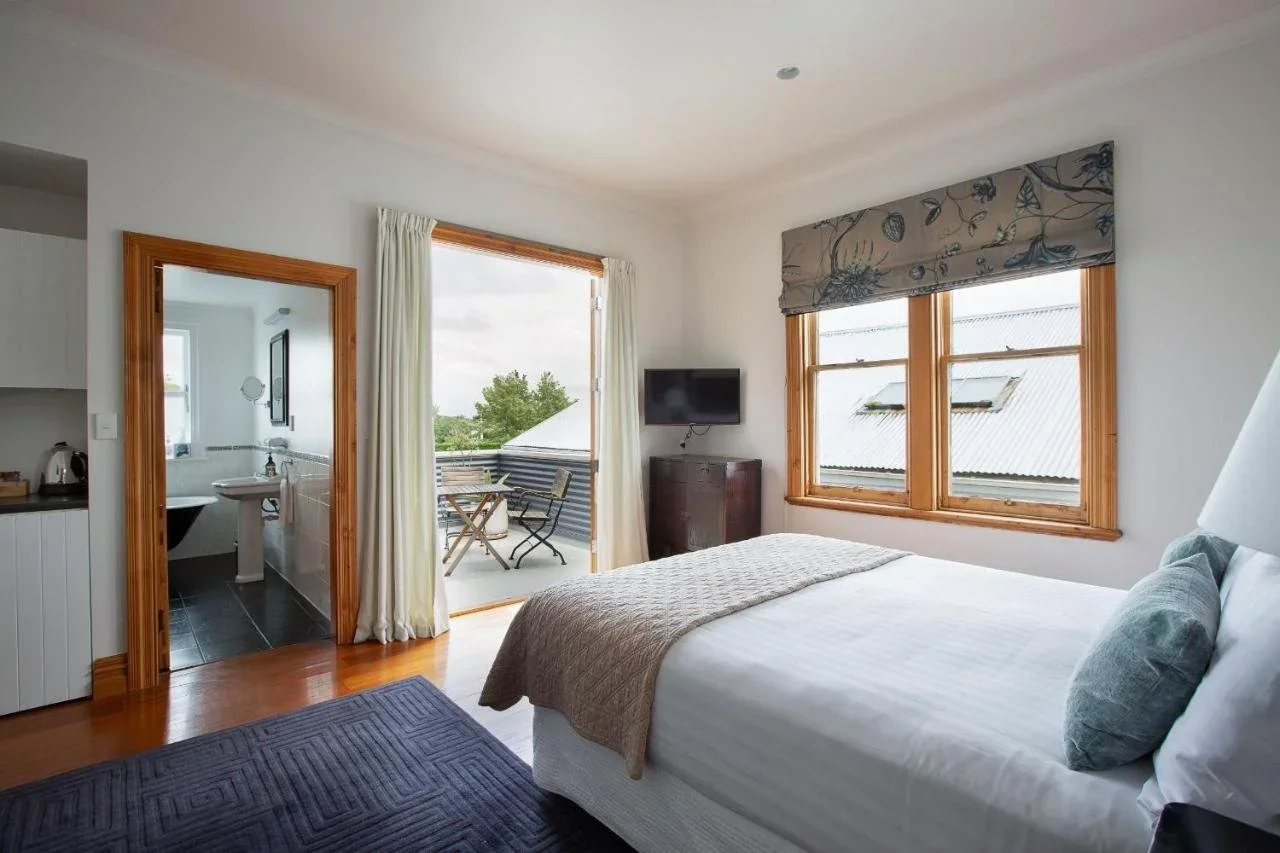
The Martinborough Hotel is like stepping back in time, being in an 1882 historic villa but with the comfort of a modern hotel. The boom in our wine industry in the 90s helped Marlborough flourish into the tourist hot spot it is today, and this grand hotel was fully restored in 1996. There are nine Heritage suites, with sprawling beds, crisp linen and a clawfoot bath you can sink into and soak for hours. Each room has French doors that open onto the return verandah, where you can watch the village's local life below. Country-style garden suites and petit rooms are also on offer. Room rates vary from $400.
|LEARN MORE HERE →
Best coffee and Breakfast
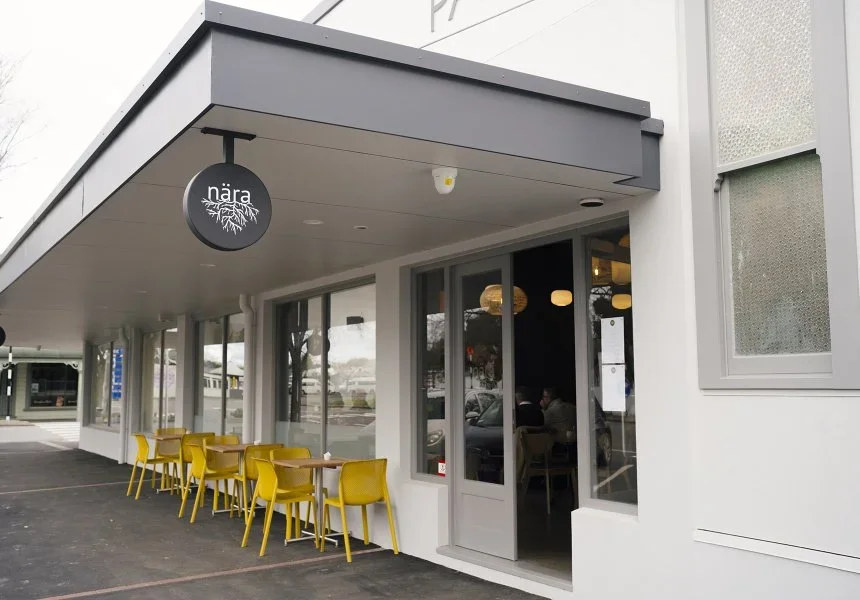
Across the square from the hotel is Nära cafe, which started as a food truck for the region’s vineyards until locals Lucy Mutch and Daniel Dew took a light-filled space in the recently refurbished P&K Building on Martinborough Square. The couple's philosophy is: ‘There are no shortcuts to good food,’ and plenty of that is available at Nära. Each dish, influenced by Middle Eastern cuisine, is made fresh daily using local, seasonal ingredients. Nära is open for brunch and lunch five days a week, and dinner Thursday to Saturday. Nära, 14 Memorial Square, Martinborough.
Must-Shop
The General Store is also in the P&K building, a far cry from a local shop. Offering. luxe-y contemporary fashion and homewares it’s showing would stand up as first-class anywhere in the country. Fashion labels such as Kowtow, Kate Sylvester, Marle, Pharlain, Juliette Hogan, Assembly Label, and Veja, plus a collection of gorgeous homewares, including ceramics by Nidito and Fazeek Home, Wundaire, Kip&Co linen, and Special Studio, plus recycled plastic planters and stools. The P&K General Store, 14 Memorial Square, Martinborough.
Lighthouse Gin
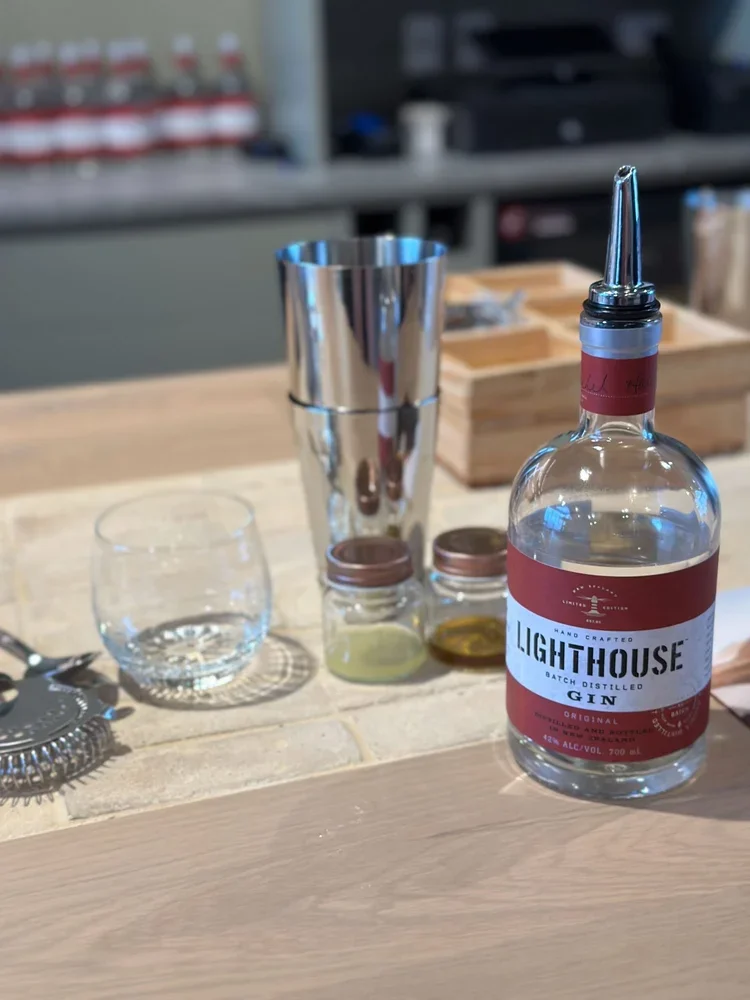
For some, it’s the perfect aperitif; for others, it's a summer afternoon drink. Today, the classic G&T is enjoying a resurgence. After a tasting and a cocktail lesson with Lighthouse Gin, I understand why.
Last count, there were over 80 gins on offer at my local liquor store, and at the same time, there has also been a surge in new exoticly flavoured tonic waters.
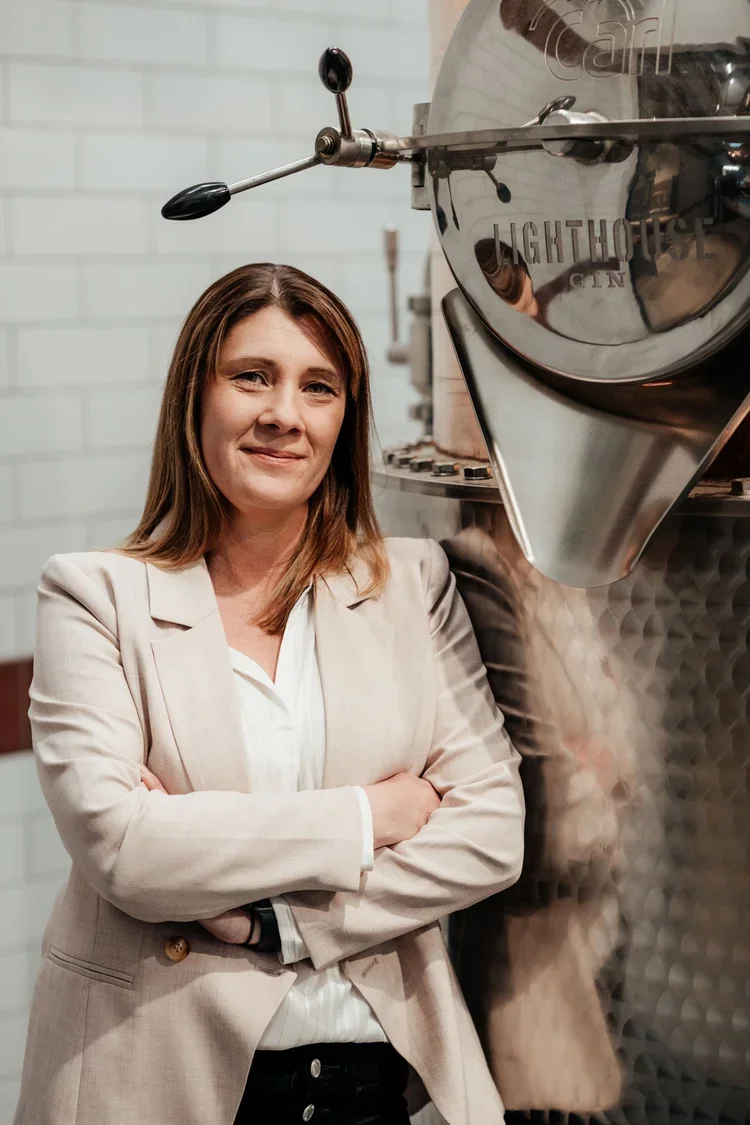
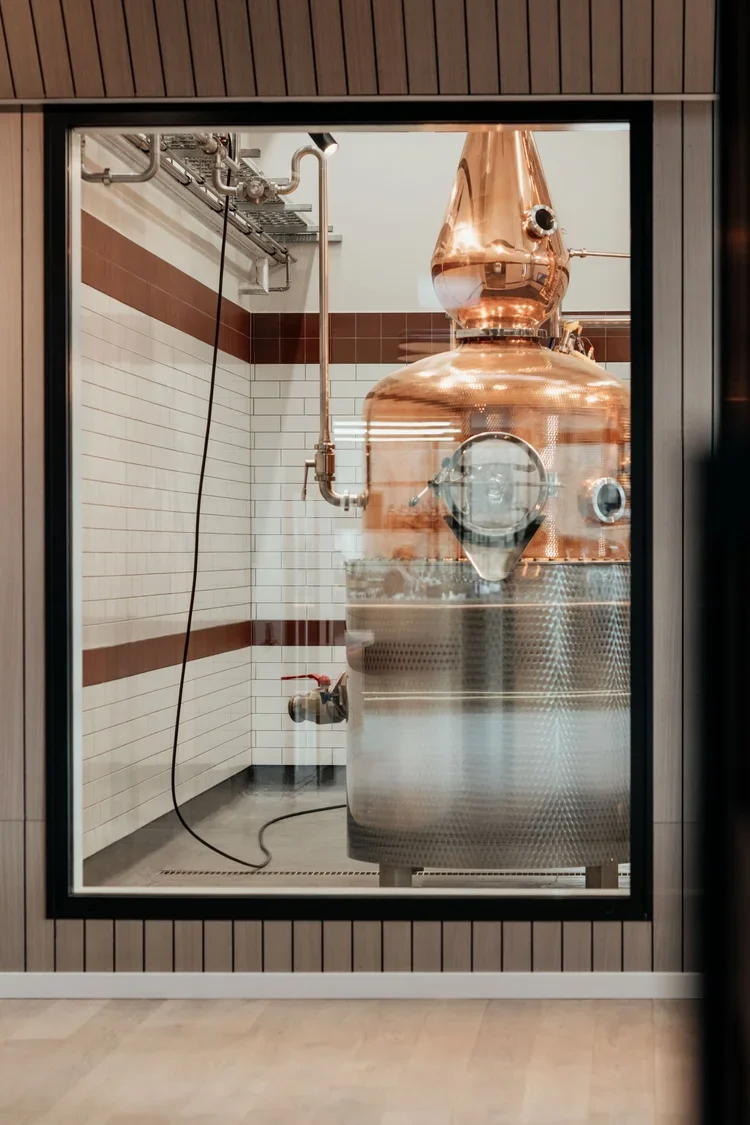
In that space, Lighthouse Gin is riding high right now. Made under the watchful eye of distiller Rachel Hall, who also has a brand-new imported still and tasting room at The Runholder. On show for all to see through a floor-to-ceiling window, the new German CARL custom-built copper distil holds 700 litres of gin. It is a work of art and will help Hall meet local and offshore demand for her gin.
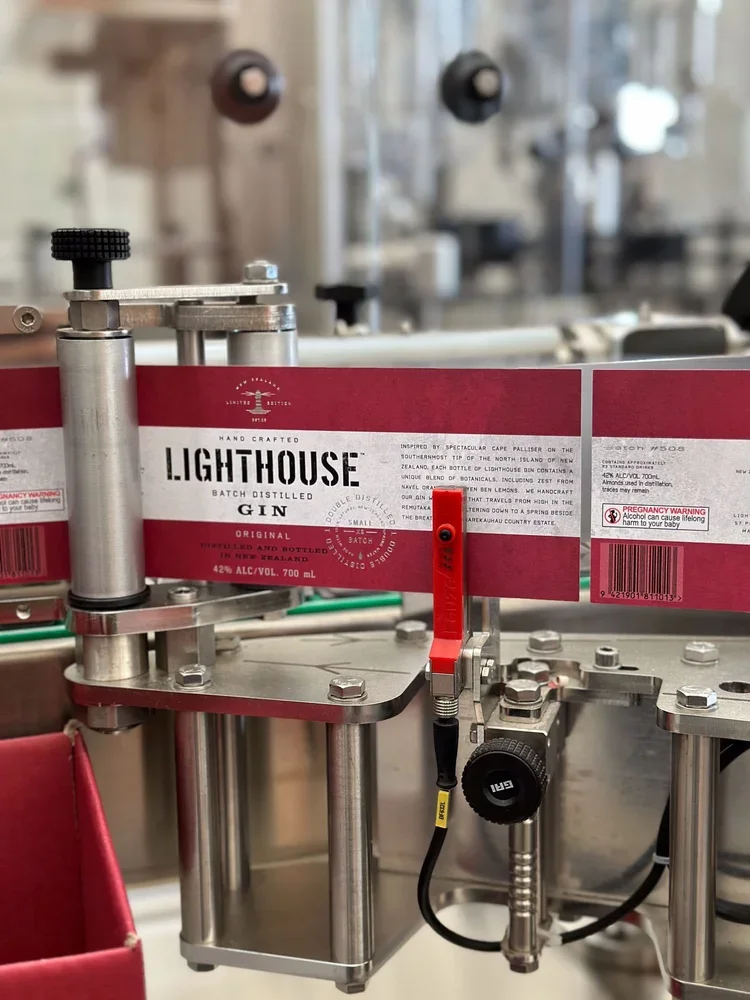
A labour of love, Hall tastes every batch; Hall took over the reins of Lighthouse Gin in 2015 when Master Distiller Neil Catherall retired. Inspired by and named after the Cape Palliser Lighthouse, this gin is twice-distilled and packed with nine different botanicals, including liquorice and orris root, juniper berries, coriander seeds, cinnamon quills, cassia bark, almonds, hand-zested naval oranges and Yen Ben lemons, and blended with water straight from the Remutaka Ranges.
Hall grew up around liquor; her parents ran The Greytown Hotel. Back then, gin was “a bit rough,” according to Hall. Fast forward to her adult life, and after an OE and having kids, she took a part-time gig in apple juice sales and marketing. She told a tale about one long, hot day in the packing shed when she was offered a G&T. Not a fan of gin back then, but because that was all that was on offer that day, she thought, “Oh well, I will give it a go.” When only ice was left in her glass, her love affair with this popular spirit and her passion for making it have seen her become the custodian of the brand.
Lighthouse Gin is dressed in classic stripes, a nod to the brand's namesake lighthouse, and comes in three options. The company spent five years perfecting Lighthouse Original, which is 42 per cent proof. Lighthouse Gin Hawthorn Edition, 57 per cent proof, is inspired by Wellington's Hawthorn Lounge, and Lighthouse Barrel Aged Gin is 45 per cent proof. A shade of apricot, it’s aged in Pinot Noir Barrels, a nod to the Martinborough Vineyard.
Rachel’s Hall’s French ’75 Lighthouse Gin recipe
30 ml Lighthouse Gin
10 ml fresh lemon juice
20 ml sugar syrup or strawberry sugar syrup
Champagne
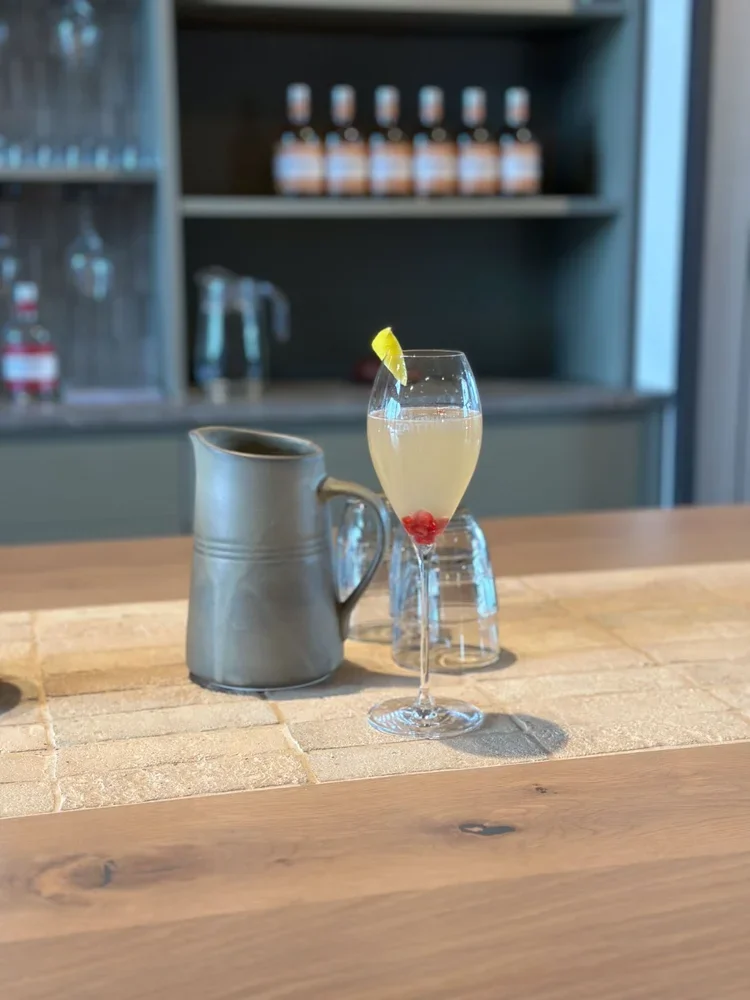
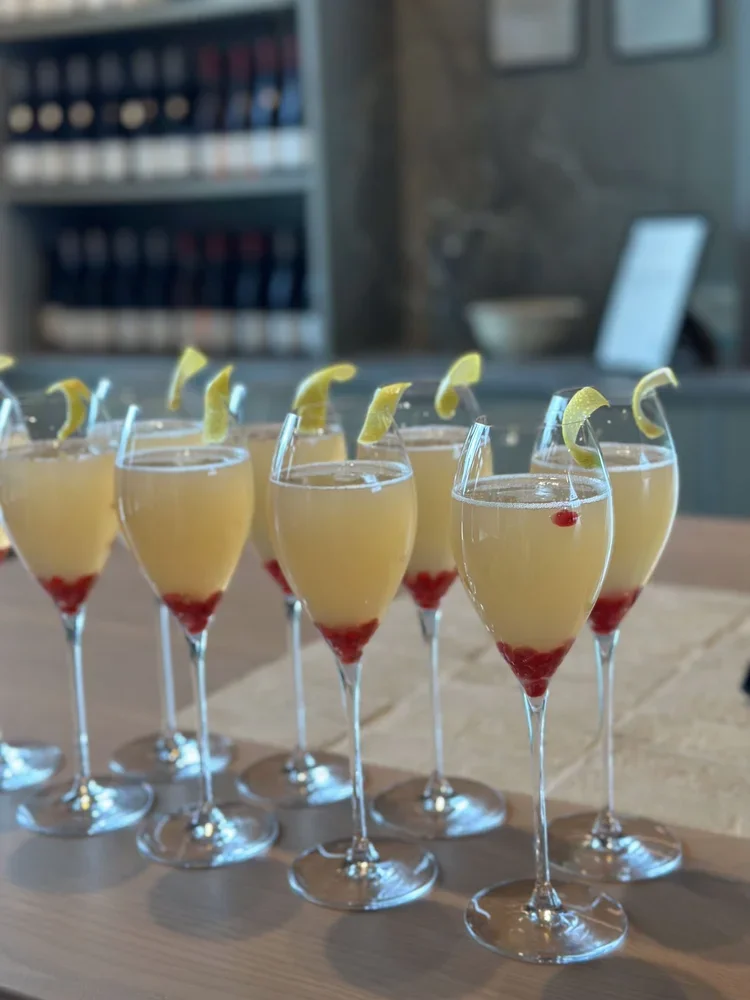
Mix or shake the gin, lemon juice, and sugar syrup over ice, strain into a Champagne flute, and top with bubbles. Garnish with a twist of lemon zest and pomegranate seeds or strawberries.