

In summer and winter, one product needs your full attention: sunscreen. Lately, many of the so-called ‘trusted brands’ in New Zealand have failed to meet regulatory standards or conduct regular testing. Here is expert advice, brands you can trust, and the ratings that should guide you.
Image BeautyEQ
Let’s talk sunscreen. By now, we’re all across its benefits for protecting your skin under our harsh New Zealand sun. Even if you struggle to find the right fit (i.e., texture and scent), you know it’s good for you, and you must wear it every day, 365 days a year. Why? If you invest in a skincare routine or cosmetic medicine treatments without a daily SPF, you are wasting your money on everything else. But we are navigating worrying times regarding the efficacy of many trusted brands.
Let’s talk sunscreen. By now, we’re all across the benefits of sunscreen for protecting your skin under our harsh New Zealand sun. Even if you struggle to find the right fit (i.e., texture and scent), you know it’s good for you, and you must wear it every day, 365 days a year. Why? If you invest in a skincare routine or cosmetic medicine treatments without a daily SPF, you are wasting your money on everything else. But we are navigating worrying times regarding the efficacy of many trusted brands.
Almost two dozen sunscreens in Australia have been recalled, paused, or are now under review due to concerns about their SPF claims. Consumer New Zealand found 16 out of 20 popular sunscreens didn’t meet their SPF claims. According to Consumer NZ research and test writer Belinda Castles, “Sunscreens sold in New Zealand are now regulated under the Sunscreen (Product Safety Standard) Act 2022 and must meet the Australian and New Zealand sunscreen standard, which has requirements for independent testing. However, when we updated our sunscreens database last year, the companies that market Banana Boat, Bondi Sands, Neutrogena, Nivea and Sun Bum refused to provide this information.”
So why does this matter? If it takes five minutes of sun exposure in New Zealand for your skin to start burning, applying an SPF 50 sunscreen protects you for 50 times that amount of time – in this case, 250 minutes. Sunscreen with an SPF of 30 would ideally protect you for 180 minutes.
Castles says, “Sunscreen brand Ultra Violette kicked off this issue with the Ultra Violette Lean Screen SPF50+ Mattifying Zinc Sunscreen, which, when tested, returned an SPF rating of 4.”
Consumer Group Choice retested the sunscreen at a second lab to confirm this result and obtained a similar low SPF of 5. “It was retailing for over $50. When you're spending that money on sunscreen, you expect it to be doing what the label says it should." Which begs the question: Is more money always better for SPF quality? "Over many years, we've found some of the cheapest sunscreens we've tested have met their label claims,” says Castles. So, how often do brands need to test to keep people updated on their claims? Best practice is every two years, but that is not the case for all.
"Some sunscreen companies are big players, and it costs a few thousand dollars to test a sunscreen. It's not cheap, but you know skin cancer rates are really high in New Zealand, as is melanoma, and sunscreens need to be fit for purpose. While small New Zealand companies are actually testing annually or every second year, which we think they should be." People should check which testing laboratory the sunscreen manufacturer has used on the Consumer NZ database of sunscreens to see if their sunscreen has been tested by a reputable laboratory and meets its claims, regardless of the price. But don’t let this put you off buying and wearing sunscreen; your skin’s perfect fit does exist.
“We really do need people to be wearing sunscreen. Sunscreen does work when it's applied properly, and you know, you need to use a lot of sunscreen - seven to nine teaspoons in one application - and reapply it,” says Castles. Who adds: “If your bottle of sunscreen was lasting you all summer, then you probably were not using enough of it.”
Auckland-based nurse and dermoscopy expert Katy Doherty of Espy Skin spends her days checking skin for sun-related lesions, including melanoma. She believes it’s important to ask questions. Here, she explains what to look for when choosing sunscreen.
“The sunscreen testing business is as confusing as the information around laboratory testing and the frequency with which brands test the SPF effectiveness. ”

How do you know if you're buying a good sunscreen?
All sunscreens sold in the New Zealand market should meet their SPF claims as labelled on their packaging, in line with our regulations and guidelines. For added reassurance, people can check the free Consumer NZ database to see which sunscreens have been tested at reputable laboratories and, most importantly, when they were last tested. Good manufacturers will test their sunscreens every two years. If the sunscreen you’re looking for is not on the list, I would email the manufacturer directly to ask why it’s not listed on their website.
What should be on your checklist when purchasing SPF?
Choose broad-spectrum sunscreens with an SPF of 30 or 50; both offer high levels of sun protection. Choose the sunscreen that suits your activity. Choose water-resistant if you plan to get hot and sweaty or go swimming. Remember to check the expiry date, especially at the beginning of summer, when you might not have used it for a while. Also, ensure that you hav’t been storing it in a hot car or in direct sunlight, as this can degrade the integrity of your sunscreen.
What brands do you recommend and why?
I choose reputable brands, and there are many I trust. International brands like Avène and La Roche Posay are great. They adhere to regular testing. Additionally, New Zealand brands include Earth's Kitchen, My Sunshine, and Skinnies, as well as Australian-made Solarcare B3, which has been my go-to product for the last few years. They have all conducted independent testing and have consistently met their SPF claims.
What are the skin protection ingredients to look out for
Mineral ingredients (zinc oxide and titanium dioxide), often referred to as physical screens, were previously thought to reflect or scatter UV radiation. Studies have since shown that they protect by primarily absorbing UV radiation. They are effective at protecting against both UVA and UVB radiation. A downside is that some brands leave white marks on the skin, although some products use nanoparticles – tiny molecules with one or more dimensions less than 100 nanometres (nm), which makes the sunscreen transparent.
Chemical ingredients (such as octinoxate or oxybenzone), often referred to as organic, contain carbon-based compounds that work by absorbing UV radiation. Chemical ingredients absorb UVA, UVB, or both, so they are often used in combination in a sunscreen. No sunscreen will block 100 per cent of UV rays, so the golden rule is to cover your skin and stay out of the sun when UV is at its peak, and to ensure your SPF is both broad-spectrum and water-resistant.
Here are the SPF’s can trust under our harsh New Zealand sun
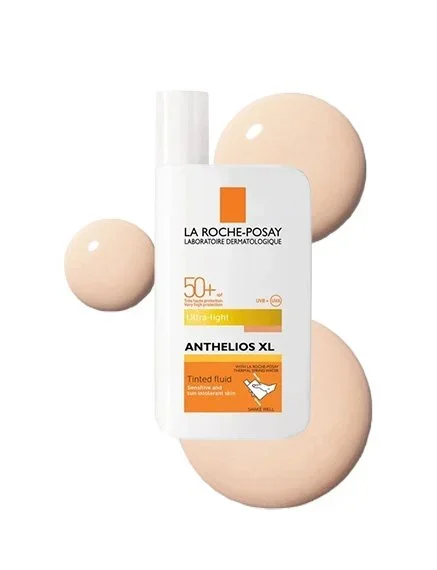
This French pharmacy brand is popular among those seeking a tinted screen for sensitive skin. It’s reassuring to know that in the recent Consumer New Zealand sunscreen testing programme, this mineral, titanium dioxide-based sunscreen promised SPF 50+ and delivered SPF 72.
It’s a lightweight formula that leaves a dewy glow and features a cocktail of chemical screens, vitamin E, and a spring-water base to hydrate the skin.
La Roche-Posay Anthelios Mineral Tinted Ultra Light Face Sunscreen Fluid SPF 50, $42
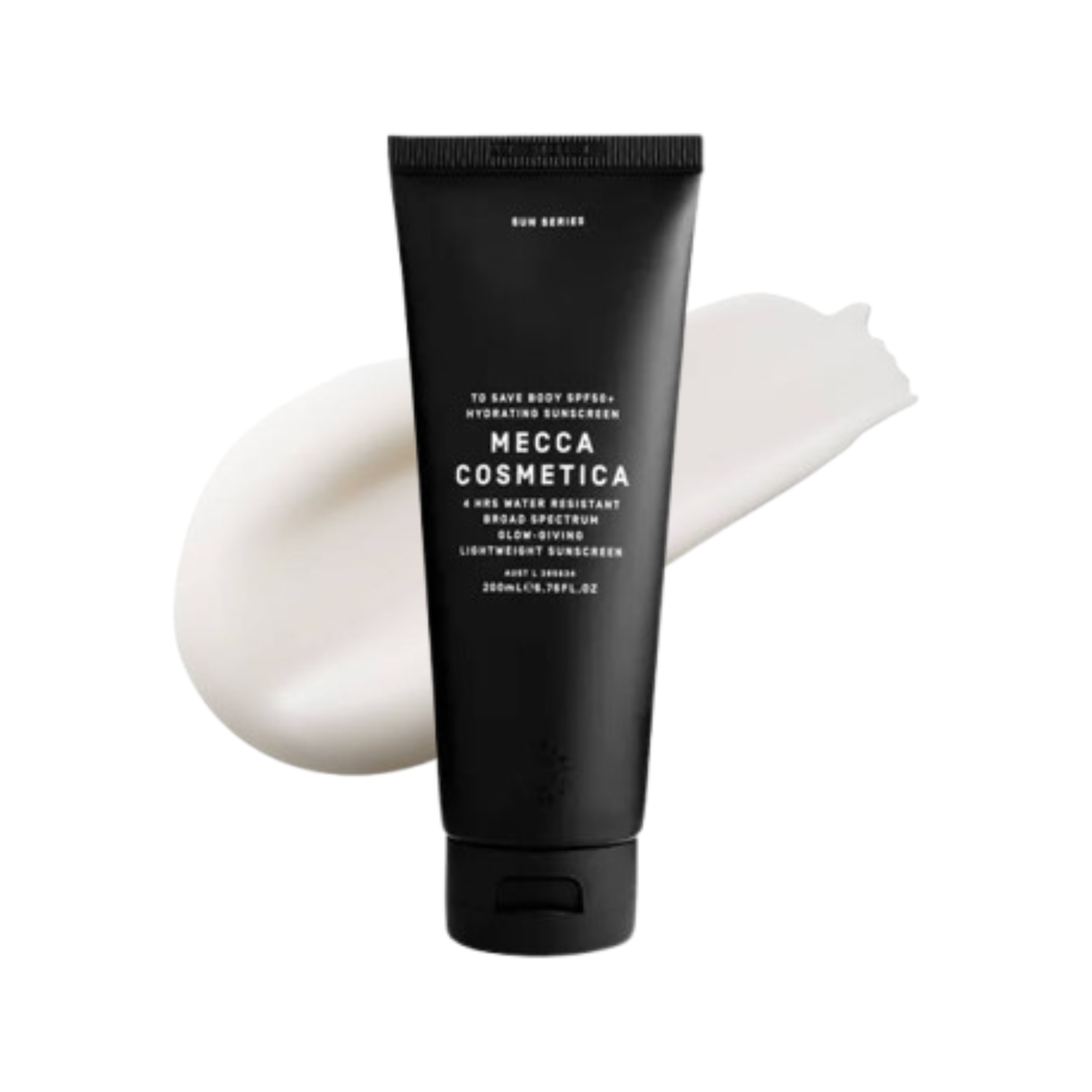
A blend of chemical screens, combined with antioxidants such as aloe vera and vitamin E, helps hydrate this weightless, non-sticky, water-resistant formula that dries quickly.
For optimal protection, the brand recommends applying 20 minutes before going outside and reapplying every two hours.
Mecca Cosmetica To Save Body SPF 50+ Hydrating Sunscreen, $46
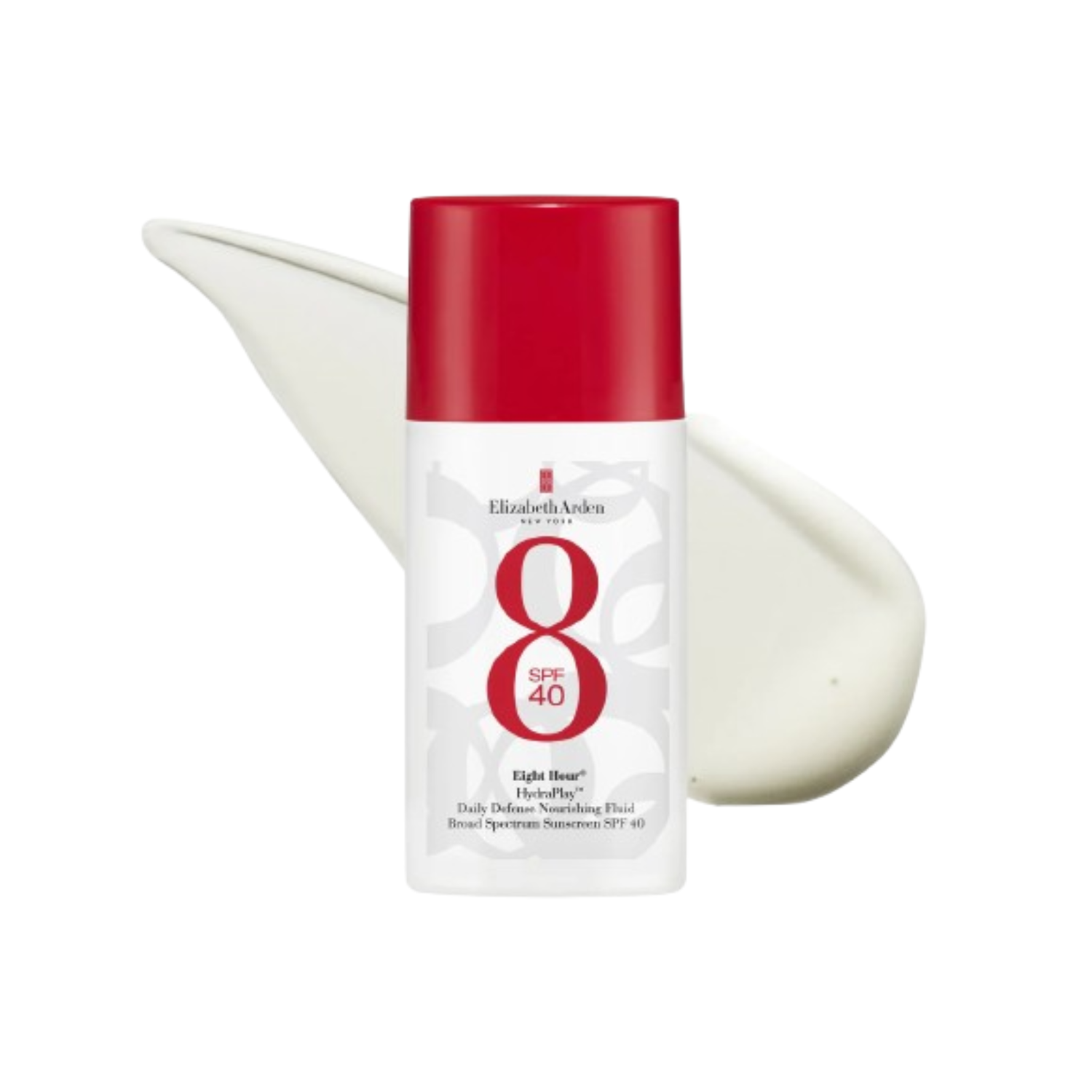
Since 1910, Elizabeth Arden has led the skincare industry. Today, Arden continues to lead the beauty industry with its dermatologist-led formulas, including PREVAGE, Ceramide Capsules, and, of course, Eight Hour Cream.
Their new sunscreen under this umbrella is broad-spectrum and lightweight, featuring a blend of chemical screens, rice and soybean oil, and antioxidants that protect your skin against blue light and pollution.
Meanwhile, sugar beet extract helps strengthen your skin’s barrier for a refreshed, hydrating finish. It leaves no white cast and works well under foundation. The big bonus is that it can be easily reapplied over makeup with a gentle blot, making it the ideal screen for touch-ups.
Elizabeth Arden Eight Hour Hydraplay Daily Defense Nourishing Fluid SPF40, $72
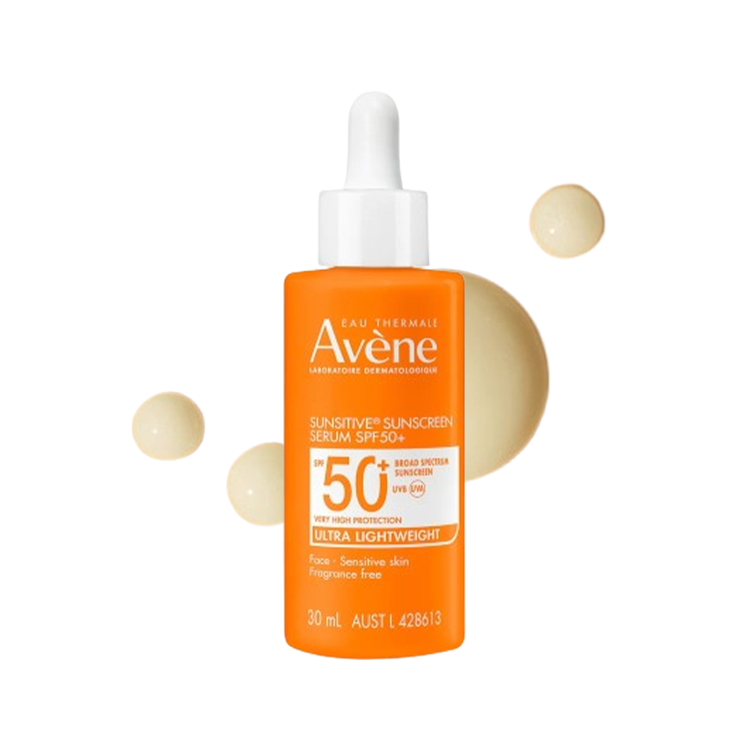
Made with sensitive skin in mind, this measured dose of hydrating serum is infused with a blend of mineral and physical filters to create an SPF 50 that is both nourishing and ultra-protective. Stacked with hyaluronic acid, vitamin E, and aloe vera, it rapidly absorbs, leaving the ideal base for makeup - including no white cast.
However, what makes this brand so popular is its soothing thermal spring water, the base of all the brand's skincare formulations, including sunscreen.
It was created to address severe skin conditions, including eczema, psoriasis, burns, post-cancer, and scalp conditions. Pumped directly from the ground, Avène’s Thermal spring water is pure rainwater from both the Mediterranean and the Atlantic oceans.
On its journey to Avène, it filters through the mountains and trickles through 300-million-year-old dolomitic rocks, 3000 meters underground. Along the way, it is enriched with silicates, magnesium, and calcium. With potent anti-inflammatory, antipruritic, and immunomodulatory properties, this water provides instant relief for numerous irritating skin conditions, including those that react to sunscreen.
AvÈne Sunsitive Sunscreen SPF 50+ Serum, $57
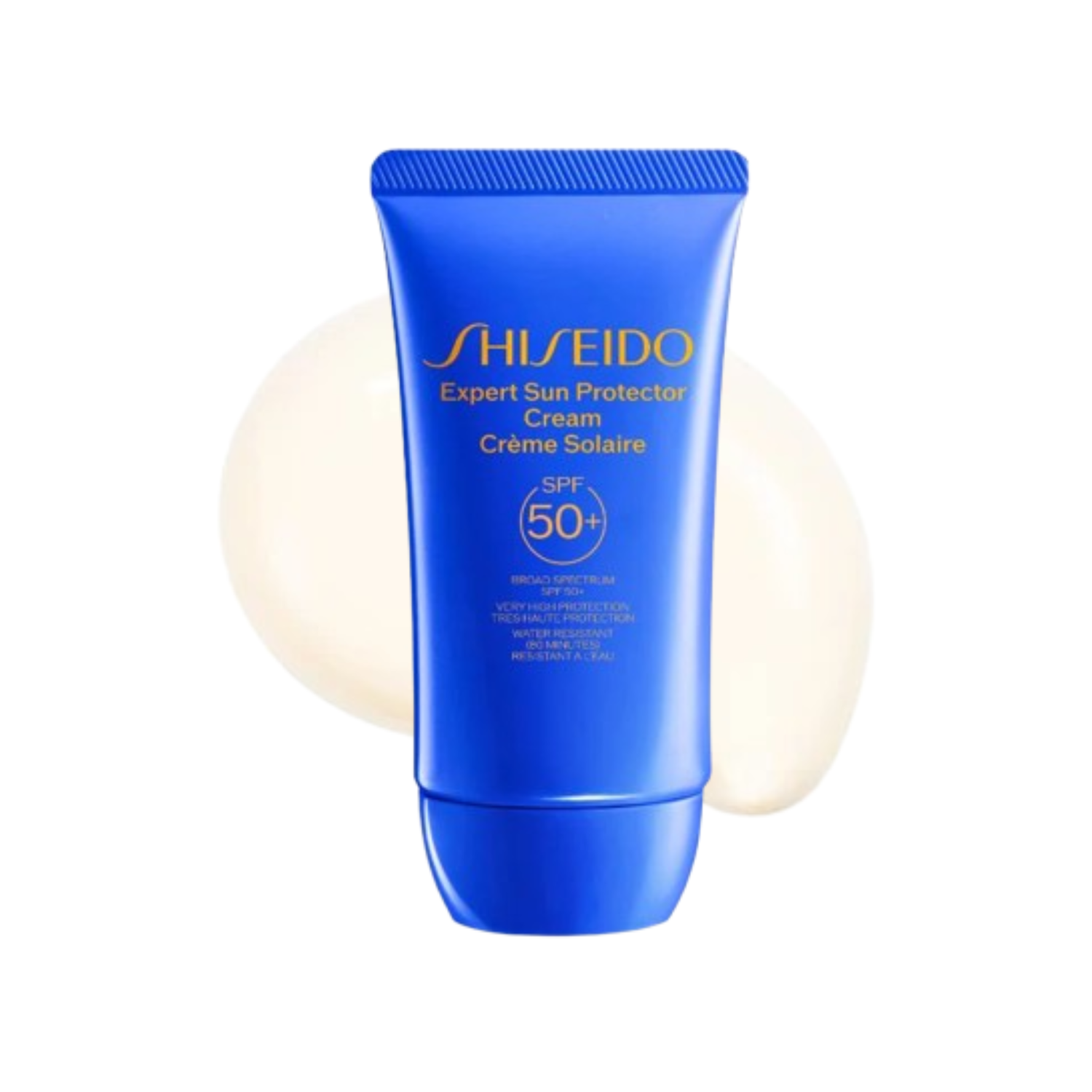
Our style director swears by the protection, texture and scent of this SPF. Shiseido is one of the oldest and most respected beauty brands in the industry. They know how to create an exceptional face cream, utilising meticulously cutting-edge research and pioneering, effective formulas that work at a cellular level.
This SPF is no exception. This cream is lightweight and, once applied to the skin, completely invisible. Offering broad-spectrum SPF 50+ protection, safflower extract and an algae complex nourish and plump the skin.
However, it’s on rotation in this office because this clever formula is actually strengthened by heat and water, making it a great SPF to pack for your beach or pool holiday. Finally, did we mention its divine, citrusy scent?
Shiseido Expert Sun Protector Cream SPF50+, $98
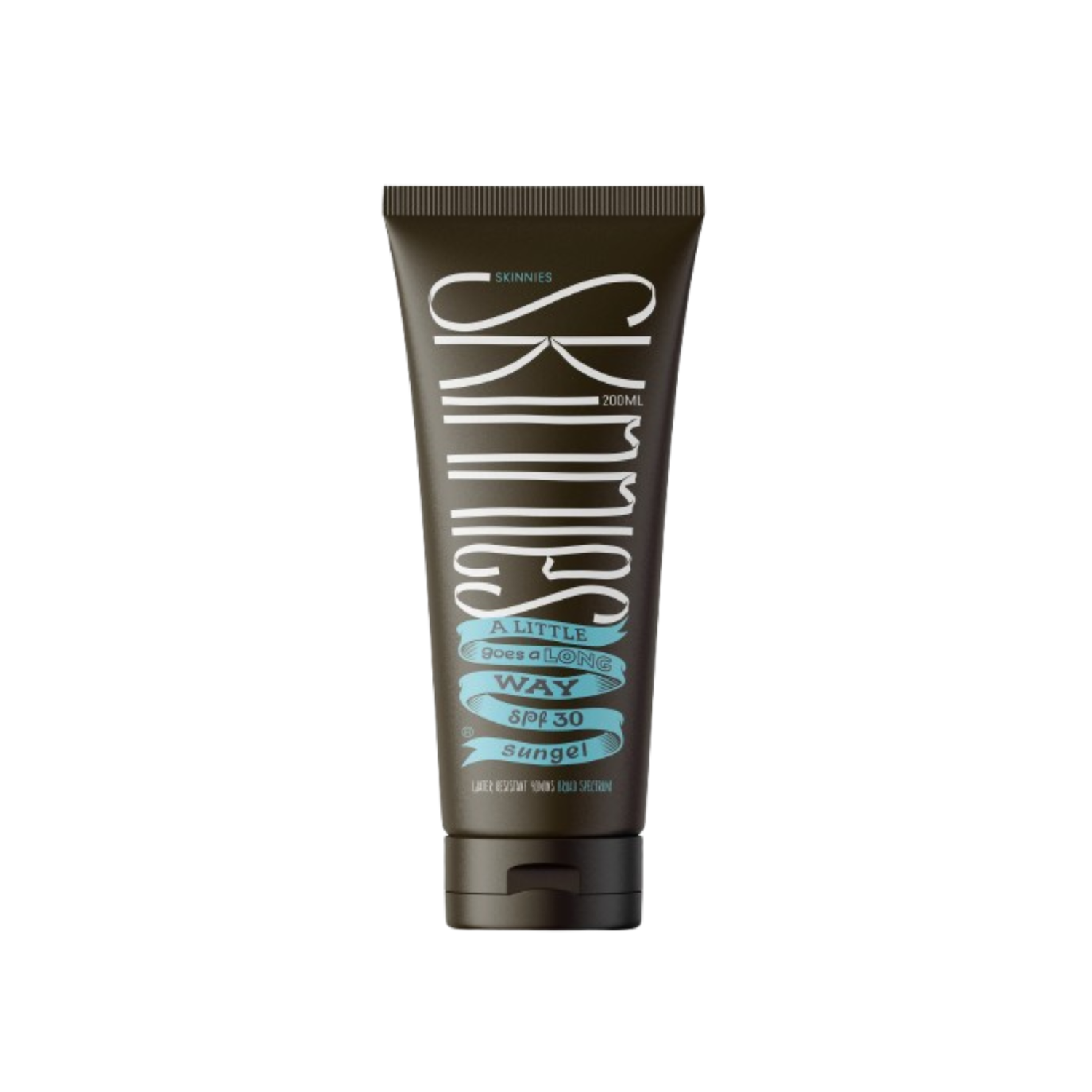
This is the perfect screen for someone who hates the feeling of a sticky SPF. Made with an ingredient called Organogel, which creates a thin, waterless layer on the skin that holds UV filters, both chemical and mineral, in place, bonding to the skin so it doesn't dilute or wash off with sweat or water, and leaves no white cast.
This New Zealand brand also offers broad-spectrum protection from UVA and UVB rays. A little pea-sized blob goes a long way, leaving the skin feeling moist but not greasy - it’s also ideal under any foundation.