

Rosacea can be a lifelong skin condition, but with the right advice, you can manage it to improve your skin's health and appearance. Here, a top dermatologist shares how to lead a more comfortable and confident life living with rosacea.
Discover a new skincare collection designed to soothe and correct signs.
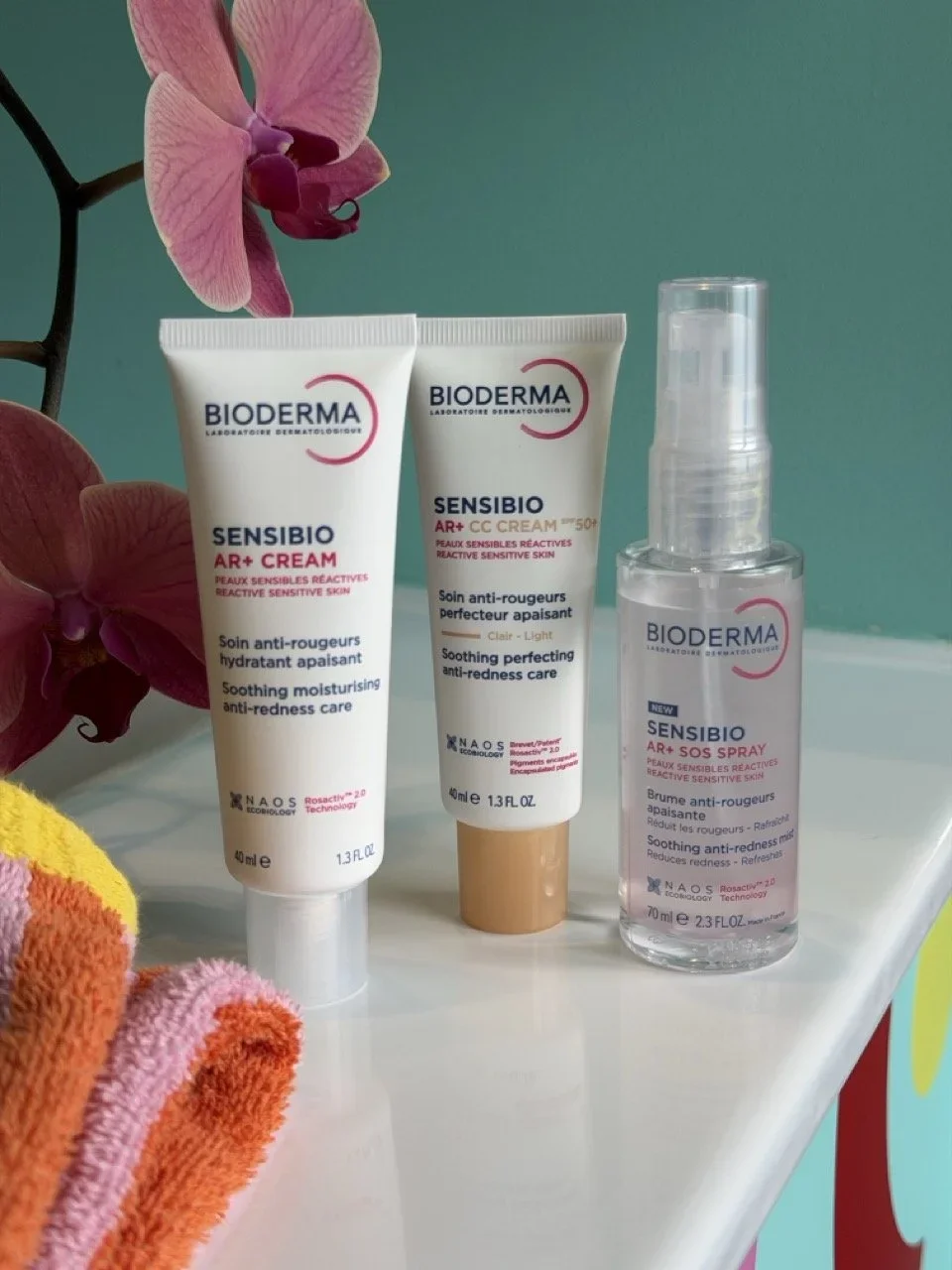
New BIODERMA Sensibio AR+ Cream, CC Cream SPF 50, and SOS Spray Soothing Anti-redness Mist
Perpetually misunderstood, rosacea is a chronic skin condition that, for many, is on show for the world to see. Affecting the face, the signs appear instantly and are tricky to hide.
Dermatologist Dr Katherine Armour from the Dermatology Institute of Victoria in Melbourne is an expert in treating this increasingly common condition. As the world population crosses eight billion, close to six per cent of women globally are diagnosed with rosacea between the ages of 25 and 39.
“Rosacea is a common, chronic skin disorder affecting the central face. The cheeks, nose, chin and forehead are the most common areas. It is an episodic and variable condition but classically presents as acne-like bumps (papules and pustules), red or pink patches and clearly visible blood vessels.”
That tendency to flush or blush you may pass off after a glass of wine or an hour of exercise, but rosacea is more than a reddening of the skin.
To better understand the causes, symptoms, and triggers of this long-term inflammatory skin condition, Dr Armour offers a guide to spotting the signs and managing them.

Dr Katherine Armour
How do you spot the signs?
There are four subtypes of rosacea, each with its own distinctive features. Any given individual may experience one or more of the following subtypes of rosacea:
Erythematotelangiectatic rosacea
Frequent blushing and flushing.
Temporary or persistent facial redness in the central portion of the face.
Telangiectasias on the nose, cheeks and chin.
Skin that is very sensitive and tends to sting or burn upon application of certain skincare products and sunscreens.
Papulopustular rosacea
Papules and pustules (swollen bumps) on the face that resemble acne.
Sensitive skin.
Swollen rosacea
Lymphoedema (hot and swollen facial skin).
Thickening ‘orange peel’ skin over the nose, cheeks, forehead and chin.
Rhinophyma (enlarged bulbous nose with dilated pores, which in severe cases can result in a deformed nose). Rhinophyma is more common in men.
Ocular rosacea
Presents with red, sore or gritty eyelid margins or eyes. This can result in inflammation of the eyelids (blepharitis), conjunctivitis and inflammation of the white part of the eye (episcleritis).
An ophthalmologist should be seen if eye involvement is suspected.
What are the causes of rosacea, and does it only appear on the face?
The exact cause of rosacea is unknown. It is thought that a combination of factors, including hereditary (genetic), environmental, vascular and inflammatory factors, as well as reaction to the demodex mite (microscopic mite that lives on human skin, commonly called ‘eyelash mite’). Rosacea is more common in women and typically presents between the ages of 30 and 50.
The condition commonly affects individuals with fair skin and blue eyes who are of Celtic or English background. While rosacea most commonly affects the face, the neck, scalp, chest, eyes, and ears may also be affected.
What are the triggers for flare-ups?
Several factors can trigger or aggravate rosacea by dilating blood vessels, thereby increasing blood flow to the skin's surface. These include hot food or beverages, Spicy foods, and foods rich in histamine (aged cheese and cured meats).
Alcohol, temperature extremes, and sunlight. Stress, anger or embarrassment, strenuous exercise, hot baths or saunas and medications. These include oral and topical corticosteroids and drugs that dilate blood vessels, such as blood pressure medications. In addition, avoid the inappropriate use of irritating skin care products, and always avoid applying topical steroids to rosacea.
What skincare should you use to manage symptoms?
Less is definitely more when it comes to skincare use in rosacea, and choosing gentle, soothing products is paramount. Cream or milk cleansers are ideal, and those that support the skin barrier. Moisturisers in rosacea should contain ingredients which support the skin barrier, such as ceramides, squalane, glycerine, and panthenol.
Appropriate anti-inflammatory ingredients that may be included in rosacea-appropriate skincare include niacinamide, azelaic acid, green tea, and liquorice root extract. Rosacea patients tend to tolerate physical sunscreens better than chemical sunscreens. So, look for a broad-spectrum SPF 50+ sunscreen based on zinc oxide and titanium dioxide.
What you avoid is also really important, including oil-free skincare and makeup that cause stinging, burning or irritation. This may include products containing fragrances, waterproof cosmetics, toners and astringents, menthols and camphor, or sodium lauryl sulphate.
How can you alleviate the symptoms day to day?
Small lifestyle adjustments can make a huge difference. Try to cool down: use a small fan, a cold water spray, or a chilled jade roller applied to the skin; sip iced drinks rather than hot ones.
Apply a broad-spectrum SPF 50+ sunscreen EVERY SINGLE DAY, as UVA rays penetrate through window glass. Sun exposure is a massive driver of rosacea. Protect your face from wind and cold with a scarf. Keep showers lukewarm rather than hot and reduce alcohol consumption.
What are the treatment options?
Careful sun protection, gentle skincare, and topical prescription treatments with anti-inflammatory effects, such as metronidazole cream or gel, azelaic acid, topical erythromycin gel, or clindamycin. Topical brimonidine and oxymetazoline may also be used to reduce redness. Oral tetracycline antibiotics (i.e., doxycycline) or other antibiotics (i.e., oral erythromycin), isotretinoin, alpha-2 receptor agonists (i.e., clonidine), or beta-blockers (i.e., carvedilol) may also be suggested.
Procedural therapies, such as vascular laser and intense-pulsed light, are often very helpful for flushing and fixed redness. Kleresca is a non-invasive, biophotonic treatment administered in clinics that can help with stubborn rosacea. For severe acne lesions in rosacea, Isotretinoin, which is classically used to treat very stubborn acne, can also help.
Botulinum toxin (Botox) is an emerging off-label treatment for rosacea. It should be administered only by highly experienced clinical injectors to minimise the risk of side effects. Tiny intradermal doses of Botox have been shown to reduce severe facial flushing, calm redness and burning, and improve skin texture. Botulinum toxin seems to work by modulating the nerve signals that trigger vessel dilatation. Results tend to last three to four months, and treatment can be repeated as needed.
Can you mask the signs with makeup?
Yes. Makeup can be a game-changer — both cosmetically and emotionally. Use a green-tinted primer or concealer to neutralise significant redness before applying foundation. Milder redness may be better corrected with a yellow-based concealer.
Are there any new treatments available to cure this skin condition?
While we don’t have an absolute cure for rosacea right now, a combination of gentle skincare, careful sun protection, lifestyle modification, and laser treatment when needed can achieve excellent control of rosacea.
Seeing a dermatologist to create a personalised plan can make a huge difference. Ongoing research to optimise rosacea care is abundant, and emerging options such as microbiome-targeted treatments and newer anti-inflammatories are exciting developments to watch.
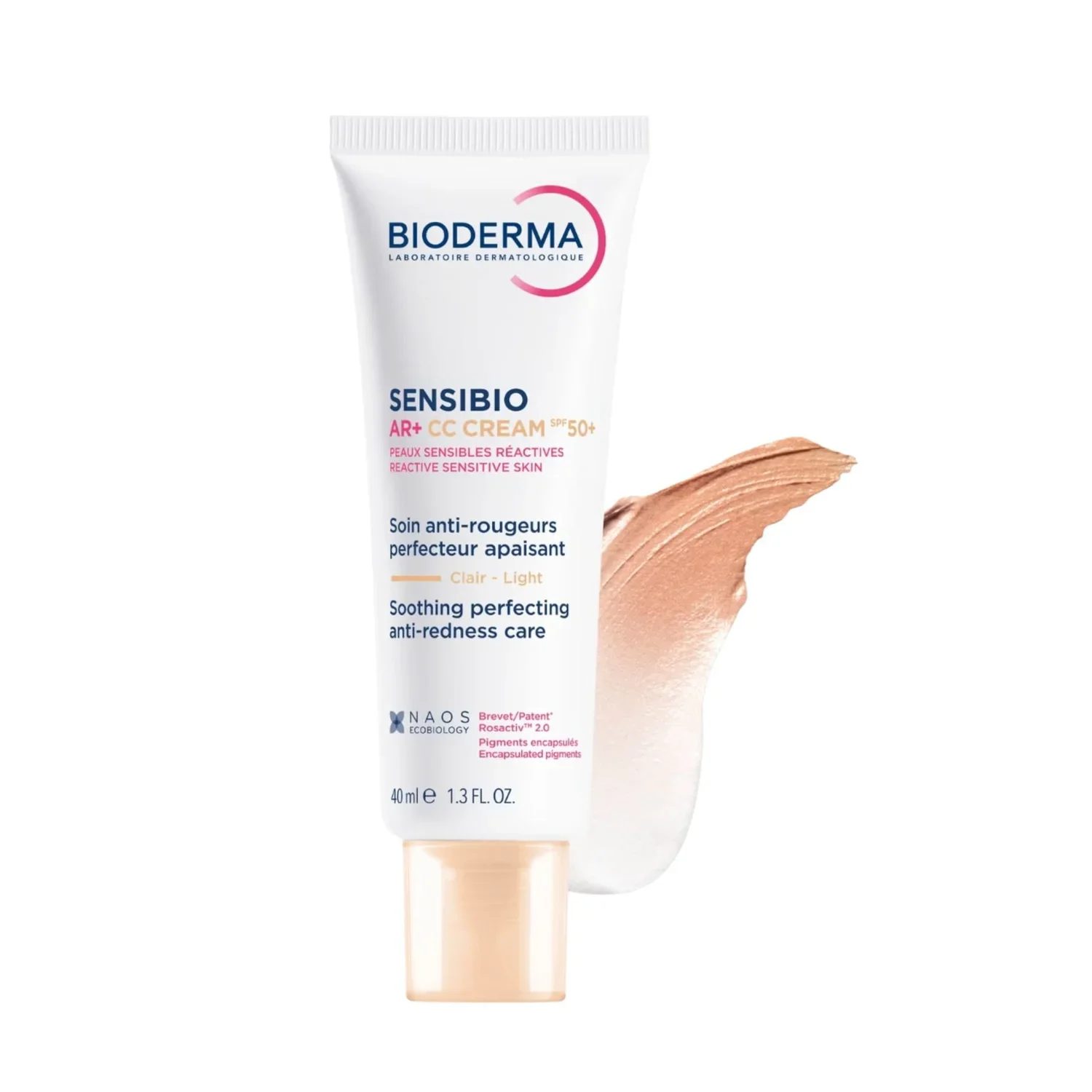
Bioderma Sensibio AR+ CC Cream SPF 50+, $56
If you're looking for a simple skincare routine to treat rosacea, you'll likely focus on redness first. The new BIODERMA Sensibio AR+ collection includes three products: Sensibio AR+ Cream, CC Cream SPF 50, and SOS Spray Soothing Anti-redness Mist.
Contains the brand’s patented ROSACTIV 2.0 technology, which acts on VEGF (vascular endothelial growth factor) to reduce and prevent visible redness and inflammation.
Calming plant extracts, soothing polysaccharides, and humectants further calm redness and flushing. The star of the collection is the CC Cream SPF50.
A hybrid skincare-meets-makeup formula that delivers soothing benefits within seconds, with micro-encapsulated pigments that start white and release colour upon application to conceal redness and visible vessels, evening out your complexion. It’s also SPF 50, protecting skin against UV damage.
Style director Louise Hilsz’s review
When a sudden flush of redness (wine flush) occurred, style director Louise Hilsz reached for the BIODERMA Sensibio AR+ CC Cream SPF50. The redness-correcting formula immediately helped calm visible redness while providing natural-looking coverage and SPF50 protection.
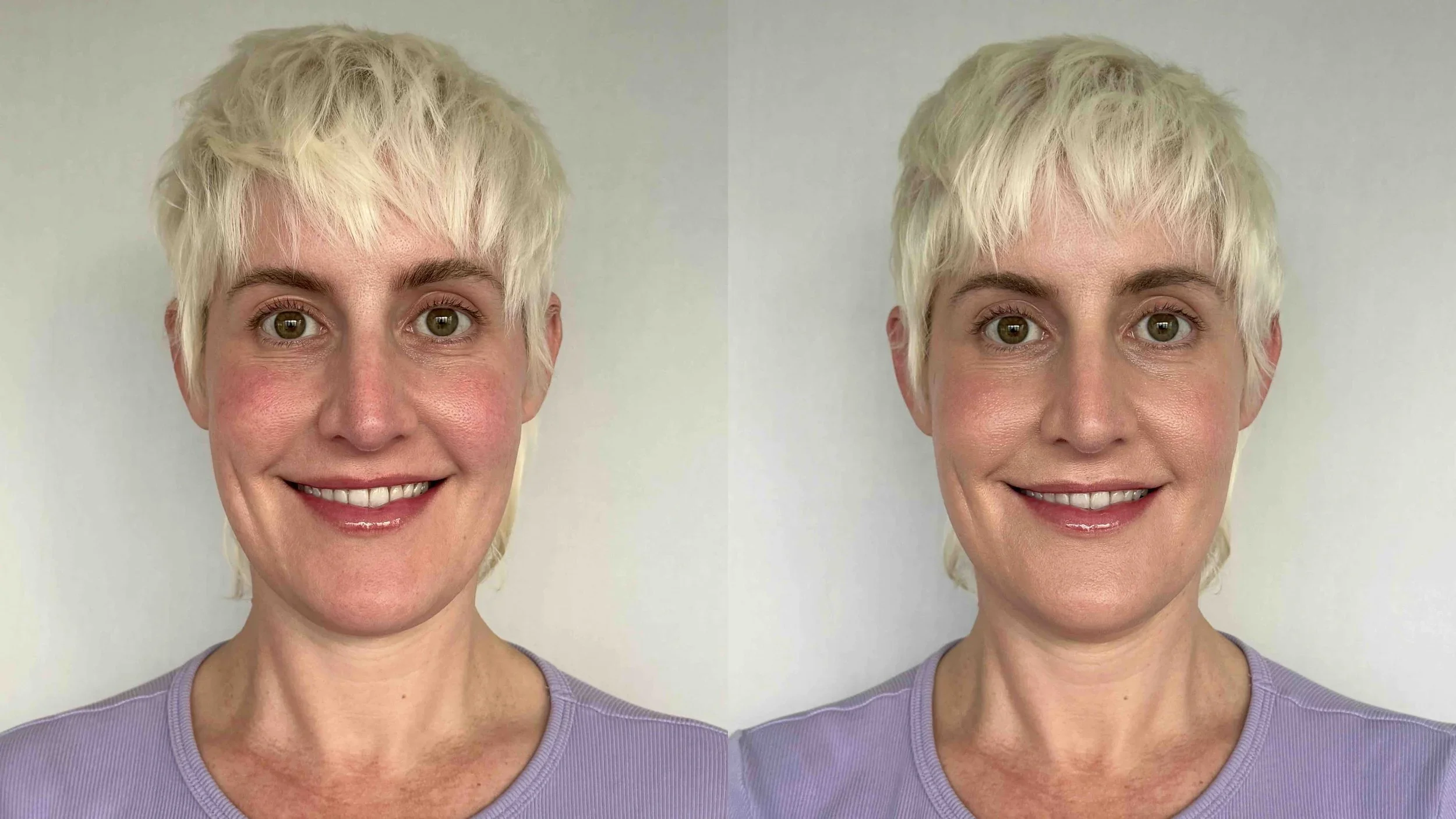
Style director Louise Hilsz before vs after applying the BIODERMA Sensibio AR+ CC Cream SPF50, $56.
“I was so impressed with the instant coverage this product gave me whilst experiencing a wine flush. I found the cream was quite thick (it comes out white and then turns to a foundation skin-tone colour), and applying it with a makeup brush gave me more even coverage. ”