

Move over peptides and hyaluronic acid. Epidermal growth factors (EGF) are stepping into the skincare spotlight, emerging as one of the most talked-about ingredients in regenerative beauty. But what exactly is it, and does the science live up to the hype?
Image BeautyEQ
The beauty industry is increasingly looking beyond traditional anti-ageing ingredients in favour of something more sophisticated: skin longevity. Rather than simply targeting visible signs of ageing, the focus is shifting towards supporting skin health, resilience and renewal over a lifetime. Enter EGF, or Epidermal Growth Factor.
Once largely associated with medical research and professional skin treatments, they have been around for over 60 years, so they're definitely tried and tested and backed by science. Dermatologists often refer to EFG’s as little personal trainers for your skin. So it’s no surprise these intriguing ingredients are finding their way into advanced skincare formulations- and while it might sound like another clever beauty buzzword, there is some brilliant research behind it.
So, what exactly is EGF?
As we age, changes in the skin's natural repair and renewal processes lead to ageing. This is one reason growth factors have attracted attention from skincare researchers looking at ways to support skin quality and the appearance of ageing. Ultraceuticals global education technical training manager, Tracey Beeby, says, “Epidermal Growth Factors are naturally occurring proteins that communicate with skin cells, helping stimulate skin cell renewal and repair. When used with appropriate delivery and stability systems, they support the skin’s natural regenerative processes, helping improve skin texture, firmness, and overall appearance.”
What is the difference between plant-based EGF's and lab-grown EGF's?
According to Beeby, “Skincare growth factors are not taken from people or animals; instead, they’re made by a living ‘host’ that has been given the recipe for the protein. The difference between lab-grown and plant-based is simply which host makes it.”
She explains: “Lab-grown growth factors are usually made by bacteria or yeast in large tanks. It is the most common method, but the protein ends up on its own, or ‘naked’, which makes it fragile. Growth factors can break down easily and are too large to penetrate into the skin well, which is why they often don’t deliver expected results.” In contrast, popular plant-based growth factors are made inside a plant instead. “At Ultraceuticals, growth factors are grown in the seeds of Camelina sativa, an oilseed plant. The protein matches the one your skin makes, but there is an added advantage: seeds contain oleosomes, tiny oil droplets the plant uses to store energy. Our growth factors are attached to these droplets, which act like a protective carrier. This helps keep the growth factors stable and helps them absorb into the skin, so more of them get where they are needed.”
What are the skin benefits of EGF’s?
For years, the skincare conversation centred on familiar ingredients such as retinol, vitamin C and hyaluronic acid. While they absolutely have a place in your skincare routine, people are increasingly interested in the science behind skin function, cellular signalling, and the technologies designed to support skin renewal.
Growth factors sit within this emerging category, alongside peptides, PDRN (polydeoxyribonucleotide) and exosomes.
Although they are often discussed together, these ingredients are not interchangeable. Each has a different biological role and mechanism of action. EGF is particularly interesting because of its relationship with cellular signalling and the processes involved in skin renewal. Beeby explains, “EGF supports healthier-looking skin – by supporting overall skin cell function.” She adds, “From improving skin texture by stimulating skin cell renewal, to improving the appearance of rough, uneven skin, and the appearance of fine lines and wrinkles.”
EGF versus peptides, PDRN and exosomes
It can be difficult to keep up with the latest ingredient terminology and how these ingredients benefit the skin. So here's a quick science lesson.
EGF (Epidermal Growth Factor): A signalling protein that regulates cell growth and tissue repair. EGF is being explored for its potential to improve the appearance of fine lines, skin texture and overall complexion quality.
Peptides: Short chains of amino acids (proteins) that can perform different signalling and skin-conditioning functions, depending on their structure. Peptides deserve their place in the modern skincare conversation. They offer a sophisticated approach to supporting skin structure, firmness and resilience, particularly when combined with proven ingredients such as retinoids, antioxidants and hyaluronic acid.
PDRN (Polydeoxyribonucleotide), extracted from salmon or trout sperm cells, is one of the most talked-about ingredients in regenerative skincare, particularly in Korean beauty (K-beauty). It's often nicknamed salmon DNA.
Exosomes: Tiny extracellular vesicles involved in cell-to-cell communication, currently attracting considerable research interest. Think of them as tiny parcels delivering messages that can influence how skin cells behave. The science is promising, but we're not yet at the point where every product labelled exosome can claim proven skin-rejuvenating results.
While all four feature in the wider regenerative beauty conversation, their science, applications and supporting clinical evidence differ.
Do EGF’s actually work?
This is where things get interesting. Research into growth factors in dermatology has shown promising potential, with some clinical studies reporting improvements in the appearance of fine lines, skin texture and signs of photoageing. However, there is an important distinction between research involving growth factors in clinical settings and the results consumers can realistically expect from an over-the-counter serum. EGF is a relatively large molecule, which makes it challenging to penetrate the skin's protective barrier. Its stability, formulation and delivery system are all important considerations. In other words, simply seeing EGF on a product label doesn't guarantee that a formulation will deliver meaningful results; this is where expert advice is essential.
The skincare brands using proven EFG’s
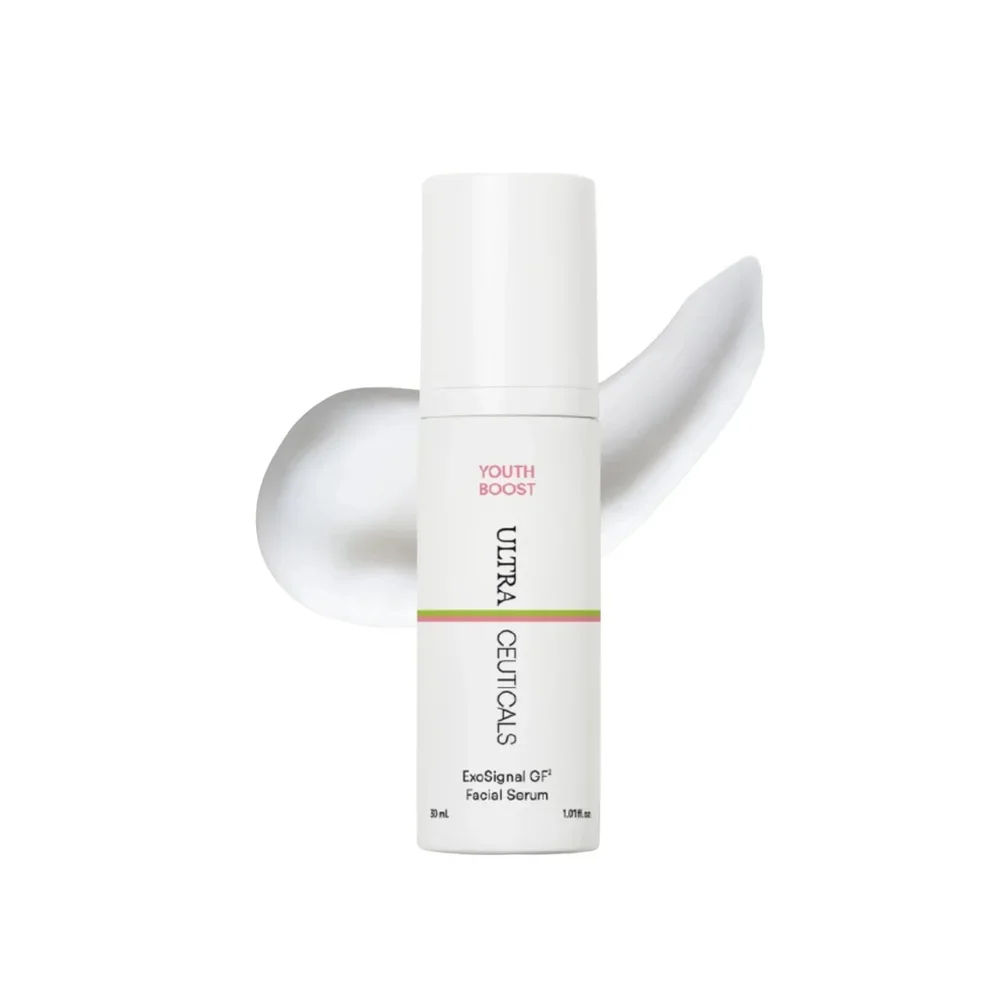
The formula contains exosomes sourced from centella asiatica (cica), which act as microscopic messengers that support communication within the skin. “These are combined with two specialised plant-derived growth factors: Renew Growth Factor and Rebuild Growth Factor, which help support skin structure, firmness and elasticity,” says Beeby. She adds, “What makes the formulation particularly clever is the technology used to protect and stabilise these delicate growth factors. Oleosome fusion technology helps maintain their stability and performance in a topical formulation, while Lamellar Technology works in harmony with the skin barrier.” In step with sophisticated product formulations and the quest for skin longevity, this serum has a multi-dimensional approach. “Helping to visibly renew, rebuild and rebalance the skin. Ultimately, what sets Youth Boost apart is that it doesn't simply target one skin concern. We combine growth factors and exosome technologies to support multiple pathways involved in skin health and longevity, helping the skin look healthier, stronger, and more youthful for longer,” says Beeby.
Ultraceuticals Youth Boost ExoSignal GF² Facial Serum, $219
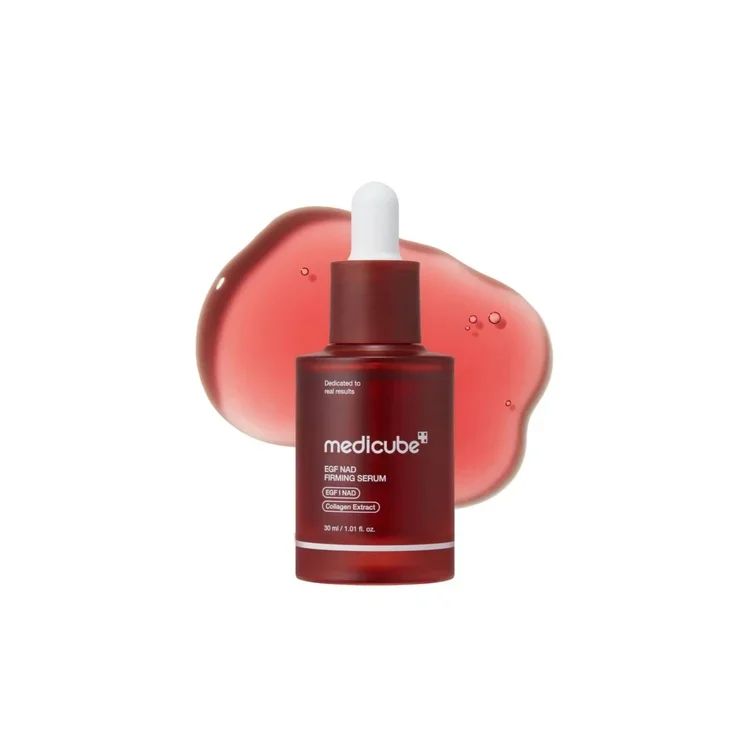
A multitasking formula designed to target visible signs of ageing while boosting hydration and radiance. At the heart of the formula are EGF (Epidermal Growth Factor), NAD+, and a multi-peptide mix. Then there's the firming factor: collagen extract and peptides help skin that is starting to look less plump or feels like it's losing a little of its bounce. Niacinamide helps improve the appearance of uneven tone and texture, while ectoin helps support the skin barrier against environmental stress. Hyaluronic Acid attracts moisture to the skin, helping soften the appearance of dehydration lines and leaving the complexion looking plumper and fresher.
Use a few drops morning and night.
Medicube EGF NAD Firming Serum, $50
SHOP NOW →
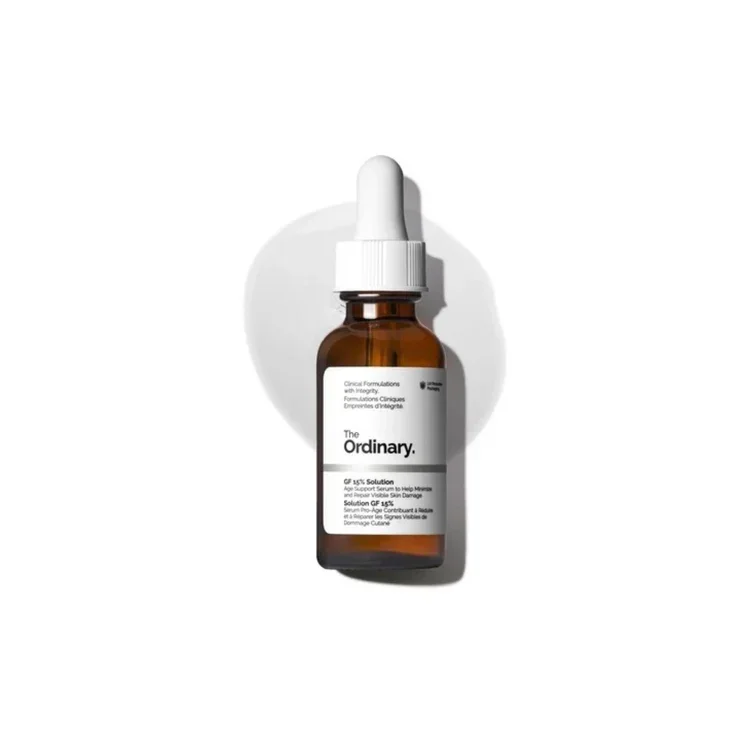
The Ordinary puts ingredients first with its formulas and entered the EGF conversation with its plant-based biomimetic growth-factor peptide serum. The formula combines three growth-factor-inspired technologies: EGF (Epidermal Growth Factor), IGF-1 (Insulin-like Growth Factor), and TGF-β2 (Transforming Growth Factor Beta 2). These are used rather than human-derived growth factors. The EGF supports skin renewal and elasticity, IGF-1 targets the appearance of fine lines, and TGF-β2 is associated with collagen support and skin integrity. And it's not just about wrinkles. The formula also supports hydration and the skin barrier and is designed for day and evening use. The brand recommends not using vitamin C or salicylic acid in the same routine.
The Ordinary GF 15% Solution, $35
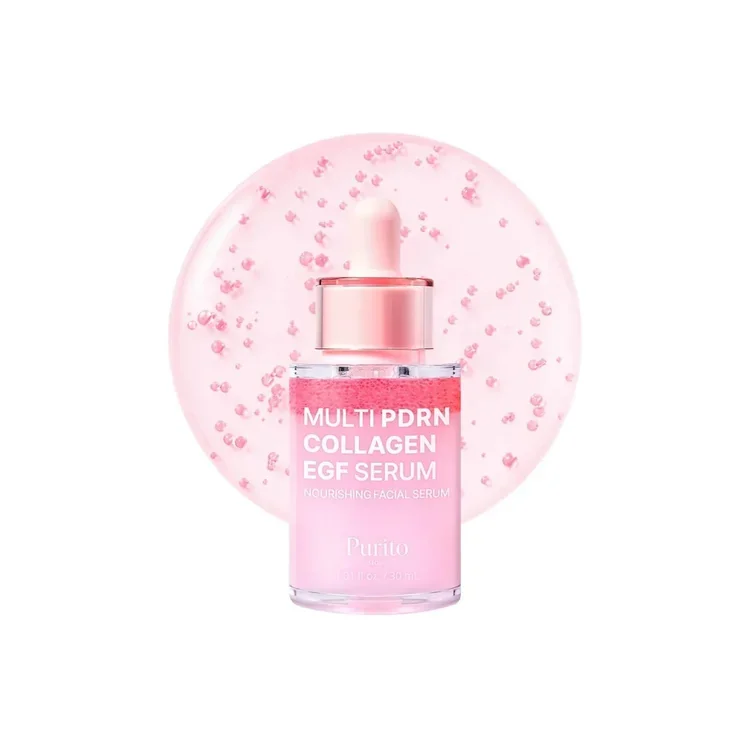
This new serum blends PDRN, EGF, and collagen with skin-barrier-supporting ingredients. The EGF in this formula is sh-Oligopeptide-1, a lab-produced biomimetic version, blended with ceramide NP, centella asiatica, and oat extract to soothe and condition the skin. Glycerin draws moisture into the skin, helping maintain hydration and a comfortable, balanced feel. Innovative capsules are suspended in a lightweight serum, creating a distinctive two-phase-looking formula that needs shaking before application. Once activated, it absorbs quickly, making it an easy addition to a daily skincare routine. It’s an interesting addition for anyone wanting to explore the latest Korean skincare innovations, especially if your skin looks a little lacklustre. Use morning and night.
Purito SEOUL Multi PDRN Collagen EGF Serum, $42
SHOP NOW →
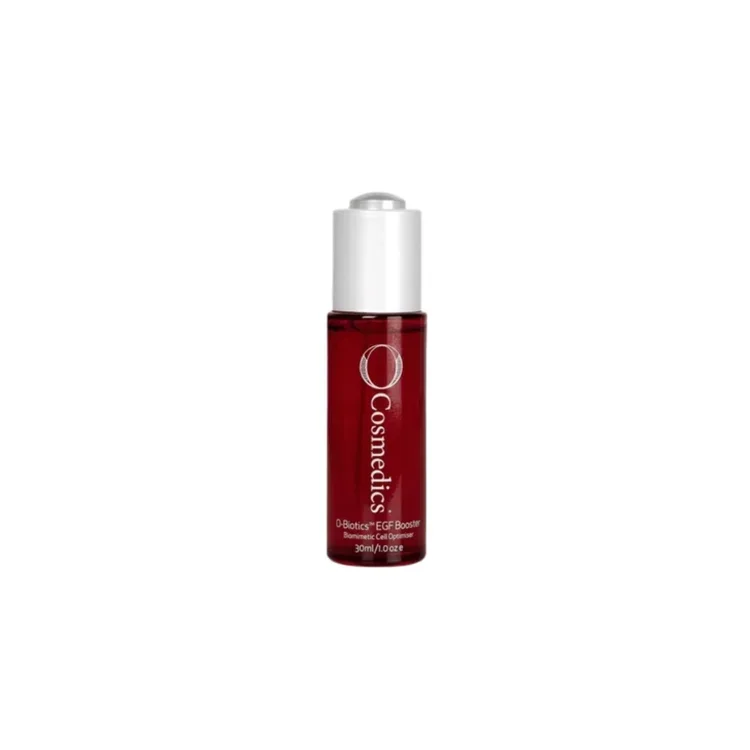
When skin needs a little extra support, peptides are the answer. This serum features a trio of biomimetic peptides Decapeptide-4, Oligiopeptide-24, and Oligiopeptide-73 that mimic the skin’s natural signalling molecules – the messengers that help coordinate renewal, repair and barrier function. This professional skincare brand targets inflammation, redness, and fine lines caused by environmental stress or post-treatment sensitivity. Added hydration and barrier support help keep skin calm, comfortable and better equipped to defend itself against everyday stressors.
O Cosmedics EGF Booster, $188
SHOP NOW →
The take-home
EGF’s appeal lies in the science-led approach to skincare and the growing interest in ingredients that work with the skin's natural biological processes. Rather than promising an overnight transformation, the next generation of advanced skincare increasingly focuses on maintaining skin quality, supporting resilience, and addressing the visible effects of ageing over time. After all, skincare can only do so much to change the way your skin looks and feels. The future of skincare is becoming less about chasing individual wrinkles and more about investing in the long-term health and quality of our skin. With growth factors entering the conversation, regenerative beauty could be one of the most interesting developments to watch.